You want the best for your dog, right? That means giving your furry friend the right food to keep them healthy and happy.
But what exactly does your dog need to stay strong, energetic, and full of life? Understanding your dog’s nutritional needs is the key to making smart choices about their diet. Keep reading, and you’ll discover simple, clear answers that can help you give your dog the nutrition they truly deserve.
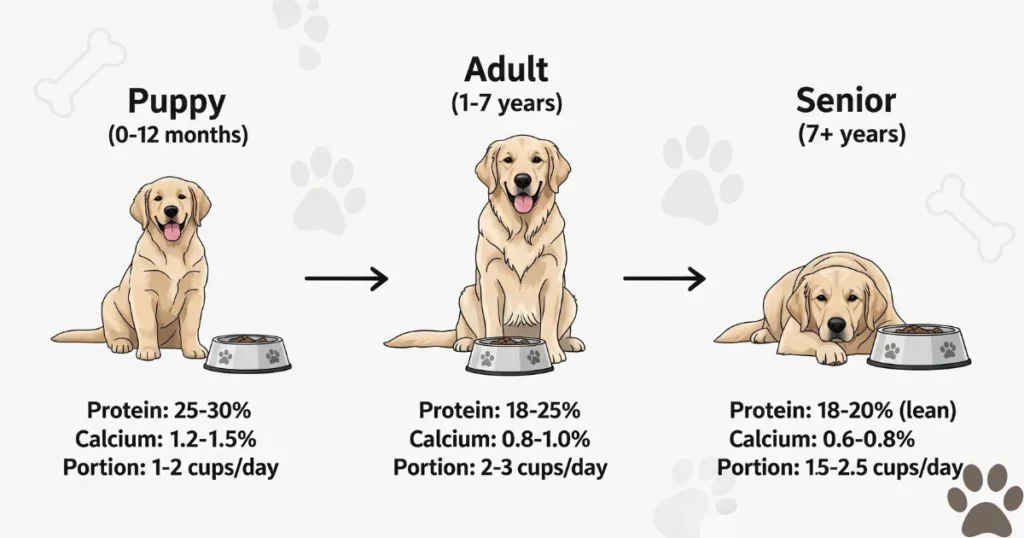
Credit: goldenretrieverinsight.com
Key Nutrients For Dogs
Dogs need a balanced diet to stay healthy and active. Their bodies require specific nutrients to grow, repair tissues, and maintain energy. Understanding key nutrients helps provide the right food for your dog’s needs. Each nutrient plays a unique role in your dog’s health.
Proteins And Amino Acids
Proteins are the building blocks of a dog’s body. They help build muscles, skin, and organs. Dogs need essential amino acids from protein to perform vital functions. Meat, fish, and eggs are rich protein sources. A diet low in protein can cause weakness and poor growth.
Fats And Fatty Acids
Fats provide energy and support cell health. They also keep your dog’s skin and coat shiny. Essential fatty acids like omega-3 and omega-6 reduce inflammation and improve brain function. Healthy fats come from fish oils and animal fats. Avoid too much fat to prevent weight gain.
Carbohydrates Role
Carbohydrates supply energy for daily activities. They are found in grains, vegetables, and fruits. Fiber, a type of carbohydrate, aids digestion and keeps the gut healthy. Dogs do not need a large amount of carbs, but they help maintain stamina. Choose quality carbs for better nutrient absorption.
Vitamins And Minerals
Vitamins and minerals support many body processes. Vitamins A, D, and E help with vision, bone growth, and immune health. Minerals like calcium and phosphorus build strong bones and teeth. Dogs need a balanced mix of these nutrients for overall wellness. Deficiency can lead to serious health problems.
Daily Caloric Requirements
Dogs need the right amount of calories every day to stay healthy. Calories give them energy for playing, walking, and even resting. Feeding too many or too few calories can cause health problems. Understanding daily caloric needs helps keep dogs fit and happy.
Caloric needs vary by dog. Size, age, and activity all matter. This guide explains how to find the right calorie amount for your dog.
Factors Affecting Calorie Needs
Each dog is unique. Size is a big factor. Larger dogs need more calories than smaller ones. Age also matters. Puppies need more calories to grow. Older dogs usually need fewer calories.
Activity level changes calorie needs. Active dogs burn more energy. Sedentary dogs need less food. Health status plays a role. Sick dogs may need special diets or fewer calories.
Calculating Energy Needs
Start with your dog’s weight. Use a formula to estimate daily calories. One common method is Resting Energy Requirement (RER). Calculate RER by multiplying 70 by weight in kilograms to the power of 0.75.
Next, adjust RER by activity level. Multiply by a factor based on lifestyle. For example, multiply by 1.2 for a calm dog. Multiply by 2 or more for very active dogs or puppies.
Check your dog’s weight and health often. Adjust calories as needed. This keeps your dog in good shape and full of energy.
Life Stage Nutrition
Dogs need different nutrients at different ages. Their bodies change as they grow. Feeding them right at each life stage keeps them healthy and strong. Life stage nutrition means giving dogs food suited to their age and needs.
Puppy Nutritional Needs
Puppies grow fast. They need extra protein and calories. These help build strong muscles and bones. Puppies also need more vitamins and minerals. Fat is important for energy and brain growth. Feeding puppies with special puppy food supports their rapid growth.
Adult Dog Diet
Adult dogs need balanced nutrition. Their growth slows down, so they need fewer calories. Protein keeps their muscles healthy. Fiber helps with digestion. Essential fats keep their coat shiny. Feeding the right portion size prevents weight gain. Adult dog food meets these needs well.
Senior Dog Adjustments
Older dogs need special care in diet. Their metabolism slows, so fewer calories are needed. Protein helps maintain muscle mass. Joint-supporting nutrients reduce stiffness. Fiber aids digestion and prevents weight gain. Lower fat and added antioxidants protect their health. Senior dog food suits these changes.
Special Dietary Considerations
Dogs have unique dietary needs beyond basic nutrition. Some require special diets to stay healthy. These needs depend on allergies, weight, and health issues. Understanding these helps provide better care. Feeding the right food can improve their quality of life.
Special diets support healing and prevent problems. They make sure dogs get what their bodies need. Each dog’s diet should match its lifestyle and health status.
Allergies And Sensitivities
Some dogs react badly to certain foods. Common allergens include wheat, dairy, and chicken. Signs include itching, ear infections, or upset stomachs. Identifying and avoiding these foods helps dogs feel better. Hypoallergenic diets or limited ingredient foods often work well.
Weight Management
Maintaining a healthy weight is vital for dogs. Overweight dogs risk heart disease and joint problems. Low-calorie, high-fiber diets help control weight. Portion control and regular feeding times support weight loss. Exercise combined with diet improves results.
Health Conditions And Diet
Certain health issues require special diets. Dogs with kidney disease need low-protein foods. Diabetic dogs benefit from diets with controlled carbohydrates. Dogs with digestive problems may need easily digestible ingredients. Tailored diets can ease symptoms and improve health.
Choosing The Right Dog Food
Choosing the right dog food is key for your pet’s health. Dogs need food that gives them energy and helps their body grow and stay strong. Picking the best food can feel hard. Many options exist, each with its own benefits. Understanding these choices helps you feed your dog well every day.
Commercial Vs Homemade
Commercial dog food is easy to find and use. It comes in dry, wet, or semi-moist forms. These foods are made to have all nutrients dogs need. They save time and often cost less.
Homemade dog food lets you control ingredients. You can use fresh meat, vegetables, and grains. Cooking at home can be healthier but needs careful planning. It is important to include all nutrients in the right amounts. Talk to a vet before choosing homemade food.
Reading Pet Food Labels
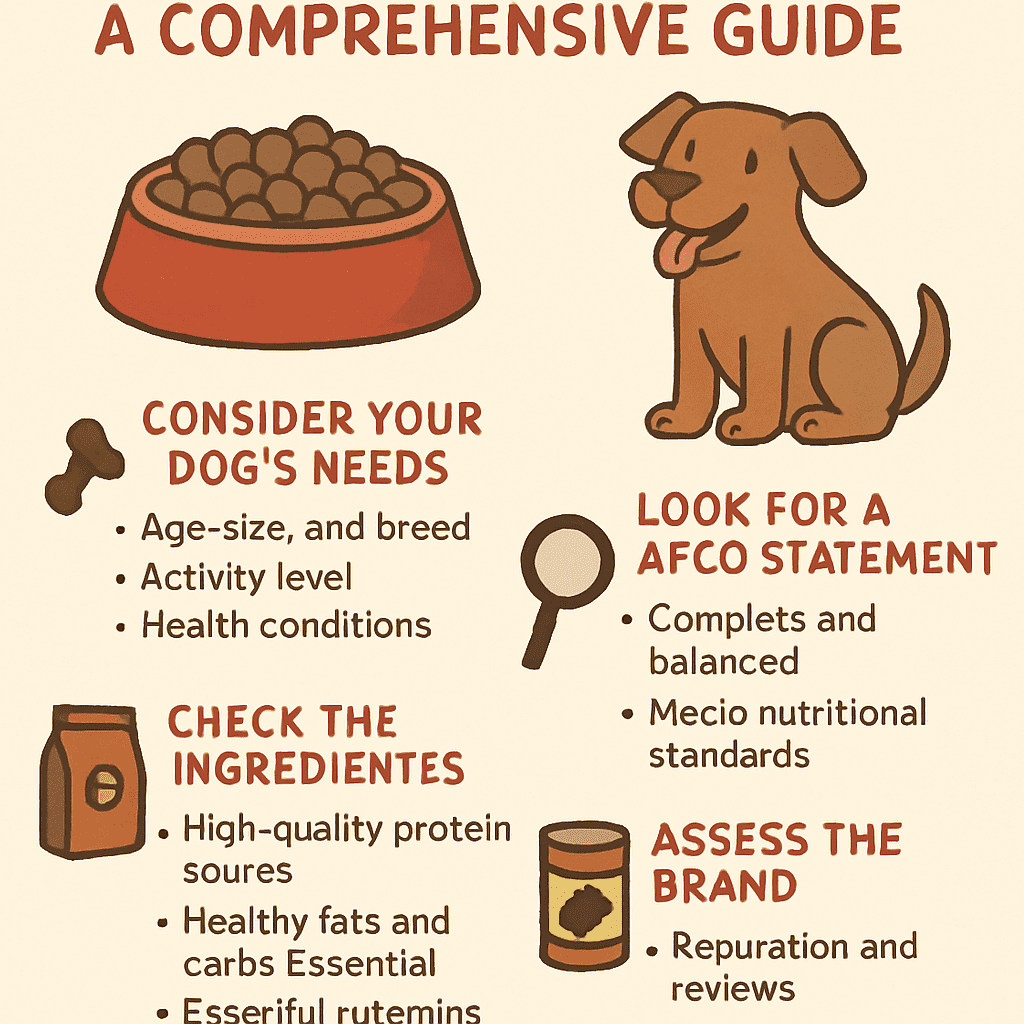
Pet food labels give important information. Check the list of ingredients first. The main ingredient should be a good source of protein like chicken or beef. Look for foods with no fillers or artificial additives.
The guaranteed analysis section shows protein, fat, and fiber amounts. Dogs need a balance of these nutrients. Avoid foods with too much fat or too little protein. The label also tells if the food meets AAFCO standards for nutrition.
Balancing Nutrients
Dogs need protein, fat, carbohydrates, vitamins, and minerals. Protein helps build muscles. Fat provides energy and supports skin health. Carbohydrates give extra energy and fiber for digestion.
Vitamins and minerals keep the immune system strong. Calcium and phosphorus help bones and teeth. A balanced diet keeps dogs active and happy. Choose foods that include these nutrients in the right amounts.
Credit: willowglenpethospital.com
Hydration Importance
Water is a vital part of a dog’s diet. It supports every cell and organ in their body. Proper hydration keeps dogs active and healthy. Without enough water, dogs can face serious health problems. Understanding hydration needs helps you care for your dog better.
Dogs lose water through breathing, sweating, and waste. They need constant access to clean water. This keeps their body temperature stable. It also aids digestion and nutrient absorption. Hydration plays a key role in overall wellness.
Water Needs
Dogs need about one ounce of water per pound of body weight daily. Active dogs or those in hot weather may need more. Puppies and nursing mothers require extra water too. Always provide fresh, clean water in a bowl. Change it several times a day to keep it appealing. Avoid letting your dog drink from stagnant or dirty sources.
Signs Of Dehydration
Watch for dry nose and gums in your dog. Sunken eyes or lethargy can also signal dehydration. Loss of skin elasticity is another clear sign. To test, gently pinch the skin on the neck. If it doesn’t snap back quickly, your dog needs water. Severe dehydration requires immediate veterinary care.
Supplements And Treats
Supplements and treats play an important role in a dog’s diet. They can support health and add variety. But not all dogs need supplements. Choosing the right treats is also key. It helps keep dogs happy and healthy.
When To Use Supplements
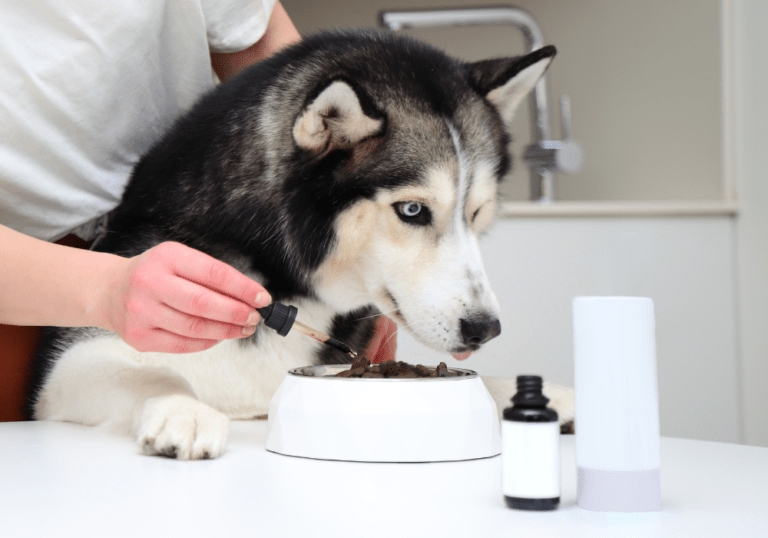
Supplements help fill gaps in a dog’s diet. Dogs with certain health issues may need extra nutrients. Older dogs often benefit from joint supplements. Puppies may require vitamins to grow strong. Always ask a vet before giving supplements. Too many supplements can cause harm. Use them only when necessary for best results.
Healthy Treat Options
Healthy treats are good for training and rewards. Choose treats made from natural ingredients. Small pieces of cooked chicken or carrots work well. Avoid treats with artificial colors or sugar. Dental chews can help clean teeth. Keep treats low in calories to prevent weight gain. Treats should support a balanced diet, not replace it.
Credit: dogfoodsy.com
Feeding Tips And Best Practices
Feeding dogs properly supports their health and happiness. Good feeding habits help maintain energy and avoid health problems. Understanding the right meal times and safe foods is key to good care.
Meal Frequency And Portion Control
Most adult dogs do well with two meals a day. Puppies need more frequent feeding, usually three to four times daily. Measure food portions to prevent overeating or underfeeding. Follow your vet’s advice on portion size based on your dog’s weight and activity. Regular feeding times help dogs feel secure and support digestion.
Avoiding Toxic Foods
Many common human foods can harm dogs. Chocolate, grapes, onions, and garlic are toxic and must be avoided. Avoid foods with artificial sweeteners like xylitol. Keep trash and food scraps out of reach. Always check ingredients before feeding new treats or table scraps. Quick action can save your dog from serious illness if toxic foods are eaten.
Frequently Asked Questions
What Are The Essential Nutrients Dogs Need Daily?
Dogs require proteins, fats, carbohydrates, vitamins, and minerals daily. Proteins build muscles, fats provide energy, and carbs support digestion. Vitamins and minerals help in overall health and immunity. Balanced nutrition ensures your dog stays active and healthy.
How Much Protein Should A Dog Consume?
Dogs need about 18-25% protein in their diet. Puppies and active dogs may require more. High-quality animal protein sources like chicken, beef, and fish are best. Protein supports muscle growth, repair, and overall health.
Can Dogs Eat Carbohydrates Safely?
Yes, dogs can safely eat carbohydrates in moderation. Carbs provide energy and fiber for digestion. Good sources include rice, sweet potatoes, and oats. Avoid excessive carbs to prevent weight gain and related health issues.
Why Are Fats Important For Dogs?
Fats are crucial for energy, skin health, and brain function. They also help absorb fat-soluble vitamins. Omega-3 and Omega-6 fatty acids promote a shiny coat and reduce inflammation. Ensure your dog’s diet contains healthy fats.
Conclusion
Dogs need balanced meals to stay healthy and happy. Proteins, fats, vitamins, and minerals all play key roles. Fresh water is just as important every day. Tailor food amounts to your dog’s age and size. Watch for signs of allergies or digestive issues.
Regular vet visits help keep nutrition on track. Good food supports energy, growth, and a shiny coat. Feeding your dog well shows you care deeply. Simple steps lead to a long, joyful life for your pet. Remember, healthy dogs are happy dogs.