Are you unsure if your dog is getting the right amount of food and nutrients? Knowing how to calculate your dog’s nutritional needs is key to keeping them healthy and happy.
Every dog is unique, and their diet should match their age, size, activity level, and health. You’ll discover simple steps to figure out exactly what your furry friend needs. By the end, you’ll feel confident about feeding your dog the perfect meal every time.
Keep reading to unlock the secrets to your dog’s best nutrition!
Factors Affecting Nutritional Needs
Several factors influence a dog’s nutritional needs. These factors help determine how much food and what type of nutrients your dog requires daily. Understanding these elements ensures your dog stays healthy and active. Each dog’s needs can be very different, depending on these factors.
Breed And Size
Different breeds have different energy levels and body sizes. Large breeds need more calories but specific nutrients to support bones. Small breeds eat less but need nutrient-dense food. Breed traits can affect metabolism and digestion too.
Age And Life Stage
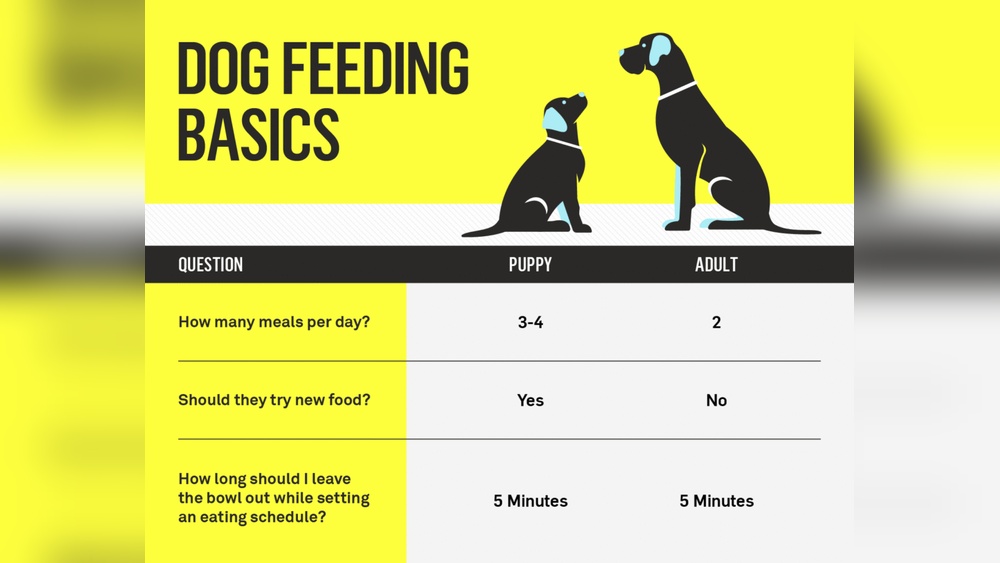
Puppies need more nutrients for growth and development. Adult dogs require maintenance calories to stay fit. Senior dogs often need fewer calories but more joint support. Nutritional needs change as dogs age.
Activity Level
Active dogs burn more calories and need more energy. Working dogs or those who exercise daily need extra protein and fat. Less active or indoor dogs need fewer calories to avoid weight gain. Activity influences how much and what type of food is best.
Health Conditions
Health problems affect dietary needs significantly. Dogs with allergies need special hypoallergenic food. Dogs with kidney or liver issues require tailored diets. Always consider health status when planning your dog’s nutrition.

Credit: www.petobesityprevention.org
Key Nutrients For Dogs
Dogs need many nutrients to stay healthy and active. These nutrients give them energy, support growth, and keep their body working well. Knowing the key nutrients helps you feed your dog the right amount of food. This section explains the main nutrients dogs need every day.
Proteins And Amino Acids
Proteins are the building blocks for muscles and tissues. Dogs need high-quality protein to repair their body and grow strong. Amino acids are parts of proteins. Some amino acids dogs cannot make themselves and must get from food. Meat, fish, and eggs are good protein sources.
Fats And Fatty Acids
Fats give dogs energy and help absorb vitamins. They also keep their skin and coat healthy. Essential fatty acids like omega-3 and omega-6 support the immune system. Good fat sources include fish oil, chicken fat, and flaxseed.
Carbohydrates
Carbohydrates provide quick energy for dogs. They help keep the digestive system working well. Sources of carbohydrates include rice, oats, and vegetables. Carbs should be part of a balanced diet but not the main focus.
Vitamins And Minerals
Vitamins and minerals support many body functions. They help with bone growth, nerve function, and blood health. Dogs need vitamins A, D, E, and B-complex, plus minerals like calcium and iron. These come from meat, vegetables, and supplements if needed.
Water Requirements
Water is vital for every dog. It helps with digestion, temperature control, and removing waste. Dogs should always have fresh water available. The amount depends on size, activity, and weather. A good rule is to give about one ounce per pound daily.
Calculating Caloric Needs
Calculating the right calories for your dog is key to keeping them healthy. Dogs need energy from food to stay active and grow. Too many or too few calories can cause problems. Understanding how to find the right amount helps you feed your dog well.
Resting Energy Requirement (rer)
RER is the energy a dog uses at rest. It means the calories needed for basic body functions. The formula is simple: 70 times the dog’s weight in kilograms raised to the 0.75 power. This number shows the minimum calories your dog needs.
Maintenance Energy Requirement (mer)
MER adjusts the RER for daily life. It includes energy for walking, playing, and normal activities. Multiply the RER by a factor based on your dog’s lifestyle. For example, a sedentary dog uses 1.2 times RER. Active dogs need more, up to 2 times RER.
Adjusting For Activity And Health
Activity level changes calorie needs. Puppies and working dogs burn more energy. Older or sick dogs may need fewer calories. Adjust the MER to fit your dog’s health and daily routine. Watch their weight and energy to find the right balance.

Credit: ipickpet.com
Choosing The Right Food
Choosing the right food is key to meeting your dog’s nutritional needs. It affects their energy, health, and happiness. The right food supports strong muscles, a shiny coat, and good digestion. This section helps you find the best food for your dog’s unique needs.
Commercial Dog Food Labels
Read the labels carefully. Look for ingredients like meat, grains, and vegetables. Check the guaranteed analysis for protein, fat, and fiber levels. Make sure the food meets AAFCO standards for complete nutrition. Avoid foods with too many fillers or artificial additives.
Homemade Diet Considerations
Homemade diets let you control every ingredient. Use fresh meats, vegetables, and grains. Balance protein, fats, and carbs to meet your dog’s needs. Consult a vet or pet nutritionist to ensure the diet is safe and complete. Avoid harmful foods like onions, grapes, and chocolate.
Supplement Use
Supplements can fill nutritional gaps. Omega-3 fatty acids support skin and coat health. Probiotics help digestion and gut health. Use supplements only if your vet approves. Too many can cause harm or imbalance in your dog’s diet.
Monitoring And Adjusting Diet
Monitoring and adjusting your dog’s diet is key to keeping them healthy and happy. Dogs’ nutritional needs can change as they grow, age, or change activity levels. Regular checks help catch issues early and ensure your dog gets the right nutrients. This section explains how to track your dog’s health and adjust their diet properly.
Tracking Weight And Body Condition
Weigh your dog weekly or monthly to see changes. Use a body condition score chart to assess fat and muscle. Feel your dog’s ribs; they should be easy to feel but not visible. A healthy dog has a waist when viewed from above. Record weight and condition to notice trends over time.
Recognizing Nutritional Deficiencies
Watch for signs like dull coat, dry skin, or low energy. Poor growth or muscle loss can also signal missing nutrients. Digestive issues like diarrhea or vomiting might mean diet problems. Check if your dog refuses food or eats too much. Early signs help fix diet before problems worsen.
When To Consult A Veterinarian
Visit a vet if weight changes suddenly without reason. Seek help if your dog shows illness or unusual behavior. A vet can test for vitamin or mineral deficiencies. They advise on supplements or special diets if needed. Regular vet check-ups support your dog’s nutrition and health.

Credit: www.homeskooling4dogs.com
Frequently Asked Questions
How Do I Determine My Dog’s Daily Calorie Needs?
Calculate your dog’s daily calories based on weight, age, activity, and metabolism. Use online calculators or consult a vet for accuracy.
What Nutrients Are Essential For A Balanced Dog Diet?
Dogs need proteins, fats, carbohydrates, vitamins, and minerals. Balanced nutrition supports growth, energy, and overall health.
How Does My Dog’s Age Affect Its Nutritional Needs?
Puppies require more protein and calories for growth, while seniors need fewer calories but more fiber and joint support nutrients.
Can I Use Weight To Calculate My Dog’s Food Portion?
Yes, weight helps estimate food quantity. Adjust portions based on activity level, breed, and health status for best results.
Conclusion
Calculating your dog’s nutritional needs helps keep them healthy and happy. Each dog is unique, so feeding amounts vary. Consider age, weight, activity, and health carefully. Use reliable sources or ask a vet for guidance. Feeding the right nutrients supports growth and energy.
Regularly check your dog’s weight and adjust food as needed. Balanced nutrition leads to a longer, better life for your pet. Keep learning and observing to meet your dog’s needs well. Simple steps make a big difference in their well-being.