

Are you curious about which dog breeds have a reputation for being the meanest? Whether you’re thinking about bringing a dog into your home or just want to understand more about canine behavior, knowing which breeds are often seen as aggressive can help you make smarter decisions.
This isn’t just about fear—it’s about safety, trust, and finding the right match for your lifestyle. Keep reading to discover the truth behind the meanest dog breeds and what you should really watch out for. Your next dog—or your safety—might depend on it.
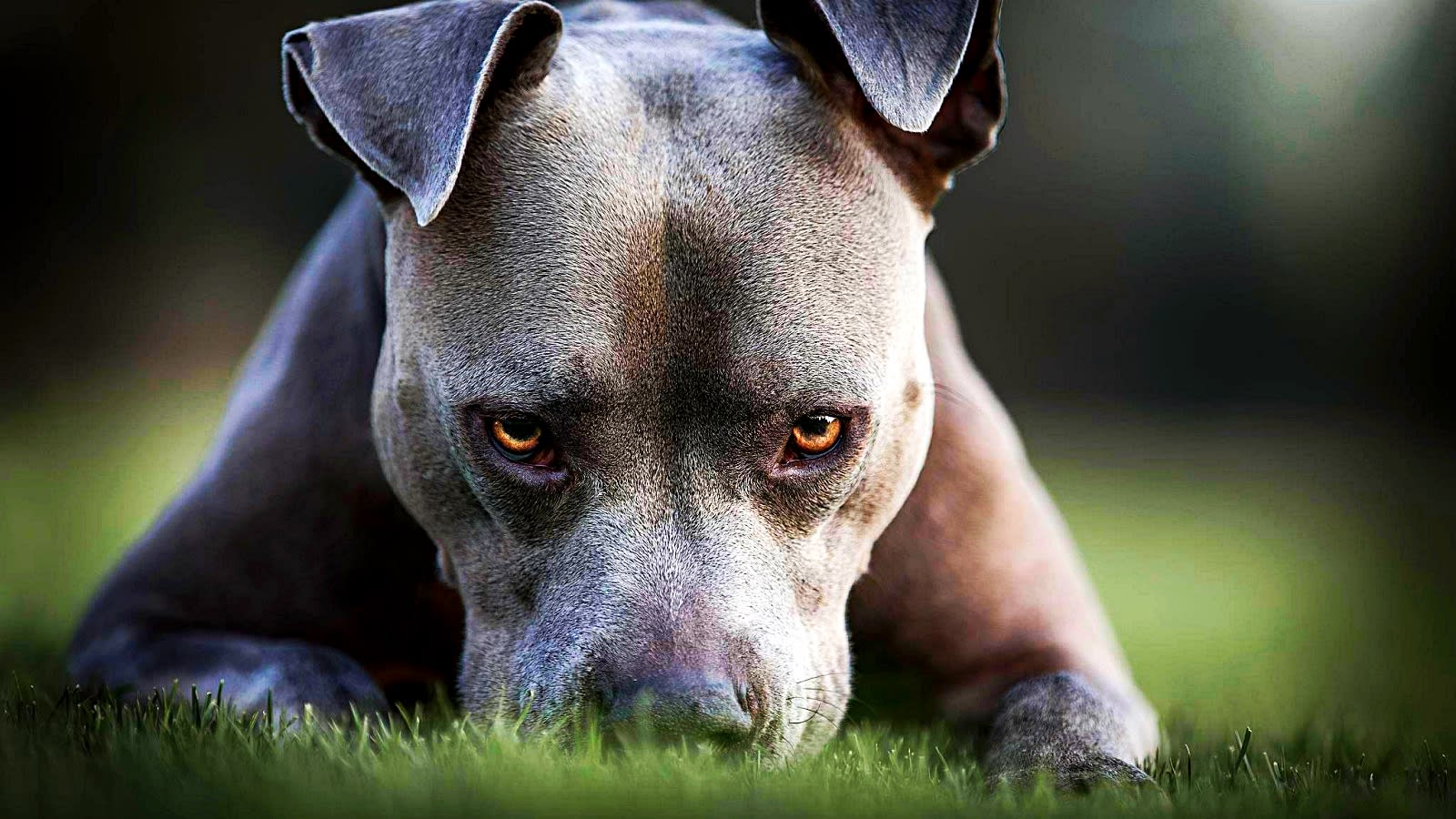
Credit: pethelpful.com
Traits Linked To Aggression
Aggression in dogs comes from many traits. Some of these traits are natural. Others develop because of the dog’s life experiences. Understanding these traits helps explain why some dogs act mean.
Not all dogs of certain breeds are aggressive. Traits linked to aggression depend on several key factors. These include genetics, environment, and training.
Genetic Influences
Genes can affect a dog’s behavior. Some breeds inherit traits that make them more alert or protective. These traits can sometimes lead to aggressive actions.
Breeds bred for guarding or hunting may have stronger aggression traits. Still, genetics alone do not decide behavior. It is one part of a bigger picture.
Environmental Factors
A dog’s surroundings shape its behavior greatly. Stress, fear, or poor living conditions can increase aggression. Dogs kept isolated or abused often show more mean behavior.
Positive environments help dogs feel safe and calm. This lowers the chance of aggressive acts. The way a dog lives matters as much as its breed.
Training And Socialization Impact
Training teaches dogs how to behave around people and other animals. Good socialization helps dogs learn to trust and stay calm. Without this, dogs may react with fear or aggression.
Early and consistent training reduces aggressive tendencies. It builds confidence and control in dogs. Proper training is key to managing aggression, regardless of breed.
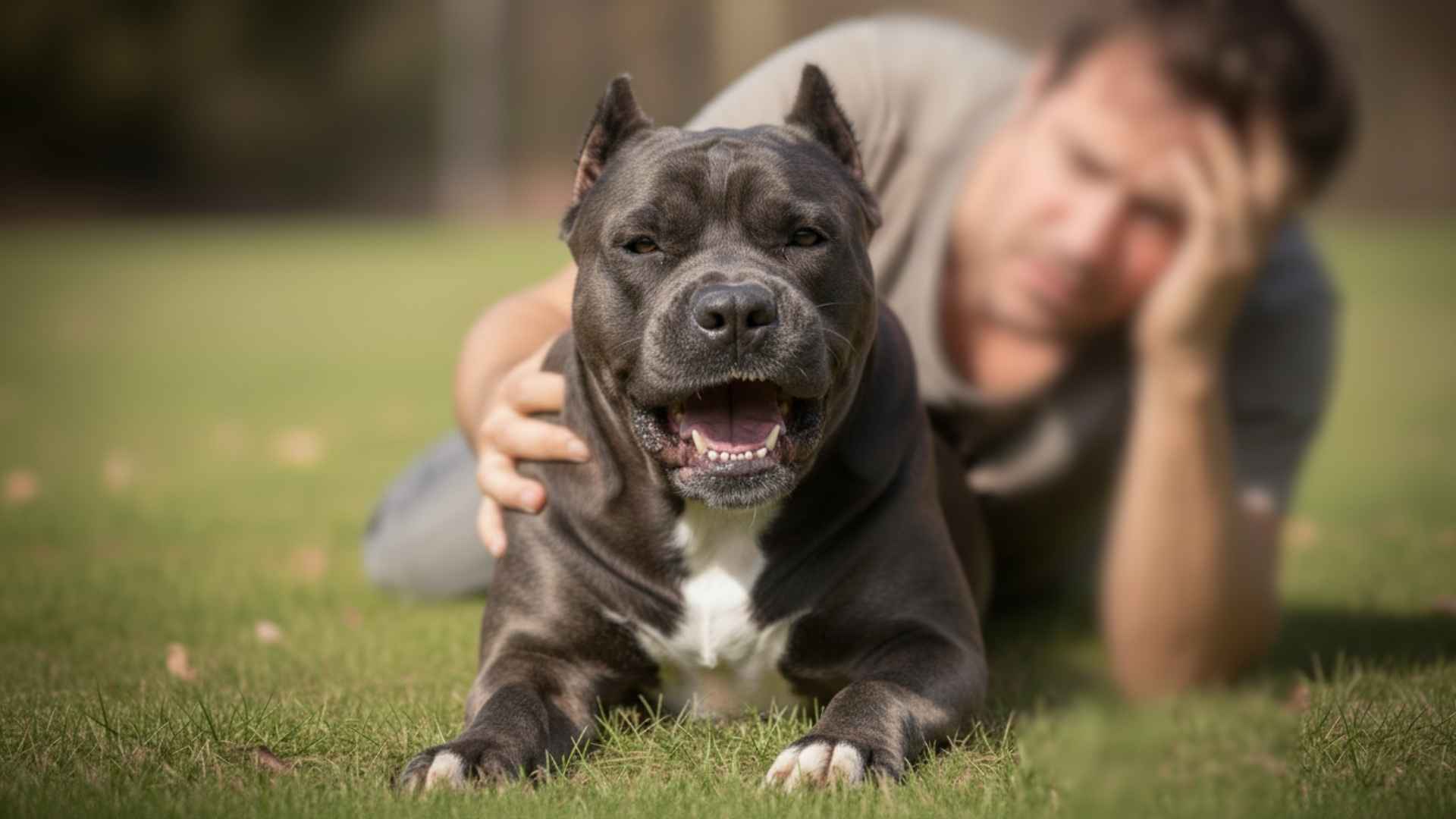
Credit: worldanimalfoundation.org
Top Aggressive Dog Breeds
Some dog breeds have a reputation for being more aggressive than others. This reputation often comes from their history, training, and behavior. Understanding these breeds can help owners handle them better. It also helps in making safe choices for families and communities.
Breed Profiles
Certain breeds often appear on lists of aggressive dogs. Pit Bulls are known for their strength and protective nature. Rottweilers have a strong guarding instinct. German Shepherds are loyal but can be wary of strangers. Doberman Pinschers are alert and can be defensive. Each breed has traits shaped by their purpose and breeding.
Behavioral Tendencies
Aggression in dogs can show in many ways. Some dogs bark and growl to warn others. Others may snap or bite if scared or threatened. Poor socialization increases aggressive behavior. Training and environment play big roles in how a dog acts. Many aggressive acts are reactions, not the dog’s true nature.
Common Misconceptions
Many people think certain breeds are always dangerous. This is not true. Aggression depends on many factors, not just breed. A well-trained dog can be gentle and calm. Fear, pain, or bad experiences cause most aggression. Blaming a whole breed ignores the real reasons behind behavior.
Assessing Aggression Risks
Assessing aggression risks in dog breeds helps owners keep their pets and others safe. Not all dogs labeled as “mean” show aggression the same way. Understanding behavior signs, triggers, and owner roles is key to managing risks. This knowledge helps prevent bites and builds better relationships between dogs and people.
Recognizing Warning Signs
Dogs show many signs before they act aggressively. Growling, baring teeth, and stiff body posture are common warnings. Ears pinned back and intense staring also signal discomfort. Recognizing these signs early helps avoid dangerous situations. Respecting a dog’s space at these moments is important.
Situational Triggers
Some events make dogs feel scared or threatened. Loud noises, sudden movements, and unfamiliar people can trigger aggression. Dogs may also react if they protect food or toys. Changes in routine or pain can increase their stress. Knowing what triggers a dog helps prevent aggressive acts.
Owner Responsibility
Owners play a big role in managing dog aggression. Training and socializing dogs early reduces fear and anxiety. Consistent rules and gentle guidance build trust. Owners must watch their dogs and act if warning signs appear. Proper care and attention help dogs feel safe and calm.
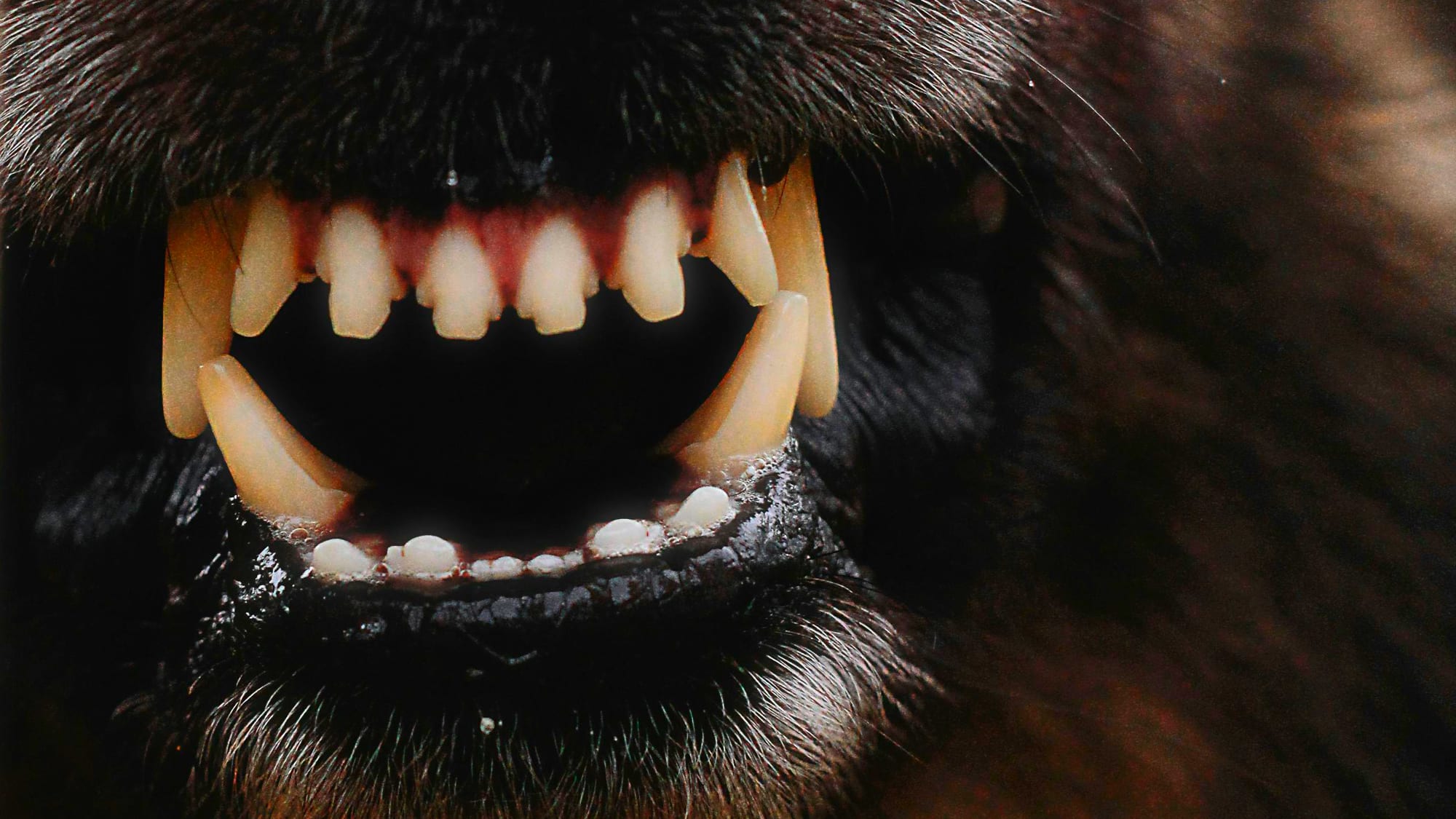
Credit: pethelpful.com
Managing Aggressive Behavior
Managing aggressive behavior in dogs is important for safety and harmony. Aggression can be challenging, but with the right steps, it can improve. Understanding how to control aggressive actions helps protect both dogs and people. Patience and consistency are key in this process.
Training Techniques
Training helps change aggressive behavior over time. Use positive reinforcement to reward good actions. Avoid harsh punishments that may increase fear or anger. Teach basic commands like sit, stay, and come. Regular practice builds trust between dog and owner. Socialize dogs with other animals and people carefully.
Professional Help
Some dogs need expert support for aggression. A certified trainer or behaviorist can guide you. They identify the root cause of aggression. They create a plan tailored to your dog’s needs. Professionals teach safe ways to manage and reduce aggression. Early intervention often leads to better results.
Safe Handling Practices
Always handle aggressive dogs with care. Use a leash and muzzle if needed. Avoid sudden movements that may startle the dog. Keep calm and speak softly to ease tension. Never leave aggressive dogs alone with children or strangers. Creating a safe space helps dogs feel secure.
Choosing The Right Dog
Choosing the right dog is a big step. It affects your daily life and happiness. Dogs need care, time, and patience. Picking a breed that fits your lifestyle helps avoid problems. Some dogs are more active, some are calm. Some dogs need lots of training, others are easier to handle. Knowing what suits you is key for a happy home.
Matching Temperament And Lifestyle
Each dog breed has its own mood and habits. Some dogs are gentle and friendly. Others can be protective or stubborn. Think about your daily routine. Do you like quiet time or outdoor fun? Active dogs need exercise every day. Calm dogs fit better in quiet homes. Choose a dog that matches your energy and time.
Considerations For Families
Families with children need careful choices. Kids need safe and patient dogs. Some breeds are great with kids. Others may be less tolerant or nervous. Watch how dogs react to noise and quick moves. Dogs that are gentle, friendly, and easy to train work best. Always supervise kids and dogs together. Teach children how to treat dogs kindly.
Alternatives To Aggressive Breeds
Some breeds have a reputation for being mean. But not all dogs act the same. Training and socializing matter a lot. Many gentle breeds make great pets. Look for breeds known for kindness and calmness. Mixed breeds often have balanced temperaments. Rescue dogs can be loving and loyal. Choose dogs with good behavior, not just breed names.
Frequently Asked Questions
Which Dog Breeds Are Considered The Meanest?
Breeds like the Doberman Pinscher, Rottweiler, and Chow Chow are often labeled mean due to their protective nature. However, behavior varies by training and environment. Proper socialization can reduce aggression in any breed.
Why Do Some Dog Breeds Act Aggressively?
Aggression in dogs often stems from fear, territorial instincts, or lack of socialization. Genetics may play a role, but upbringing is crucial. Training and early exposure to different environments help minimize aggressive tendencies.
Can Mean Dog Breeds Be Good Family Pets?
Yes, with proper training and socialization, mean-typed breeds can be loyal family pets. Responsible ownership ensures they are well-behaved and safe around children and other animals.
How Can I Train An Aggressive Dog Breed?
Consistent, positive reinforcement training and early socialization are key. Avoid harsh punishment, as it increases aggression. Professional trainers can help manage and improve aggressive behaviors effectively.
Conclusion
Some dog breeds may seem mean, but behavior depends on care. Training and socializing shape dogs more than breed alone. Every dog needs patience, love, and clear rules. Understanding a breed helps, but kindness matters most. Choose a dog with your lifestyle in mind.
Safety and happiness come from respect and effort. Mean or not, dogs thrive with proper guidance. Treat dogs well, and they become loyal friends.


