

Are you curious about which dog breeds have a reputation for being the most aggressive? Understanding this can help you make smarter choices for your family and home.
Knowing the facts behind these breeds can protect you, your loved ones, and even the dogs themselves. You’ll discover which breeds are known for their aggressive tendencies, what triggers their behavior, and how to handle them safely. Keep reading—this knowledge could make all the difference in your next encounter with a dog.
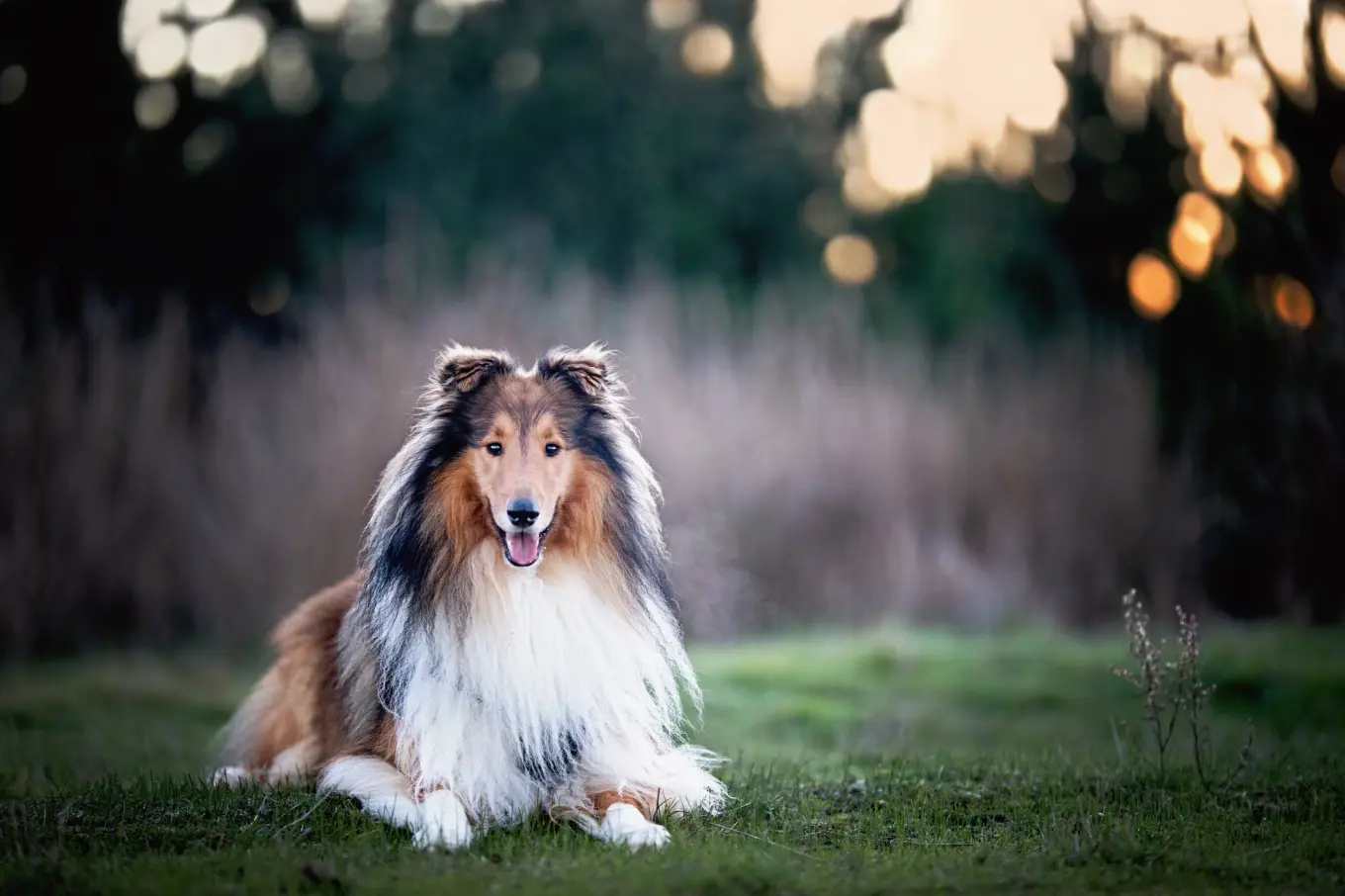
Credit: www.newsweek.com
Traits Of Aggressive Dogs
Aggressive dogs show certain traits that can help identify their behavior early. Recognizing these traits helps prevent problems and keeps everyone safe. These dogs may act out due to fear, protection, or pain. Understanding the root causes is key to managing aggression. Below are common triggers and signs to watch for, plus genetic factors that influence aggression.
Common Aggression Triggers
Fear often causes dogs to act aggressively. They may feel threatened by strangers or loud noises. Protecting their territory or family can also trigger aggression. Pain or illness may make a dog more irritable and prone to snap. Lack of socialization during puppyhood can increase aggressive responses. Sudden movements or eye contact might be seen as threats. Each dog reacts differently to these triggers.
Behavioral Signs To Watch
Growling is a clear warning sign of aggression. Raised hackles show the dog is tense and ready to defend. A stiff body posture means the dog feels threatened. Baring teeth and snapping are serious signals to stop. Avoiding eye contact or hiding might mean fear-based aggression. Tail position can also reveal mood—low or tucked tails suggest anxiety. Observing these signs helps prevent bites or attacks.
Genetic Influences
Some dog breeds have a higher tendency for aggression due to genetics. Breeds bred for guarding or fighting may show more aggressive traits. Genetics influence temperament, but environment shapes behavior too. Early training and socialization can reduce inherited aggression. Responsible breeding focuses on calm, stable dogs. Knowing a dog’s breed history can help predict potential aggression risks.
Top Aggressive Dog Breeds
Some dog breeds are known for their strong protective instincts. These breeds often show aggressive behavior if not trained well. Understanding which breeds are most aggressive helps owners manage them better. Here are some of the top aggressive dog breeds that are often mentioned.
Pit Bull Terrier
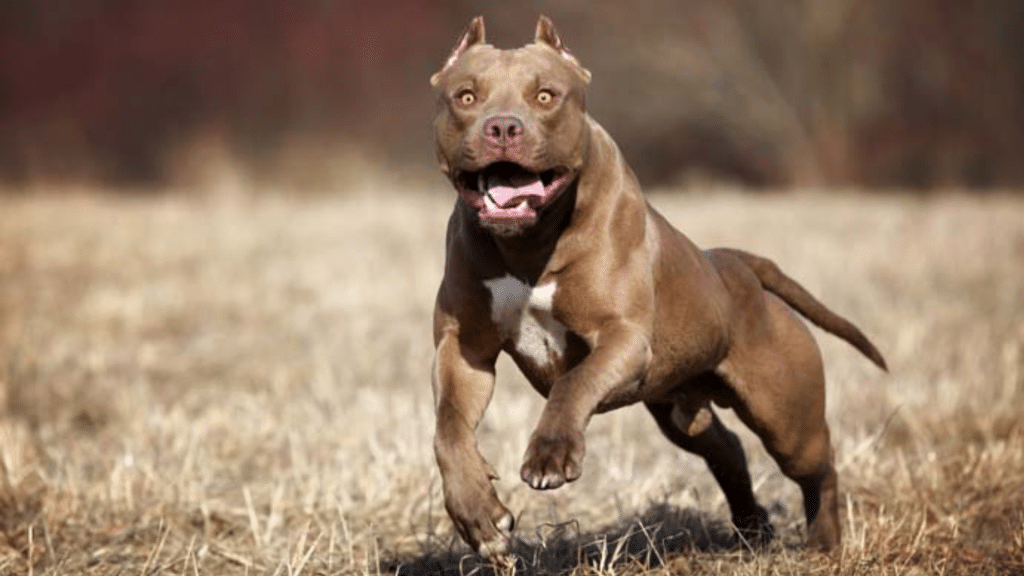
Pit Bull Terriers have a muscular build and high energy. They can be very loyal but may show aggression without proper socialization. Many attacks involve this breed due to their strength and tenacity. Early training and clear rules are crucial for this breed.
Rottweiler
Rottweilers are large and powerful dogs. They are naturally protective of their family and territory. This breed may act aggressive if it senses danger. Consistent training is important to control their protective nature.
German Shepherd
German Shepherds are smart and loyal working dogs. They often serve in police and military roles. Their protective instincts can lead to aggressive behavior. Proper training helps them stay calm and focused.
Doberman Pinscher
Dobermans are alert and fast. They are known for guarding homes and people. This breed can be aggressive if not socialized early. Training and exercise reduce their aggressive tendencies.
Chow Chow
Chow Chows have a strong-willed personality. They can be suspicious of strangers and other animals. This breed may show aggression if it feels threatened. Early socialization is key for a well-behaved Chow Chow.
Factors Affecting Dog Aggression
Dog aggression depends on many factors beyond breed. Understanding these can help manage behavior better. Aggression often arises from a mix of training, environment, and health. Each factor plays a key role in shaping a dog’s temperament and reactions.
Training And Socialization
Proper training helps dogs learn acceptable behavior. Early socialization introduces dogs to new people and animals. Lack of socialization can lead to fear and aggression. Consistent training builds trust and respect between owner and dog. Positive reinforcement encourages calm and friendly behavior.
Environment And Upbringing
A dog’s surroundings affect its mood and reactions. Stressful or chaotic homes can increase aggression. Dogs raised in loving, stable environments tend to be calmer. Exposure to different sounds and sights helps reduce fear. Neglect or abuse often leads to defensive aggression.
Health And Pain Issues
Pain or illness can make dogs irritable and aggressive. Dental problems, injuries, or chronic pain may trigger sudden aggression. Regular vet checkups help identify hidden health issues. Treating pain often improves a dog’s behavior. Always consider health when addressing aggression problems.
Managing Aggressive Dogs Safely
Managing aggressive dogs safely is very important for the safety of people and pets. Aggressive behavior can cause serious problems if not handled properly. Understanding the right ways to control and reduce aggression helps create a calm and safe environment.
Proper management starts with clear training and knowing when to seek help. Taking simple steps can prevent many dangerous situations. Safety must be the top priority for every dog owner.
Training Techniques
Training helps dogs learn good behavior and control impulses. Use positive reinforcement to reward calm and obedient actions. Teach basic commands like “sit,” “stay,” and “leave it.” Keep training sessions short and consistent. Avoid punishment, as it may increase aggression. Socializing dogs early helps reduce fear and stress. Practice controlled exposure to new people and animals. Patience and consistency build trust and reduce aggressive responses.
Professional Help And Resources
Some aggressive dogs need expert help. Animal behaviorists and trainers specialize in aggression issues. They create safe plans to modify behavior. Veterinarians can check for medical causes of aggression. Group classes provide socialization under supervision. Support groups and online forums offer advice and shared experiences. Early intervention improves chances of success. Never try to handle severe aggression alone.
Preventive Measures
Prevent aggression before it starts with good care. Provide enough exercise and mental stimulation daily. Keep dogs on a leash or in secure areas. Avoid situations known to trigger aggression. Teach family members to respect the dog’s space. Use tools like muzzles when needed for safety. Stay calm and confident around your dog. Prevention reduces stress and lowers the chance of bites or fights.
Myths About Aggressive Breeds
Many people believe some dog breeds are naturally aggressive. This idea causes fear and misunderstanding. It is important to separate fact from fiction. Aggression depends on many things, not just breed. Understanding these myths helps us treat dogs fairly and safely.
Breed Vs. Individual Behavior
Dogs have unique personalities. Not all dogs of a breed act the same. Some dogs are calm and friendly, others may be nervous or shy. Aggression is often a result of training and environment. Focusing only on breed ignores a dog’s individual nature.
Media Influence
The media often highlights attacks by certain breeds. This coverage makes these dogs seem more dangerous than others. Stories about dog bites with breed names catch attention quickly. This creates a false link between breed and aggression. Media can shape public opinion unfairly.
Legal And Insurance Perspectives
Some laws target specific dog breeds. These laws try to reduce attacks but may not be effective. Insurance companies sometimes charge more for certain breeds. This is based on statistics, not the dog’s behavior. Laws and policies can reinforce breed stereotypes unfairly.
Credit: www.goldendailyscoop.com

Credit: dogbreedtype.com
Frequently Asked Questions
What Makes A Dog Breed Aggressive?
Aggression in dog breeds often stems from genetics, training, and socialization. Some breeds have a higher tendency due to their history or purpose. Proper training and early socialization can reduce aggressive behaviors regardless of breed.
Which Dog Breeds Are Most Aggressive?
Commonly cited aggressive breeds include Pit Bulls, Rottweilers, German Shepherds, and Doberman Pinschers. These breeds can show aggression if poorly trained or socialized but can be friendly with proper care.
Can Aggressive Dog Breeds Be Trained?
Yes, aggressive dog breeds can be trained effectively. Consistent training, positive reinforcement, and socialization from an early age help manage and reduce aggression. Professional training may be necessary for some dogs.
How To Safely Handle An Aggressive Dog Breed?
Approach aggressive dogs calmly and avoid sudden movements. Use protective gear if necessary and never provoke the dog. Seek professional help for training and behavior modification to ensure safety.
Conclusion
Aggressive dog breeds need careful training and socialization. Owners must understand each breed’s nature well. Responsible care helps keep dogs and people safe. Every dog can show kindness with proper guidance. Choosing the right breed means matching your lifestyle. Always respect a dog’s limits and signals.
Safety and love go hand in hand with dogs. Knowing more helps you make smart decisions.


