

Are you worried about allergies but still dream of having a furry friend by your side? You’re not alone.
Many people think they have to choose between their health and the joy of owning a dog. But what if you could have both? Hypoallergenic dogs might be the perfect solution for you. These special breeds shed less and produce fewer allergens, making them easier to live with if you have sensitivities.
You’ll discover the most popular hypoallergenic dog breeds, learn what makes them unique, and find out which one could be the perfect match for your lifestyle. Keep reading to find your ideal allergy-friendly companion!
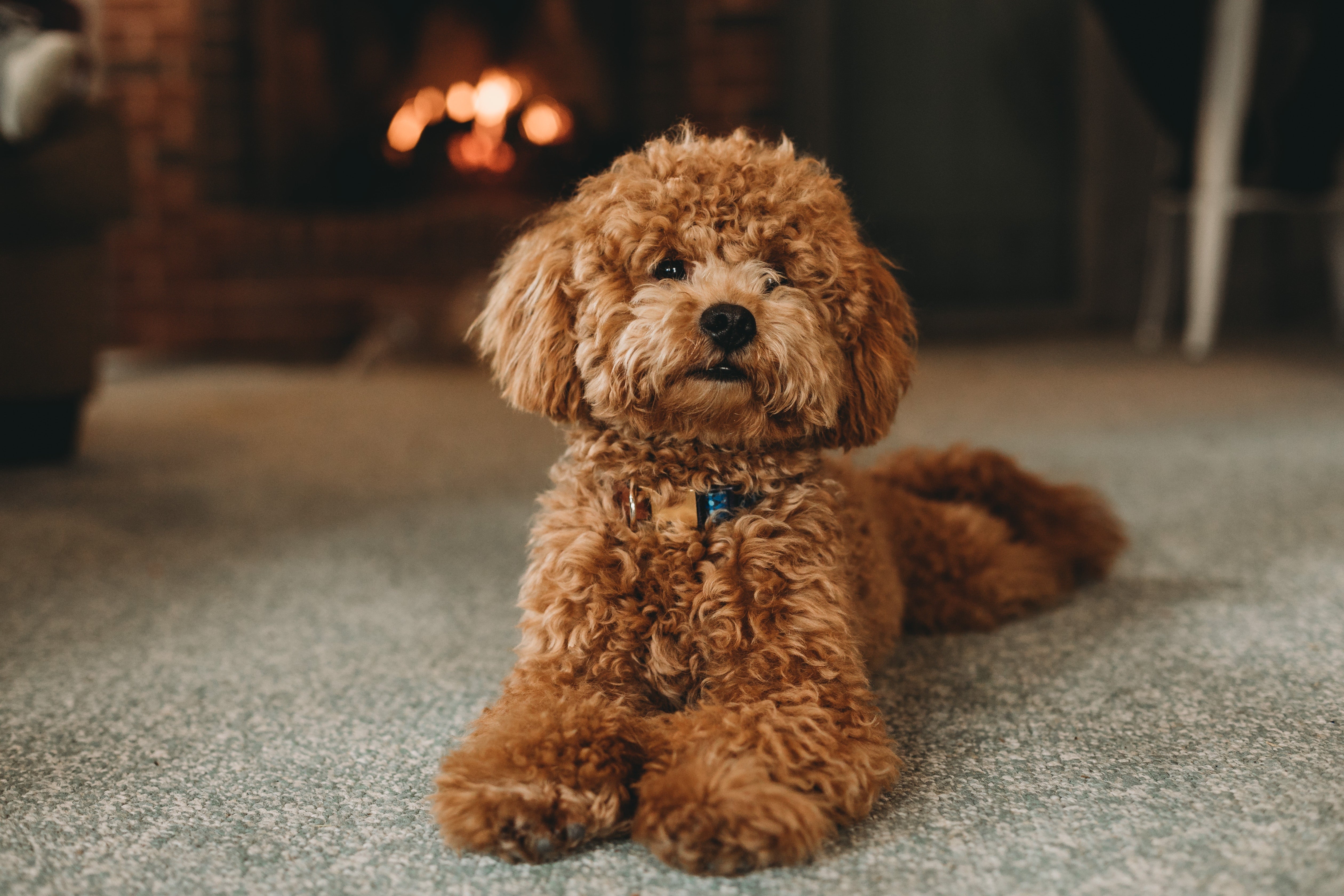
Credit: www.pethonesty.com
Traits Of Hypoallergenic Dogs
Hypoallergenic dogs have special traits that make them better for people with allergies. These dogs produce fewer allergens, which means less sneezing and itching. Understanding these traits helps in choosing the right dog for allergy sufferers. Many hypoallergenic breeds share common features that reduce allergic reactions.
Low Shedding And Dander
Shedding is a major cause of allergens in homes. Dogs that shed less spread fewer allergens through hair and skin flakes, called dander. Hypoallergenic dogs typically shed very little or not at all. This lowers the amount of dander in the air. Less dander means fewer allergy symptoms for sensitive individuals. Regular grooming also helps control dander levels.
Coat Types That Suit Allergy Sufferers
Coat type plays a big role in allergy control. Curly or wiry coats trap loose hair and dander. These coats prevent allergens from spreading easily. Some breeds have hair that grows continuously, like humans. This hair type sheds less and holds dander better. Smooth coats with little undercoat also reduce allergen spread. Choosing the right coat type reduces allergy risks.
Common Misconceptions
Many believe hypoallergenic dogs do not cause allergies at all. The truth is no dog is 100% hypoallergenic. All dogs produce some allergens, but some produce less. Another myth is that size affects allergies. Small dogs can cause just as many allergies as big ones. Understanding these facts helps set realistic expectations for allergy sufferers.
Popular Hypoallergenic Breeds
Many people want dogs but suffer from allergies. Hypoallergenic dogs are a great choice. These breeds shed less and produce fewer allergens. They make living with allergies easier.
Here are some popular hypoallergenic dog breeds. Each breed has unique traits and charm. These dogs often fit well in different homes.
Poodle Varieties
Poodles come in three sizes: standard, miniature, and toy. They have curly coats that trap dander. Poodles shed very little hair. They are smart and easy to train.
Bichon Frise
Bichon Frises have soft, curly fur that rarely sheds. They are friendly and playful dogs. Their coat needs regular grooming. They adapt well to apartment living.
Maltese
The Maltese has a long, silky coat. It sheds very little and causes less allergy. These dogs are gentle and loving. They enjoy being close to their owners.
Portuguese Water Dog
This breed has a curly or wavy coat. They shed minimally and are good for allergy sufferers. Portuguese Water Dogs are energetic and loyal. They need regular exercise and playtime.
Schnauzer
Schnauzers come in mini, standard, and giant sizes. Their wiry coat sheds little and traps allergens. They are alert, smart, and protective. Schnauzers make good family pets.
Shih Tzu
Shih Tzus have long, flowing coats that shed very little. They are affectionate and social dogs. Their hair requires regular brushing. Shih Tzus enjoy indoor play and cuddles.
Lesser-known Allergy-friendly Breeds
Many people know popular hypoallergenic dogs like Poodles and Bichon Frises. Yet, some less common breeds also cause fewer allergies. These lesser-known allergy-friendly dogs can suit many homes. They offer unique looks and traits while being good for allergy sufferers. Exploring these breeds helps find a perfect pet that fits your lifestyle.
Lagotto Romagnolo
The Lagotto Romagnolo is a small, curly-coated dog. Its dense, woolly fur sheds very little. This breed is famous for truffle hunting. Lagottos are friendly and smart, making them great pets. Their coat needs regular grooming to avoid mats. They are active and love outdoor play.
Kerry Blue Terrier
Kerry Blue Terriers have soft, wavy blue-gray coats. Their fur does not shed much, reducing allergens. These dogs are lively and loyal companions. They need daily exercise and mental challenges. Kerry Blues get along well with families. Grooming is important to keep their coat healthy.
Basenji
The Basenji has a short, fine coat that sheds little. They are known as “barkless” dogs but make other sounds. Basenjis are clean and often groom themselves like cats. This breed is energetic and curious. They require regular exercise and firm training. Basenjis suit active owners who want a unique dog.
Chinese Crested
Chinese Cresteds come in two types: hairless and powderpuff. The hairless variety has smooth skin with hair on the head, tail, and feet. This breed sheds very little and suits allergy sufferers. Chinese Cresteds are affectionate and playful. They need gentle care for their skin. These dogs enjoy close bonds with their owners.

Credit: www.chokchaimotor.com
Choosing The Right Breed
Choosing the right hypoallergenic dog breed takes thought and care. Each breed has unique traits that fit different homes and people. This choice affects daily life, happiness, and health for both owner and dog.
Lifestyle Considerations
Consider your daily routine and home space. Some breeds need lots of exercise and outdoor time. Others do well in small apartments with short walks. Think about your work hours and family members. A breed that matches your lifestyle makes care easier and keeps the dog happy.
Grooming Needs
Hypoallergenic dogs often require special grooming. Some breeds shed very little but need frequent brushing. Others need regular haircuts to prevent mats. Grooming time varies from breed to breed. Choose one whose grooming fits your schedule and budget.
Temperament And Activity Level
Each breed has a different personality and energy level. Some dogs are calm and quiet, perfect for a relaxed home. Others are playful and need constant activity. Match the breed’s temperament to your energy and family style. This helps build a strong bond and happy life together.
Managing Allergies With Dogs
Managing allergies with dogs requires careful planning and daily effort. Hypoallergenic dog breeds reduce allergy symptoms but do not eliminate them. You still need to control allergens around your home. Small changes can make a big difference for allergy sufferers. This section offers practical tips to help you live comfortably with your dog.
Cleaning And Maintenance Tips
Regular cleaning lowers pet dander in your home. Vacuum floors and furniture often using a HEPA filter. Wash your dog’s bedding every week in hot water. Brush your dog outside to remove loose fur and dander. Keep your dog out of bedrooms to limit allergen spread. Clean air filters in your home regularly for better air quality.
Allergy Medications And Treatments
Over-the-counter allergy medicines can ease symptoms. Antihistamines help reduce sneezing and itching. Nasal sprays may clear blocked noses caused by pet allergens. Consult a doctor before starting new treatments. Allergy shots are an option for long-term relief. Keep medications handy during allergy flare-ups.
Creating An Allergy-friendly Environment
Use hardwood or tile floors instead of carpets. Carpets trap pet dander and dust mites. Choose washable curtains and clean them often. Air purifiers with HEPA filters remove airborne allergens. Maintain low humidity to prevent mold and dust mites. Designate pet-free zones to reduce allergen exposure.
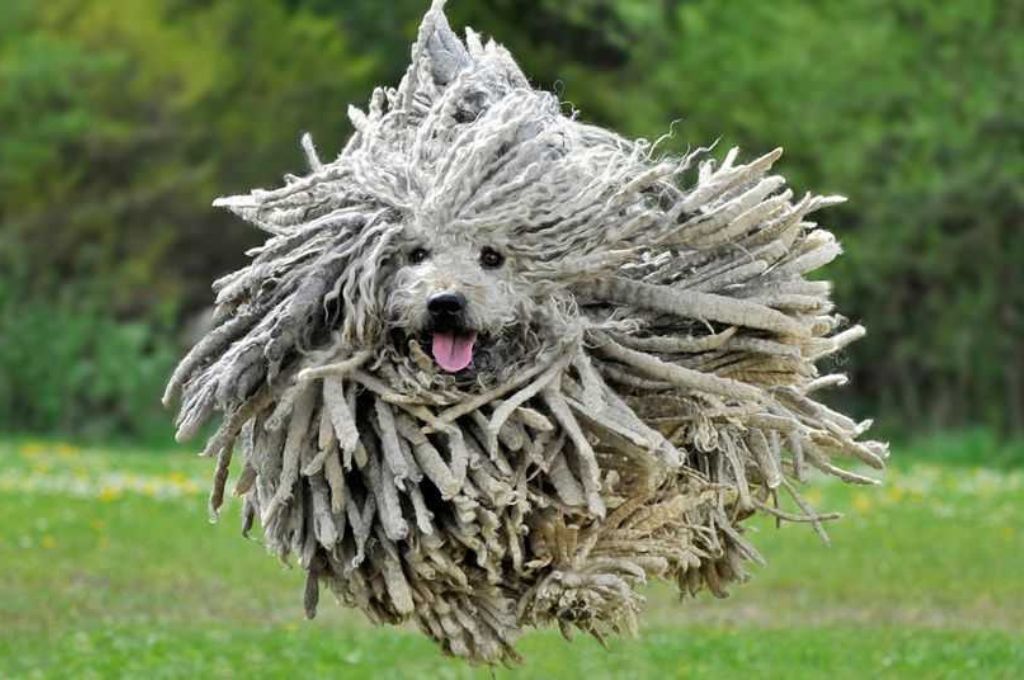
Credit: www.woofblankets.com
Frequently Asked Questions
What Makes A Dog Breed Hypoallergenic?
Hypoallergenic dogs shed less dander and hair, reducing allergens. They are suitable for people with mild allergies. However, no dog breed is completely allergen-free. Regular grooming helps minimize allergy triggers.
Which Dog Breeds Are Best For Allergy Sufferers?
Popular hypoallergenic breeds include Poodles, Bichon Frises, and Maltese. These breeds have hair that grows continuously and sheds minimally. They are friendly, adaptable, and require regular grooming to maintain coat health.
Are Hypoallergenic Dogs Low Maintenance?
Hypoallergenic dogs need regular grooming to prevent matting and reduce allergens. They may require more frequent baths and brushing than other breeds. Proper care ensures a healthy coat and a comfortable environment for allergy sufferers.
Can Children With Allergies Safely Interact With Hypoallergenic Dogs?
Yes, hypoallergenic dogs are generally safer for children with allergies. Still, individual reactions vary, so supervised interactions are important. Maintaining cleanliness and grooming reduces allergic reactions and creates a safer environment.
Conclusion
Choosing the right hypoallergenic dog breed can reduce allergy problems. Small or large, many breeds shed less hair and dander. This helps people with allergies enjoy a pet’s company. Remember, no dog is 100% allergy-free. Spending time with a dog before adopting is smart.
Each breed has its own personality and care needs. Find one that fits your lifestyle and home. Loving a dog brings joy and comfort to many lives. Start your journey with a hypoallergenic friend today.


