Are you wondering when it’s the right time to stop breeding your female dog? This is an important question that every dog breeder and pet owner needs to consider carefully.
Knowing the right age to stop breeding can protect your dog’s health and ensure she enjoys a happy, comfortable life. If you want to make the best decision for your furry friend, keep reading. This article will guide you through the key signs and expert advice to help you choose the perfect time to stop breeding your female dog.
Your dog’s well-being depends on it.

Credit: breedershacks.com
Signs Female Dogs Should Stop Breeding
Knowing when to stop breeding a female dog is important for her health and happiness. Certain signs show that it is time to end breeding. These signs help protect her from health risks and stress. Recognizing these signs early keeps your dog safe and comfortable.
Age-related Health Concerns
Older female dogs face more health problems. Their bodies do not recover as quickly after pregnancy. Risks like infections and complications increase with age. Joint pain and weaker immune systems make breeding unsafe. Stopping breeding reduces these health risks.
Behavioral Changes
Changes in behavior can mean breeding is too hard. A dog may become more tired or irritable. She might avoid male dogs or show less interest. Stress and discomfort can make her nervous or withdrawn. These behavior changes signal she needs a break from breeding.
Reproductive Cycle Patterns
Irregular or missed heat cycles are important signs. Older females may have fewer or no heat cycles. Difficulty getting pregnant or maintaining pregnancy is common. Abnormal bleeding or discharge can also occur. These changes mean the reproductive system is aging and breeding should stop.

Credit: www.wikihow.pet
Ideal Breeding Age Range
Choosing the right time to stop breeding female dogs is important for their health. The ideal breeding age range helps balance good health and strong puppies. Breeding too early or too late can cause problems for the dog and her babies.
Most experts suggest starting breeding after the dog reaches full physical maturity. This is usually between two and five years old. Stopping breeding around six to seven years old is common to avoid health risks.
Early Vs. Late Breeding Risks
Breeding a female dog too early can harm her growth and health. Young dogs may not be ready to handle pregnancy and birth. Puppies from young mothers might be weaker or have health issues.
Breeding later in life increases the chance of complications during pregnancy. Older dogs face higher risks of birth problems and poor puppy survival. Their bodies are less able to recover from the stress of breeding.
Breed-specific Considerations
Different breeds have different ideal breeding ages. Small breeds often mature faster and may breed earlier. Large breeds take longer to mature and should start breeding later.
Health problems common in certain breeds also affect breeding age decisions. Some breeds may need to stop breeding sooner to avoid passing on genetic issues. Always consider breed traits and consult a vet before breeding.
Health Risks Of Late Breeding
Breeding female dogs at an older age carries serious health risks. Age affects a dog’s body and ability to handle pregnancy. Understanding these risks helps keep dogs safe and healthy. Avoiding late breeding protects your dog from many problems.
Complications During Pregnancy
Older female dogs often face pregnancy complications. Their bodies may not support the growing puppies well. This can cause difficult labor and higher chances of stillbirth. Older dogs may need more medical care during pregnancy. This increases stress and risks for both mother and puppies.
Impact On Lifespan And Quality Of Life
Late breeding can shorten a female dog’s life. Pregnancy strains the heart, kidneys, and other organs. Recovery becomes harder with age. Chronic health problems may appear or worsen after breeding. Quality of life often declines, with less energy and more pain. Protect your dog by stopping breeding at a safe age.
Veterinary Recommendations
Veterinary advice plays a key role in deciding the best age to stop breeding female dogs. Vets guide owners on health risks and breeding limits. They help ensure the dog’s well-being and safety during breeding years.
Regular Health Screenings
Veterinarians recommend regular health checks for breeding females. These screenings catch problems early. Tests may include blood work, ultrasounds, and physical exams. Healthy dogs have a better chance for safe pregnancies. Screenings also spot issues that might affect puppies.
Frequent vet visits help track changes over time. They ensure the dog is fit for breeding each cycle. If health declines, vets advise stopping breeding. These checks protect the dog and future litters.
Spaying And Alternative Options
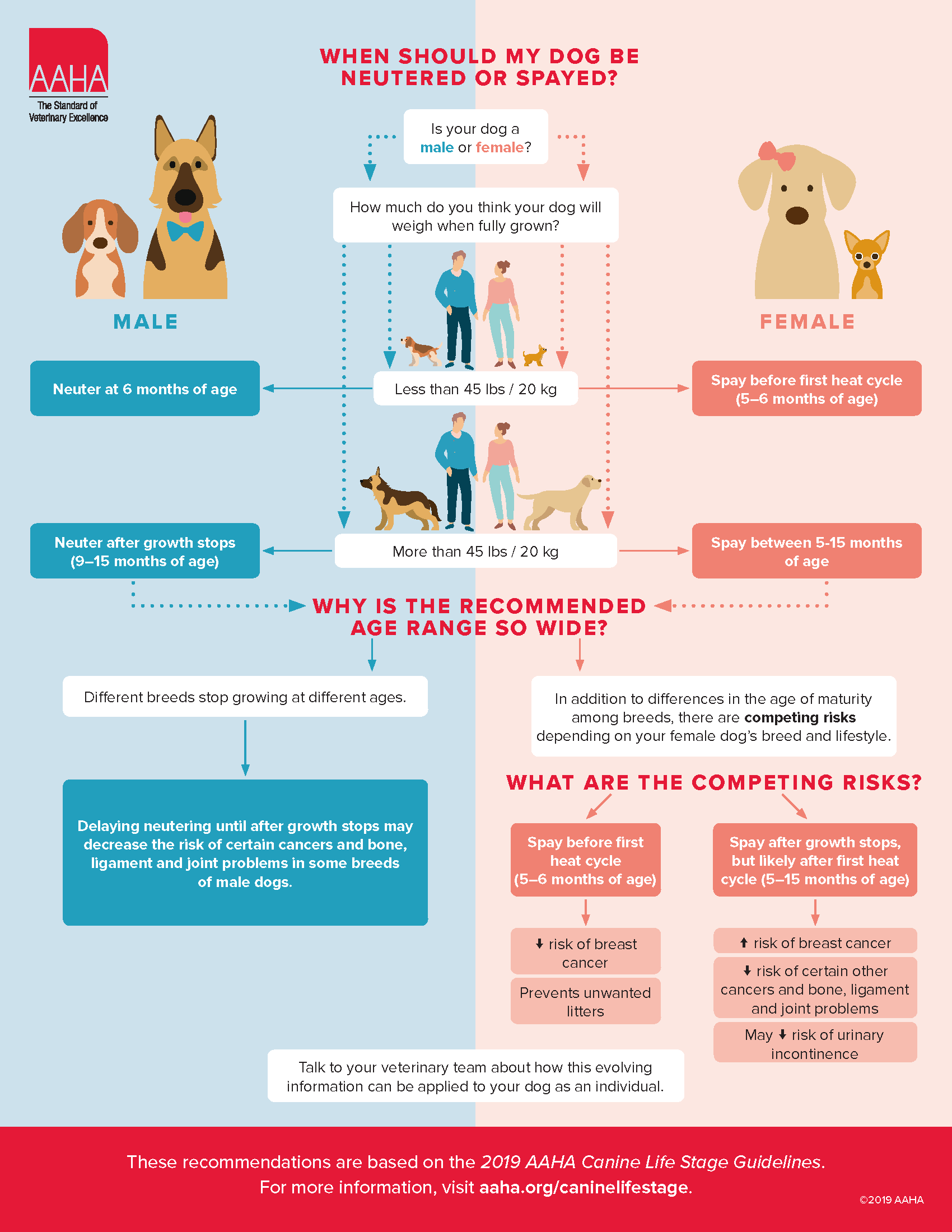
Vets often suggest spaying after a dog’s breeding years end. Spaying stops future heat cycles and unwanted pregnancies. It lowers the risk of some cancers and infections. Some owners choose alternatives like hormone treatments. These options control reproduction but need vet supervision.
Discussing all options with a vet helps owners make safe choices. Spaying or alternatives improve the dog’s long-term health after breeding.
Ethical And Practical Factors
Deciding the right age to stop breeding female dogs involves more than just numbers. Ethical and practical factors play a big role in this decision. These factors protect the health and happiness of the mother dog and her puppies. Responsible breeders think carefully about these points before deciding to breed again.
Responsible Breeding Practices
Responsible breeders keep the mother’s health as the top priority. They avoid breeding dogs that are too young or too old. Breeding at the right age helps prevent health problems. It also reduces risks during pregnancy and birth. Good breeders follow veterinary advice and breeding guidelines. This care ensures the dog stays strong and healthy over time.
Effect On Puppy Health And Welfare
The mother’s age affects the puppies’ health and chances of survival. Older female dogs may have weaker puppies or more birth complications. Breeding should stop before the mother’s health declines. This step helps ensure puppies grow well and stay healthy. Healthy mothers produce better-quality puppies with fewer health issues.
Credit: www.amcny.org
Signs To Transition Away From Breeding
Knowing when to stop breeding female dogs is important for their health. Signs to transition away from breeding help owners protect their pets. Watching these signs ensures a happy, healthy life for senior female dogs.
Physical And Behavioral Indicators
Older female dogs often show clear physical changes. Their energy levels drop and they may tire faster. Weight loss or gain can happen without change in diet. Coat quality may dull or become thin. Look for lumps or swelling in the mammary glands.
Behavior changes also signal it’s time to stop breeding. The dog may become less interested in mating. She might show irritability or anxiety. Reduced appetite is common in older females. These signs mean her body is not ready for more litters.
Adjusting Care For Senior Female Dogs
Senior female dogs need gentler care after breeding. Their diet should include more nutrients for aging bodies. Regular vet visits become more important than ever. Exercise should be mild but consistent to keep joints healthy. Provide a calm, comfortable space to rest and recover.
Avoid stressful situations that strain the dog’s health. Focus on prevention to catch problems early. Good care improves quality of life and adds years. Transitioning away from breeding is a step toward better health.
Frequently Asked Questions
At What Age Should Female Dogs Stop Breeding?
Female dogs should ideally stop breeding around 5 to 6 years old. Breeding beyond this age increases health risks for both mother and puppies. Always consult a vet to assess your dog’s health before deciding to continue breeding.
Why Is It Important To Stop Breeding Female Dogs Early?
Stopping breeding early helps prevent health complications like uterine infections and reduced fertility. It also improves the quality of life for female dogs. Responsible breeding ensures the wellbeing of both the mother and her future puppies.
Can Breeding Female Dogs After 6 Years Be Harmful?
Yes, breeding female dogs after 6 years can cause health issues. Older dogs face higher risks of pregnancy complications and weaker immune systems. It’s best to prioritize their health and consider spaying to avoid problems.
How Often Should Female Dogs Be Bred Safely?
Female dogs should be bred no more than once per heat cycle, ideally with rest periods between litters. This allows the dog to recover fully and maintain good health. Breeding frequency impacts long-term reproductive health.
Conclusion
Deciding the right age to stop breeding female dogs matters a lot. Older dogs face more health risks during pregnancy. It is best to consult a vet for advice. Watch your dog’s behavior and health closely. Respect her limits and avoid forcing breeding.
Caring for your dog means knowing when to say no. This helps keep her happy and healthy for years. A thoughtful choice benefits both you and your dog.