

Are you wondering when your furry friend should switch to adult dog food? Choosing the right time is key to keeping your dog healthy and full of energy.
Feed them too early, and they might miss out on important nutrients. Wait too long, and their growth could be affected. You’ll discover exactly when to make the change and why it matters for your dog’s wellbeing. Keep reading to learn how to give your dog the best nutrition at every stage of life.
Puppy Nutrition Basics
Puppy nutrition is key for healthy growth. Puppies need special food to support their changing bodies. Their diet helps build strong bones, muscles, and a good immune system. Feeding the right food at the right time sets the stage for a happy, healthy dog.
Growth Stages And Dietary Needs
Puppies grow fast in the first year. Their energy needs are higher than adult dogs. They need more protein, fat, and calories to fuel growth. Puppies also require vitamins and minerals for bone and brain development. Different breeds grow at different rates. Small breeds mature faster than large breeds. Adjust food amounts and types as your puppy grows.
Differences Between Puppy And Adult Food
Puppy food has more nutrients than adult food. It contains extra protein and fat for growth. The calories in puppy food are higher to meet energy needs. Adult food has less fat and calories to avoid weight gain. Puppy food is softer and easier to chew. Feeding adult food too early can cause nutrition gaps. Stick to puppy food until your dog reaches maturity.
When To Switch To Adult Food
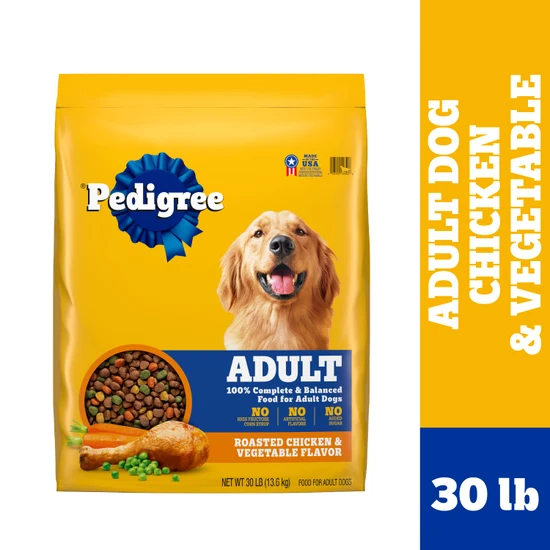
Knowing the right time to switch your dog to adult food is important. It helps keep your dog healthy and active. Puppies have different needs than adult dogs. Their food must support growth and energy. Adult dog food has a different balance of nutrients. Switching at the right time ensures proper nutrition and avoids health issues.
Common Age Benchmarks
Most dogs move to adult food between 9 and 12 months. Small breeds often switch closer to 9 months. Large breeds may need more time on puppy food. Some large dogs switch around 12 to 18 months. Age is a simple guide, but not the only factor.
Breed And Size Considerations
Small dogs grow faster than large dogs. They need adult food earlier. Large breeds grow for a longer time. They benefit from puppy food longer for joint support. Always consider your dog’s breed and size. Talk to your vet for the best advice on switching food.
Signs Your Dog Is Ready
Knowing when your dog is ready for adult food is important for their health. Dogs grow fast, and their nutritional needs change. Watching your dog closely helps you see the right time to switch their diet. Certain signs tell you your dog can handle adult food now.
These signs fall into two main groups: physical indicators and behavioral changes. Both show your dog’s body and habits are growing and maturing. Pay attention to these signs to feed your dog properly.
Physical Indicators
Your dog’s size is a big clue. Most dogs reach about 80% of their adult weight by six months. Their puppy coat starts to change into adult fur, which feels different to touch. Teeth development is another sign. Adult teeth usually come in around six months. Your dog’s energy levels might also change, showing they are growing up.
Behavioral Changes
Behavior shifts show maturity too. Your dog may eat more steadily and less frequently. They might stop chewing on everything like a young puppy. Training becomes easier as their attention span grows. Social interactions change; your dog can play with other dogs calmly. These changes mean your dog’s body and mind are ready for adult food.
Credit: www.pedigree.com
Transitioning Smoothly
Switching your dog to adult food needs care and patience. A smooth change helps your dog’s body adjust well. Sudden changes can cause tummy troubles. Taking small steps makes the transition easier for your dog. This way, your dog will enjoy the new food without stress.
Gradual Food Mixing Techniques
Start by mixing 25% adult food with 75% puppy food. Keep this mix for three days. Then, change to half adult food and half puppy food. After three more days, mix 75% adult food with 25% puppy food. Finally, give only adult food. This slow change helps your dog get used to the new taste and nutrients.
Avoiding Digestive Upset
Watch your dog’s stool and behavior during the change. Diarrhea or vomiting means slow down the transition. Give smaller amounts of new food and increase gradually. Keep fresh water available all the time. Avoid feeding treats that upset the stomach. Patience is key to a healthy switch.
Risks Of Early Or Late Switching
Switching a dog from puppy food to adult food at the right time matters a lot. Doing it too early or too late can cause health problems. Puppies and adult dogs have different nutritional needs. Feeding the wrong food can affect their growth and well-being. Understanding the risks helps keep dogs healthy and strong.
Health Implications Of Early Transition
Changing to adult food too soon can harm a puppy’s growth. Puppy food has extra nutrients for bones and muscles. Adult food may not support this fast growth. Puppies may become weak or miss important vitamins. Their immune system might also suffer. This can lead to illness or slower development.
Consequences Of Delayed Transition
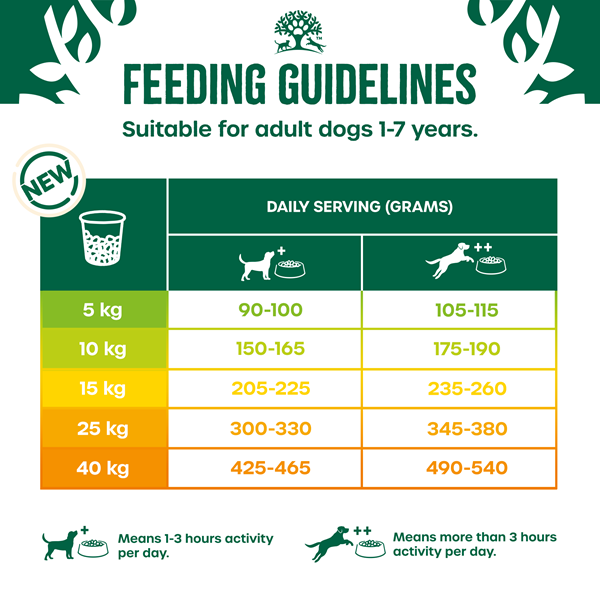
Waiting too long to switch can also cause problems. Adult dogs do not need as many calories as puppies. Puppy food is richer and can lead to weight gain. This extra weight puts stress on joints and heart. Dogs may become less active or develop health issues. Balanced nutrition is key for every life stage.
Credit: wellbeloved.com
Special Cases
Some dogs need special care when switching to adult food. Their breed and age affect how and when to change their diet. Understanding these special cases helps keep your dog healthy and happy. This guide explains key points for large breeds, small breeds, and senior dogs.
Large And Giant Breeds
Large and giant breeds grow more slowly than smaller dogs. Their bones need time to develop properly. Feeding adult food too early can cause joint problems. Most large breeds switch to adult food around 12 to 18 months. Some giant breeds may need to wait even longer. Choose food made for large breed puppies during this time.
Small And Toy Breeds
Small and toy breeds grow fast and reach adult size quickly. They may be ready for adult food as early as 9 to 12 months. Their metabolism is faster, so they need calorie-rich food. Choose adult food designed for small breeds. It helps meet their high energy needs and supports healthy growth.
Senior Dogs
Senior dogs have different nutritional needs than younger adults. Their metabolism slows down, and they may be less active. Older dogs need food with fewer calories but more fiber. Special formulas support joint health and digestion. Talk to your vet about the best adult or senior food for your dog’s age and health.
Expert Tips For Feeding
Feeding your dog the right food at the right age is important for their health. Expert tips can help you decide when to switch to adult food. These tips also guide you on how to keep your dog healthy during the change.
Understanding your dog’s needs makes feeding easier. Focus on their growth, activity, and overall well-being. Use these expert tips to make smart feeding choices.
Consulting Your Veterinarian
Your veterinarian knows your dog’s health best. They can tell you the right age to start adult food. Some breeds grow faster or slower than others. A vet can also suggest the best food type. Always ask for advice before changing your dog’s diet.
Monitoring Weight And Energy Levels
Watch your dog’s weight closely during the food transition. Sudden weight gain or loss can signal a problem. Check their energy levels every day. Low energy might mean the food is not right. Healthy weight and good energy show your dog is thriving.
Credit: www.purina.com
Frequently Asked Questions
When Should Puppies Switch To Adult Dog Food?
Puppies should switch to adult dog food between 9 to 12 months. Large breeds may transition later, around 12 to 18 months. This timing supports healthy growth and nutrient needs as they mature.
Why Is Age Important For Feeding Adult Dog Food?
Age matters because puppies and adult dogs have different nutritional needs. Feeding adult food too early can cause nutrient imbalances. Proper timing ensures balanced growth and overall health.
Can Small Breeds Eat Adult Food Earlier?
Yes, small breeds often mature faster and can switch to adult food around 9 months. Their growth completes earlier than large breeds, so adjusting diet timing is essential.
What Happens If Dogs Eat Adult Food Too Early?
Feeding adult food too early may lead to nutrient deficiencies or excesses. Puppies might miss essential growth nutrients, affecting bone development and energy levels. Proper timing prevents these risks.
Conclusion
Choosing the right time for adult dog food is important. Most dogs switch at about one year old. Small breeds might change earlier, large breeds later. Watch your dog’s growth and energy for clues. Talk to your vet for the best advice.
Healthy food helps dogs stay active and strong. Feeding adult food too soon or late can cause issues. Keep your dog’s needs in mind every step. This simple change supports a happy, healthy life.


