Bringing a new puppy into your life is exciting—but it can also feel overwhelming. You want your puppy to grow into a well-behaved, happy dog, but where do you start?
The good news is, with the right training tips, you can guide your puppy smoothly through those early days. Imagine having a calm, obedient companion who listens to you and enjoys learning new things. You’ll discover simple, effective training tips that make the process easier for both you and your puppy.
Keep reading to unlock the secrets to a stronger bond and a happier home.

Credit: resources.sdhumane.org
Choosing The Right Training Method
Choosing the right training method for your puppy sets the foundation for good behavior. Each puppy learns differently. Finding the best approach helps build trust and makes training fun. It also avoids confusion and frustration for both you and your puppy. Start with simple, clear methods that reward good behavior.
Positive Reinforcement Techniques
Positive reinforcement means rewarding your puppy when it does something right. Treats, praise, or playtime act as rewards. This encourages puppies to repeat good actions. Avoid punishment or yelling. It can scare your puppy and slow learning. Use small treats and give them immediately after good behavior. This helps your puppy understand what you want.
Clicker Training Basics
Clicker training uses a small device that makes a clicking sound. Click the device right when your puppy does something good. Follow the click with a treat. The click tells your puppy exactly which action earned the reward. It is clear and easy to understand. This method helps teach new commands quickly. Keep training sessions short to hold your puppy’s attention.
Avoiding Common Mistakes
Consistency is key in puppy training. Avoid changing rules often. Never punish your puppy for accidents. This can cause fear and confusion. Be patient and repeat commands calmly. Practice training in different places to strengthen learning. Remember to celebrate small wins. This builds your puppy’s confidence and trust in you.
Setting Up A Training Schedule
Setting up a training schedule helps your puppy learn faster. It creates a clear plan that your puppy can understand. A good schedule fits your puppy’s energy and attention span. Training becomes easier and more fun this way.
Consistency helps your puppy know what to expect. This builds trust and makes learning smoother. Let’s explore how to set the best training times and keep sessions short and steady.
Optimal Training Times
Choose times when your puppy feels alert and happy. Early morning or after a nap works well. Avoid training after meals or when the puppy is tired. Short bursts of energy make learning easier and more effective.
Short Sessions For Better Focus
Keep training sessions brief, around 5 to 10 minutes. Puppies have short attention spans. Short sessions prevent boredom and frustration. End each session on a positive note to keep your puppy motivated.
Consistency In Routine
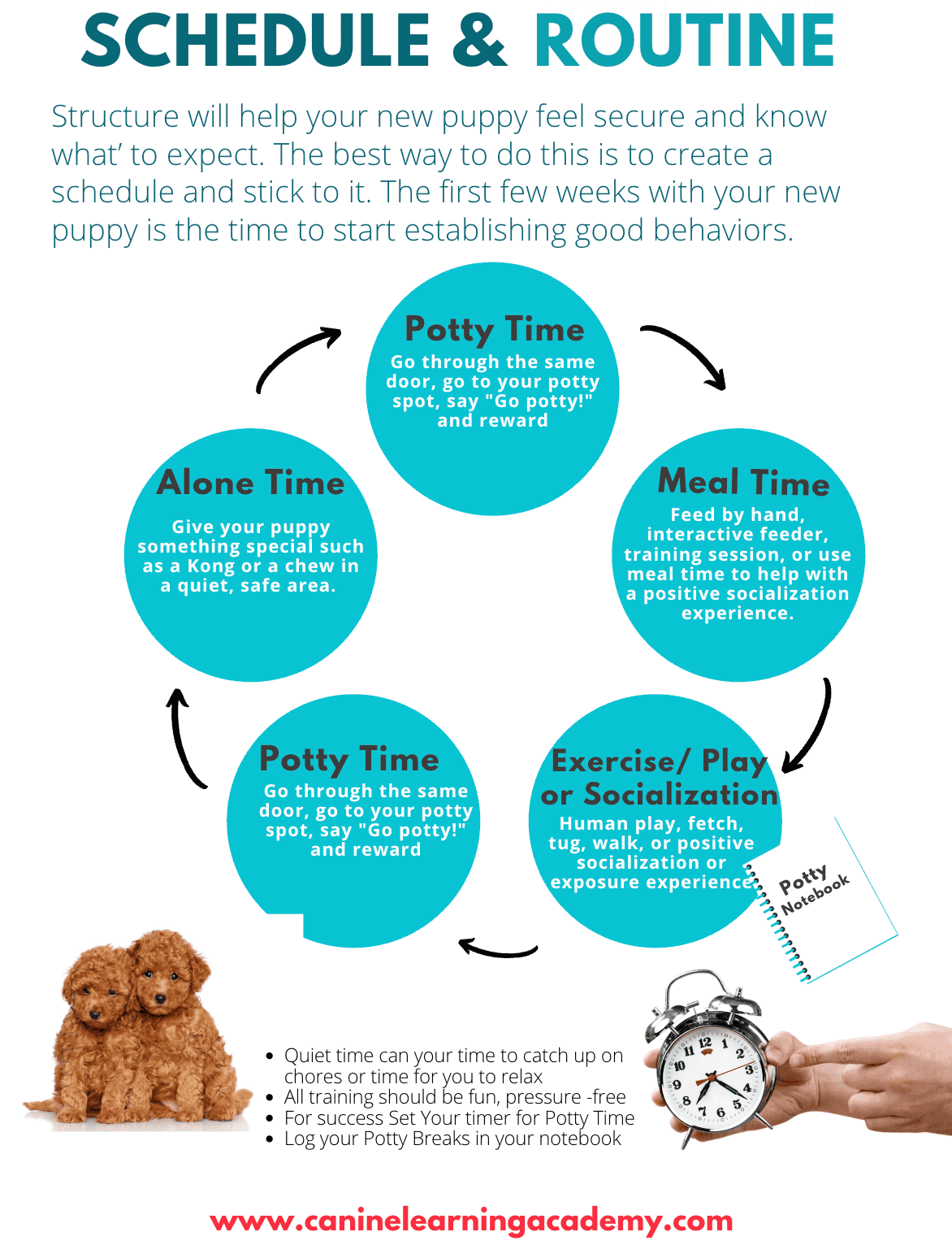
Train your puppy at the same times each day. This builds a habit and reduces confusion. Use the same commands and rewards every time. Consistency helps your puppy remember lessons better and faster.
Teaching Basic Commands
Teaching basic commands is the first step in puppy training. These commands help your puppy learn good behavior and keep them safe. Starting early builds a strong bond between you and your puppy. Simple commands guide your puppy and make daily life easier.
Sit And Stay
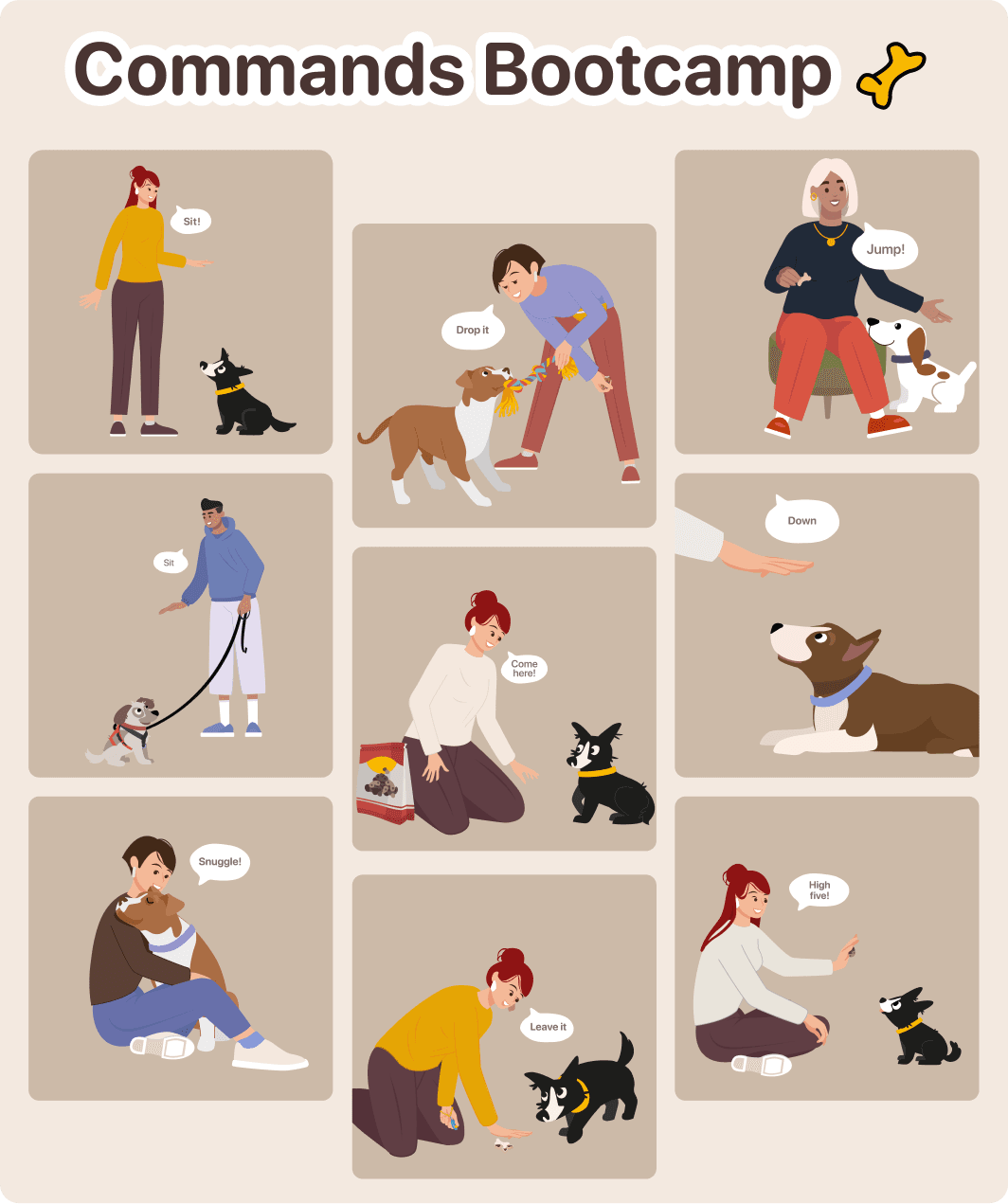
Teaching your puppy to sit is easy and important. Use a treat and hold it above their nose. Move the treat back over their head. When they sit, say “sit” and give the treat. Repeat often to help them learn.
Once your puppy sits, teach them to stay. Ask them to sit, then say “stay” and take a step back. If they stay, reward them. Gradually increase the distance and time.
Come When Called
This command keeps your puppy safe. Start in a quiet place. Call your puppy’s name and say “come” in a happy voice. When they come, reward with praise or a treat. Practice often and make it fun.
Use a long leash for training outside. Gently pull the leash while calling. Praise your puppy when they reach you. This builds a habit of coming quickly.
Heel And Walk On Leash
Walking on a leash teaches good manners. Hold the leash short but loose. Let your puppy walk beside you. If they pull, stop walking. Wait until the leash is loose again.
Say “heel” and give treats when your puppy stays close. Practice in quiet places first. Walking nicely makes walks enjoyable for both.
House Training Strategies
House training is an essential part of raising a happy puppy. Teaching your puppy where to go bathroom helps avoid messes and keeps your home clean. Consistency and patience are key during this process. Here are some effective strategies to help you train your puppy properly.
Establishing A Bathroom Routine
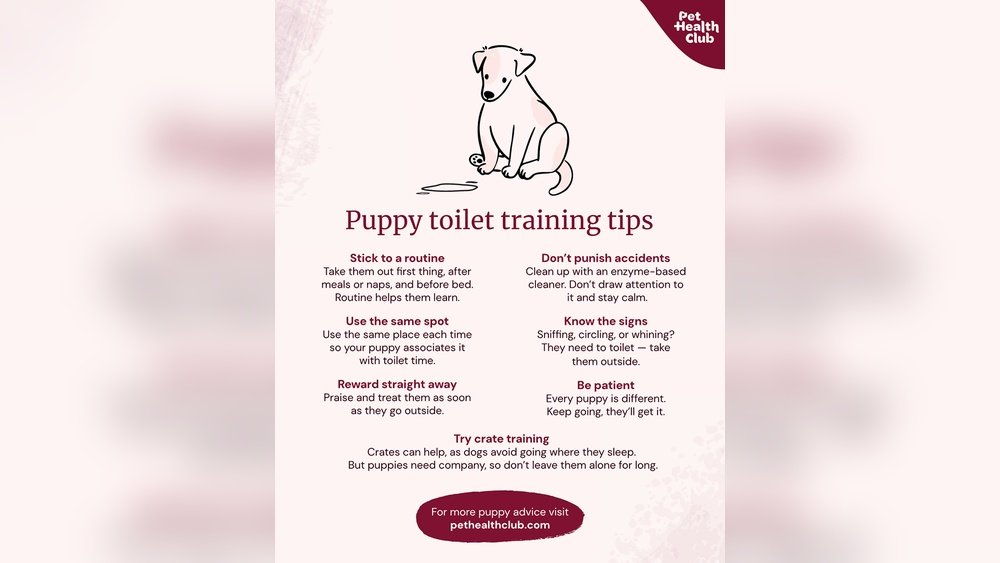
Set regular times for your puppy to go outside. Take your puppy out first thing in the morning and right after meals. Puppies usually need to relieve themselves every few hours. Watch for signs like sniffing or circling. Take your puppy outside immediately when you notice these behaviors. Praise your puppy warmly when they go in the right spot. This builds good habits and encourages them to repeat.
Crate Training Benefits
A crate can be a safe space for your puppy. Dogs naturally avoid soiling their sleeping area. Use the crate to help your puppy hold their bladder. Keep crate time short at first. Let your puppy out often to go outside. Never use the crate as punishment. Make it comfortable with soft bedding and toys. Crate training teaches control and reduces accidents inside.
Handling Accidents Calmly
Accidents are normal during house training. Stay calm and avoid yelling at your puppy. Clean messes quickly to remove odors. Use pet-safe cleaners to prevent repeat accidents. Never punish your puppy after an accident. They won’t connect punishment with the mistake. Instead, focus on praise when your puppy goes outside. Patient guidance helps your puppy learn faster.
Socializing Your Puppy
Socializing your puppy helps them become a happy, confident dog. It teaches your puppy how to behave around new people, animals, and places. Early socialization builds trust and reduces fear later in life. Start socializing as soon as your puppy is safe to meet others. Keep experiences positive and calm. This section covers key ways to socialize your puppy effectively.
Introducing To New People
Let your puppy meet many different people. Include men, women, and children. Allow your puppy to approach at their own pace. Avoid forcing contact. Let people offer treats and gentle pets. This builds a positive feeling toward strangers. Praise your puppy for calm behavior. Short, frequent meetings work best.
Meeting Other Dogs Safely
Choose calm, friendly dogs for first meetings. Use a leash but keep it loose. Watch your puppy’s body language closely. Stop if either dog seems scared or aggressive. Let them sniff and greet naturally. Keep encounters short to avoid stress. Gradually increase playtime as they get comfortable. Puppy classes offer safe social settings too.
Exposure To Different Environments
Take your puppy to various places often. Try parks, busy streets, and quiet trails. Let them see new sights and hear new sounds. Carry treats to reward calm behavior. Use a harness for safety. Change routes to keep adventures fresh. New experiences reduce fear of unknown places. Always stay close and watch your puppy’s comfort.
Credit: www.woofz.com
Addressing Behavioral Challenges
Training a puppy comes with many challenges. Puppies explore the world with their mouths and voices. Addressing these behaviors early helps build good habits. Understanding why your puppy acts out is the first step. Consistency and patience make training easier. Focus on clear, simple commands and reward good behavior.
Managing Chewing And Biting
Puppies chew to relieve teething pain. They bite to explore and play. Provide plenty of chew toys to redirect their energy. Avoid using hands as toys. Gently say “no” or “ouch” when biting occurs. Praise your puppy when they chew toys, not fingers. Regular exercise helps reduce biting caused by excess energy.
Reducing Separation Anxiety
Separation anxiety causes puppies to feel stressed alone. Start by leaving your puppy alone for short times. Gradually increase the time apart. Create a safe space with toys and bedding. Avoid long goodbyes to reduce stress. Practice calm arrivals and departures to help your puppy stay calm. Consistent routines build confidence and security.
Preventing Excessive Barking
Barking is normal but too much can annoy. Identify what triggers your puppy’s barking. Teach the “quiet” command with treats and praise. Distract your puppy with toys or activities when barking starts. Avoid shouting, as it may increase barking. Regular exercise reduces boredom and excess energy that cause barking.
Using Rewards Effectively
Using rewards effectively helps your puppy learn faster and enjoy training. Rewards make training fun and motivate your puppy to repeat good behavior. Choosing the right reward and giving it at the right time is key. Balance praise with clear rules to guide your puppy well.
Choosing Treats And Toys
Pick treats your puppy loves and are easy to eat quickly. Small, soft treats work best for training sessions. Toys can be great rewards too, especially if your puppy likes to play. Use toys that are safe and keep your puppy interested. Change rewards sometimes to keep your puppy curious and excited.
Timing And Frequency
Give rewards immediately after good behavior. Puppies connect actions with rewards faster this way. Reward often at the start to build good habits. Reduce treats slowly as your puppy learns the commands. Keep sessions short and frequent to hold your puppy’s attention.
Balancing Praise And Discipline
Use a happy voice and pet your puppy for praise. Praise encourages your puppy and builds trust. Say “no” firmly but kindly when your puppy makes mistakes. Avoid yelling or harsh punishments. Clear, calm discipline helps your puppy understand limits. Combine praise and gentle correction for best results.
Credit: caninelearningacademy.com
Tracking Progress And Adjusting
Training a puppy is a journey. Tracking progress helps you see what works and what needs change. It keeps training clear and focused. Adjustments ensure your puppy learns well and stays happy. Watch your puppy closely. Notice small wins and challenges. This helps guide your next steps.
Recognizing Milestones
Milestones show your puppy’s learning stages. Simple acts like sitting on command are big steps. Potty training success counts as a milestone. Celebrate these to keep motivation high. Notice when your puppy understands a new command. These moments show progress and build confidence.
Adapting Techniques As Puppy Grows
Techniques need change as your puppy grows. Younger puppies need short, fun sessions. Older puppies handle longer training times. Use different rewards as your puppy matures. Sometimes, a new approach helps with stubborn behaviors. Be flexible and patient to meet your puppy’s needs.
Seeking Professional Help When Needed
Some challenges need expert advice. Trainers can offer tips for tough behaviors. Early help prevents problems from growing worse. Don’t wait too long to ask for help. Professionals support both you and your puppy’s success.
Frequently Asked Questions
How Soon Should I Start Training My Puppy?
Start training your puppy as early as 7 to 8 weeks old. Early training helps build good habits and social skills. Puppies learn quickly and respond well to positive reinforcement at this age. Consistency and patience are key for effective early training.
What Are The Best Puppy Training Techniques?
Use positive reinforcement, such as treats and praise, to encourage good behavior. Keep training sessions short and frequent to maintain attention. Avoid punishment, as it can harm trust. Socialization, crate training, and basic commands are essential techniques for a well-behaved puppy.
How Long Should Puppy Training Sessions Be?
Keep puppy training sessions brief, around 5 to 10 minutes. Puppies have short attention spans, so short sessions prevent boredom. Multiple short sessions throughout the day are more effective than one long session. Always end on a positive note to motivate your puppy.
When Should I Start Potty Training My Puppy?
Begin potty training as soon as you bring your puppy home. Consistency and a regular schedule help puppies learn faster. Take your puppy outside frequently, especially after eating or waking up. Reward successful potty trips to reinforce good behavior.
Conclusion
Training puppies takes patience and love. Start early and keep sessions short. Use treats and praise to encourage good behavior. Consistency helps puppies learn faster. Remember, mistakes will happen—stay calm and try again. Enjoy the process and build trust with your puppy.
Good training sets a strong foundation for the future. Keep practicing daily for best results. Your puppy will grow happy and well-behaved. Training is a journey, not a race. Stay positive and enjoy every small success.