

Training your puppy to walk nicely on a leash can feel like a tough challenge. But with the right approach, you can turn those frustrating tugging and pulling moments into calm, enjoyable walks.
Imagine how great it will feel to have your puppy by your side, walking calmly and confidently. You’ll discover simple, effective tips that make leash training easier for both you and your furry friend. Keep reading, and soon your daily walks will become the highlight of your day.
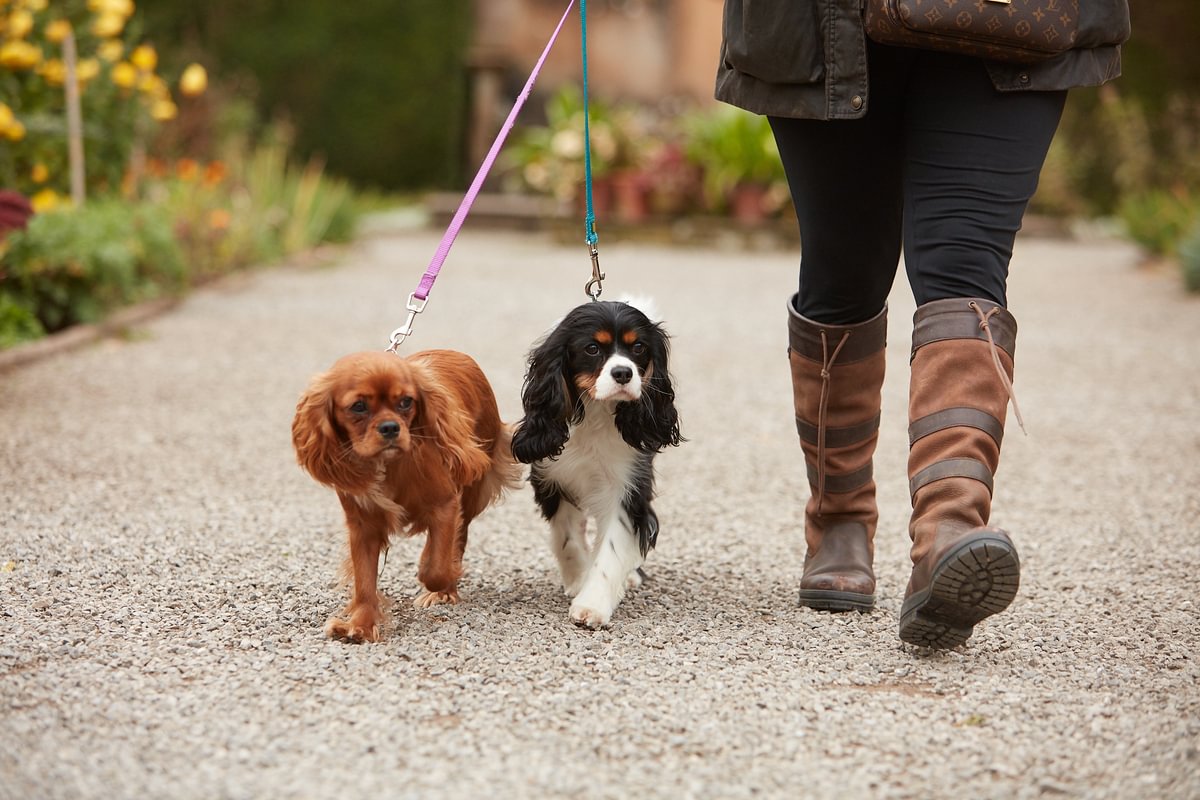
Credit: forthglade.com
Choosing The Right Leash And Collar
Choosing the right leash and collar is key to training your puppy well. These tools help you control your puppy safely. They also make walks more comfortable for both of you. Picking the right ones can prevent pulling and other bad habits early on. Let’s explore the types and features that work best for puppies.
Types Of Leashes
Leashes come in many styles. A standard nylon leash is strong and easy to clean. It usually measures 4 to 6 feet long, perfect for training. Retractable leashes give more freedom but can be hard to control. Leather leashes last long and feel soft in your hand. Avoid very long leashes when training to keep your puppy close.
Selecting A Comfortable Collar
The collar must fit well. It should be snug but not tight. Your puppy should fit two fingers under the collar comfortably. Soft materials like nylon or leather reduce skin irritation. Adjustable collars grow with your puppy and save money. Avoid collars that pinch or pull too much. Comfort helps your puppy enjoy wearing it.
Safety Considerations
Safety is top priority. Check the leash and collar for strong clips and rings. Weak parts can break and cause accidents. Reflective strips on collars and leashes improve visibility at night. Avoid choke chains or prong collars for puppies. These can hurt your puppy and create fear. Regularly check for wear and tear to replace gear on time.
Starting With Basic Commands
Starting with basic commands helps your puppy understand what you expect. These commands build a strong foundation for leash training. Teaching simple commands first makes walks safer and more enjoyable for both of you.
Teaching ‘sit’ And ‘stay’
Begin with the “sit” command. Hold a treat above your puppy’s nose. Slowly move the treat back over their head. Most puppies will naturally sit to follow the treat. Say “sit” clearly as they do it. Reward them immediately with the treat and praise.
Next, practice the “stay” command. Ask your puppy to sit first. Show your open palm and say “stay.” Step back slowly. If your puppy stays, give a treat and praise. Increase the time and distance gradually.
Using Positive Reinforcement
Always use treats, praise, and petting to reward good behavior. Positive reinforcement helps your puppy learn faster. Avoid punishment or harsh words. They can cause fear and confusion. Rewarding good behavior encourages your puppy to repeat it.
Consistency In Commands
Use the same words and tone every time. Consistency helps your puppy remember commands better. Practice commands daily in short sessions. Make sure everyone in the family uses the same commands. This avoids confusion and speeds up learning.
Introducing The Leash Gradually
Introducing the leash to your puppy is a key step in training. It helps your puppy get used to walking safely by your side. Taking it slow makes the process easier and more fun for both of you. Start with small steps and be patient. This builds trust and comfort with the leash.
Familiarizing Your Puppy With The Leash
Let your puppy see and sniff the leash first. Hold it gently and let them play with it. Avoid forcing the leash on your puppy right away. This helps them feel safe and curious about the new object. Praise your puppy for calm behavior around the leash.
Short Indoor Sessions
Try putting the leash on your puppy indoors for a few minutes. Let them walk around the room while wearing it. Keep sessions short and positive. Use treats and soft praise to encourage calm walking. Stop if your puppy seems scared or upset.
Building Confidence
Slowly move to short walks around the house or yard. Let your puppy lead at first, then guide gently with the leash. Reward good walking habits with treats and praise. Keep training sessions brief and happy. Gradual exposure builds your puppy’s confidence with the leash.
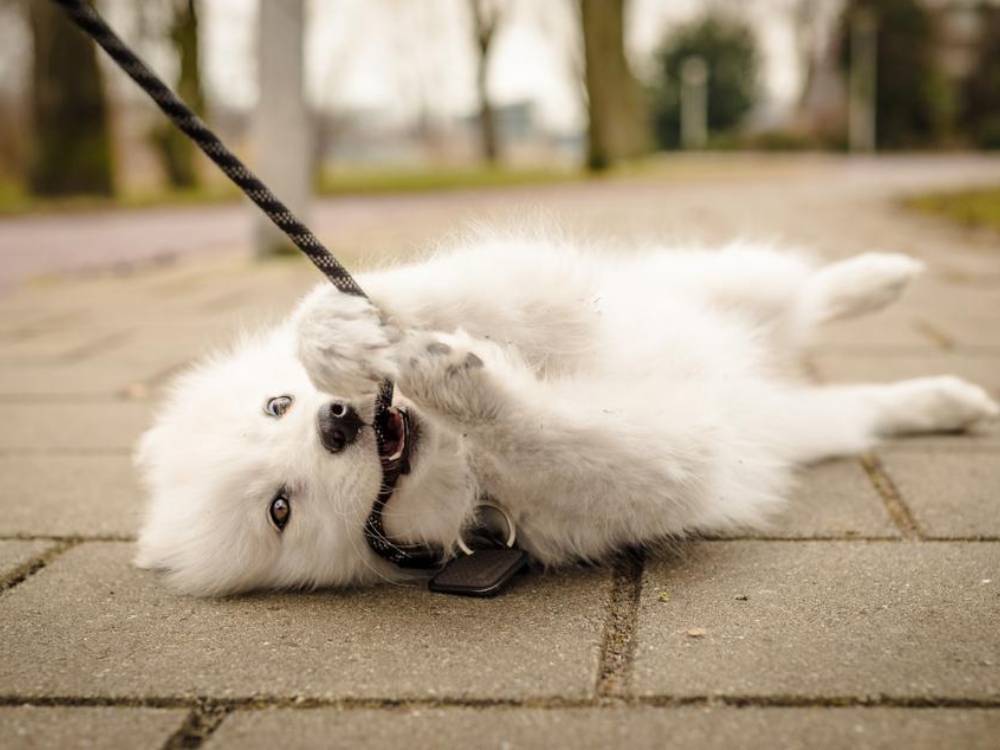
Credit: www.hillspet.com
Walking Techniques For Puppies
Walking a puppy on a leash is a key part of training. It helps your puppy learn good behavior outside. You teach them how to stay close and follow your lead. The right walking techniques make walks safe and fun for both of you. This section covers simple tips to improve leash walking skills.
Proper Walking Pace
Start with a slow and steady pace. Puppies get tired quickly and need breaks. Walk at a speed your puppy can keep up with. This helps avoid pulling and stress. Watch your puppy’s steps and adjust your pace. Let your puppy sniff and explore safely. Keep the walk calm and relaxed.
Handling Pulling And Tugging
Pulling is common but should not be allowed. Stop walking when your puppy pulls. Wait until the leash is loose again. Use gentle tugs to guide your puppy back. Praise your puppy for walking beside you. Avoid harsh corrections or yanking the leash. Patience and consistency are key to stop pulling.
Stopping And Changing Directions
Stop walking to get your puppy’s attention. Changing direction helps teach focus and control. Use a clear command like “let’s go” before moving. Turn left or right to guide your puppy. This prevents pulling and encourages watching you. Reward your puppy when they follow your lead. Practice stops and turns often during walks.
Dealing With Common Challenges
Training a puppy on a leash brings many challenges. Puppies get easily distracted, scared, or behave wrongly. Understanding these problems helps trainers stay calm. It also makes training more effective and fun. Each challenge needs a clear approach to handle well. Let’s explore key tips for common leash training issues.
Managing Distractions
Distractions like noises, people, or other dogs can pull your puppy’s attention. Start training in quiet places with fewer distractions. Use treats and praise to keep focus on you. Gradually add distractions as your puppy improves. Stop training if your puppy loses focus. Try again later in a calmer spot.
Overcoming Fear And Anxiety
Some puppies feel scared on a leash. They may freeze, pull, or try to hide. Speak softly and move slowly to calm them. Use gentle petting and treats for comfort. Avoid forcing the puppy to walk if it seems upset. Let the puppy explore at its own pace. Patience helps build trust and reduce fear.
Correcting Unwanted Behaviors
Common problems include pulling, biting the leash, or jumping. Stop walking if the puppy pulls. Only move forward when the leash is loose. Offer chew toys to prevent biting the leash. Teach the puppy to sit before crossing streets. Use calm commands to discourage jumping. Consistent corrections help your puppy learn good habits.
Reward Systems And Motivation
Reward systems and motivation play a big role in leash training a puppy. Dogs learn best when they feel happy and eager. Giving rewards helps your puppy understand what you want. It also makes training time enjoyable and builds a strong bond between you both.
Choosing Treats And Toys
Pick treats your puppy loves and finds tasty. Small, soft treats work best for quick rewards. Toys also motivate some puppies. Use a favorite ball or chew toy as a reward. Change rewards often to keep your puppy interested and excited.
Timing Rewards Effectively
Give rewards right after your puppy follows a command. Fast rewards help your puppy connect the action with the treat. Wait too long, and your puppy may get confused. Keep treats ready during walks for quick rewards.
Keeping Training Fun
Training should feel like playtime. Use happy voices and praise often. Short, frequent sessions keep your puppy’s attention. Mix commands with play breaks. Fun training helps your puppy enjoy learning and want to try more.
Consistency And Patience
Training a puppy on a leash takes time and effort. Consistency and patience play a big role in success. Puppies learn best with steady practice and calm guidance. Rushing or changing rules often can confuse your puppy. Stay calm and keep a regular routine to help your puppy feel safe and understand what you want.
Setting A Training Schedule
Create a daily schedule for leash training. Short sessions work better than long ones. Try training for 5 to 10 minutes, two or three times a day. Choose quiet places to start, with few distractions. Stick to the same times each day. Puppies get used to routines and learn faster this way.
Adjusting Techniques As Needed
Watch how your puppy responds to training. Some methods may work better than others. Change your approach if your puppy seems confused or scared. Use gentle corrections and praise good behavior. Keep your tone calm and encouraging. Small changes can make a big difference.
Recognizing Progress
Celebrate small wins during training. Notice when your puppy walks calmly on the leash. Praise and give treats to reinforce good habits. Progress may be slow but every step counts. Keep a positive attitude to stay motivated. Your puppy will grow more confident with steady progress.
When To Seek Professional Help
Training a puppy on a leash can be rewarding but also challenging. Sometimes, difficulties arise that need expert attention. Knowing when to seek professional help saves time and stress for both you and your puppy. Early help can prevent bad habits and make walks more enjoyable.
Signs Of Training Difficulties
Your puppy pulls hard or lunges frequently. Walking on leash feels like a struggle. Commands like “heel” or “stop” do not work. Your puppy shows fear or aggression during walks. Training sessions cause frustration for you or your puppy. These signs indicate that extra support may be needed.
Choosing A Trainer
Look for trainers with good reviews and experience with puppies. Choose someone who uses positive reinforcement methods. Avoid trainers who rely on punishment or harsh tools. A good trainer explains techniques clearly and answers questions. Find someone local or who offers online sessions. This ensures convenience and consistent guidance.
Benefits Of Professional Guidance
Trainers help correct leash behavior quickly and safely. They customize training plans for your puppy’s needs. Professionals teach you how to reinforce good habits at home. They reduce your stress by providing clear steps. Training progress becomes faster with expert advice. Walks become calm and pleasant for both of you.

Credit: www.youtube.com
Frequently Asked Questions
How Do I Start Leash Training A Puppy?
Begin leash training by introducing the collar and leash indoors. Let your puppy get used to wearing them. Use treats and praise to create positive associations. Start with short sessions, gradually increasing duration and moving outdoors as your puppy becomes comfortable.
When Should I Begin Leash Training My Puppy?
Start leash training as soon as your puppy comes home, usually around 8 weeks old. Early training helps develop good habits and reduces future behavioral issues. Consistency and patience are key to successful leash training from the start.
How Can I Stop My Puppy From Pulling On The Leash?
Use a short leash and stop walking when your puppy pulls. Wait until the leash is slack before moving. Reward your puppy for walking beside you. Consistent practice and positive reinforcement teach your puppy to walk politely.
What Type Of Leash Is Best For Puppy Training?
A lightweight, standard 4-6 foot leash made of nylon or leather is ideal. Avoid retractable leashes as they can encourage pulling. A comfortable collar or harness that fits well supports effective training and safety during walks.
Conclusion
Training a puppy on a leash takes time and patience. Keep practice sessions short and fun. Praise your puppy often to encourage good behavior. Use gentle corrections when needed, never harsh words or force. Consistency helps your puppy learn what you expect.
Walking calmly together builds trust and respect. Enjoy every small success along the way. Soon, your puppy will walk nicely by your side. Stay patient and keep practicing daily. Good leash manners make walks safer and more enjoyable for both.


