Choosing the best dog food for your Chihuahua isn’t just about filling a bowl. It’s about giving your tiny companion the energy, health, and happiness they deserve every day.
You want to make sure your Chihuahua gets the right nutrients in the right amounts—because their needs are very different from bigger dogs. If you’ve ever felt confused by all the options on the shelves or worried about what’s truly best for your little friend, this guide is made just for you.
Keep reading, and you’ll discover exactly what to look for to keep your Chihuahua thriving and full of life.

Credit: ilovemychi.com
Chihuahua Nutritional Needs
Chihuahuas are small dogs with big energy. Their tiny bodies need special care through the right food. Proper nutrition helps them stay healthy and active. Their diet should fit their size, age, and activity level. Understanding their nutritional needs supports a happy, long life for your Chihuahua.
Calorie Requirements
Chihuahuas burn calories fast due to their small size. They need a balanced amount of calories daily. Too many calories lead to weight gain. Too few cause weakness and health problems. Small meals throughout the day help keep their energy steady.
Protein And Fat Balance
Protein builds strong muscles and supports growth. Chihuahuas need high-quality protein in their food. Fat provides energy and helps absorb vitamins. Healthy fats like omega-3 and omega-6 improve skin and coat. The right balance keeps them energetic and healthy.
Essential Vitamins And Minerals
Vitamins and minerals keep Chihuahua bodies working well. Calcium and phosphorus strengthen bones and teeth. Vitamin A supports vision and skin health. B vitamins help convert food into energy. A diet rich in these nutrients supports overall health.
Choosing Quality Ingredients
Choosing quality ingredients is key to feeding Chihuahuas well. Their small size means every bite counts. Good ingredients support their energy, health, and shiny coat. Poor ingredients can cause stomach issues and low energy. Focus on real, natural foods made for small dogs.
Animal-based Proteins
Chihuahuas need protein from animals like chicken, beef, or fish. These proteins help build strong muscles and keep energy high. Avoid meals with unnamed meat by-products. Clear sources like “chicken” or “salmon” are best. Protein should be one of the first ingredients listed on the label.
Healthy Fats And Oils
Fats give Chihuahuas energy and support brain health. Look for fats from fish oil or chicken fat. These fats also keep their skin soft and coat shiny. Avoid foods with too many cheap oils like corn or soybean oil. Healthy fats are important for small dogs’ overall health.
Avoiding Fillers And Additives
Fillers like corn, wheat, and soy add little nutrition. They can cause allergies and digestive problems. Artificial colors, flavors, and preservatives may harm sensitive dogs. Choose dog food free from these fillers and additives. Cleaner ingredients lead to happier, healthier Chihuahuas.
Top Dog Food Types For Chihuahuas
Choosing the right food for your Chihuahua is very important. Different types of dog food provide different benefits. Knowing these options helps you pick the best for your small dog’s health and happiness.
Chihuahuas need food that supports their energy and small size. Some types keep their teeth clean. Others offer more moisture or natural ingredients. Let’s explore the main types of dog food for Chihuahuas.
Dry Kibble Benefits
Dry kibble is easy to store and serve. It helps keep your Chihuahua’s teeth clean by reducing plaque. Kibble has a long shelf life, making it practical for busy owners. It also comes in small sizes perfect for tiny mouths. Many brands add nutrients for balanced health.
Wet Food Advantages
Wet food has more moisture, which helps keep your dog hydrated. It is soft, making it easier to chew for older or small-toothed Chihuahuas. Wet food often has strong smells and tastes that many dogs enjoy. It can be mixed with dry food for variety and extra flavor.
Raw And Homemade Options
Raw and homemade diets give you control over ingredients. These options often include fresh meats, vegetables, and grains. They can be tailored to meet your dog’s specific needs. Preparing food at home ensures no fillers or artificial additives. Always consult a vet to balance homemade meals properly.

Credit: villageatoakwood.com
Special Diets For Health Issues
Chihuahuas may face special health challenges needing unique diets. Choosing the right food helps manage their health and keeps them happy. Special diets target common issues like weight, allergies, and digestion problems. These diets provide balanced nutrition tailored for small dogs with sensitive needs.
Weight Management Formulas
Chihuahuas can gain weight easily due to their small size. Weight management formulas have fewer calories and more fiber. This helps dogs feel full without extra fat. These foods support a healthy weight and reduce stress on joints.
Allergy-friendly Choices
Some Chihuahuas suffer from food allergies or skin issues. Allergy-friendly dog foods avoid common allergens like wheat, soy, and corn. They often use novel proteins like duck or salmon. These choices help reduce itching and improve skin health.
Sensitive Stomach Solutions
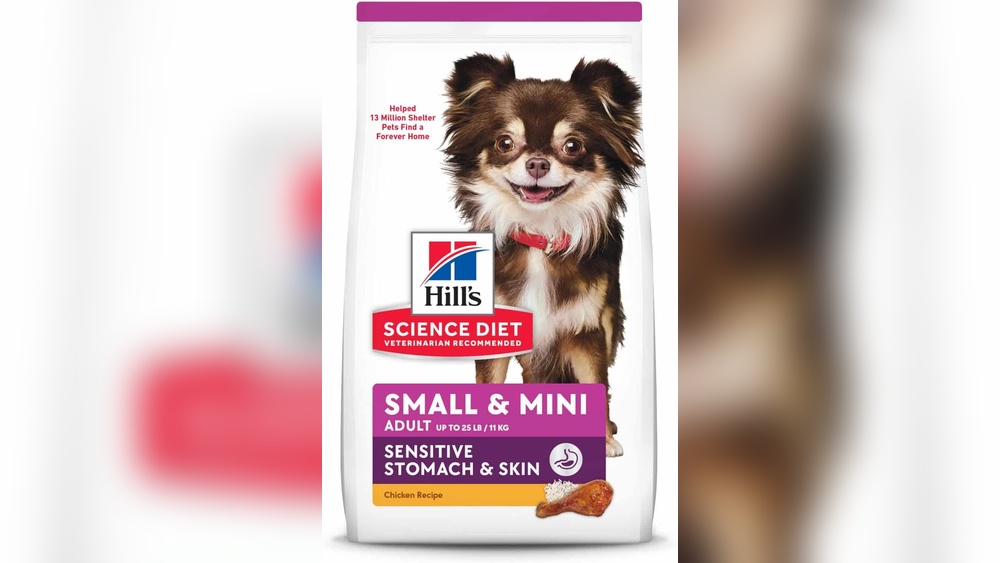
Digestive problems are common in small breeds like Chihuahuas. Sensitive stomach foods use gentle ingredients that are easy to digest. They include prebiotics and probiotics to support gut health. These diets help prevent upset stomach and diarrhea.
Feeding Guidelines And Tips
Feeding your Chihuahua the right way helps keep them healthy and happy. Knowing how much and how often to feed makes a big difference. Safe food changes also protect their tummy and digestion.
Portion Sizes By Age
Chihuahua puppies need small, frequent meals. Their growth demands more calories. Adult Chihuahuas eat less but require balanced nutrients. Senior dogs may need fewer calories to avoid weight gain. Follow package instructions or vet advice for exact amounts.
Feeding Frequency
Puppies should eat three to four times daily. This keeps their energy steady. Adults do well with two meals per day. Avoid free feeding to prevent overeating. Consistent mealtimes support good digestion and routine.
Transitioning Foods Safely
Switch dog food gradually over 7 to 10 days. Mix new food with old, increasing new food daily. Sudden changes can cause upset stomach or diarrhea. Watch your dog for any signs of discomfort. A smooth transition helps maintain gut health.
Recommended Brands For Chihuahuas
Choosing the right dog food brand is key for a healthy Chihuahua. Small breeds need food made just for their size and needs. Some brands focus on quality ingredients, while others offer affordable choices. There are also vet-recommended options that support your dog’s health.
Premium Brand Options
Premium dog foods provide high-quality ingredients. They often use real meat as the first ingredient. These foods contain fewer fillers and artificial additives. Brands like Blue Buffalo and Wellness have formulas for small dogs. These options support strong bones and shiny coats. They are more expensive but offer better nutrition.
Budget-friendly Choices
Budget-friendly brands still provide balanced nutrition. They use a mix of meat and grains to keep costs low. Brands like Pedigree and Purina offer small breed formulas. These options keep your Chihuahua healthy on a budget. They are widely available and easy to find in stores.
Vet-recommended Formulas
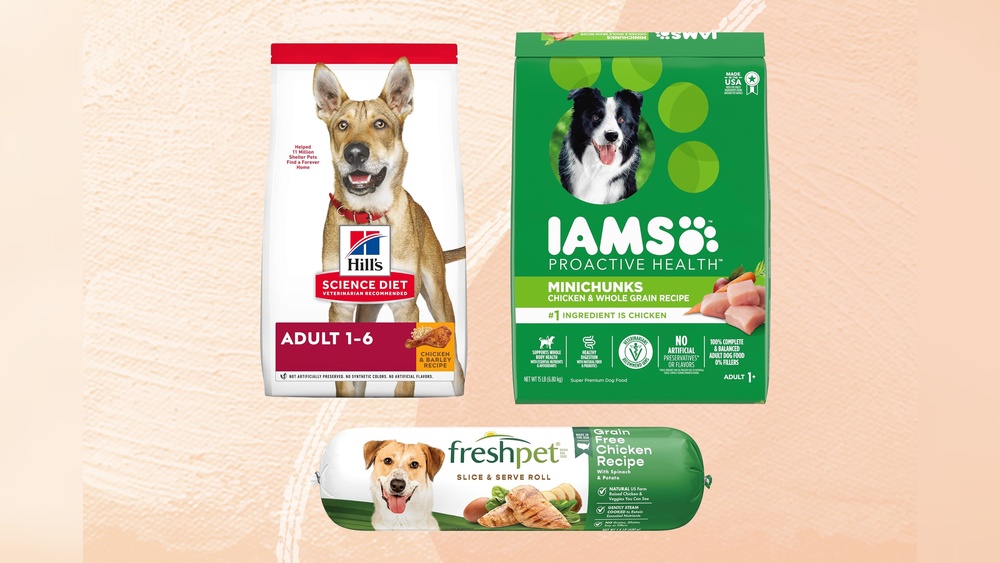
Veterinarians often suggest special diets for health issues. These foods support digestion, dental health, or weight control. Hill’s Science Diet and Royal Canin have vet-recommended lines for Chihuahuas. These foods are made with precise nutrients for specific needs. They help keep your dog active and strong.

Credit: ilovemychi.com
Frequently Asked Questions
What Is The Best Dog Food For Chihuahuas?
The best dog food for Chihuahuas is high-quality, small-breed formula. It should have balanced protein, healthy fats, and essential nutrients. Avoid fillers and artificial additives. Look for brands with real meat and grain-free options to support their small size and sensitive digestion.
How Much Food Should A Chihuahua Eat Daily?
A Chihuahua typically needs 1/4 to 1/2 cup of food daily. This depends on age, activity level, and metabolism. Split meals into two servings to aid digestion. Monitor weight and adjust portions to maintain a healthy body condition.
Are Grain-free Diets Good For Chihuahuas?
Grain-free diets can benefit Chihuahuas with allergies or sensitivities. However, not all dogs need grain-free food. Consult your vet before switching. Ensure the diet includes alternative carbs like sweet potatoes for balanced nutrition.
Can Chihuahuas Eat Wet Or Dry Food?
Both wet and dry foods are suitable for Chihuahuas. Dry food helps dental health, while wet food offers hydration and palatability. A mix of both can provide variety and balanced nutrition tailored to your dog’s preferences.
Conclusion
Choosing the right food keeps your Chihuahua happy and healthy. Small dogs need special care in their diet. Quality ingredients help with energy and growth. Avoid foods with fillers or artificial additives. Watch your dog’s weight and adjust portions as needed.
Always provide fresh water alongside meals. Regular vet visits support good nutrition and health. Feeding your Chihuahua well shows love and care every day. Simple steps make a big difference in their life. Your small friend deserves the best food possible.