

Are you wondering if it’s time to switch your dog to adult food? It’s a question every dog owner faces as their furry friend grows up.
Choosing the right food can impact your dog’s health, energy, and happiness. But how do you know when the switch is right? Keep reading to discover the signs that your dog is ready, what to look for in adult dog food, and how to make the transition smooth and safe.
Your dog’s well-being depends on making the right choice now.
Credit: www.bluebuffalo.com
When To Switch To Adult Dog Food
Switching your puppy to adult dog food is a key step in their growth. It helps meet their changing nutritional needs. Knowing the right time to make this change supports your dog’s health and energy.
Many factors affect the timing. Breed size, growth rate, and behavior all play roles. Watch your puppy closely to find the best moment to switch.
Age Guidelines For Different Breeds
Small breeds usually grow faster. They may switch to adult food around 9 to 12 months old. Medium breeds often change at 12 months. Large breeds grow slower and need puppy food longer. They may switch between 12 and 18 months. Giant breeds need the most time. They might stay on puppy food until 18 to 24 months. These are general rules. Each dog is unique and may vary.
Signs Your Puppy Is Ready
Look for steady weight and healthy growth. Your puppy’s energy levels may become more stable. Their teeth should be fully grown. Appetite changes can also signal readiness. If your puppy finishes meals quickly, it may be time. Check with your vet to confirm the switch is right. Changing food too soon or late can cause problems.

Credit: www.catsharks.org
Differences Between Puppy And Adult Food
Choosing the right food for your dog is important for their health. Puppy food and adult food are made differently. Each type supports your dog’s needs at different life stages. Understanding these differences helps you feed your dog properly. Let’s explore what sets puppy food apart from adult food.
Nutritional Needs
Puppies need more protein to grow strong muscles. They also need extra vitamins and minerals for their bones. Adult dogs require balanced nutrition to maintain their health. Their food has less protein but enough to keep them active. Puppy food focuses on growth, adult food supports maintenance.
Calorie Content
Puppies burn more energy and need more calories. Their food is higher in calories to fuel their play and growth. Adult dogs need fewer calories to avoid weight gain. Adult food has controlled calories to keep dogs fit. Feeding the right calories prevents obesity and health problems.
Ingredient Variations
Puppy food contains ingredients that are easy to digest. It includes nutrients that help brain and eye development. Adult food has ingredients to support joint health and digestion. The formulas differ to meet each stage’s needs. Choosing the right formula helps your dog thrive.
Benefits Of Feeding Adult Dog Food
Feeding your dog adult food has many benefits that support their health. Adult dog food is made to meet the needs of dogs that are no longer puppies. It helps keep your dog strong and healthy as they grow older. Choosing the right food can make a big difference in your dog’s life.
Supporting Healthy Growth
Adult dog food contains the right nutrients for steady growth. It has balanced protein to keep muscles strong. Vitamins and minerals help your dog’s bones and skin stay healthy. This food supports your dog’s body without giving too much energy.
Preventing Obesity
Adult dog food helps control your dog’s weight. It has fewer calories than puppy food. This helps avoid extra fat that can cause health problems. Feeding the right food stops your dog from becoming overweight. A healthy weight means a longer, happier life.
Maintaining Energy Levels
Adult dog food gives your dog steady energy all day. It has good fats and carbs for lasting strength. This keeps your dog active without feeling tired. Proper energy helps your dog enjoy walks and playtime. Healthy food supports their daily activities and wellbeing.
Credit: www.petmd.com
Risks Of Switching Too Early Or Late
Switching your dog to adult food at the right time matters. Changing too early or too late can cause problems. Your dog’s body needs the right nutrients for its age. Feeding adult food too soon might miss key growth nutrients. Waiting too long can lead to other health issues.
Nutritional Deficiencies
Puppies need extra vitamins and minerals for growth. Adult dog food may lack these essential nutrients. Early switching can cause weak bones and poor development. Late switching might mean your dog gets too many calories. Both cases can lead to health problems in the long run.
Digestive Issues
Young dogs have sensitive stomachs that adjust slowly. Adult food has different ingredients and fiber amounts. Changing too quickly or too late can cause upset stomach. Diarrhea, vomiting, and gas are common signs. A gradual change helps the digestive system adapt smoothly.
Weight Management Challenges
Puppies burn energy faster than adult dogs. Adult food has fewer calories to prevent weight gain. Switching too early can leave your puppy hungry and underweight. Delaying the switch may lead to extra weight and obesity. Balancing calorie needs supports healthy growth and weight control.
Choosing The Right Adult Dog Food
Choosing the right adult dog food is important for your pet’s health. Adult dogs have different needs than puppies. Their food should support steady energy, strong muscles, and a healthy coat. Picking the right food helps your dog stay happy and active.
Adult dog food comes in many types. Some focus on weight control, others on sensitive stomachs. Knowing what your dog needs is key. Read labels carefully. Think about special diets. Ask your veterinarian for advice.
Reading Labels
Start by checking the ingredients list. Look for real meat as the first ingredient. Avoid foods with too many fillers like corn or wheat. Check protein and fat amounts. These should match your dog’s activity level. Also, look for added vitamins and minerals. They keep your dog healthy and strong.
Considering Special Dietary Needs
Some dogs have allergies or health issues. They might need grain-free or low-fat food. Older dogs may require food with joint support. Dogs with sensitive stomachs need gentle formulas. Know your dog’s needs before choosing food. Special diets can improve their quality of life.
Consulting Your Veterinarian
Your vet knows your dog’s health best. Talk about the right food for your dog’s age and condition. Vets can suggest brands or formulas to try. They can also spot health problems early. Regular check-ups help keep your dog on the best diet.
Transitioning Your Dog’s Diet Smoothly
Transitioning your dog’s diet smoothly is key to keeping them healthy and happy. Sudden changes can upset their stomach and cause discomfort. A careful approach helps your dog adjust well to adult food. It also supports good digestion and nutrient absorption. Follow these steps for an easy diet change.
Gradual Food Mixing
Start by mixing a small amount of adult food with your dog’s current food. Over 7 to 10 days, slowly increase the adult food portion. Decrease the old food at the same time. This gentle change helps your dog’s stomach adapt. Avoid switching all at once to prevent digestive issues.
Monitoring Your Dog’s Response
Watch your dog closely during the transition. Look for signs like vomiting, diarrhea, or loss of appetite. Also, check for energy levels and mood changes. If you see any problems, slow the transition or pause. Keep your vet informed about any concerns during this time.
Adjusting Portion Sizes
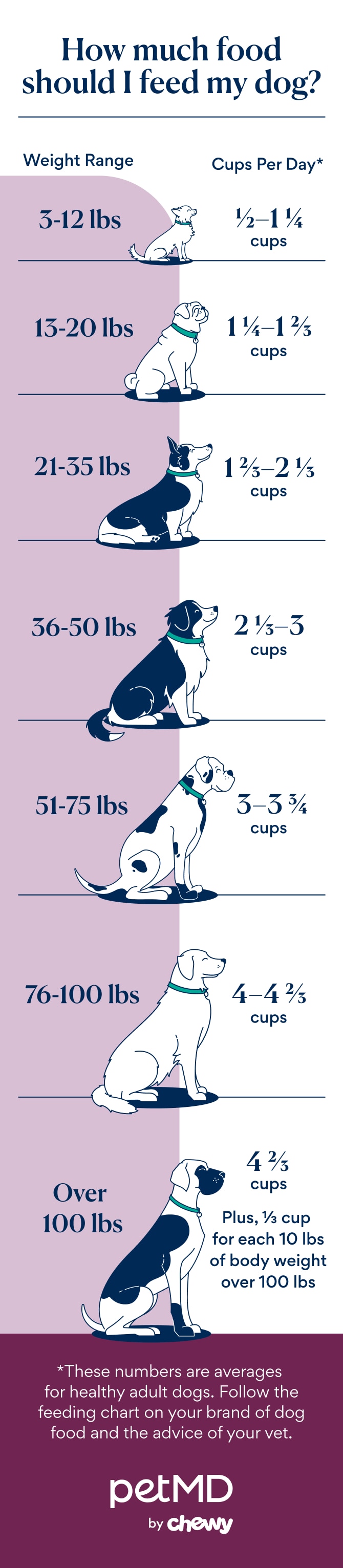
Adult dogs need different food amounts than puppies. Adjust portions based on your dog’s weight and activity. Follow feeding guidelines on the adult food package. Overfeeding can cause weight gain. Underfeeding might lead to nutrient deficiency. Balance is important for your dog’s health.
Frequently Asked Questions
When Is The Right Age To Switch Dog Food?
Most dogs should transition to adult food around 12 months old. Large breeds may need up to 18-24 months. Consult your vet for breed-specific advice to ensure proper nutrition during growth.
What Are The Signs My Dog Needs Adult Food?
Signs include slowed growth, decreased energy, and stable weight. Puppies outgrow high-calorie food and require balanced nutrients for maintenance. Switching supports health and prevents obesity.
Can I Mix Puppy And Adult Dog Food?
Mixing is possible but should be gradual. Start by replacing a small portion of puppy food with adult food. This helps your dog adjust to new nutrients and avoids digestive upset.
Why Is Adult Dog Food Different From Puppy Food?
Adult dog food has fewer calories and balanced nutrients for maintenance. Puppy food is richer to support growth and development. Feeding the right formula ensures optimal health and longevity.
Conclusion
Choosing the right time to switch to adult dog food matters a lot. Dogs need different nutrients as they grow. Watch your dog’s age, size, and health closely. Talk to your vet for the best advice. A smooth change helps keep your dog happy and healthy.
Remember, good food supports a strong and active life. Taking small steps makes the transition easier for your pet. Your dog’s well-being depends on smart feeding choices. Keep it simple, safe, and steady.


