

Are you sure your furry friend is getting the right nutrition? Feeding your dog the best diet isn’t just about picking any dog food off the shelf.
It’s about understanding what your dog truly needs to stay healthy, energetic, and happy every day. You’ll discover simple steps to calculate the perfect nutrition tailored just for your dog. By the time you finish reading, you’ll feel confident in making smart food choices that can extend your dog’s life and boost their well-being.
Ready to give your dog the best care possible? Let’s dive in.
Nutritional Needs By Life Stage
Dogs need different nutrition at each stage of life. Their bodies change as they grow, mature, and age. Meeting their nutritional needs helps keep them healthy and active. Feeding the right food supports growth, energy, and overall well-being. Understanding these needs helps you provide the best care for your dog.
Puppy Requirements
Puppies need food rich in protein and calories. Their bodies grow quickly and need extra energy. Essential vitamins and minerals support bone and brain development. Feeding small, frequent meals helps them absorb nutrients better. Avoid foods with fillers or low nutrients. Puppies also need DHA, an omega-3 fatty acid, for brain health.
Adult Dog Nutrition
Adult dogs require balanced diets to maintain weight and health. Protein supports muscle maintenance and energy. Healthy fats help coat shine and skin stay healthy. Carbohydrates provide energy but should not be too high. Portion control prevents obesity, a common problem in adults. Dogs need vitamins and minerals to support immune health and digestion.
Senior Dog Diets
Senior dogs need fewer calories due to less activity. Protein remains important to maintain muscle mass. Fiber helps with digestion and prevents constipation. Supplements like glucosamine support joint health. Antioxidants boost the immune system. Adjust meals to avoid weight gain and support aging organs. Regular vet check-ups help tailor senior diets better.
Credit: www.omnicalculator.com
Key Nutrients For Dogs
Dogs need a balanced diet to stay healthy and active. Key nutrients provide energy, support growth, and keep organs working well. Knowing these nutrients helps you choose the best food for your dog’s needs.
Proteins And Amino Acids
Proteins build muscles, skin, and fur. Dogs get proteins from meat, fish, and eggs. Amino acids are the building blocks of protein. Some amino acids are essential and must come from food. Protein quality affects your dog’s health and energy.
Fats And Fatty Acids
Fats give dogs energy and help absorb vitamins. Fatty acids, like Omega-3 and Omega-6, improve skin and coat health. Healthy fats support the brain and immune system. Avoid too much fat to prevent weight gain.
Carbohydrates
Carbohydrates supply energy for daily activities. Whole grains, vegetables, and fruits provide fiber and nutrients. Fiber helps digestion and keeps the stomach healthy. Choose carbs that are easy to digest.
Vitamins And Minerals
Vitamins keep bones, eyes, and skin strong. Minerals like calcium and phosphorus build teeth and bones. Iron helps carry oxygen in the blood. A balanced mix prevents deficiencies and supports overall health.
Water Importance
Water is vital for all body functions. It helps regulate temperature and remove waste. Always provide fresh, clean water for your dog. Dehydration can cause serious health problems quickly.
Calculating Daily Calorie Needs
Calculating your dog’s daily calorie needs is key to good nutrition. It ensures your dog stays healthy and active. Each dog has unique energy needs. These depend on their size, age, and activity level. Understanding calorie needs helps you feed the right amount. Avoid underfeeding or overfeeding your dog. This section breaks down how to calculate these needs clearly.
Basal Metabolic Rate
Basal Metabolic Rate (BMR) is the calories your dog uses at rest. It is the energy needed for breathing, blood flow, and body functions. To estimate BMR, use the formula: 70 x (weight in kg)^0.75. This gives a base number of calories your dog burns daily. BMR is the foundation for calculating total calorie needs.
Activity Level Adjustment
Dogs with more activity require more calories. A sedentary dog needs fewer calories than an active one. Multiply the BMR by an activity factor:
- 1.2 for low activity
- 1.5 for moderate activity
- 2.0 for very active dogs
This adjustment matches calorie intake to your dog’s lifestyle. It keeps energy balance and prevents weight issues.
Weight Management
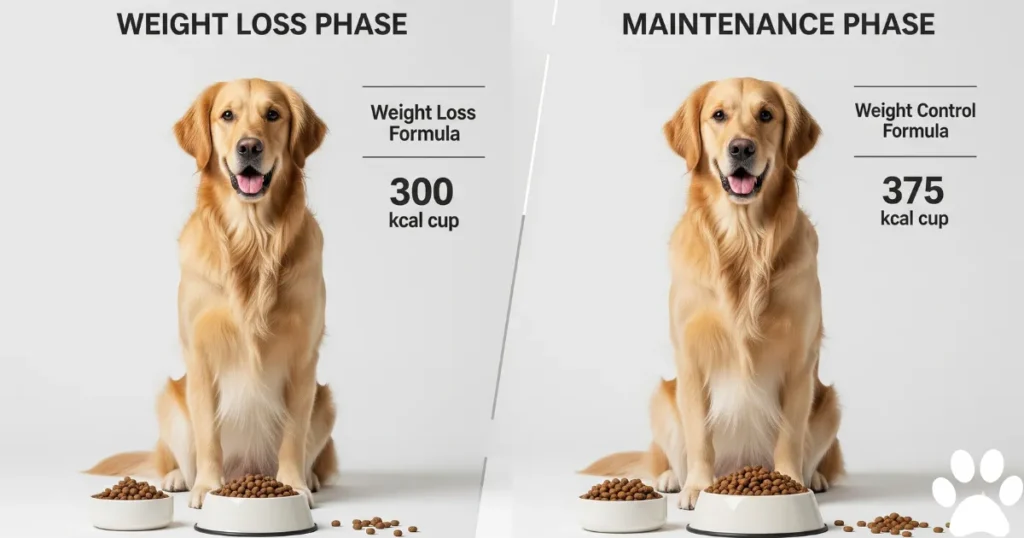
Adjust calories for weight control goals. For weight loss, reduce daily calories by 10-20%. For weight gain, increase by 10-20%. Monitor your dog’s weight weekly. Adjust calories as needed to reach healthy weight. Proper calorie management supports overall well-being and longevity.

Credit: thekindpet.com
Choosing The Right Food Type
Choosing the right food type is key to your dog’s health. Different foods offer different benefits. Some are easy to store, others are fresher or tailored for special needs. Understanding each type helps you pick the best option for your dog’s life stage, size, and health.
Commercial Kibble Vs. Wet Food
Commercial kibble is dry and easy to measure. It lasts long without spoiling. Many dog owners prefer kibble for convenience and cost. Wet food has more moisture and often tastes better to dogs. It helps keep dogs hydrated and suits picky eaters. Both types have balanced nutrients but differ in texture and water content.
Raw And Homemade Diets
Raw diets use uncooked meat, bones, and vegetables. Some believe raw food is closer to a dog’s natural diet. Homemade diets allow control over ingredients. You can avoid fillers and allergens. These diets need careful planning to avoid missing nutrients. Consult a vet before switching to raw or homemade food.
Specialty Diets For Health Conditions
Certain health issues need special diets. Dogs with allergies may need grain-free food. Weight control diets help overweight dogs. Prescription diets support kidney, liver, or digestive health. Specialty foods have balanced nutrients to manage these conditions. Always follow a vet’s advice for these diets.
Portion Control And Feeding Schedule
Portion control and feeding schedule play key roles in your dog’s health. Feeding the right amount at the right times helps maintain weight and energy. Overfeeding can lead to obesity. Underfeeding may cause nutrient deficiencies. A balanced plan supports a happy, active dog.
Determining Portion Sizes
Start by checking your dog’s weight and age. Use the feeding guide on the dog food package. Adjust portions based on activity level. Puppies need more food than adult dogs. Small breeds eat less than large breeds. Use a measuring cup to avoid guessing. Divide daily food into proper meal sizes.
Meal Frequency
Feed adult dogs twice a day. Morning and evening work well. Puppies require three to four meals daily. This supports their growth and energy needs. Keep feeding times consistent every day. This builds routine and helps digestion. Avoid free feeding to control portions better.
Monitoring Weight And Adjusting
Weigh your dog regularly to check health. Look for signs of weight gain or loss. Adjust food portions if your dog changes weight. Increase food for active dogs or during growth. Decrease portions if your dog gains too much. Consult a vet for specific advice. Keep track of changes to maintain balance.
Credit: goldenretrieverinsight.com
Supplements And Treats
Supplements and treats play a key role in a dog’s nutrition. They help fill gaps in the diet and keep dogs happy. Choosing the right supplements and treats supports health and wellbeing.
Not all supplements or treats suit every dog. Understanding when and how to use them ensures the best results.
When To Use Supplements
Supplements help dogs with special health needs. Dogs with joint problems may need glucosamine or omega-3 oils. Puppies and senior dogs often benefit from added vitamins. Use supplements only after talking to a vet. Overuse can harm your dog’s health.
Healthy Treat Options
Choose treats made with natural ingredients. Small pieces of cooked chicken or carrots are good. Fruits like blueberries and apples also work well. Pick treats low in sugar and fat. Treats should not replace main meals.
Avoiding Harmful Additives
Check treat labels for artificial colors and flavors. Avoid treats with preservatives like BHA and BHT. These additives may cause allergies or digestive problems. Select treats with simple, recognizable ingredients. Keep your dog safe and healthy.
Signs Of Nutritional Deficiencies
Recognizing signs of nutritional deficiencies in dogs is vital for their health. Poor nutrition can affect their energy, growth, and overall well-being. Early detection helps prevent serious health problems. Watch closely for changes in behavior or appearance. These signs often reveal that your dog’s diet lacks essential nutrients.
Common Symptoms
Look for dull or dry fur. Hair loss or excessive shedding can occur. Weakness or lack of energy is common. Your dog might seem tired or less playful. Digestive issues like diarrhea or vomiting may appear. Weight loss without reason can signal a problem. Pale gums or slow healing wounds also indicate deficiency. Some dogs develop skin problems or inflammation.
When To Consult A Vet
See a vet if symptoms last more than a few days. Sudden changes in appetite or behavior need attention. If your dog stops eating or drinking, act fast. A vet can test for nutrient shortages accurately. They will suggest diet changes or supplements. Regular check-ups help catch problems early. Don’t wait for severe signs to appear.
Tools And Resources For Nutrition Planning
Planning the best nutrition for your dog needs the right tools and resources. These help you understand your dog’s dietary needs clearly. Using the right tools makes feeding easier and more accurate. You can choose from online calculators, expert advice, and tracking apps. Each tool offers unique help in meeting your dog’s health goals.
Online Calculators
Online calculators estimate your dog’s daily food needs fast. Enter your dog’s weight, age, and activity level. The calculator shows calories and nutrient amounts. These tools save time and reduce guesswork. Many websites offer free dog nutrition calculators. Use them to create a balanced feeding plan easily.
Consulting Pet Nutritionists
Pet nutritionists provide expert advice tailored to your dog. They consider health conditions and breed specifics. Nutritionists suggest the best food types and portion sizes. Their guidance ensures your dog gets the right nutrients. Consult a nutritionist for personalized and reliable plans. This advice supports long-term health and well-being.
Tracking Apps
Tracking apps help monitor your dog’s food intake daily. They record meals, treats, and water consumption. Apps remind you to feed and track changes in weight. Some apps offer tips to improve your dog’s diet. Use tracking apps to keep nutrition goals on track. They make managing your dog’s diet simple and organized.
Frequently Asked Questions
What Factors Affect Calculating Best Nutrition For Dogs?
Dog age, breed, weight, activity level, and health influence nutrition needs. Tailoring diet to these factors ensures optimal health and vitality.
How To Determine Daily Calorie Needs For My Dog?
Calculate your dog’s resting energy needs, then multiply by an activity factor. This estimates daily calories for maintaining a healthy weight.
What Nutrients Are Essential For A Balanced Dog Diet?
Protein, fats, carbohydrates, vitamins, and minerals are vital. Balanced amounts support growth, energy, immune function, and overall well-being.
Can I Use Homemade Food To Meet My Dog’s Nutrition?
Yes, homemade meals can be nutritious if properly balanced. Consult a vet or pet nutritionist to ensure all nutrient needs are met.
Conclusion
Calculating the best nutrition for your dog helps keep them healthy and happy. Use your dog’s age, weight, and activity level as a guide. Choose foods with the right balance of proteins, fats, and vitamins. Watch how your dog responds and adjust portions if needed.
Regular check-ups with your vet support good nutrition. Feeding your dog well is a simple way to show care. Small efforts lead to big benefits in your dog’s life. Keep learning and stay attentive to your dog’s needs.


