

Are you thinking about breeding dogs or just curious if it’s allowed? You might be surprised to learn that breeding dogs isn’t always straightforward or legal everywhere.
Understanding the rules can protect you from unexpected fines or legal trouble. You’ll discover what makes dog breeding legal or illegal, the laws you need to know, and how to stay on the right side of the law while caring for your furry friends.
Keep reading to get the facts that could save you time, money, and stress.

Credit: kfoxtv.com
Legal Status Of Dog Breeding
The legal status of dog breeding varies widely worldwide. Some places have strict laws to protect animals and regulate breeders. Others have fewer rules, making breeding easier but sometimes riskier for dogs.
Understanding these laws helps breeders and buyers stay safe and responsible. Laws aim to prevent cruelty and ensure healthy breeding practices.
Breeding Laws By Country
Countries set different rules for dog breeding. In the United States, laws differ by state, with some states requiring licenses and inspections. The United Kingdom has strict regulations under the Animal Welfare Act. Australia enforces breeding standards through state laws.
Many European countries demand breeders to register and follow welfare guidelines. These laws protect dogs from poor conditions and overbreeding.
Local Regulations And Permits
Local governments may require permits to breed dogs. These permits often come with inspections to check on dog care. Some towns limit the number of dogs a person can breed. Others require regular health checks and record-keeping.
Permits ensure breeders follow animal welfare rules. They also help stop illegal or harmful breeding practices.
Breeding Restrictions And Bans
Some regions ban breeding certain dog breeds. These bans often target breeds seen as dangerous. Other places restrict breeding to reduce stray dog populations. Some laws limit breeding to licensed kennels only.
Restrictions protect both dogs and the public. They help reduce puppy mills and illegal sales.
Licensing And Registration
Licensing and registration play a key role in dog breeding laws. They help ensure breeders follow rules that protect dogs and buyers. Many places require breeders to get a license before starting. This keeps breeding safe and legal. Understanding these rules helps avoid trouble and promotes responsible breeding.
Requirements For Breeders
Breeders must meet specific rules to get a license. They often need a clean facility that is safe for dogs. Proper care, feeding, and medical attention must be provided. Some areas require a minimum space per dog. Paperwork proving knowledge of animal care is sometimes needed. These rules help keep puppies healthy and happy.
How To Obtain A License
To get a breeding license, apply to the local animal control or government office. Fill out forms detailing your breeding plans. Pay any required fees. An inspection of your property may happen to check conditions. Passing this inspection is important to receive the license. Licenses usually have a time limit and need renewal.
Penalties For Unlicensed Breeding
Breeding dogs without a license can lead to serious penalties. Fines are common and can be very high. Authorities may shut down your breeding operation. Confiscation of dogs is possible if they suffer neglect. Repeat offenses can lead to criminal charges. Licensing helps avoid these risks and supports ethical breeding.
Animal Welfare Concerns
Animal welfare is a key concern in dog breeding. Many problems arise from poor breeding methods. These issues affect dogs’ health and happiness. Understanding these concerns helps protect animals and improve breeding standards.
Common Issues In Dog Breeding
Poor breeding often leads to overcrowded and dirty conditions. Dogs may lack proper food, water, and medical care. Breeders focused on profit ignore the animals’ needs. Puppies can be taken from their mothers too early. These practices cause stress and fear in dogs.
Impact On Dogs’ Health
Bad breeding can cause genetic defects and diseases. Dogs may suffer from weak bones, heart problems, or skin issues. Many puppies have a shorter life span. Health problems can lead to pain and expensive treatments. Proper care and good breeding reduce these risks.
Ethical Breeding Practices
Ethical breeders focus on the health and behavior of dogs. They provide clean homes, good food, and vet care. Puppies stay with their mothers until they are ready. Breeders test for genetic diseases and avoid unhealthy pairings. This approach helps raise strong and happy dogs.
Commercial Vs. Hobby Breeding
Breeding dogs can be done for many reasons. Two common ways are commercial and hobby breeding. These types differ in size, goals, and rules. Understanding these differences helps you see which is legal and safe.
Differences In Regulations
Commercial breeders must follow strict laws. They often need licenses and regular inspections. These rules protect dog welfare and buyers. Hobby breeders usually have fewer rules. They breed dogs for fun or small sales. Some places still require hobby breeders to register. Rules vary by country and state.
Pros And Cons Of Each Type
Commercial breeding can produce many puppies fast. It may lead to poor care if done wrong. Hobby breeding focuses on quality and care. It usually means fewer puppies and more attention. Commercial breeders can face fines for breaking laws. Hobby breeders may lack experience or resources. Both types need responsible care for dogs.
Reporting Illegal Operations
Illegal dog breeding harms animals and buyers. Signs include poor living conditions and lack of health checks. Report suspicious breeders to local authorities. Animal welfare groups can also help. Providing clear information speeds up action. Protect dogs by speaking up against illegal breeding.
Buying From Responsible Breeders
Buying a dog from a responsible breeder helps ensure the health and happiness of your new pet. Responsible breeders care about the animals’ well-being. They follow ethical breeding practices. This means they focus on good care, proper health checks, and socializing puppies well.
Choosing a responsible breeder reduces risks like genetic problems or poor living conditions. It also supports breeders who treat dogs with respect and love. Knowing how to spot ethical breeders and what questions to ask helps you make a wise decision.
Signs Of Ethical Breeders
Ethical breeders show a strong commitment to dog welfare. They provide clean and safe environments for their dogs. Puppies receive regular health checks and vaccinations. Breeders are open about the dog’s health history and family background. They welcome visits and allow you to meet the puppy’s parents. Ethical breeders do not sell puppies too early or in large numbers. They also give advice on care and training after purchase.
Questions To Ask Before Purchase
Ask if the breeder screens for genetic diseases common in the breed. Request health clearances and vaccination records. Inquire about the parents’ temperaments and health. Find out how the puppies are socialized. Ask if the breeder offers a return policy or support after sale. Question how the breeder raises puppies during their first weeks. Knowing these details helps you avoid problems later.
Alternatives To Breeder Dogs
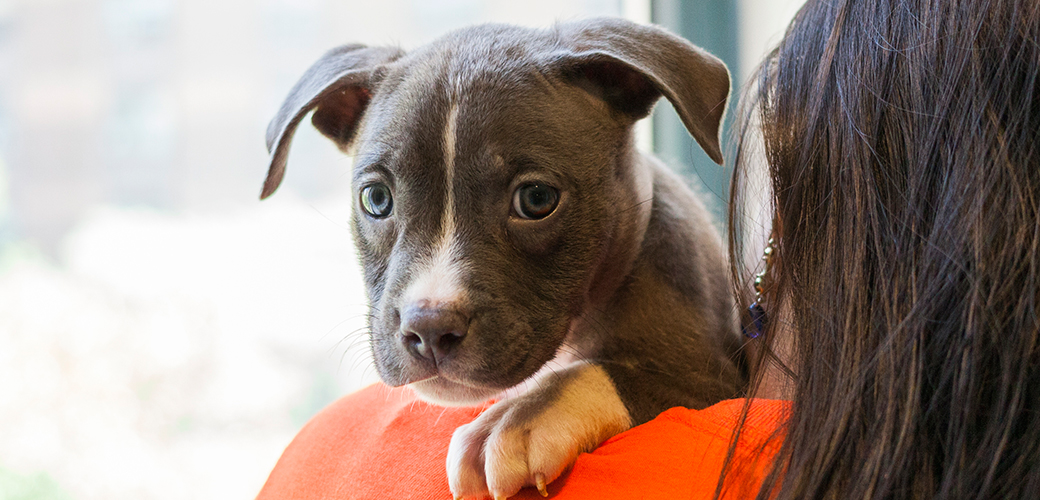
Consider adopting from shelters or rescue groups. Many dogs need loving homes and come with fewer health risks. Adoption fees are usually lower than breeder prices. Shelters offer mixed breeds and purebreds. Rescue organizations often provide health and behavior info. Adopting helps reduce homeless dog populations. It also supports animal welfare efforts in your community.
Credit: www.aspca.org
Recent Changes In Breeding Laws
Recent changes in dog breeding laws aim to protect animal welfare and public safety. Many governments have introduced stricter rules to control breeding practices. These changes affect breeders, buyers, and pet lovers alike. Understanding these laws helps avoid legal issues and ensures ethical breeding. Below are key points about the new laws and their impact.
New Legislation Trends
Many places now require breeders to have licenses. These licenses ensure breeders meet health and safety standards. Some laws limit the number of litters a dog can have. Others ban breeding certain dog breeds deemed dangerous. New rules also focus on better living conditions for breeding dogs. Regular inspections by authorities are becoming common. These trends aim to stop puppy mills and illegal breeding.
Impact On Breeders And Buyers
Breeders must follow stricter guidelines to stay legal. They may need to update facilities and records. Some small breeders might close due to high costs. Buyers gain more protection with clear breeder information. They can check if breeders are registered and licensed. This helps buyers avoid unhealthy or poorly bred dogs. Overall, the laws promote safer and fairer dog sales.
How To Stay Updated
Check government websites for the latest breeding laws. Join local animal welfare groups for news and tips. Follow trusted animal organizations on social media. Sign up for newsletters from breeders’ associations. Consult with veterinarians about current breeding regulations. Staying informed helps comply with laws and protect dogs.

Credit: kmph.com
Frequently Asked Questions
Is Breeding Dogs Illegal Everywhere?
No, dog breeding is not illegal everywhere. Laws vary by country and state. Some areas have strict regulations; others do not.
What Laws Regulate Dog Breeding?
Dog breeding laws typically cover licensing, animal welfare, and facility standards. These laws aim to prevent cruelty and ensure ethical breeding practices.
Can I Breed Dogs Without A License?
In many places, breeding dogs without a license is illegal. A license ensures breeders meet legal and ethical standards for animal care.
What Are The Penalties For Illegal Dog Breeding?
Penalties for illegal breeding can include fines, business closure, and even jail time. Laws protect animals and promote responsible breeding.
Conclusion
Breeding dogs is not always illegal. Laws vary by place and situation. Some areas require licenses and rules to protect animals. Breeders must follow these laws carefully. Illegal breeding can harm dogs and lead to penalties. Responsible breeding helps keep dogs healthy and safe.
Always check local laws before starting to breed dogs. Understanding the rules protects you and the dogs. Stay informed and act with care and respect. Breeding dogs is a serious task that needs responsibility.


