

Training your dog to lie down on command is one of the most useful skills you can teach. It helps keep your pet calm, safe, and well-behaved in many situations.
But you might wonder how to start or why it sometimes feels so hard. Don’t worry—this guide will show you simple, clear steps that anyone can follow. By the end, you’ll have the tools to make training easy and even fun for both you and your dog.
Ready to take control and strengthen your bond? Let’s dive in.
Prepare For Training
Preparing for dog training is the first step to success. This stage helps create a calm and focused learning space. Preparation makes training easier for both you and your dog. Clear plans and the right tools improve results. Start by setting up the best environment and gathering what you need. Then, decide what you want to achieve with your dog’s training.
Choose The Right Environment
Select a quiet, familiar place for training. Avoid noisy or busy spots that distract your dog. A small space helps your dog focus on commands. Use a room or backyard with little foot traffic. Keep the area free from toys and other distractions. This helps your dog pay attention to you.
Gather Necessary Supplies
Have treats ready to reward your dog. Use small, tasty snacks that your dog loves. Bring a leash and collar to keep your dog close. Use a clicker if you plan to clicker train. Prepare a comfortable mat or bed for the down command. Having supplies ready keeps training smooth and quick.
Set Clear Goals
Decide what you want your dog to learn. For the down command, focus on calmness and obedience. Set small steps like lying down for a few seconds first. Plan how long each session will last. Keep training short to maintain your dog’s interest. Clear goals guide your actions and track progress.
Teach The Down Command
Teaching your dog the down command is a key step in training. It helps your dog stay calm and listen better. A dog that knows how to lie down on command is easier to control. This command can keep your dog safe in many situations. Training should be simple and clear for your dog to understand.
Use Lure Technique
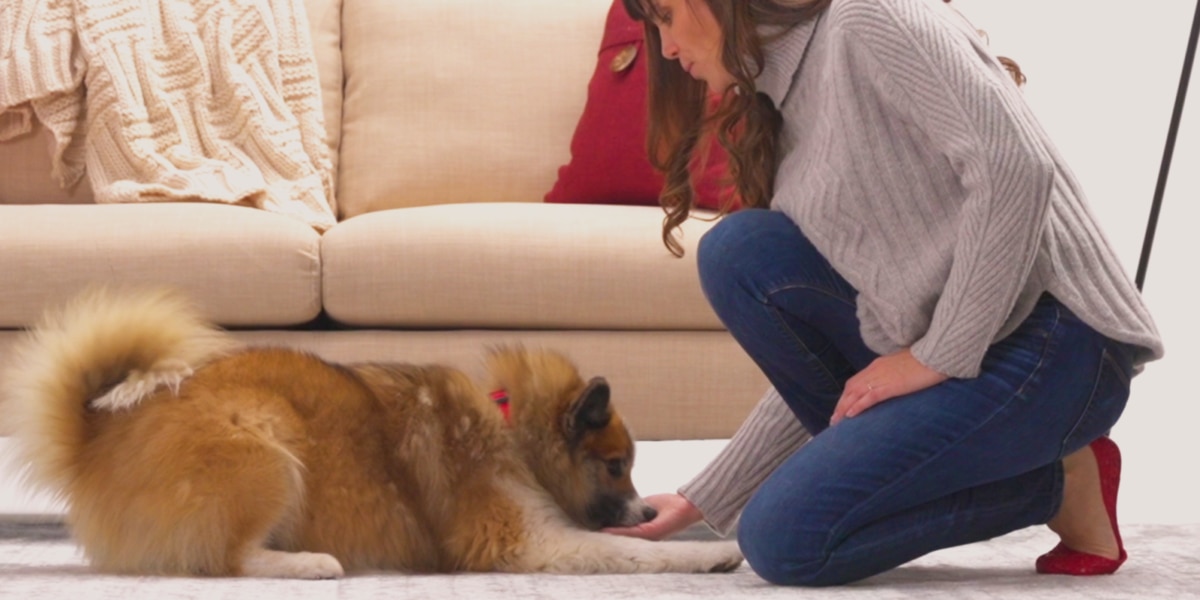
Start by holding a treat close to your dog’s nose. Slowly move the treat down to the floor. Your dog will follow the treat with its head and body. When your dog lies down, say “down” and give the treat. Practice this several times until your dog gets it. This method helps your dog learn quickly and clearly.
Incorporate Verbal Cues
Say the word “down” clearly every time your dog lies down. Use a calm and steady voice. This helps your dog connect the word with the action. Repeat the word often during training sessions. Keep your commands short and simple. Consistency is important for your dog to learn well.
Practice Hand Signals
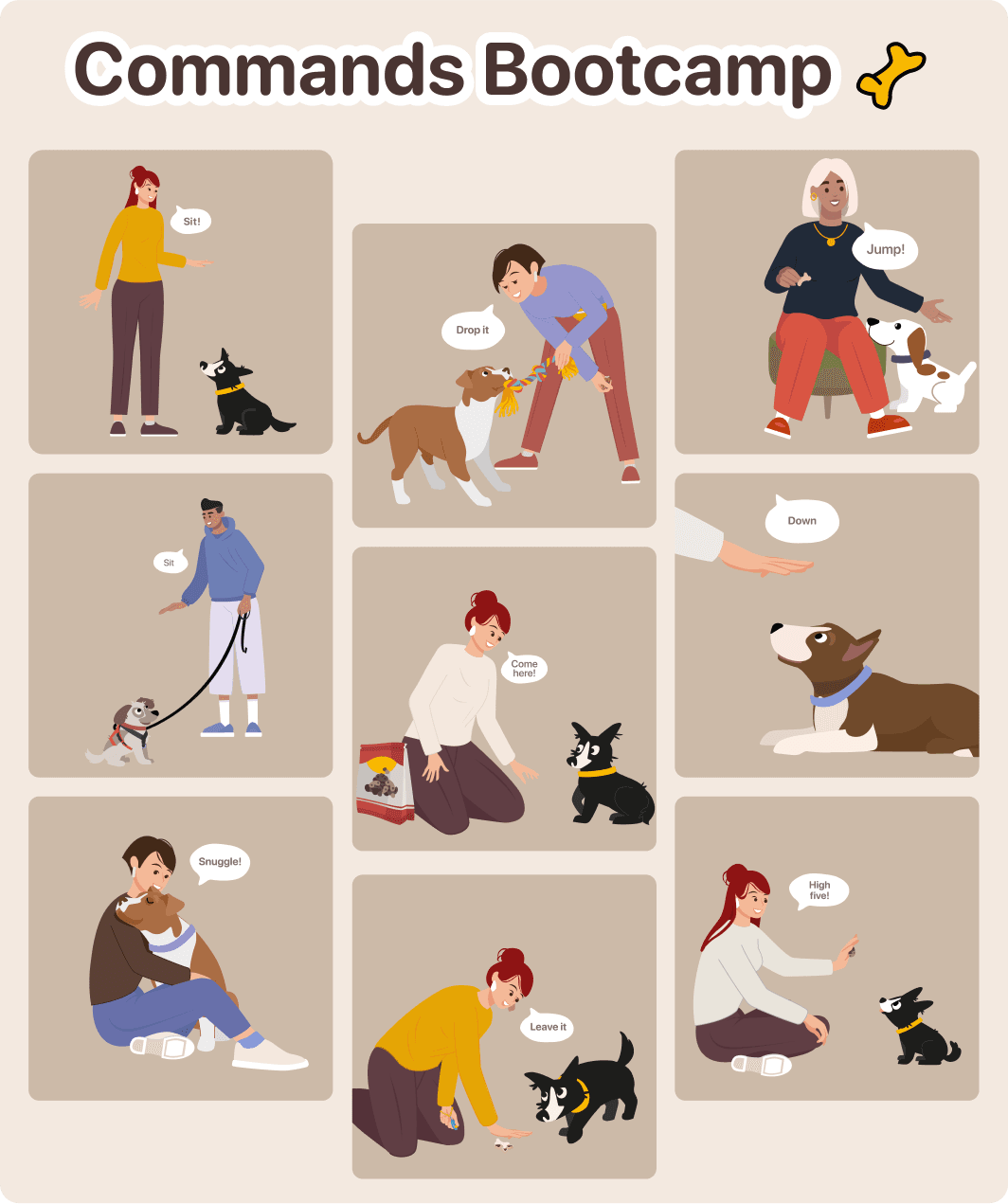
Use a clear hand signal with the verbal command. For example, point your hand downward as you say “down.” Dogs understand gestures well. This helps your dog respond even when you do not speak. Practice the hand signal often with the verbal cue. Soon, your dog will respond to both signals easily.
Reinforce The Behavior
Reinforcing your dog’s “down” command helps the behavior stick. Dogs learn best when they understand what you want. Rewarding good actions makes your dog want to repeat them. Consistency and clear signals guide your dog to success. Focus on positive moments to build trust and understanding.
Apply Positive Reinforcement
Use treats, praise, or petting as rewards. Give these immediately after your dog lies down. This shows your dog the action is right. Positive reinforcement makes training fun and effective. Avoid punishment, which can create fear or confusion.
Use Consistent Rewards
Always reward the same behavior the same way. This helps your dog link the “down” command to the reward. Change rewards only to keep your dog interested. Use small treats or short play sessions. Consistency helps your dog learn faster and better.
Avoid Common Mistakes
Do not reward your dog too late. Delayed rewards confuse your dog. Avoid repeating the command over and over. Say “down” once, then wait for your dog to respond. Never punish your dog for not obeying. Training should be patient and kind.
Credit: www.purina.com
Increase Training Difficulty
Increasing the difficulty of your dog’s down training helps build stronger skills. It prepares your dog to listen no matter the situation. Gradually making training harder keeps your dog focused and ready to obey.
Add Distractions
Start by adding small distractions around your dog. Use toys, noises, or other people nearby. This helps your dog learn to stay down even with things happening around. Keep distractions light at first. Gradually increase them as your dog improves.
Extend Duration Of Down
Make your dog stay down for longer times. Begin with a few seconds and slowly add more. This builds patience and control. Use calm praise and treats after each success. Avoid rushing, as this can confuse your dog.
Practice In Different Settings
Train your dog in various places. Try indoors, outdoors, parks, or quiet rooms. Different settings teach your dog to obey anywhere. It also makes training more interesting for your dog. Change locations often to keep your dog alert and focused.
Troubleshoot Challenges
Training your dog to lie down can sometimes be tricky. Some dogs do not follow commands right away. Small problems may stop progress. Understanding common challenges helps keep training smooth and positive.
Address Resistance
Dogs may resist lying down for many reasons. Fear, discomfort, or confusion can cause resistance. Use gentle encouragement and patience. Break the command into smaller steps. Reward small successes to build confidence. Avoid forcing your dog to lie down. This can create fear and delay learning.
Manage Overexcitement
Excited dogs often find it hard to stay still. High energy makes lying down difficult. Calm your dog before training sessions. Use a quiet place with few distractions. Teach your dog to relax first. Reward calm behavior before asking for the down command. Keep training sessions short to hold attention.
Seek Professional Help
Some dogs need extra help with training. Trainers or behaviorists offer expert advice. They can spot issues you might miss. Professional help saves time and frustration. Choose a trainer who uses positive methods. Early help prevents bad habits from forming. Training your dog becomes easier with the right support.
Credit: www.woofz.com
:strip_icc()/train-puppy-to-lay-down-2805078-final-f45c61fc6fa84a7ab4b58e4e99c731e1.png)
Credit: www.thesprucepets.com
Frequently Asked Questions
How Long Does It Take To Train A Dog To Lie Down?
Training time varies by dog, but most learn “down” in 1-2 weeks. Consistent daily practice speeds progress. Short, frequent sessions help dogs remember commands better.
What Is The Best Method To Teach A Dog “down”?
Use positive reinforcement with treats and praise. Start from a sitting position, lure the dog down with a treat, and reward immediately when they lie down.
How Often Should I Practice The “down” Command?
Practice the “down” command 2-3 times daily in short 5-minute sessions. Regular practice reinforces learning and builds a strong habit for your dog.
Can All Dog Breeds Learn The “down” Command?
Yes, all dog breeds can learn “down. ” Training success depends on consistency, patience, and positive reinforcement, regardless of breed or size.
Conclusion
Training your dog to lie down takes time and patience. Use clear commands and gentle rewards. Practice often in quiet places at first. Stay calm and consistent with your training steps. Celebrate small wins to keep your dog motivated. Remember, every dog learns at their own pace.
Keep sessions short and fun to avoid stress. Soon, your dog will follow the down command easily. Training builds trust and strengthens your bond. Enjoy the process and stay positive throughout.


