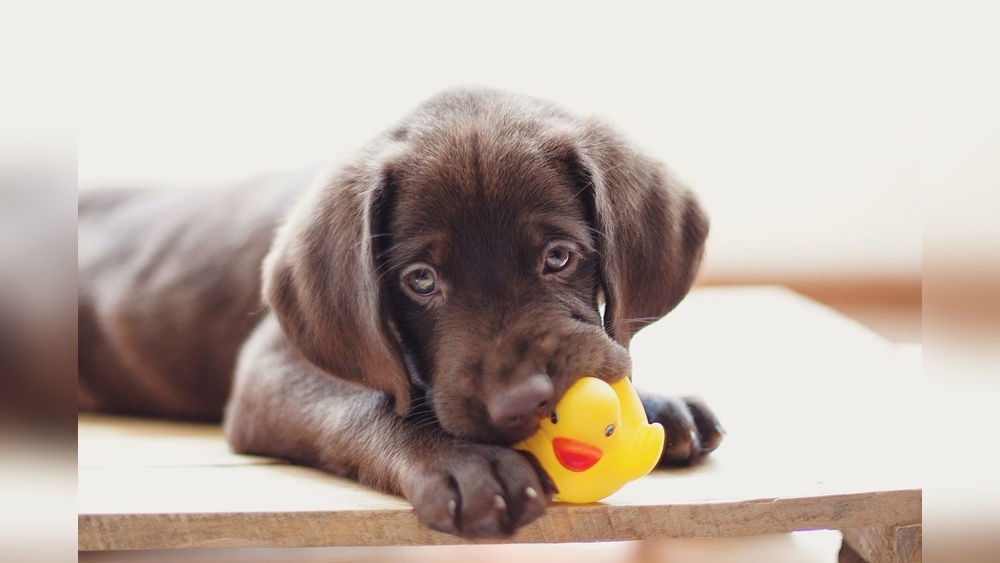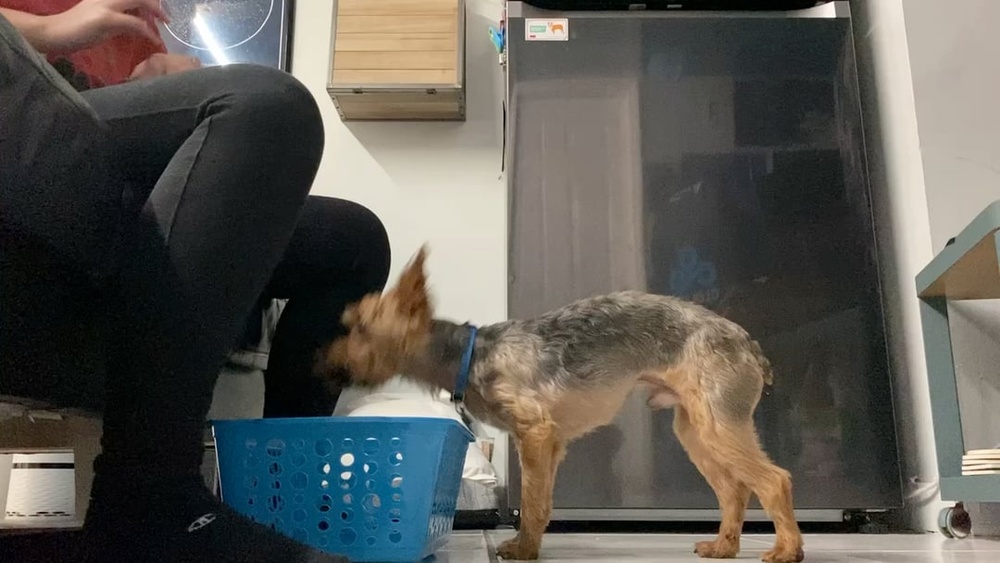
Imagine your living room free of scattered toys, where your dog happily tidies up after playtime. Sounds like a dream, right?
Teaching your dog to put his toys away isn’t just about cleanliness—it’s about building a stronger bond and giving your pet a fun, rewarding task. If you’ve ever wished for a simple way to keep your home neat while engaging your dog’s mind, you’re in the right place.
Keep reading, and you’ll discover easy, step-by-step tips to turn toy cleanup into a game your dog loves.
Benefits Of Toy Cleanup
Teaching your dog to put his toys away brings many benefits. It helps keep your living space clean and safe. Your dog also learns good habits and self-control. This activity builds a stronger connection between you and your dog. Let’s explore these benefits in detail.
Keeps Your Home Tidy
Dog toys can scatter all over the house. This creates clutter and makes cleaning harder. Teaching your dog to tidy up stops this mess. It saves you time and effort. A clean home feels more comfortable and welcoming.
Enhances Dog’s Discipline
Putting toys away is a simple way to teach discipline. Your dog learns to follow instructions and focus. This practice improves obedience and patience. These skills make training other commands easier. Discipline helps your dog behave better in daily life.
Strengthens Your Bond
Training your dog together builds trust and friendship. Toy cleanup becomes a shared activity you both enjoy. Your dog feels proud to please you. This positive interaction deepens your relationship. A strong bond improves your dog’s happiness and well-being.
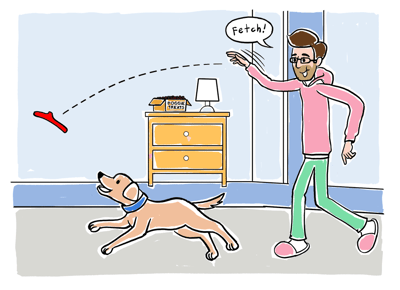
Credit: www.preventivevet.com
Choosing The Right Toys
Choosing the right toys is key to teaching your dog to put toys away. Toys that suit your dog’s size and play style make learning easier. The right toys keep your dog interested and motivated. Here are important points to consider when picking toys for this training.
Safe And Durable Options
Choose toys made from strong, non-toxic materials. Soft toys may tear easily, causing choking risks. Durable toys last longer and stand up to chewing. Avoid small parts that can break off and be swallowed. Safety helps your dog play without harm or fear.
Easy-to-handle Toys
Select toys your dog can easily carry in their mouth. Lightweight toys are better for small or young dogs. Toys with simple shapes work best for quick pickup. Avoid toys that are too big or heavy. Easy handling helps your dog learn to fetch and store toys fast.
Setting Up A Toy Storage Spot
Setting up a toy storage spot helps your dog learn to clean up. A clear, easy place makes the task simple for your dog. It also keeps your home tidy and toys safe. Start by choosing a good spot and the right container. These steps make training easier and fun.
Selecting A Convenient Location
Pick a spot your dog visits often. Near the play area works best. It should be easy for your dog to reach. Avoid places with too much noise or distraction. The spot must stay the same every day. This helps your dog remember where to put toys.
Using Baskets Or Containers
Choose a basket or container that fits your dog’s toys. It should be light enough for your dog to move. Open baskets work well because toys are easy to see. Avoid heavy boxes that are hard to open. Clean containers keep toys fresh and smell good. Label the basket with a picture or word if possible.
Introducing The Cleanup Command
Teaching your dog to put away toys can make your home tidier. The first step is introducing a cleanup command. This command tells your dog what you want him to do. It creates clear communication between you and your dog. Starting with a simple word helps your dog learn faster. Pairing the word with actions makes the training clearer. This section explains how to introduce the cleanup command effectively.
Choosing A Clear Command Word
Pick a short, easy word for the cleanup command. Words like “tidy,” “clean,” or “put away” work well. Use the same word every time. This helps your dog understand what to do. Avoid using words that sound like other commands. Keep the tone happy and firm. Consistency is key to good learning.
Demonstrating The Action
Show your dog what putting toys away means. Pick up a toy and place it in the toy box yourself. Do this slowly so your dog can watch. Repeat the action several times. Use the command word as you do it. This links the word with the action. Your dog will start to copy the behavior soon.
Step-by-step Training Process
Teaching your dog to put toys away needs patience and clear steps. This process builds good habits and keeps your home tidy. Follow simple, easy steps to help your dog learn quickly.
Encouraging Retrieval
Start by showing your dog a toy. Use a happy voice to ask for the toy. When your dog picks it up, praise them gently. Practice this step several times a day. Keep sessions short and fun to hold their interest.
Guiding To The Storage Area
Next, lead your dog to the toy box or basket. Use a leash or your hand to guide them. Show the toy box clearly and encourage your dog to move toward it. Repeat this step often until your dog understands where the toys belong.
Rewarding Each Success
Give treats or affection every time your dog puts a toy away. Use calm, happy words like “Good job!” Reward immediately to connect the action and praise. This positive feedback helps your dog want to repeat the behavior.
Using Positive Reinforcement
Using positive reinforcement is a gentle and effective way to teach your dog new habits. It encourages good behavior by rewarding your dog when he does the right thing. This method builds trust and makes learning fun for your dog. It helps your dog understand what you want without fear or confusion.
Treats And Praise
Treats are a strong motivator for dogs. Use small, tasty treats to reward your dog each time he puts a toy away. Combine treats with kind words like “good job” or “well done.” This mix of food and praise makes the reward clear. Your dog will quickly link putting toys away with something positive.
Timing Rewards Effectively
Give the reward right after your dog puts the toy away. Immediate rewards help your dog connect the action with the praise. Waiting too long may confuse your dog about what you are rewarding. Be consistent with timing to speed up learning. Quick rewards make positive reinforcement powerful and clear.
Troubleshooting Common Issues
Troubleshooting common issues helps keep training on track. Teaching your dog to put toys away can face some bumps. Understanding these problems helps you fix them quickly. Stay patient and consistent for better results.
Ignoring The Command
Sometimes, dogs ignore the “put away” command. They may not understand what you want. Try using clear, simple words. Show the action by guiding their paw or nose. Reward any small effort to encourage them. Avoid repeating the command too fast or too many times. Give your dog time to learn and respond.
Losing Interest In Toys
Dogs may lose interest in their toys during training. This can slow progress or cause frustration. Use toys your dog likes best. Change toys often to keep things fresh. Keep training sessions short and fun. End on a positive note with praise or a treat. This keeps your dog excited to learn.
Mistakes To Avoid
Don’t get angry or punish your dog. This can cause fear and confusion. Avoid training when your dog is tired or hungry. Keep sessions short to hold attention. Don’t rush the process; each dog learns at their own pace. Always reward good behavior to build positive habits. Consistency is key to success.
Credit: www.chewy.com
Maintaining The Habit
Teaching your dog to put toys away is just the first step. Maintaining this habit needs patience and routine. Dogs learn best with regular practice and clear signals. Keep the training consistent to help your dog remember what to do every time.
Regular Practice Sessions
Practice every day, even for a few minutes. Short sessions work better than long ones. Use the same commands and actions each time. This helps your dog connect the behavior with the reward. Consistency builds strong habits.
Try to practice in different rooms or at different times. This helps your dog understand the habit applies everywhere. Praise your dog warmly when he puts toys away correctly. Positive feedback encourages him to repeat the behavior.
Gradually Reducing Rewards
Start with giving treats or praise every time your dog puts toys away. Slowly reduce treats after your dog gets used to the habit. Give treats only sometimes, but keep praising with words and petting. This teaches your dog to do the task without always expecting a treat.
Watch your dog’s response closely. If he forgets, return to more frequent rewards. Patience helps keep the habit strong. Eventually, your dog will put toys away just for your praise and attention.
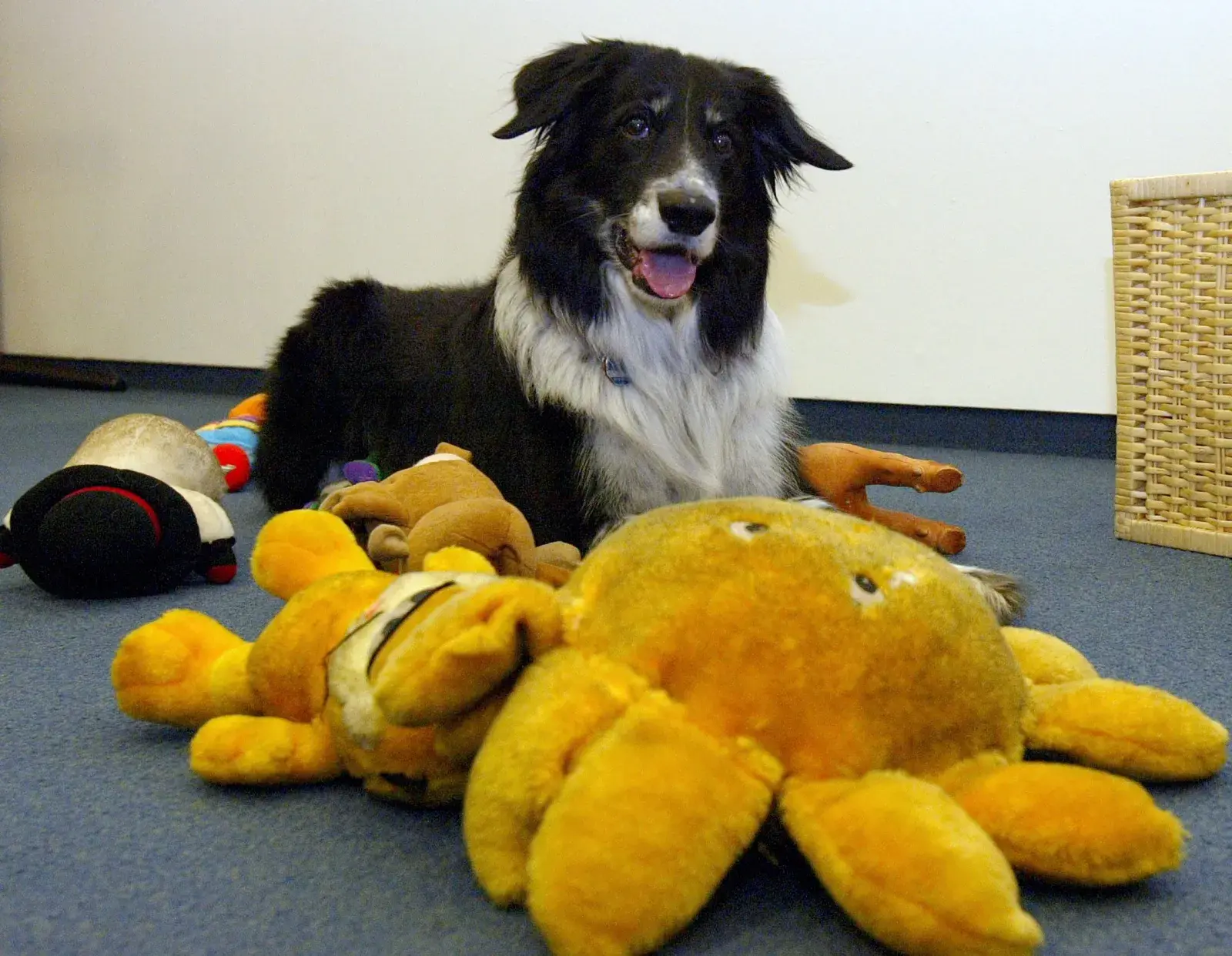
Credit: www.newsweek.com
Frequently Asked Questions
How Do I Start Teaching My Dog To Tidy Toys?
Begin by choosing one toy and showing your dog where to place it. Use clear commands and rewards. Repeat consistently to build habit and understanding.
What Commands Work Best For Toy Cleanup Training?
Simple commands like “put away” or “tidy up” work well. Use the same phrase every time. Consistency helps your dog learn faster.
How Long Does It Take Dogs To Learn Toy Cleanup?
Training duration varies by dog. With daily practice, many learn within 1-2 weeks. Patience and positive reinforcement speed up the process.
Can All Dog Breeds Learn To Put Toys Away?
Yes, all breeds can learn this with proper training. Some may need more time or motivation. Tailor your approach to your dog’s personality.
Conclusion
Teaching your dog to put toys away takes patience and practice. Start with small steps and praise often. Use clear commands and show your dog what to do. Keep training sessions short and fun to hold their attention. Soon, your dog will enjoy helping clean up.
This habit keeps your home tidy and strengthens your bond. Consistency is key—repeat the routine daily. With time, your dog will understand and respond happily. Simple, clear training builds trust and good behavior. Enjoy the process and celebrate each small success together.