

Does your dog start whining the moment you step into the car? You’re not alone.
Many pet owners face this challenge, and it can turn what should be a pleasant ride into a stressful experience for both you and your furry friend. But imagine a calm, quiet car trip where your dog feels safe and relaxed.
You’ll discover simple and effective ways to stop your dog from whining in the car—methods that actually work and make traveling enjoyable again. Keep reading, because your next car ride could be your best one yet.
Reasons Dogs Whine In Cars
Dogs may whine in cars for different reasons. Understanding these reasons helps you calm your pet. It also makes car rides easier for both of you. Here are some common causes of whining in cars.
Anxiety And Fear
Many dogs feel scared in cars. Strange sounds and movements can upset them. They may worry about leaving home or new places. This fear causes whining as a way to express stress.
Motion Sickness
Car rides can make some dogs feel sick. Their stomachs get upset by the moving vehicle. Whining can be a sign of nausea or discomfort. Dogs may also drool or try to vomit.
Lack Of Familiarity
Dogs new to car rides often whine out of confusion. They do not understand what is happening. The strange environment makes them uneasy. Familiar trips and practice can help reduce this stress.
Attention Seeking
Some dogs whine to get your attention. They want comfort or play during the ride. Whining becomes a habit if it works for them. Giving attention for quiet behavior helps stop this.

Credit: www.reddit.com
Preparing Your Dog For Car Rides
Preparing your dog for car rides helps reduce whining and anxiety. Dogs need time to get used to the car environment. Careful preparation makes trips pleasant for both of you. Start slowly and build positive experiences step by step.
Short Practice Trips
Begin with very short drives around the block. Keep these trips less than five minutes. Gradually increase the length as your dog feels more comfortable. Praise your dog after each ride to build good feelings. Short trips create a calm habit before longer journeys.
Comfortable Seating
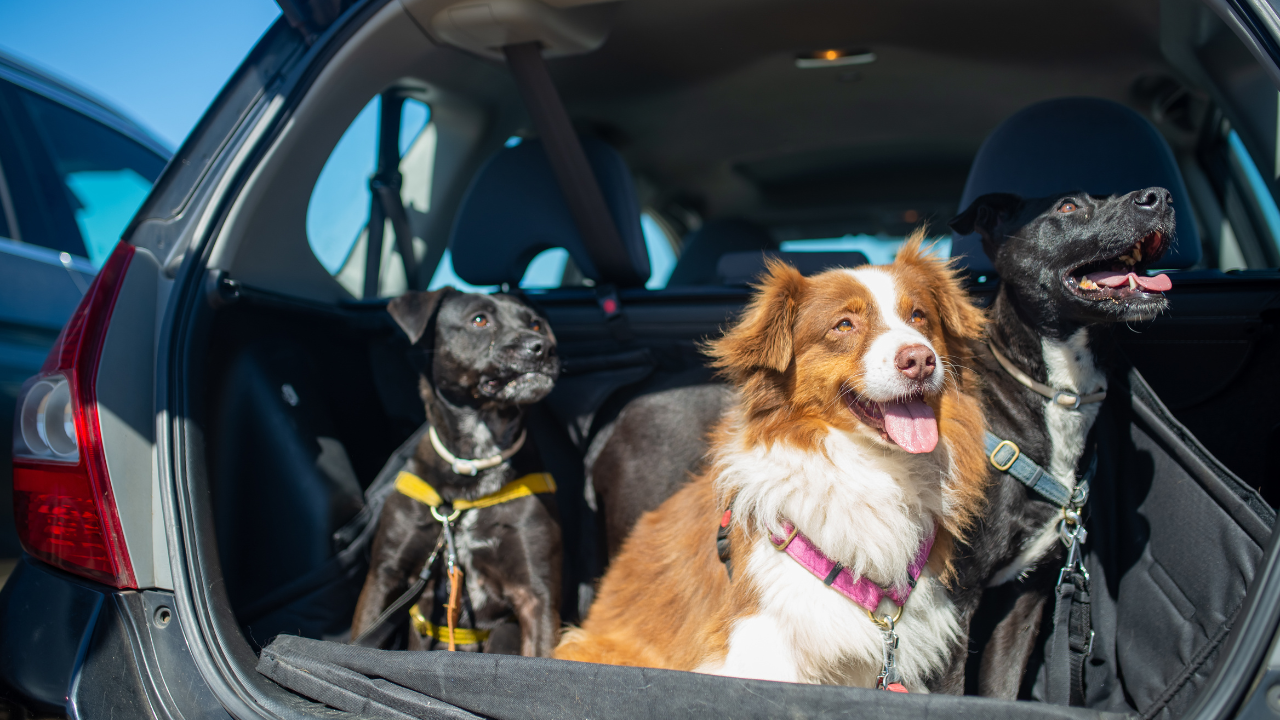
Make sure your dog has a soft, safe spot to sit. Use a pet seat cover or blanket for comfort. Secure your dog with a harness or seatbelt to prevent movement. Familiar bedding helps your dog relax during the ride. A cozy seat reduces stress and whining.
Bringing Favorite Toys
Bring your dog’s favorite toys along for the trip. Toys distract and comfort your dog during travel. Chew toys or soft plushies work best. Rotate toys to keep your dog interested. A familiar toy feels like a friend on the road.
Using Calming Scents
Use calming scents like lavender or chamomile near your dog. These scents can help soothe nervous dogs. Try a small spray or a scented collar. Always check your dog’s reaction to new smells. Calming scents create a peaceful car ride atmosphere.
Calmness Techniques During Rides
Keeping your dog calm during car rides helps stop whining fast. Dogs feel uneasy in moving vehicles. Calmness techniques make rides peaceful for both of you. These simple steps lower stress and help your dog relax.
Gentle Reassurance
Speak softly to your dog while driving. Use a calm, soothing voice. Pet your dog gently to show comfort. Your touch tells your dog you are there. This helps reduce anxiety and whining.
Playing Soft Music
Play gentle music inside the car. Soft melodies can calm your dog’s nerves. Avoid loud or sudden sounds. Music creates a peaceful atmosphere. It helps your dog focus on calm sounds, not the road noise.
Frequent Breaks
Stop often during long drives. Let your dog stretch and walk a bit. Breaks reduce restlessness and boredom. Fresh air and movement ease tension. This keeps your dog happy and quiet on the road.
Avoiding Overstimulation
Keep the car environment calm and simple. Avoid loud noises and too many people. Too many sights and sounds can scare your dog. A quiet, steady ride helps your dog feel safe. Limit distractions to prevent whining.
Credit: bethebossdogtraining.com
Training Strategies To Reduce Whining
Training your dog to stop whining in the car takes patience and clear steps. Using the right methods helps your dog feel calm and safe. These strategies focus on teaching your dog good behavior in the car. Consistent practice will lower whining and make rides more peaceful.
Positive Reinforcement
Reward your dog for calm behavior in the car. Use treats, praise, or petting as a reward. This teaches your dog that being quiet brings good things. Avoid giving attention when your dog whines. Positive reinforcement helps your dog learn faster.
Desensitization Exercises
Start with short car rides to reduce fear or stress. Let your dog sit in the parked car first. Gradually increase the time and distance of rides. This helps your dog get used to the car slowly. Desensitization lowers anxiety that causes whining.
Crate Training In Cars
Use a crate to create a safe space in the car. Make sure the crate is comfortable and secure. Dogs feel protected and less likely to whine inside a crate. Practice crate time at home before car rides. This method builds calmness and reduces stress.
Rewarding Quiet Behavior
Notice and reward moments when your dog is quiet. Give treats or gentle praise during calm times in the car. This encourages your dog to stay silent for longer. Rewarding quiet behavior helps to form good habits quickly.
Tools And Products To Help
Stopping a dog from whining in the car often needs more than patience. Tools and products can make the ride calmer and safer. Using the right gear helps your dog feel secure. It also reduces stress for both of you during trips.
Dog Seat Belts And Harnesses
Dog seat belts and harnesses keep your pet safe in the car. They stop your dog from moving around too much. This limits distractions while driving. Harnesses spread pressure evenly, making your dog more comfortable. Many come with easy clips for seat belt slots.
Calming Supplements
Calming supplements help reduce anxiety in dogs. They often contain natural ingredients like chamomile or valerian root. These supplements can make your dog more relaxed before and during travel. Always check the right dose for your dog’s size. Consult a vet before starting any new supplement.
Thundershirts And Wraps
Thundershirts and wraps apply gentle pressure on your dog’s body. This pressure has a calming effect, similar to a hug. Many dogs feel less anxious wearing them. They are easy to use and fit under most seat belts. Great for nervous dogs on car rides.
Carriers And Crates
Carriers and crates create a cozy space for your dog. They help dogs feel safe and reduce movement in the car. Choose a crate that fits your dog comfortably. Secure the crate with seat belts to prevent sliding. This setup often reduces whining and stress.
When To Consult A Veterinarian
Knowing when to consult a veterinarian is important for your dog’s health and comfort during car rides. Some signs show that your dog needs professional help. Early action can prevent bigger problems. Here are key points to watch for.
Signs Of Motion Sickness
Motion sickness can cause your dog to whine and drool. They may vomit or seem dizzy. If these signs happen often in the car, see a vet. The vet can suggest treatments to ease sickness.
Severe Anxiety Symptoms
Whining might mean your dog feels scared or stressed. Watch for shaking, panting, or trying to escape. If your dog shows strong anxiety, a vet can help. Anxiety can affect their health and safety during trips.
Medication Options
A vet can recommend safe medicines for motion sickness or anxiety. These can calm your dog and reduce whining. Never give human medicine without a vet’s advice. Proper medication helps your dog stay calm and happy.
Professional Training Help
Sometimes, behavior issues need more than medicine. A vet may suggest a trainer or behaviorist. Professional help can teach your dog to enjoy car rides. Training improves your dog’s confidence and reduces whining.
Credit: tailschirocare.com
Frequently Asked Questions
Why Does My Dog Whine In The Car?
Dogs often whine in cars due to anxiety, discomfort, or excitement. It can also signal motion sickness or a need for attention and reassurance during travel.
How Can I Calm My Dog During Car Rides?
Use calming techniques like gentle petting, playing soft music, and providing treats. Gradually acclimate your dog to car rides to reduce anxiety over time.
What Are Effective Ways To Prevent Car Whining?
Regularly exercise your dog before trips, use a comfortable crate or seatbelt, and offer distractions like chew toys to keep them calm and occupied.
Can Training Reduce My Dog’s Car Whining?
Yes, consistent positive reinforcement training helps. Reward calm behavior and slowly increase car ride durations to build your dog’s confidence.
Conclusion
Stopping your dog from whining in the car takes time and patience. Use calm words and gentle touches to comfort them. Give your dog treats and praise for quiet behavior. Short trips help your dog get used to the car.
Make the car a safe, happy place for your pet. Over time, your dog will feel calm and relaxed. Keep trying, and enjoy peaceful rides together.

