

Is your dog showing signs of aggression? It can be scary and stressful for you and everyone around your furry friend.
But don’t worry—you’re not alone, and there are clear steps you can take to calm your dog down. Understanding why your dog acts aggressively is the first key to stopping it. You’ll discover simple, effective ways to change your dog’s behavior and bring peace back to your home.
Keep reading, because the solution to your dog’s aggression is closer than you think.

Credit: theonlinedogtrainer.com
Causes Of Aggression
Aggression in dogs can stem from various causes. Understanding these causes is key to managing and stopping aggressive behavior. Dogs do not act aggressively without reason. Each case has specific triggers and roots. Identifying these helps in choosing the right approach to calm your pet.
Genetics And Breed Tendencies
Some dog breeds have natural tendencies toward aggression. These traits come from their genetics and original roles. Dogs bred for guarding or protection may show more aggressive behavior. Genetics can influence how a dog reacts to threats or strangers. Still, not all dogs of a breed will be aggressive.
Environmental Triggers
Dogs often react aggressively to certain surroundings. Loud noises, crowded places, or strange environments can cause stress. A dog may become defensive if it feels trapped or cornered. Changes in routine or new people can trigger aggression. Watching your dog’s environment helps prevent aggressive episodes.
Health-related Issues
Illness or pain can make dogs aggressive. Conditions like arthritis or dental problems cause discomfort. Dogs may growl or snap to protect themselves from pain. Regular vet check-ups can catch these problems early. Treating health issues can reduce aggressive behavior significantly.
Fear And Anxiety
Fear is a common cause of aggression in dogs. A scared dog may bite to protect itself. Anxiety from separation or past trauma also leads to aggression. Understanding what frightens your dog helps avoid these triggers. Building trust and confidence lowers fear-driven aggression.
Recognizing Warning Signs
Recognizing warning signs in your dog is key to stopping aggressive behavior early. Dogs use many signals to show discomfort or stress. Understanding these signs helps you act before aggression starts.
Body Language Cues
Watch your dog’s body closely. Stiff posture and raised hackles often show tension. A dog that freezes or turns away may feel threatened. Tail position matters too. A low or tucked tail signals fear. Ears pinned back often mean anxiety. Eyes that stare hard or show the whites indicate stress. These body signals warn you to pause and assess.
Vocalizations
Sounds your dog makes can show rising aggression. Growling is a clear warning. It tells you the dog feels unsafe. Barking sharply or repeatedly may mean irritation. Whining or whimpering often signals discomfort. Pay attention to changes in volume or tone. Vocal cues help you understand your dog’s mood.
Behavioral Changes
Sudden shifts in behavior can warn of aggression. Your dog might avoid people or places. They may snap or lunge without clear cause. Increased restlessness or pacing is a red flag. Watch for changes in eating or sleeping habits. These shifts show stress that can lead to aggressive acts.
Safe Handling Techniques
Handling an aggressive dog needs care and safety. Proper techniques keep you and your dog safe. These methods reduce stress and prevent accidents. Understanding safe handling helps manage aggressive behavior better.
Avoiding Triggers
Watch for things that make your dog angry or scared. Loud noises, strangers, or sudden moves can cause aggression. Stay away from these triggers to keep your dog calm. Notice your dog’s body language to spot warning signs early.
Using Calm And Firm Commands
Speak in a steady, low voice. Use simple words like “sit” or “stay.” Clear commands help your dog understand what you want. Avoid yelling or harsh tones. Calmness shows your dog you are in control.
Proper Restraint Methods
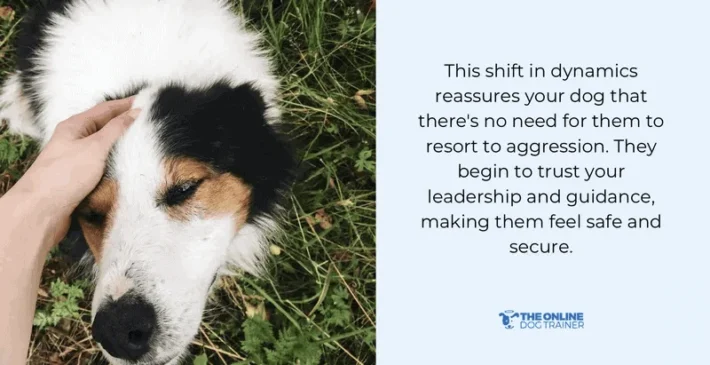
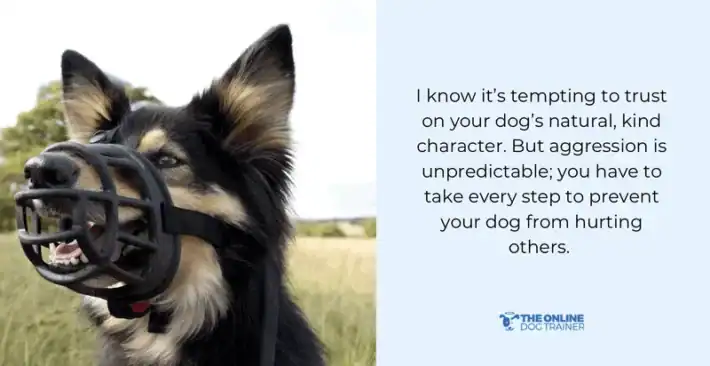
Use a strong leash and a well-fitted collar or harness. Keep control without pulling too hard. Hold the leash close to your body for better grip. If needed, use a muzzle safely to prevent bites. Always stay alert to your dog’s movements.
Credit: theonlinedogtrainer.com
Training Strategies
Training is key to stopping aggressive behavior in dogs. It helps dogs learn calm and safe ways to act. Good training builds trust between you and your dog. It also teaches your dog what behavior is okay.
Using the right training methods can reduce fear and frustration. This lowers aggression and creates a peaceful home. Focus on gentle, clear techniques that your dog can understand easily.
Positive Reinforcement
Positive reinforcement rewards good behavior with treats or praise. Dogs repeat actions that bring rewards. Ignore bad behavior rather than punish it. This method encourages dogs to behave well.
Give treats immediately after good actions. This helps dogs connect the reward with behavior. Use a happy voice to show approval. Over time, your dog will choose calm actions more often.
Desensitization And Counter-conditioning
Desensitization means slowly exposing your dog to triggers. Start with low levels of the trigger to avoid stress. Gradually increase exposure as your dog stays calm.
Counter-conditioning changes how your dog feels about the trigger. Pair the trigger with something positive, like treats. Your dog learns to associate triggers with good things instead of fear or anger.
Obedience Training Basics
Obedience training teaches your dog to follow simple commands. Start with “sit,” “stay,” and “come.” Practice these commands every day in short sessions.
Clear commands help control your dog in tough situations. Consistency is important. Always use the same words and gestures. This creates clear communication and helps your dog stay calm.
Professional Help
Aggressive behavior in dogs can be serious and hard to manage alone. Seeking professional help ensures your dog gets the right care. Experts can find the cause and guide you on safe steps. This support protects both your dog and everyone around.
When To Consult A Veterinarian
A sudden change in behavior may signal health issues. Pain or illness often causes aggression in dogs. A veterinarian can check for medical problems. Treating health conditions can reduce aggressive behavior. Early veterinary advice is crucial for safety.
Working With A Behaviorist
Behaviorists study why dogs act aggressively. They use science-based methods to change behavior. A behaviorist observes your dog in different settings. They create plans to calm your dog safely. Their guidance helps build trust and control.
Choosing A Trainer
Not all trainers handle aggression well. Pick one with experience in aggressive dogs. Ask about their training methods and success stories. Positive reinforcement is best for lasting results. A skilled trainer works closely with you and your dog.
Creating A Safe Environment
Creating a safe environment helps reduce aggressive behavior in dogs. It gives them a place to feel calm and secure. A stable setting lowers stress and stops unwanted reactions. Dogs behave better when they know what to expect.
Managing Social Interactions
Control your dog’s meetings with other dogs and people. Watch their body language closely. Stop any interaction if your dog looks scared or angry. Start with short, calm meetings in quiet places. Reward good behavior with treats and praise. Avoid crowded or noisy places that cause stress. Teach your dog to stay calm around new faces.
Safe Spaces At Home
Create a quiet spot where your dog can relax alone. Use a crate or a special bed in a calm room. Make this place cozy with blankets and favorite toys. Let your dog rest there without interruptions. This space helps them feel safe during stressful times. Respect their need for quiet and alone time. Keep this area free from loud noises and busy activity.
Exercise And Mental Stimulation
Give your dog regular physical exercise to release energy. Walks, runs, and playtime help reduce anxiety. Use puzzle toys and training games to challenge their mind. Mental tasks keep dogs focused and less likely to act out. Exercise and mental work together to calm your dog’s mind. A tired dog is less likely to show aggression.
Preventing Future Aggression
Preventing future aggression in dogs is key to a happy, safe home. It means stopping aggressive behaviors before they start. Simple steps help your dog stay calm and friendly. These steps build trust and good habits. Consistency matters.
Early Socialization
Introduce your dog to people and other animals early. Puppyhood is the best time for this. New experiences help your dog learn to stay calm. Social dogs are less likely to feel scared or angry. Friendly encounters teach your dog how to behave.
Consistent Routine
Dogs feel safe with a regular daily routine. Feed, walk, and play with your dog at the same time. Predictable schedules reduce stress and confusion. Stress can cause aggressive reactions. A steady routine keeps your dog relaxed and balanced.
Monitoring Health Regularly
Check your dog’s health often with a vet. Pain or illness can make dogs irritable or aggressive. Early detection of health problems prevents behavior issues. Healthy dogs have more energy for positive activities. Keep vaccinations and check-ups up to date.
Credit: theonlinedogtrainer.com
Frequently Asked Questions
What Causes Aggressive Behavior In Dogs?
Aggression in dogs often stems from fear, pain, or territorial instincts. Poor socialization and lack of training also contribute. Identifying the cause helps address the behavior effectively and safely.
How Can Training Reduce Dog Aggression?
Consistent positive reinforcement training builds trust and corrects unwanted behaviors. Teaching commands like “sit” and “stay” helps control aggression triggers. Professional trainers can provide tailored guidance.
When Should I Seek Professional Help For Aggression?
If your dog shows frequent biting, growling, or lunging, consult a vet or behaviorist. Early intervention prevents escalation and ensures safety for everyone involved.
Can Neutering Reduce Aggressive Behavior In Dogs?
Neutering can lower aggression linked to hormones, especially in males. However, it’s not a guaranteed solution and should be combined with training and socialization.
Conclusion
Stopping aggressive behavior in dogs takes patience and care. Consistent training helps your dog feel safe and calm. Use positive rewards to encourage good actions. Avoid punishment, as it can make aggression worse. Watch your dog’s body language to prevent problems early.
Seek help from a professional trainer if needed. Remember, every dog is different and learns at its own pace. With time and love, your dog can become more peaceful. Keep practicing these steps to build a happy, safe bond.


