

Is your dog constantly chasing cars every time you step outside? This behavior can be dangerous for your furry friend and stressful for you.
You want to keep your dog safe, but stopping this habit isn’t always easy. You’ll discover simple, effective steps that can help you put an end to your dog’s car-chasing for good. By the time you finish reading, you’ll have the tools to protect your dog and enjoy peaceful walks again.
Let’s get started.
Why Dogs Chase Cars
Dogs chasing cars is a common problem many owners face. Understanding why dogs chase cars helps stop this behavior. Several reasons explain this urge. Knowing these causes allows better training and control.
Instinct And Prey Drive
Dogs have natural hunting instincts. Fast-moving cars trigger their prey drive. They see cars as something to chase or catch. This reaction comes from their wild ancestors. Chasing is a way to express this natural behavior.
Boredom And Energy Release
Dogs need physical and mental activity daily. Without enough exercise, they get bored. Chasing cars becomes a way to burn energy. It gives them excitement and breaks the dullness. This habit grows if dogs don’t get proper playtime.
Lack Of Training
Many dogs chase cars due to poor training. They don’t learn limits or commands. Without guidance, they think chasing is okay. Consistent training helps teach them to stop. Clear rules prevent this dangerous habit from forming.
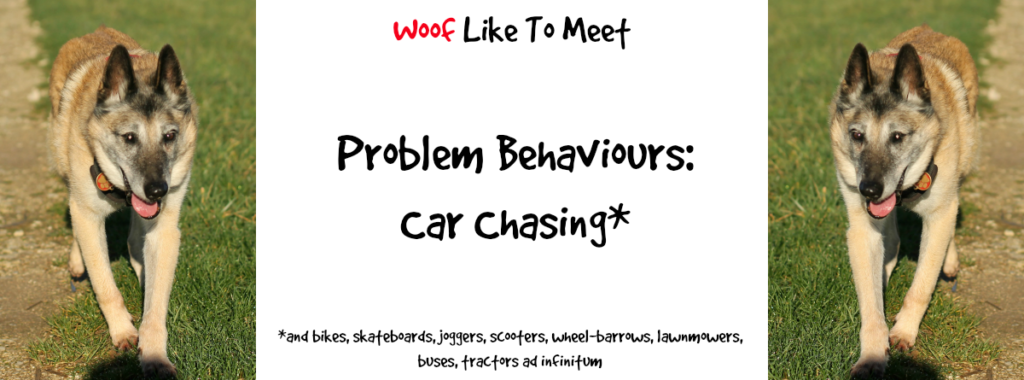
Credit: www.woofliketomeet.com
Signs Your Dog Chases Cars
Recognizing the signs that your dog chases cars is key to stopping this dangerous habit. Some dogs show clear signals before they sprint after moving vehicles. Understanding these signals helps you act early and keep your dog safe.
Behavioral Indicators
Your dog may show excitement when a car passes by. Watch for sudden barking or lunging at the road. Some dogs stiffen their bodies and fix their eyes on cars. Tail wagging might turn into a tense, high-energy state. These signs mean your dog is ready to chase.
Situations That Trigger Chasing
Chasing often starts when dogs see fast or loud cars. Busy streets or driveways can trigger this behavior. Dogs might chase when they feel bored or have excess energy. Sudden movements of cars can spark a chase reflex. Knowing these triggers helps you prevent the behavior early.
Safety Risks Of Car Chasing
Chasing cars is a dangerous habit for dogs. It puts them and others at risk. Understanding the safety risks helps to see why stopping this behavior is important.
Dangers To Your Dog
Dogs chasing cars can get hit by vehicles. They may suffer serious injuries or death. The dog’s fear or excitement can cause accidents. Running into the street without warning is very risky. Even if the dog avoids the car, it can get lost or trapped. This behavior can lead to stress and anxiety for the dog.
Risks To Drivers And Pedestrians
Dogs chasing cars can distract drivers. This distraction may cause crashes or sudden stops. Drivers might swerve to avoid the dog, risking other cars or pedestrians. Pedestrians can also get hurt if a dog runs into their path. The sudden appearance of a dog can cause panic. Everyone’s safety is at risk when dogs chase cars.
Credit: www.youtube.com
Basic Obedience Commands
Basic obedience commands form the foundation of good behavior in dogs. Teaching these commands helps control your dog’s actions. It is crucial for stopping your dog from chasing cars. Obedient dogs respond quickly and stay calm in distracting situations.
Start training in a quiet place. Use treats and praise for motivation. Consistency is key. Practice daily in short sessions. Patience and repetition will improve your dog’s skills.
Teaching ‘sit’ And ‘stay’
Begin with the ‘sit’ command. Hold a treat close to your dog’s nose. Move the treat upward, making the dog sit naturally. Say “sit” clearly and reward immediately. Repeat this several times a day.
Once your dog sits on command, introduce ‘stay’. Ask your dog to sit. Show your palm and say “stay”. Take a small step back. If your dog stays, reward with a treat. Gradually increase the distance and time.
Mastering The ‘come’ Command
The ‘come’ command is vital for safety. Call your dog’s name followed by “come” in a happy tone. When your dog comes, praise and reward immediately. Practice this indoors and outdoors.
Use a long leash at first for safety. Gently pull the leash while calling “come”. Give treats and affection when your dog reaches you. Repeat often to build strong recall skills.
Desensitization Techniques
Desensitization techniques help your dog get used to cars without fear or excitement. This process reduces your dog’s urge to chase moving vehicles. It takes patience and steady practice. The goal is to make cars normal and not a trigger for chasing.
Start slow and keep sessions short. Gradually increase your dog’s comfort with cars. This method builds calm behavior over time and lowers stress for your dog.
Controlled Exposure To Cars
Begin in a quiet area with few cars. Keep your dog on a leash and at a safe distance. Let your dog see cars passing calmly. Do not allow chasing or pulling. Keep distance large enough to avoid excitement.
Gradually shorten the distance over several days or weeks. Watch your dog’s reactions closely. Stop if your dog gets too excited or scared. Repeat the process often to build comfort.
Using Positive Reinforcement
Reward calm behavior around cars with treats or praise. Give rewards only when your dog stays calm. Avoid giving attention if your dog tries to chase. Use a cheerful voice to encourage good behavior.
This helps your dog connect calmness with rewards. Your dog learns that staying calm is better than chasing. Keep treats ready during walks near traffic. Positive rewards build a strong habit over time.

Credit: www.amazon.com
Using Leash Training
Using leash training is a key step to stop your dog from chasing cars. It helps control your dog’s movements safely. The leash keeps your dog close and prevents sudden dashes toward the road. This training builds good habits and improves your dog’s focus on you.
Proper Leash Handling
Hold the leash firmly but not too tight. Keep your arm relaxed to avoid tension. Use a short leash for better control near roads. Stay calm and confident while walking. Your dog will follow your lead. Avoid pulling or jerking the leash. This can make your dog anxious or excited.
Redirecting Attention
Use treats or toys to get your dog’s focus. Call your dog’s name clearly and cheerfully. Reward your dog when it looks at you instead of the car. Practice this often to build a strong habit. Change your walking path to avoid busy streets at first. This helps your dog learn without distractions. Over time, your dog will pay more attention to you than to cars.
Exercise And Mental Stimulation
Exercise and mental stimulation keep your dog busy and calm. A tired dog is less likely to chase cars. Physical activity uses up energy. Mental challenges keep the mind sharp. Together, they reduce unwanted behaviors.
Daily Physical Activity
Give your dog regular walks every day. Running and playing help burn excess energy. Try fetch or tug-of-war in the yard. A tired dog will focus less on cars. Exercise also improves your dog’s mood and health.
Interactive Toys And Games
Use toys that make your dog think. Puzzle feeders and treat-dispensing toys work well. These toys keep your dog busy for longer. Mental games reduce boredom and anxiety. A busy mind means less chasing cars.
Professional Help And Resources
Dogs chasing cars can be dangerous for pets and drivers. Handling this behavior might need more than just patience. Professional help offers guidance and tools to manage this problem effectively.
Experts understand dog behavior well. They provide clear steps to stop car chasing safely. Trainers and specialized resources support owners with proven methods.
When To Consult A Trainer
Seek a trainer if your dog chases cars often. This behavior can cause accidents or injuries. Trainers spot the root cause quickly and suggest solutions. Early help prevents bad habits from growing stronger. Choose trainers with experience in dog behavior problems.
Helpful Training Tools
Training tools improve control and safety during sessions. Leashes and harnesses keep your dog close. Clickers help reward good behavior immediately. Treats motivate dogs to learn new commands. Some use remote collars carefully to discourage chasing. Tools work best with consistent training and guidance.
Frequently Asked Questions
How Can I Train My Dog To Stop Chasing Cars?
Use positive reinforcement training to teach your dog the “leave it” command. Reward calm behavior and redirect attention. Consistent practice in safe areas helps reduce chasing instincts over time.
Why Do Dogs Chase Moving Cars?
Dogs chase cars due to instinct, excitement, or boredom. Moving vehicles trigger their prey drive or territorial behavior. Proper training can help manage and reduce this dangerous habit.
Is It Dangerous If My Dog Chases Cars?
Yes, chasing cars is very dangerous for dogs. It risks injury or death from traffic accidents. Immediate training and supervision are essential to ensure your dog’s safety.
What Tools Can Help Prevent Car Chasing?
Use a long leash, head halter, or no-pull harness during walks. These tools provide better control and help interrupt chasing behavior safely and effectively.
Conclusion
Stopping a dog from chasing cars takes time and patience. Consistent training helps your dog learn better behavior. Use positive rewards to encourage calmness near roads. Always keep your dog safe with a leash or fenced area. Remember, small steps lead to big changes.
Stay calm and patient during training sessions. Your dog will learn to enjoy walks without chasing cars. Keep practicing regularly for the best results. Safety matters most for both you and your dog.


