

If you want your dog to be strong, active, and full of energy, understanding the right nutrition for their muscles is key. You might wonder, what exactly does your dog need to build and maintain healthy muscles?
Giving your furry friend the right nutrients can make all the difference in their strength and overall well-being. Keep reading, and you’ll discover simple, effective ways to fuel your dog’s muscles so they stay happy and healthy for years to come.
Key Nutrients For Muscle Growth
Muscle growth in dogs depends on proper nutrition. Certain nutrients support muscle repair and development. Feeding the right balance of these nutrients helps your dog stay strong and active. Understanding these key nutrients is essential for healthy muscles.
Proteins And Amino Acids
Proteins are the building blocks of muscles. They provide amino acids that repair muscle tissues after exercise. High-quality protein sources include meat, fish, and eggs. Dogs need essential amino acids that their bodies cannot make. These amino acids help build and maintain muscle mass. Adequate protein intake supports muscle recovery and growth.
Role Of Fats
Fats provide energy for muscle activity. They also support cell structure and hormone production. Healthy fats, like omega-3 and omega-6 fatty acids, reduce inflammation. These fats help muscles recover faster after exercise. Including good fats in your dog’s diet boosts stamina and muscle health.
Importance Of Carbohydrates
Carbohydrates supply quick energy for muscle work. They fuel physical activities and help prevent muscle fatigue. Complex carbs, such as brown rice and sweet potatoes, release energy slowly. This steady energy supports longer exercise sessions. Carbs also help protein be used for muscle repair, not just energy.
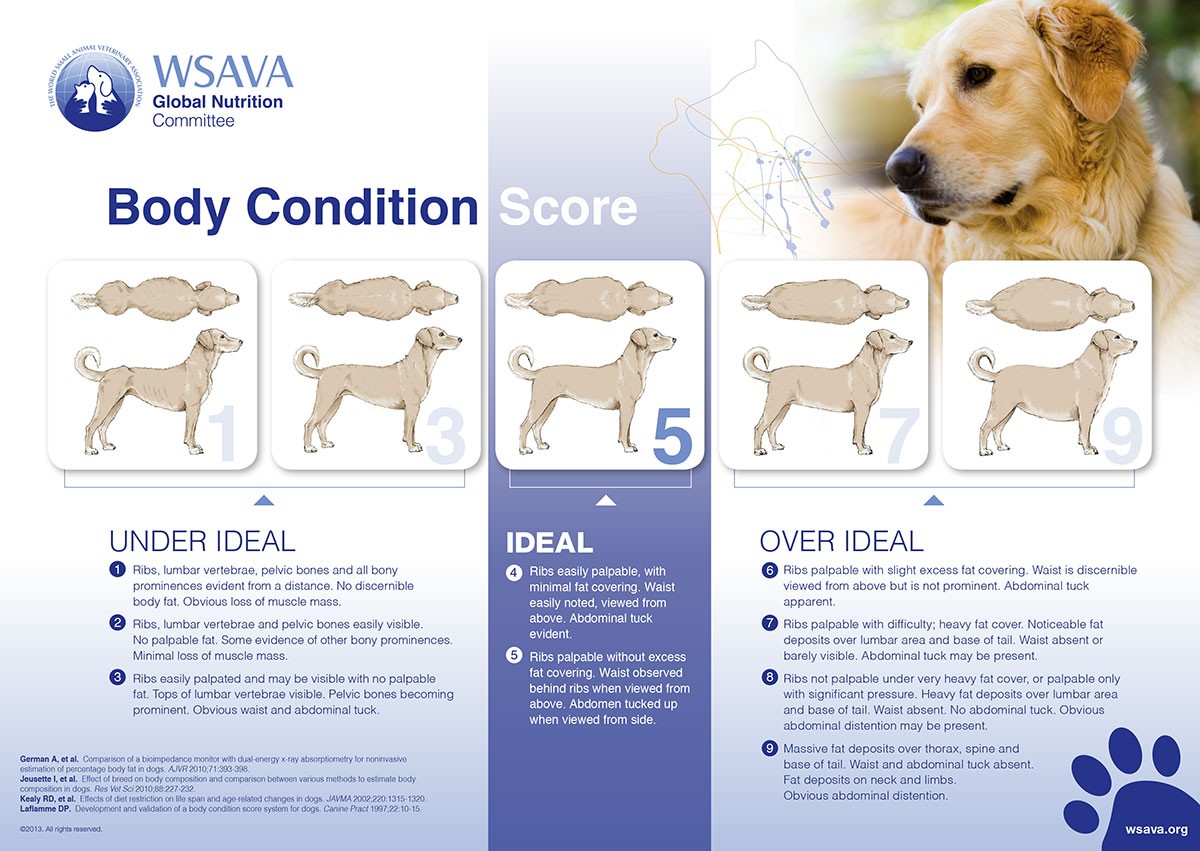
Credit: www.sydney.edu.au
Vitamins And Minerals For Muscle Health
Vitamins and minerals play a key role in keeping dog muscles strong and healthy. They support muscle function, repair, and growth. Without enough vitamins and minerals, muscles may weaken or cramp. Dogs need a balanced intake of these nutrients to stay active and fit.
Calcium And Phosphorus
Calcium builds strong bones that support muscles. It also helps muscles contract and relax properly. Phosphorus works with calcium to keep bones firm. Together, they keep the muscle system stable and reduce injury risk. A good balance of both is essential for muscle strength.
Magnesium And Potassium
Magnesium helps muscles relax after use. It also aids in energy production inside muscle cells. Potassium controls muscle contractions and nerve signals. It prevents muscle cramps and spasms. These minerals keep muscles flexible and responsive for daily activities.
Vitamin D And E
Vitamin D helps the body absorb calcium and phosphorus. It supports muscle growth and function. Vitamin E acts as an antioxidant. It protects muscles from damage caused by stress and exercise. Both vitamins keep muscles healthy and working well.
Hydration And Muscle Function
Hydration plays a key role in how dog muscles work. Water helps muscles stay strong and recover after exercise. Without enough water, muscles can cramp and lose power. Keeping dogs hydrated supports their energy and overall health.
Water Needs For Active Dogs
Active dogs need more water than resting dogs. Exercise causes dogs to lose water through panting and sweating. Fresh, clean water should always be available. The amount depends on the dog’s size, activity, and weather. Offer water before, during, and after exercise. This prevents dehydration and keeps muscles working well.
Electrolyte Balance
Electrolytes are minerals like sodium, potassium, and calcium. They help muscles contract and send signals. When dogs sweat or pant, they lose electrolytes. This loss can cause muscle weakness or cramps. Balanced electrolytes support muscle function and prevent fatigue. Some dog foods and supplements include electrolytes to keep levels steady.

Credit: www.amazon.in
Supplements To Support Muscle Development
Supplements can help support muscle growth in dogs. They provide extra nutrients that may not come from regular food. Choosing the right supplements can improve muscle strength and recovery. Proper supplements help dogs stay active and healthy.
Protein Powders And Amino Acid Boosters
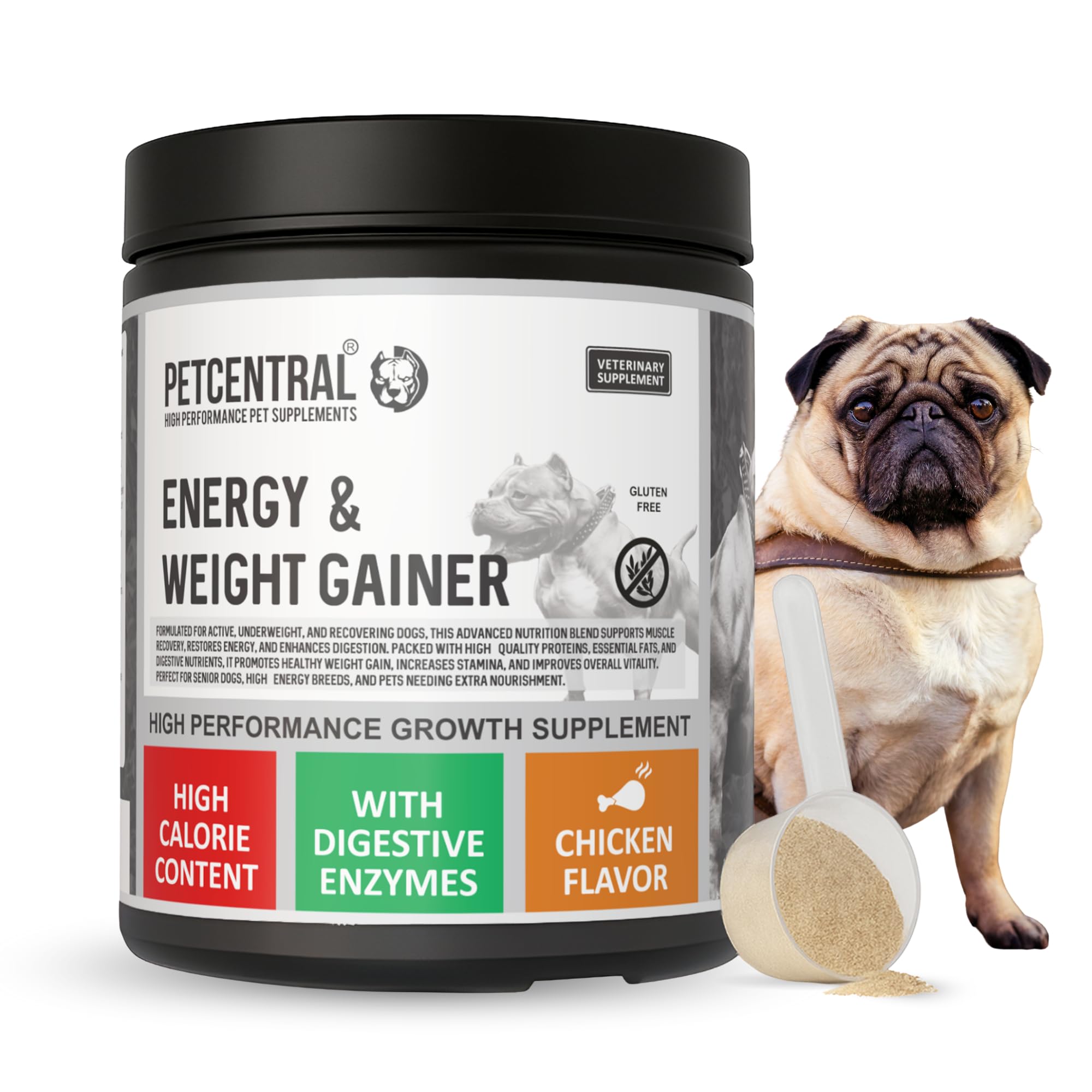
Protein is key for building muscle. Protein powders made from chicken, beef, or fish can add extra protein to a dog’s diet. Amino acid boosters help repair and grow muscle tissue. These supplements support muscle recovery after exercise or hard play.
Omega-3 Fatty Acids
Omega-3 fatty acids reduce inflammation in muscles and joints. They come from fish oil or flaxseed oil. These fats help muscles recover faster and reduce soreness. Omega-3 also supports overall heart and brain health in dogs.
Creatine And Other Enhancers
Creatine helps produce energy for short bursts of activity. It can improve muscle strength and endurance. Other enhancers like glutamine support muscle repair and reduce fatigue. These supplements are useful for active or working dogs.
Feeding Strategies For Muscle Maintenance
Feeding strategies play a key role in maintaining strong muscles in dogs. Proper nutrition supports muscle repair and growth. It also helps keep muscles healthy over time. Tailoring feeding plans to your dog’s needs boosts muscle health and energy.
Meal Frequency And Portion Control
Feed your dog multiple small meals instead of one large meal daily. This helps steady energy levels and nutrient absorption. Control portions based on your dog’s weight and activity. Avoid overfeeding to prevent fat gain, which can stress muscles. Balanced portions maintain muscle without extra fat.
Timing Meals Around Exercise
Give meals at times that support muscle use and recovery. Feeding 1 to 2 hours before exercise fuels muscles properly. After exercise, offer a meal with protein to help muscle repair. Proper timing improves muscle strength and prevents fatigue. This routine supports muscle maintenance effectively.
Adjusting Diet For Age And Activity Level
Older dogs need fewer calories but more protein for muscle support. Active dogs require more energy and protein to maintain muscles. Adjust the diet as your dog’s lifestyle changes. Tailor food type and amount to age and activity. This keeps muscles strong and healthy throughout life.
Common Nutrition Mistakes To Avoid
Proper nutrition is key for strong dog muscles. Many dog owners make mistakes that harm muscle growth and health. Avoid these common nutrition errors to keep your dog fit and healthy.
Overfeeding And Obesity Risks
Giving too much food leads to weight gain. Extra weight strains muscles and joints. Obesity lowers your dog’s energy and mobility. Measure food portions carefully to prevent overfeeding. Maintain a healthy weight to protect muscle strength.
Ignoring Nutrient Balance
Muscles need the right mix of nutrients. Protein builds and repairs muscle tissue. Fats provide energy and support cell health. Carbohydrates fuel physical activity. Skipping one nutrient can slow muscle growth. Check your dog’s diet for balanced nutrients.
Relying Solely On Treats
Treats should not replace proper meals. Most treats lack essential vitamins and minerals. Too many treats cause calorie overload. Use treats sparingly for training or rewards. Focus on complete meals for muscle nutrition.
Credit: www.amazon.in
Frequently Asked Questions
What Nutrients Help Build Dog Muscles Effectively?
Protein is key for muscle growth in dogs. Amino acids from protein repair and build muscle tissue. Healthy fats and carbohydrates provide energy for muscle function and recovery.
How Much Protein Does A Dog Need Daily?
Dogs need about 18-25% protein in their diet. Active or working dogs may require higher protein levels. Consult your vet for specific protein needs based on your dog’s activity.
Are Supplements Necessary For Dog Muscle Growth?
Supplements can help if a dog’s diet lacks nutrients. Common supplements include omega-3 fatty acids and amino acids. Always consult a veterinarian before adding supplements to your dog’s diet.
Can Vitamins Influence Muscle Health In Dogs?
Yes, vitamins like B-complex and E support muscle function. They aid energy metabolism and reduce muscle fatigue. Balanced nutrition ensures dogs get all essential vitamins.
Conclusion
Strong muscles need the right nutrition every day. Protein helps build and repair muscle tissue. Healthy fats give energy and support overall health. Vitamins and minerals keep muscles working well. Water is important to stay hydrated and active. Feeding balanced meals helps dogs stay strong and fit.
Always choose quality food made for dogs’ needs. Good nutrition supports muscle growth and keeps dogs happy. Simple steps can make a big difference in muscle health. Keep your dog’s diet healthy for a lively, strong companion.


