

Does your dog start to drool, whine, or get restless as soon as you hit the road? Car sickness can turn what should be a fun trip into a stressful experience—for both you and your furry friend.
But don’t worry, there are simple and effective ways to help your dog feel comfortable and happy during car rides. If you want to stop the nausea, mess, and anxiety in its tracks, keep reading. You’ll discover easy tips that can make every drive a smooth and enjoyable adventure for your dog.

Credit: www.amazon.com
Causes Of Car Sickness In Dogs
Car sickness in dogs happens for a few key reasons. Understanding these causes helps in preventing discomfort during rides. Dogs may feel sick due to their body’s reaction to movement. Stress and past experiences also play a role. Let’s explore the main causes of car sickness in dogs.
Motion Sensitivity
Dogs sense motion differently than humans. Their inner ear helps balance and detect movement. Sudden stops, turns, or bumps can confuse this system. This confusion leads to nausea and dizziness. Puppies and young dogs often feel this more strongly. Motion sensitivity is the most common cause of car sickness.
Anxiety And Stress
Many dogs associate car rides with stress. Loud noises, unfamiliar smells, and tight spaces cause anxiety. This stress can trigger physical sickness symptoms. A nervous dog might drool, pant, or vomit. Stress makes car sickness worse by increasing discomfort.
Previous Negative Experiences
Dogs remember bad car rides. If they once felt sick or scared, they may dread future trips. This fear can cause nausea even before the car moves. Negative memories create a cycle of sickness and anxiety. Breaking this cycle requires patience and care.
Preparing Your Dog For Car Rides
Preparing your dog for car rides helps reduce motion sickness. It also makes travel time calm and safe. Start early to build positive experiences. Patience and gentle steps work best.
Short Practice Trips
Begin with short drives around the block. Keep trips under five minutes at first. Gradually increase the time as your dog gets used to moving. Use treats and praise to reward calm behavior. Stop before your dog shows signs of stress.
Familiarizing With The Car
Let your dog explore the car while it is parked. Open doors and windows for fresh air and new smells. Allow your dog to sit or lie inside without driving. This helps reduce fear and builds comfort with the space. Use a calm voice and gentle petting.
Comfortable Seating Arrangements
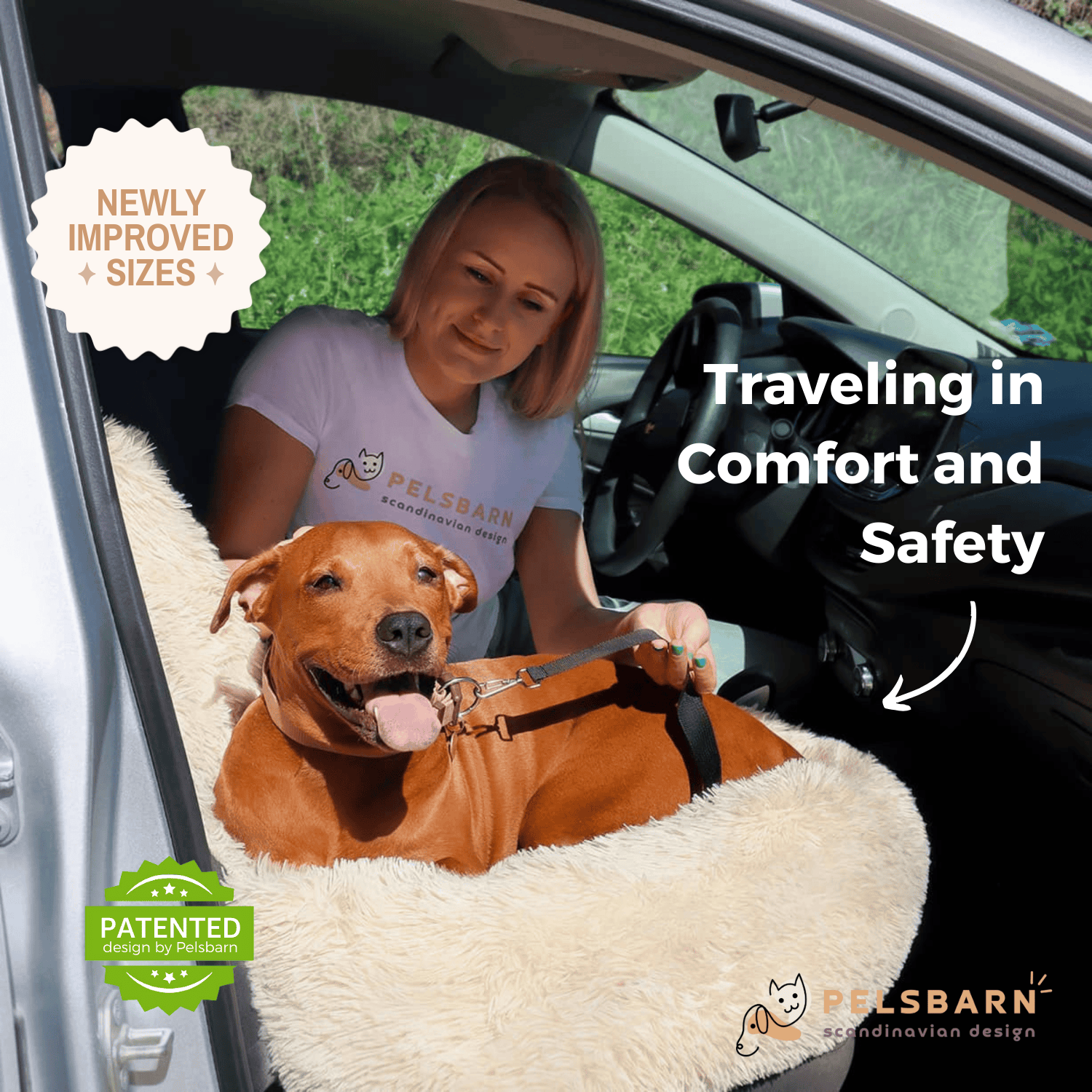
Choose a safe, cozy spot for your dog in the car. Use a dog seatbelt or crate to prevent sudden moves. Add a soft blanket or favorite toy for comfort. Keep the area cool and well-ventilated. A secure and pleasant space lowers anxiety and motion sickness.
Diet And Feeding Tips
Diet plays a key role in preventing car sickness in dogs. What your dog eats and drinks before the trip can affect how they feel during the ride. Small changes in feeding habits help reduce nausea and discomfort. These simple tips make travel easier for your pet.
Avoid Feeding Before Trips
Do not feed your dog right before the trip. A full stomach can cause motion sickness. Feed your dog at least two to three hours before the ride. This gives the stomach time to digest food. A light meal is better than a heavy one. Avoid giving treats or snacks just before leaving.
Hydration Considerations
Keep your dog hydrated, but avoid too much water before travel. Offer small sips of water during the trip instead of a large bowl. Overdrinking can cause an upset stomach. If the weather is hot, make sure your dog drinks enough. Proper hydration helps prevent dizziness and discomfort.
Using Treats Wisely
Choose treats that are easy to digest. Avoid rich or fatty treats before and during the ride. Use treats to calm your dog, but do not overdo it. Small, bland treats work best for car trips. Treats should support calm behavior and not cause stomach upset.

Credit: www.walmart.com
Calming Techniques During Travel
Travel can be stressful for dogs, especially if they get car sick. Keeping them calm helps reduce nausea and anxiety. Using simple calming techniques during travel makes the trip easier for your dog. It also helps them enjoy the ride more.
Natural Remedies And Supplements
Natural remedies can soothe your dog’s stomach and nerves. Ginger is a popular choice that helps prevent nausea. Small doses of ginger treats or chews work well. Some dogs benefit from calming supplements with ingredients like chamomile or valerian root. Always check with your vet before giving any supplements. Natural options often have fewer side effects than medicines.
Using Calming Music
Soft music can relax your dog during car rides. Classical music or specially designed dog music works best. Play the music quietly to avoid startling your pet. The steady rhythm helps lower stress and motion sickness. Music also distracts dogs from the car’s movement. Try it before the trip to see how your dog reacts.
Pheromone Sprays And Diffusers
Pheromone products mimic calming scents dogs naturally produce. Sprays and diffusers release these smells in the car. This helps your dog feel safe and calm. Use a spray on your dog’s blanket or carrier before travel. Diffusers plug into the car’s power outlet for constant release. These products are non-toxic and easy to use.
Safety Measures For Car Travel
Keeping your dog safe and comfortable during car rides helps reduce car sickness. Safety measures protect your pet and make travel less stressful. A calm dog is less likely to feel sick or anxious.
Using the right safety gear, controlling the car’s environment, and giving breaks all help your dog enjoy the trip. These steps keep your pet secure and happy.
Proper Restraints And Harnesses
Use a well-fitting harness or seatbelt designed for dogs. It keeps your dog from moving too much or falling. A secure dog feels safer and stays calm. Avoid loose or unsafe restraints that cause discomfort.
Ventilation And Temperature Control
Keep fresh air flowing inside the car. Open windows slightly or use the air conditioner. Avoid hot or cold temperatures that can upset your dog. A cool, fresh environment helps reduce nausea and stress.
Frequent Breaks And Exercise
Stop every hour for a short walk or bathroom break. Exercise helps your dog relax and lowers stress. Breaks give your pet a chance to stretch and breathe fresh air. A tired dog feels less restless in the car.
Credit: pelsbarn.org
When To Consult A Veterinarian
Car sickness can make trips hard for dogs and their owners. Sometimes, home care is not enough. Knowing when to visit a veterinarian helps keep your dog safe and comfortable. This guide explains signs that need expert care and what vets can offer.
Persistent Symptoms
Watch your dog’s behavior closely. Vomiting or drooling that lasts after many rides is a concern. Lethargy or refusal to eat after car trips also needs attention. These signs show your dog may need professional help.
Medication Options
Veterinarians can suggest safe medicines for motion sickness. These drugs reduce nausea and help dogs feel calm. Only give medicines prescribed by your vet. Some over-the-counter drugs can be harmful to dogs.
Health Checks
A vet will check your dog’s overall health. Sometimes, other illnesses cause car sickness. Tests can find issues like ear infections or inner ear problems. Treating these can improve your dog’s travel comfort.
Frequently Asked Questions
How Can I Prevent My Dog From Getting Car Sick?
To prevent car sickness, feed your dog a light meal before travel. Keep the car cool and well-ventilated. Use a secured crate or seatbelt harness for safety. Gradually acclimate your dog to car rides with short trips. Consult your vet for motion sickness medication if needed.
What Are Common Signs Of Car Sickness In Dogs?
Common signs include drooling, whining, vomiting, restlessness, and lethargy. Dogs may also show excessive panting or refusal to enter the car. Recognizing these symptoms early helps you take steps to ease their discomfort and prevent worsening nausea.
Are There Natural Remedies For Dog Car Sickness?
Yes, ginger and peppermint are natural remedies that may help reduce nausea. You can use ginger treats or consult your vet for safe herbal supplements. Aromatherapy with calming scents like lavender also helps some dogs relax during car rides.
Should I Avoid Feeding My Dog Before Car Trips?
It’s best to feed your dog a light meal 2-3 hours before travel. Avoid heavy meals right before the trip to reduce nausea risk. Always provide fresh water and monitor your dog’s hydration during the journey.
Conclusion
Preventing car sickness in dogs takes patience and care. Keep trips short at first and offer fresh air. Give your dog a chance to rest before driving. Try feeding smaller meals and avoid feeding right before travel. Comfort and calmness help your dog feel safe.
With time, your dog will enjoy car rides more. A happy dog makes every journey better.

