Grooming your dog at home with clippers might sound tricky, but it’s easier than you think. Imagine saving time and money while keeping your furry friend looking sharp and feeling comfortable.
You don’t need to be a professional to give your dog a neat, fresh look. With the right tools and simple steps, you can turn grooming into a calm, bonding experience. Ready to learn how to make your dog’s at-home haircut safe and stress-free?
Let’s dive in and discover the secrets to mastering dog grooming with clippers.
Choosing The Right Clippers
Choosing the right clippers is the first step to groom your dog at home. Clippers must suit your dog’s coat type and size. The right tool makes grooming easier and safe. Understanding different clippers and blade sizes helps you pick the best one.
Types Of Clippers
There are two main types of clippers: professional and home-use. Professional clippers are strong and last long. Home-use clippers are lighter and easier to handle. Some clippers are designed for thick hair, others for thin hair. Choose clippers that match your dog’s coat.
Blade Sizes And Their Uses
Clipper blades come in numbers. Smaller numbers cut hair shorter. Larger numbers leave hair longer. For close cuts, use blade size 10 or 7. For trimming or shaping, use blade size 15 or higher. Different blade sizes help achieve the right look.
Corded Vs. Cordless Clippers
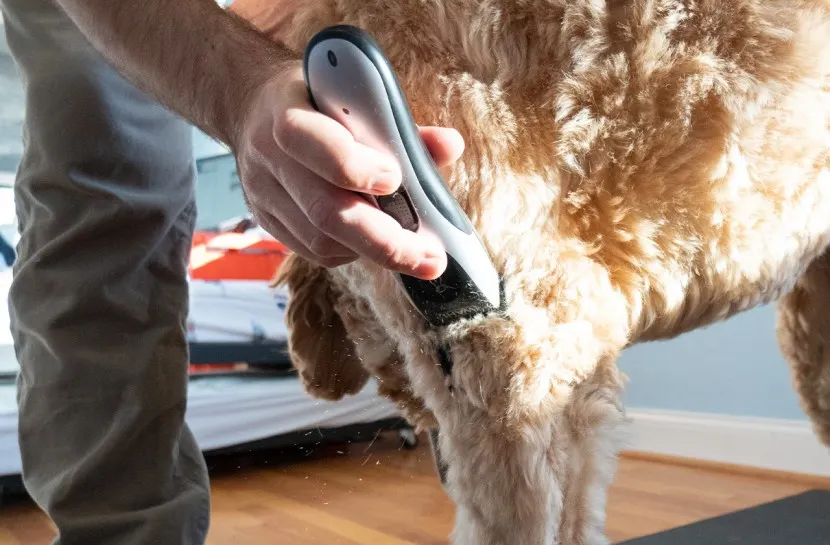
Corded clippers offer constant power. They work well for long grooming sessions. Cordless clippers give freedom to move around. They are easy to use outdoors or in small spaces. Battery life is important for cordless clippers. Choose based on your grooming style and space.
Credit: careerscollectiv.com
Preparing Your Dog
Preparing your dog before using clippers is very important. A calm and clean dog makes grooming easier and safer. Spend time getting your dog ready to reduce stress and avoid discomfort during clipping.
Brushing And Detangling
Start by brushing your dog’s coat gently. Remove knots and loose hair with a suitable brush. Detangling prevents clippers from pulling on fur. Use short, soft strokes to avoid hurting your dog. Brushing also helps spot skin issues before grooming.
Bathing And Drying
Give your dog a bath to clean the coat well. Use dog-friendly shampoo to protect the skin. Rinse thoroughly to remove all soap. Dry your dog completely using a towel or low heat dryer. Wet fur can clog clippers and cause uneven cuts.
Calming Your Dog
Keep your dog calm with gentle voice and slow movements. Offer treats or toys to create a positive mood. Take breaks if your dog shows signs of stress. A relaxed dog stays still, making grooming safer and faster.
Setting Up Your Grooming Area
Setting up your grooming area is the first step to a smooth dog grooming session. A well-organized space helps your dog feel calm and keeps everything within reach. Preparing the area saves time and reduces stress for both you and your pet.
Selecting A Comfortable Space
Choose a quiet spot with enough room for your dog to move. A flat surface like a table or floor works best. Avoid places with loud noises or distractions. Make sure the area is easy to clean after grooming.
Gathering Supplies
Collect all needed tools before starting. Clippers, combs, brushes, and towels should be close by. Keep treats ready to reward your dog’s good behavior. Having everything at hand prevents interruptions during grooming.
Ensuring Good Lighting
Good lighting is key for safe grooming. Natural light is ideal, but a bright lamp works well too. Check that the light covers all areas you will trim. Clear visibility helps avoid cuts and missed spots.
Credit: careerscollectiv.com
Clipping Techniques
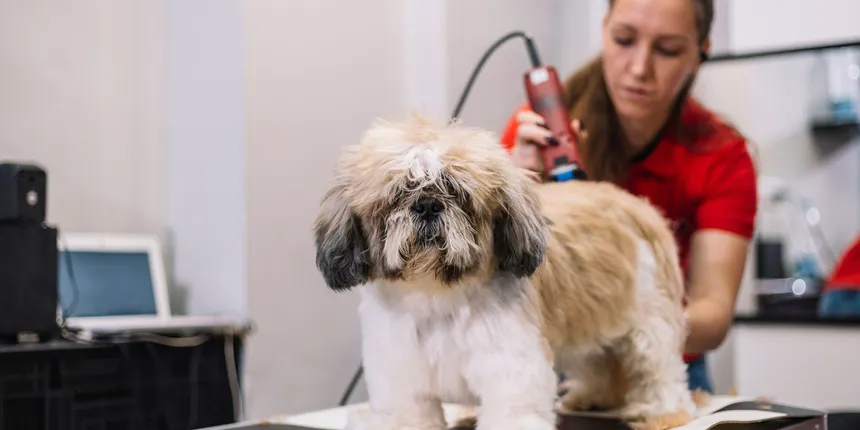
Clipping your dog at home needs care and the right technique. Good clipping makes your dog look neat and feels comfortable. Use smooth, even strokes with the clippers. Keep the blade flat against the skin to avoid cuts.
Starting With The Body
Begin clipping on the dog’s body. Move the clippers in the hair’s direction. Use a steady hand and slow movements. Work from the neck down to the tail. Check the length often to keep it even. Stop if the dog shows signs of stress.
Trimming The Legs And Feet
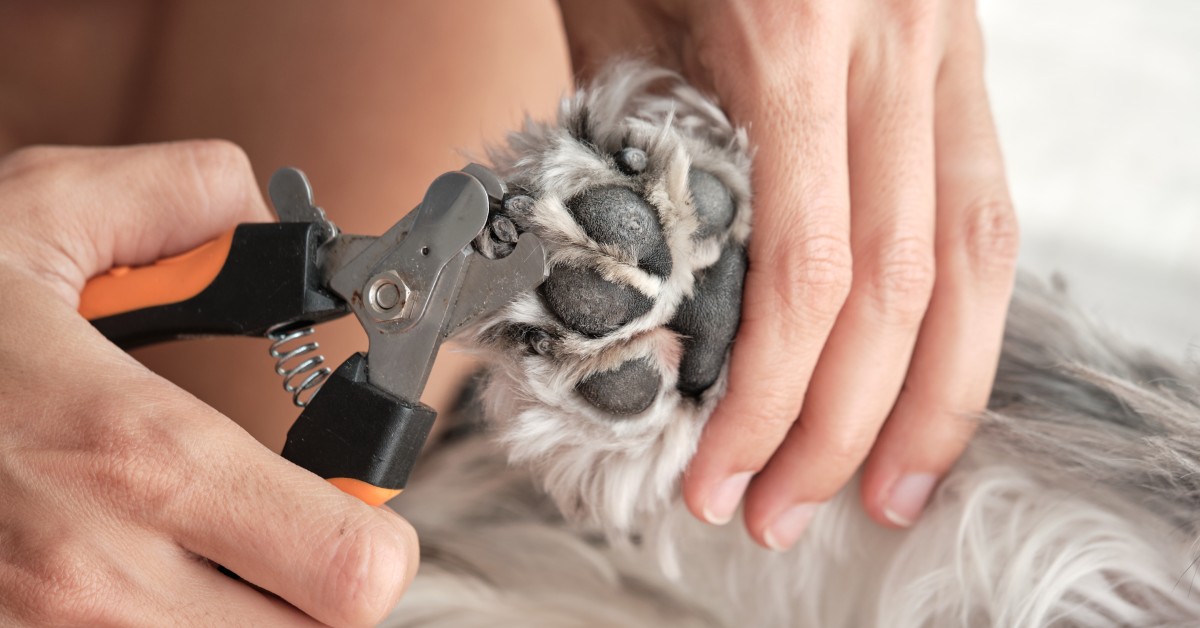
Legs and feet need careful trimming. Use smaller clipper blades for these areas. Clip from top to bottom on the legs. Around the feet, clip gently between the toes. Avoid pushing the clippers too hard. Keep the skin tight to prevent nicks.
Shaping The Face And Ears
The face and ears require a delicate touch. Use clipper guards or scissors for shaping. Trim around the eyes slowly and carefully. Be extra gentle near the ears to avoid hurting your dog. Shape the fur evenly for a clean look.
Handling Sensitive Areas
Sensitive areas include the belly and underarms. Use a small blade for more control. Clip slowly and softly to keep your dog calm. Avoid pressing the clippers hard on thin skin. Take breaks if your dog feels uncomfortable.
Safety Tips While Grooming
Grooming your dog at home with clippers can be safe and easy. Taking the right safety steps keeps your dog calm and prevents injuries. Pay attention to your tools and your dog’s reactions.
Avoiding Cuts And Nicks
Use sharp clippers with a guard to protect your dog’s skin. Move the clippers gently, following the direction of hair growth. Keep the skin tight with your free hand to avoid pinching. Stop clipping if your dog moves suddenly. Take breaks to check the skin for any irritation or small cuts.
Keeping Clippers Cool
Clippers can get hot fast and burn your dog’s skin. Turn them off every few minutes to cool down. Use a cooling spray made for clippers if needed. Always test the clipper blades on your hand before touching your dog. Warm blades can hurt and cause discomfort.
Monitoring Your Dog’s Behavior
Watch your dog’s body language closely. Signs like pulling away, growling, or whining mean your dog feels stressed. Pause and comfort your dog if you see these signs. Let your dog rest if needed. Stay calm and speak softly to keep your dog relaxed.
Credit: www.petassure.com
Post-grooming Care
After grooming your dog with clippers, post-grooming care is important. It helps keep your dog comfortable and your tools ready for next time. Proper care prevents skin irritation and keeps your dog happy.
Cleaning The Clippers
Start by turning off the clippers. Remove hair from the blades using a small brush. Use a blade cleaner or rubbing alcohol to disinfect the blades. Dry the blades well to stop rust. Oil the blades with clipper oil to keep them sharp and smooth. Store the clippers in a dry place.
Rewarding Your Dog
Give your dog a treat after grooming. Praise them with a calm voice. Offer gentle petting to show you care. This creates a positive link with grooming. It makes future grooming easier and less stressful.
Maintaining A Grooming Schedule
Set a regular grooming routine based on your dog’s breed and hair type. Keep sessions short but frequent to avoid stress. Mark grooming days on a calendar to stay consistent. Regular grooming keeps your dog clean and healthy. It also helps spot skin problems early.
Frequently Asked Questions
How Often Should I Groom My Dog With Clippers?
Groom your dog every 4 to 8 weeks using clippers. Frequency depends on breed, coat type, and activity level. Regular grooming keeps your dog clean, comfortable, and healthy. It also prevents matting and skin problems.
What Type Of Clippers Is Best For Dog Grooming?
Choose clippers designed for pet grooming with adjustable blades. Look for quiet, cordless models to reduce your dog’s stress. High-quality clippers provide smooth, even cuts and last longer. Avoid human clippers as they can overheat and hurt your dog.
How Can I Safely Use Clippers On My Dog?
Start by brushing your dog to remove tangles. Use slow, gentle strokes against hair growth direction. Keep the clipper blade cool and clean during grooming. Take breaks if your dog shows discomfort. Always reward your dog with treats for good behavior.
What Grooming Tools Complement Clippers At Home?
Use a slicker brush, comb, and scissors alongside clippers. Brushes remove loose hair and prevent mats. Combs help with detailed trimming around sensitive areas. Scissors finish uneven patches and shape fur. These tools enhance your grooming results.
Conclusion
Grooming your dog at home with clippers saves time and money. It helps keep your pet clean and comfortable. Start slow and be gentle to build trust. Use the right tools for your dog’s coat type. Regular grooming prevents mats and skin problems.
Enjoy the bonding time while you groom. Practice makes the process easier and less stressful. Your dog will feel happier and healthier with good care. Try small sessions and praise your dog often. Home grooming can be simple and rewarding for both of you.