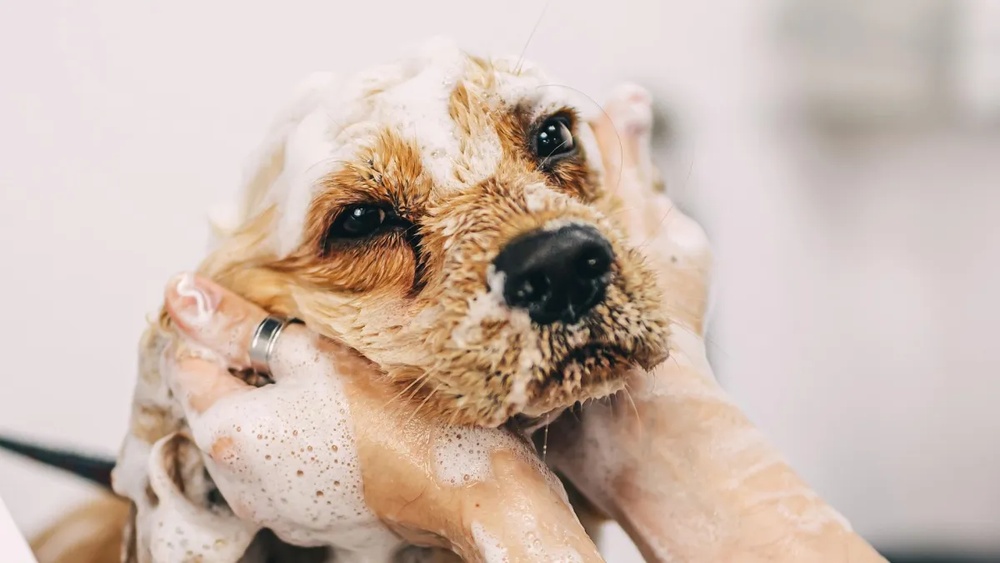
Grooming your dog isn’t just about keeping them looking good—it’s key to their health and happiness. But if you’re unsure where to start or worried about making mistakes, you’re not alone.
What if you could learn a simple, clear step-by-step guide that makes grooming easy and even enjoyable for both you and your furry friend? You’ll discover exactly how to groom your dog with confidence, no matter their size or coat type.
Keep reading, and soon you’ll feel like a pro at keeping your dog clean, comfortable, and healthy.
Preparing For Grooming
Preparing your dog for grooming helps the process go smoothly. It reduces stress for both you and your pet. Taking time to prepare sets a calm, safe tone. A few simple steps can make grooming easier and more enjoyable.
Gathering Essential Tools
Collect all grooming tools before you start. Include a brush, comb, dog shampoo, nail clippers, and towels. Use tools suited to your dog’s coat type. Having everything ready avoids interruptions during grooming. Keep treats nearby to reward good behavior.
Choosing The Right Location
Pick a quiet, well-lit area for grooming. A spot with a non-slip surface works best. Avoid noisy or busy places that may scare your dog. A bathroom or laundry room often works well. Make sure the space is comfortable in temperature.
Ensuring Your Dog Is Calm
Help your dog relax before grooming. Spend a few minutes petting or playing gently. Use a calm voice and slow movements. Give treats to encourage positive feelings. If your dog seems anxious, take breaks and try again later.

Credit: smart.dhgate.com
Brushing Your Dog
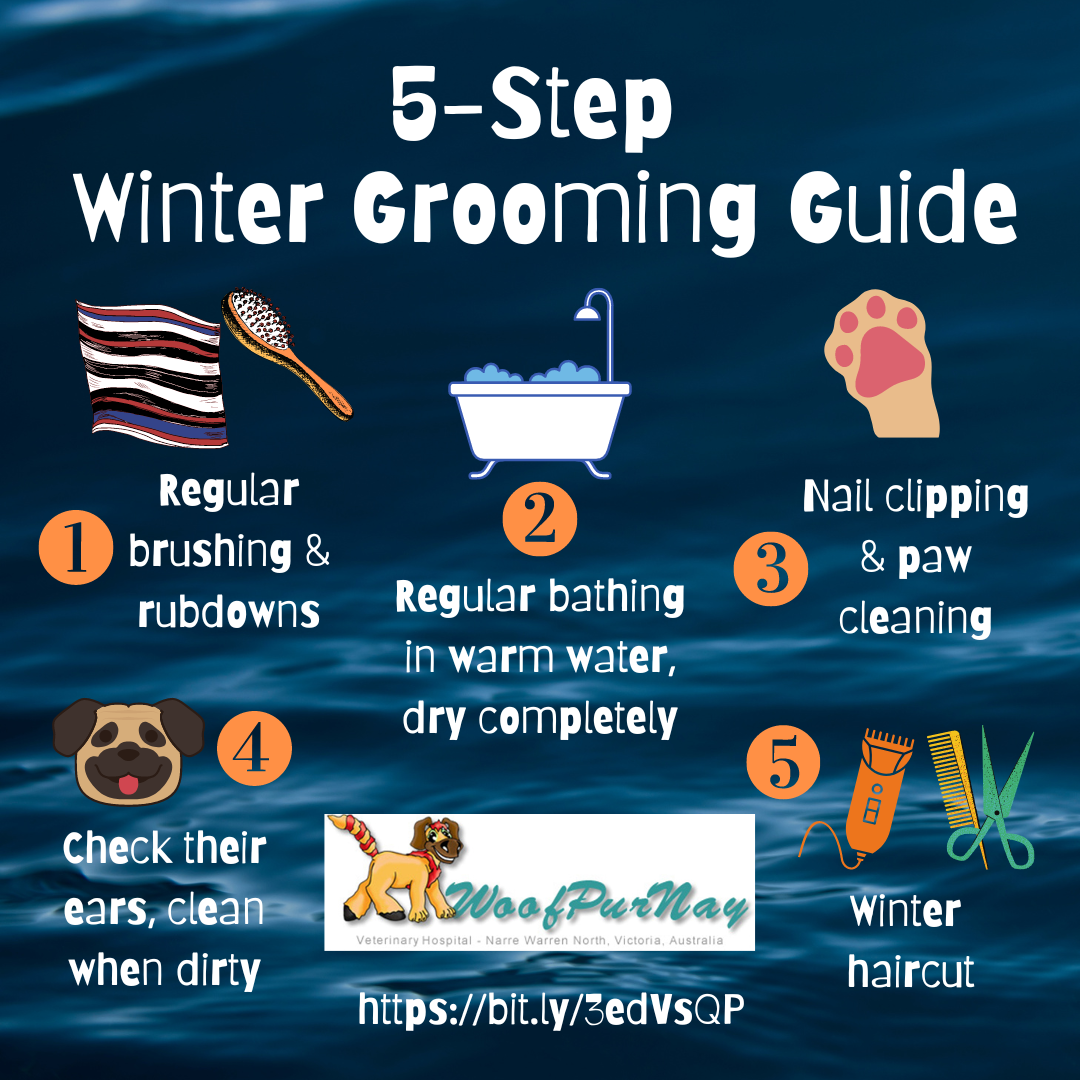
Brushing your dog is a key part of grooming. It keeps your dog’s coat clean and healthy. Regular brushing removes dirt and loose fur. It also helps you check for skin problems early. Brushing can be a calming time for your dog.
Selecting The Proper Brush
Choose a brush based on your dog’s coat type. For short hair, use a bristle brush or rubber curry brush. These remove loose hair and dirt easily. For medium to long hair, a slicker brush works well. It reaches deeper to remove tangles and dirt. Wire pin brushes suit dogs with curly or thick coats. Avoid harsh brushes that may hurt your dog’s skin.
Techniques For Different Coat Types
Brush gently in the direction of hair growth. For short coats, use light, quick strokes. Long coats need slow, careful brushing to avoid pulling. Brush small sections at a time. Pay attention to areas behind ears and under legs. These spots often get dirty or tangled. Regular brushing spreads natural oils for a shiny coat.
Removing Mats And Tangles
Use a dematting comb or slicker brush for mats. Hold the hair near the skin to avoid pulling. Start at the edges of the mat and work inward. Gently tease apart the knots with small strokes. Do not cut mats unless you know how. Mats can hurt your dog and cause skin problems. Patience and care make the process easier for both.
Bathing Basics
Bathing a dog is an important part of grooming. It keeps your dog clean and healthy. Bathing also helps remove dirt, loose hair, and odor. Doing it the right way makes the process easier and more comfortable for your dog.
Follow simple steps to give your dog a safe and pleasant bath. Focus on choosing the right shampoo, using the correct water temperature, and drying your dog properly.
Picking The Right Shampoo
Choose a shampoo made for dogs. Human shampoos can harm their skin. Look for gentle formulas for sensitive skin. Avoid shampoos with strong perfumes or chemicals. If your dog has skin problems, ask a vet for advice. Using the right shampoo keeps your dog’s coat shiny and healthy.
Water Temperature And Safety
Use lukewarm water for the bath. Water that is too hot or cold can upset your dog. Test the water on your wrist first. Keep the bath area safe and non-slip. Use a cup or gentle spray to wet your dog. Avoid water in the eyes, ears, and nose. Always stay calm to keep your dog relaxed.
Drying Methods
Use a towel to dry your dog gently. Pat the fur instead of rubbing hard. For long-haired dogs, use a blow dryer on low heat. Keep the dryer moving to avoid burns. Make sure your dog is fully dry to prevent skin issues. A dry coat also helps your dog stay warm.
Credit: www.purina.com
Trimming And Clipping
Trimming and clipping are key parts of dog grooming. They keep your dog looking neat and feeling comfortable. Proper trimming also helps avoid mats and tangles. Use the right tools and techniques to protect your dog’s skin and coat. Take your time and be gentle to make the process smooth and safe.
Choosing Clippers And Scissors
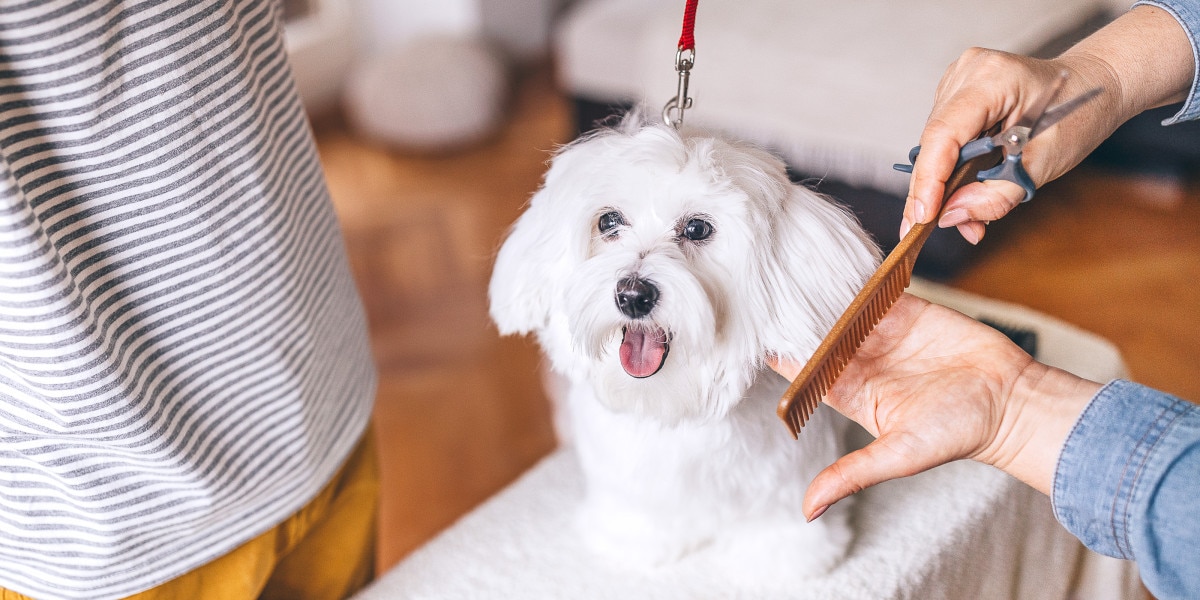
Select clippers that fit your dog’s coat type. Some clippers work best for thick coats, others for thin hair. Choose scissors with sharp, rounded tips for safety. Avoid dull tools that pull hair or cause discomfort. Keep your tools clean and well-maintained for the best results.
Trimming Around Sensitive Areas
Focus on areas like the face, ears, paws, and tail carefully. Use scissors or small clippers with slow, gentle movements. Avoid cutting too close to the skin to prevent nicks. Hold your dog steady but relaxed during this step. Check for any signs of irritation or discomfort.
Shaping The Coat
Shape the coat to suit your dog’s breed and style. Trim evenly to create a balanced look. Follow the natural lines of your dog’s body for a neat finish. Use slow, short strokes to avoid mistakes. Stop often to check your progress and adjust as needed.
Nail Care
Taking care of your dog’s nails is an important part of grooming. Proper nail care keeps your dog comfortable and prevents injuries. Short nails help your dog walk better and avoid pain. Regular trimming also stops nails from breaking or splitting. Nail care is easy with the right tools and steps.
Tools For Nail Trimming
Choose the right tools before starting. Use nail clippers made for dogs. Guillotine clippers or scissors-style clippers work well. A nail file or grinder smooths rough edges after trimming. Keep everything clean and sharp for a safe cut.
Avoiding The Quick
The quick is the pink part inside the nail. It has blood vessels and nerves. Cutting the quick causes pain and bleeding. Look for the pink line in light-colored nails. Trim little by little to avoid cutting too deep. Use a flashlight for better view if needed.
Smoothing Rough Edges
After trimming, nails may feel sharp or rough. Use a nail file or grinder to smooth edges. This prevents nails from scratching floors or skin. Move the file gently in one direction. Stop when nails are smooth and safe.
Ear And Teeth Care
Ear and teeth care are important parts of dog grooming. Clean ears help your dog hear well and avoid infections. Healthy teeth keep your dog’s mouth fresh and prevent pain. Regular care keeps your dog happy and healthy.
Cleaning Ears Safely
Use a vet-approved ear cleaner for your dog. Put some cleaner on a cotton ball. Gently wipe the inside of the ear flap. Avoid pushing deep inside the ear canal. Stop if your dog shows discomfort. Clean ears once a week or as needed.
Maintaining Dental Hygiene
Brush your dog’s teeth with a dog-friendly toothbrush and toothpaste. Start slowly to let your dog get used to it. Brush in small circles on all teeth. Aim for at least two times a week. Dental chews and toys also help keep teeth clean.
Spotting Signs Of Infection
Check your dog’s ears for redness, swelling, or bad smell. Look for yellow or brown discharge. Watch for pawing or shaking of the head. Check teeth for bad breath, broken teeth, or swollen gums. See a vet if you notice any of these signs.
Post-grooming Tips
After grooming your dog, some important steps help keep them happy and healthy. Post-grooming care ensures your dog feels comfortable and enjoys the process next time. It also helps maintain their clean and neat appearance longer. Follow these simple tips to create a positive grooming routine for your pet.
Rewarding Your Dog
Give your dog a treat right after grooming. Praise them with a calm voice and gentle petting. Rewards make grooming a positive experience. Your dog will look forward to the next session. Use small, healthy treats your dog loves. This builds trust and good behavior during grooming.
Regular Grooming Schedule
Set a regular time for grooming your dog. This helps keep their coat clean and skin healthy. Stick to a weekly or bi-weekly schedule. Regular grooming prevents mats and tangles. It also reduces shedding around your home. Consistency makes grooming easier and less stressful.
When To Visit A Professional
Some grooming tasks need expert care. Visit a professional groomer for nail trimming or complex haircuts. Professionals can spot skin problems early. They have tools and skills for safe grooming. Schedule visits every few months or as needed. This keeps your dog looking great and feeling good.
Credit: drrepasi.hu
Frequently Asked Questions
How Often Should I Groom My Dog?
Groom your dog every 4 to 6 weeks to maintain cleanliness and health. Frequency depends on the breed and coat type. Regular grooming prevents matting and skin issues. Long-haired dogs may need more frequent sessions.
What Tools Do I Need For Dog Grooming?
Essential tools include a slicker brush, comb, nail clippers, dog shampoo, and scissors. Use breed-specific tools for best results. Proper tools ensure safe and efficient grooming. Avoid human products to protect your dog’s skin.
Can I Groom My Dog At Home Safely?
Yes, grooming at home is safe with proper tools and techniques. Start slowly and be gentle to keep your dog calm. Regular grooming reduces vet visits and keeps your dog comfortable. Watch tutorials for guidance if you’re a beginner.
How Do I Handle A Nervous Dog During Grooming?
Create a calm environment and use treats for positive reinforcement. Take breaks and speak softly to reduce stress. Gradually introduce grooming tools to build trust. Patience and consistency help nervous dogs relax during grooming.
Conclusion
Grooming your dog helps keep them healthy and happy. Regular brushing removes dirt and loose fur. Trimming nails prevents pain and injury. Cleaning ears stops infections before they start. Bathing your dog keeps their coat clean and shiny. Take your time and be gentle.
Your dog will enjoy the care and attention. A little effort each week goes a long way. Happy grooming, happy dog!