
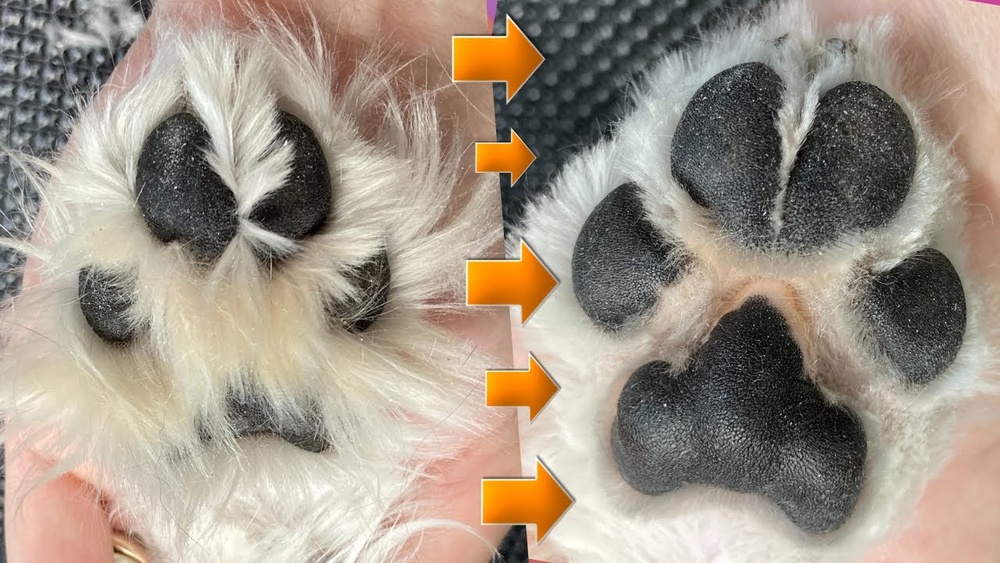
Your dog’s paws are more than just cute—they’re vital to their comfort and health. If you want your furry friend to stay happy and active, knowing how to groom their paws is a must.
You might not realize it, but dirty, matted, or cracked paws can cause pain and even lead to infections. Imagine your dog walking comfortably on any surface, free from irritation or injury. In this guide, you’ll discover simple, effective steps to keep your dog’s paws clean, healthy, and well-groomed.
Stick with me, and you’ll become the paw-care expert your dog deserves.
Tools Needed
Grooming your dog’s paws needs the right tools. These tools help keep paws clean, healthy, and comfortable. Using proper equipment makes the process safer and easier. Here is a list of tools you will need for paw grooming.
Essential Grooming Supplies
Start with a soft brush to clean dirt and debris. Use a damp cloth to wipe between paw pads. Have a pair of scissors to trim excess hair around paws. Keep some pet-safe wipes for quick cleaning. A towel helps to dry the paws after washing.
Choosing The Right Clippers And Trimmers
Select clippers designed for pets to avoid injury. Small, sharp blades work best for precise trimming. Electric trimmers with quiet motors reduce dog stress. Use slow and steady movements to avoid cutting too close. Always check the blade temperature during use.
Nail Files And Buffers
Nail files help smooth rough edges after clipping nails. Buffers give nails a polished, neat look. Use gentle pressure to prevent hurting your dog. Choose files made for pets to avoid damage. Regular filing stops nails from splitting or cracking.
Preparing Your Dog
Preparing your dog for paw grooming is important for a smooth experience. It helps your dog stay calm and cooperative during the process. Taking time to prepare sets a positive tone. This makes grooming easier and less stressful for both of you.
Creating A Calm Environment
Choose a quiet place with few distractions. Soft lighting helps your dog feel relaxed. Keep your voice gentle and soothing. Avoid sudden movements or loud noises. Calm surroundings make your dog feel safe and ready for grooming.
Getting Your Dog Comfortable
Let your dog explore the grooming area first. Offer treats to build positive feelings. Pet and speak softly to reassure your dog. Short, gentle sessions work best at the start. Comfort helps your dog trust the grooming process.
Handling Sensitive Paws
Some dogs feel nervous about paw touch. Touch paws gently and slowly at first. Use soft strokes and watch your dog’s reaction. Stop if your dog shows discomfort and try again later. Patience helps your dog get used to paw handling.
Cleaning Paws
Cleaning your dog’s paws is important to keep them healthy and comfortable. Dirt, mud, and other debris can get stuck between their pads. This can cause irritation or infections. Regular cleaning helps avoid these problems. It also lets you check for cuts or ticks.
Washing Techniques
Use warm water to wash your dog’s paws. Avoid hot water that can burn their skin. Gently soak each paw for a few seconds. Use a soft cloth or your hand to rub dirt away. You can add a little dog-friendly shampoo if needed. Rinse well to remove all soap. Be careful not to get water in their nails.
Removing Dirt And Debris
Look closely between the toes and paw pads. Use your fingers to remove small stones or sticks. If dirt is stuck, use a damp cloth or soft brush. Avoid harsh scrubbing that might hurt your dog. Check for any signs of injury or redness. Clean paws prevent infections and keep your dog happy.
Drying Properly
Dry your dog’s paws with a clean towel. Make sure to dry between the toes carefully. Moisture left in these areas can cause infections. Let your dog rest a bit before going outside again. Keeping paws dry is as important as washing them.
Trimming Paw Hair
Trimming your dog’s paw hair is an important part of paw care. It helps keep paws clean and comfortable. Overgrown hair can trap dirt and cause slipping on smooth floors. Regular trimming prevents mats and reduces the risk of infections between toes.
When And Why To Trim
Check your dog’s paws every week. Trim hair when it grows past the paw pads. Long hair can collect mud and debris. Dogs that spend time outside may need more frequent trims. Trimming also helps dogs walk better and avoid slipping.
Safe Cutting Methods
Use sharp, rounded scissors or pet clippers for trimming. Hold the paw gently but firmly. Cut small amounts of hair at a time. Avoid cutting too close to the skin. Trim slowly to prevent accidents. Keep the paw steady throughout the process.
Avoiding Common Mistakes
Do not cut too much hair at once. Avoid cutting the quick, the pink part inside nails. Never use human scissors or dull blades. Do not rush the trimming session. Watch for signs of discomfort or stress. Clean the tools before and after use to prevent infection.
Nail Care
Taking care of your dog’s nails is important for their comfort and health. Nails that are too long can cause pain and affect how your dog walks. Regular nail care keeps paws healthy and helps avoid injuries.
How To Trim Nails Safely
Use a sharp nail clipper made for dogs. Hold your dog’s paw gently but firmly. Cut small pieces of the nail at a time. Avoid cutting too close to the quick. The quick is the pink part inside the nail that has nerves and blood vessels. If you cut it, your dog may bleed and feel pain. Have styptic powder or cornstarch ready to stop bleeding if needed.
Signs Of Overgrown Nails
Long nails can click on the floor when your dog walks. Nails may curl under and grow into the paw pad. Your dog might limp or avoid walking. Overgrown nails can cause infections or injuries. Check your dog’s nails weekly to prevent problems.
Using Nail Grinders
Nail grinders smooth the nail edges after trimming. They are good for dogs afraid of clippers. Turn on the grinder and gently touch the nail tip. Move the grinder in small circles to shape the nail. Keep sessions short to avoid heat or discomfort. Always reward your dog to keep them calm.

Credit: www.tlcpets.ca
Moisturizing And Protection
Dogs’ paws need care to stay healthy and comfortable. Moisturizing and protection keep paws soft and safe. Dry, cracked paws cause pain and infections. Regular care helps avoid these problems. Use simple steps to protect your dog’s paws every day.
Choosing Paw Balms
Select paw balms made for dogs. Look for natural ingredients like shea butter and beeswax. Avoid products with harsh chemicals or perfumes. Apply balm after walks or baths. It soothes and locks in moisture. Regular use keeps paws soft and flexible.
Preventing Cracks And Dryness
Dry weather and rough surfaces cause cracks. Check paws often for signs of dryness. Clean paws with warm water and dry well. Use paw balm before going outside. Avoid walking on hot or icy ground. These steps reduce damage and keep paws healthy.
Protective Booties And Socks
Booties and socks protect paws from injury. Use them on rough, hot, or cold surfaces. Choose the right size for comfort. Introduce them slowly so your dog adjusts. They also keep paws clean and dry. Great for long walks or outdoor adventures.
Monitoring Paw Health
Monitoring your dog’s paw health is important for their comfort and safety. Healthy paws help your dog walk, run, and play without pain. Checking paws regularly can prevent many problems. It helps you find issues early and treat them fast.
Detecting Infections And Irritations
Look for redness or swelling between the toes. Check for cuts, sores, or broken skin. Notice if your dog licks or chews paws often. Smell the paws for any foul odor. These signs may mean infection or irritation.
When To See A Vet
Visit the vet if your dog limps or shows pain. Seek help if you see pus or bleeding. If swelling grows or does not improve, get advice. Sudden changes in paw color or bad smell need quick care.
Routine Paw Checks
Make checking paws a regular habit. Do it after walks or playtime. Use your hands to feel for lumps or bumps. Keep nails trimmed and pads clean. Regular checks keep paws healthy and happy.

Credit: www.youtube.com
Tips For Different Breeds
Different dog breeds have different paw grooming needs. Their paw hair, size, and activity level affect how to care for them. Knowing these details helps keep their paws healthy and clean.
Grooming Thick Fur Paws
Dogs with thick fur around their paws need regular trimming. Long hair can trap dirt and moisture. Use blunt scissors or clippers carefully to avoid cutting skin. Brush the fur to remove mats and tangles. Check between the toes for debris or irritation. Keep the fur neat to prevent infections.
Care For Small Breed Paws
Small breeds have delicate paws with thin pads. Trim their nails often to avoid scratches and discomfort. Use a soft brush to clean between toes gently. Watch for signs of dryness or cracking. Apply paw balm if the pads look dry. Handle their paws softly to reduce stress during grooming.
Special Considerations For Active Dogs
Active dogs face more wear and tear on their paws. Inspect their paws after walks or playtime. Look for cuts, bruises, or stuck debris. Clean paws with warm water to remove dirt and salt. Use paw wax to protect pads from rough surfaces. Trim nails regularly to prevent injury while running.

Credit: www.healthyhappypaws.com.au
Frequently Asked Questions
How Often Should I Groom My Dog’s Paws?
Groom your dog’s paws weekly to keep them clean and healthy. Regular grooming prevents dirt buildup and detects injuries early. This routine helps maintain paw pad softness and avoids discomfort from matted fur or debris.
What Tools Do I Need For Grooming Dog Paws?
Essential tools include a nail clipper, paw balm, a soft brush, and a towel. These help trim nails safely, clean pads, and soothe the skin. Using the right tools ensures effective and gentle paw care.
How Do I Safely Trim My Dog’s Paw Hair?
Use blunt-tipped scissors or clippers to carefully trim excess hair between paw pads. Trim slowly to avoid cutting skin. This prevents dirt and ice buildup, reducing infection risks and improving paw comfort.
Why Is Paw Pad Moisturizing Important For Dogs?
Moisturizing keeps paw pads soft and prevents cracking. Dry pads can cause pain and infection. Use dog-safe balms regularly, especially in cold or hot weather, to maintain healthy, resilient paws.
Conclusion
Caring for your dog’s paws keeps them healthy and happy. Trim nails carefully to avoid pain or injury. Clean between pads to remove dirt and debris. Check paws often for cuts, cracks, or irritation. Use gentle products made for dogs only.
Regular grooming helps prevent infections and discomfort. Healthy paws mean your dog can enjoy walks and playtime more. Simple steps make a big difference in paw care. Keep this routine to protect your furry friend’s paws every day.


