

Grooming your dog might seem tricky if you’re new to it. But with the right tips, you can make it easy and even enjoyable for both you and your furry friend.
Imagine your dog looking clean, feeling comfortable, and loving the extra attention you give. In this guide, you’ll discover simple steps to groom your dog at home without stress or confusion. Ready to learn how to keep your pet happy and healthy with just a little time and care?
Let’s get started!
Tools Needed For Dog Grooming
Grooming your dog at home needs the right tools. These tools keep your dog clean and healthy. Using the proper items makes grooming easier and safer. Start with a few basic tools to care for your dog’s coat, nails, and skin.
Essential Brushes And Combs
Brushes and combs remove dirt and loose hair. They help prevent mats and tangles. Choose a slicker brush for thick or curly fur. A bristle brush works well for short coats. Combs are perfect for checking small knots and debris.
Clippers And Scissors
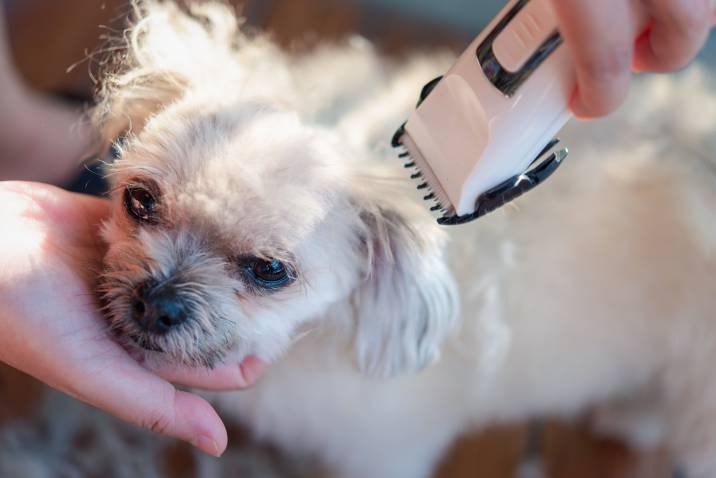
Clippers trim your dog’s fur quickly and evenly. Use them for thick or long coats. Scissors help shape and cut around sensitive areas. Rounded-tip scissors keep your dog safe during grooming. Always pick sharp tools for clean cuts.
Shampoos And Conditioners
Shampoos clean your dog’s skin and coat gently. Use formulas made for dogs to avoid irritation. Conditioners soften the fur and reduce tangles. They make brushing easier and keep the coat shiny. Choose products based on your dog’s coat type.
Nail Trimming Tools
Nail clippers keep your dog’s nails short and healthy. Use guillotine or scissor-style clippers for control. A nail file smooths rough edges after clipping. Regular trimming prevents pain and injury. Handle nails carefully to avoid cutting the quick.
Preparing Your Dog For Grooming
Preparing your dog for grooming sets the stage for a smooth and stress-free session. Taking time to get your dog ready helps them feel safe and comfortable. It also makes grooming easier and more effective. Preparation includes choosing a good spot, calming your dog, and gathering all needed tools. These steps build trust and reduce anxiety for your pet.
Choosing The Right Location
Select a quiet, well-lit area for grooming. Avoid places with many distractions or loud noises. A small bathroom or laundry room works well. Make sure the surface is non-slip to keep your dog steady. The right location keeps your dog calm and focused during grooming.
Calming Your Dog
Start by speaking softly to your dog. Gentle petting helps them relax. Offer treats to create a positive mood. Keep sessions short to avoid stress. Take breaks if your dog seems nervous or restless. Calm dogs are easier to groom and less likely to resist.
Gathering Supplies
Collect all grooming tools before you start. Common items include a brush, comb, dog shampoo, towels, and nail clippers. Having everything ready prevents interruptions. Check tools for safety and cleanliness. Organized supplies make grooming faster and smoother.
Bathing Basics
Bathing a dog is a key part of grooming. It keeps your pet clean and healthy. Bathing can be easy with the right steps. This section covers the basics of bathing your dog.
Selecting The Right Water Temperature
Use lukewarm water for your dog’s bath. Water that is too hot can burn their skin. Cold water can make them uncomfortable. Test the water on your wrist first. It should feel warm and gentle. This helps keep your dog calm during the bath.
Proper Shampoo Application
Choose a shampoo made for dogs. Human shampoo can irritate their skin. Wet your dog’s coat fully before applying shampoo. Use a small amount and spread it evenly. Avoid the eyes, ears, and mouth. Massage the shampoo gently into the fur. This cleans dirt and oils well.
Rinsing And Drying Techniques
Rinse your dog thoroughly with clean water. Leftover shampoo can cause itching or rash. Use your hands to remove all soap suds. Dry your dog with a towel right after the bath. Pat the fur instead of rubbing hard. For long-haired dogs, use a hairdryer on low heat. Keep the dryer moving to avoid hot spots.
Credit: www.airtasker.com
Brushing And Detangling
Brushing and detangling are key parts of dog grooming. They keep your dog’s coat healthy and clean. Brushing removes dirt, loose hair, and prevents mats. Detangling stops painful knots that can hurt your dog. Regular care makes your dog look and feel great.
Brushing Different Coat Types
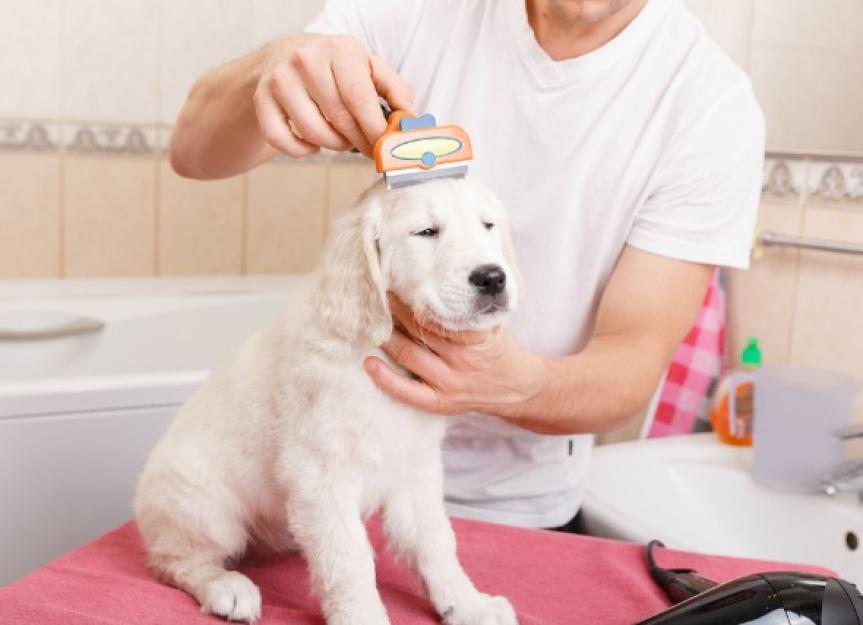
Different dogs have different coat types. Some have short hair, others long or curly. Use a soft brush for short coats to avoid skin irritation. For long or thick coats, a slicker brush works well. Curly coats need gentle brushing to avoid breakage. Know your dog’s coat to choose the right brush.
Handling Mats And Tangles
Mats and tangles can hurt your dog. Use a detangling spray to soften tough knots. Start brushing from the ends, slowly working toward the skin. Use a comb for small tangles and scissors for large mats. Be patient and gentle to keep your dog calm and safe.
Frequency Of Brushing
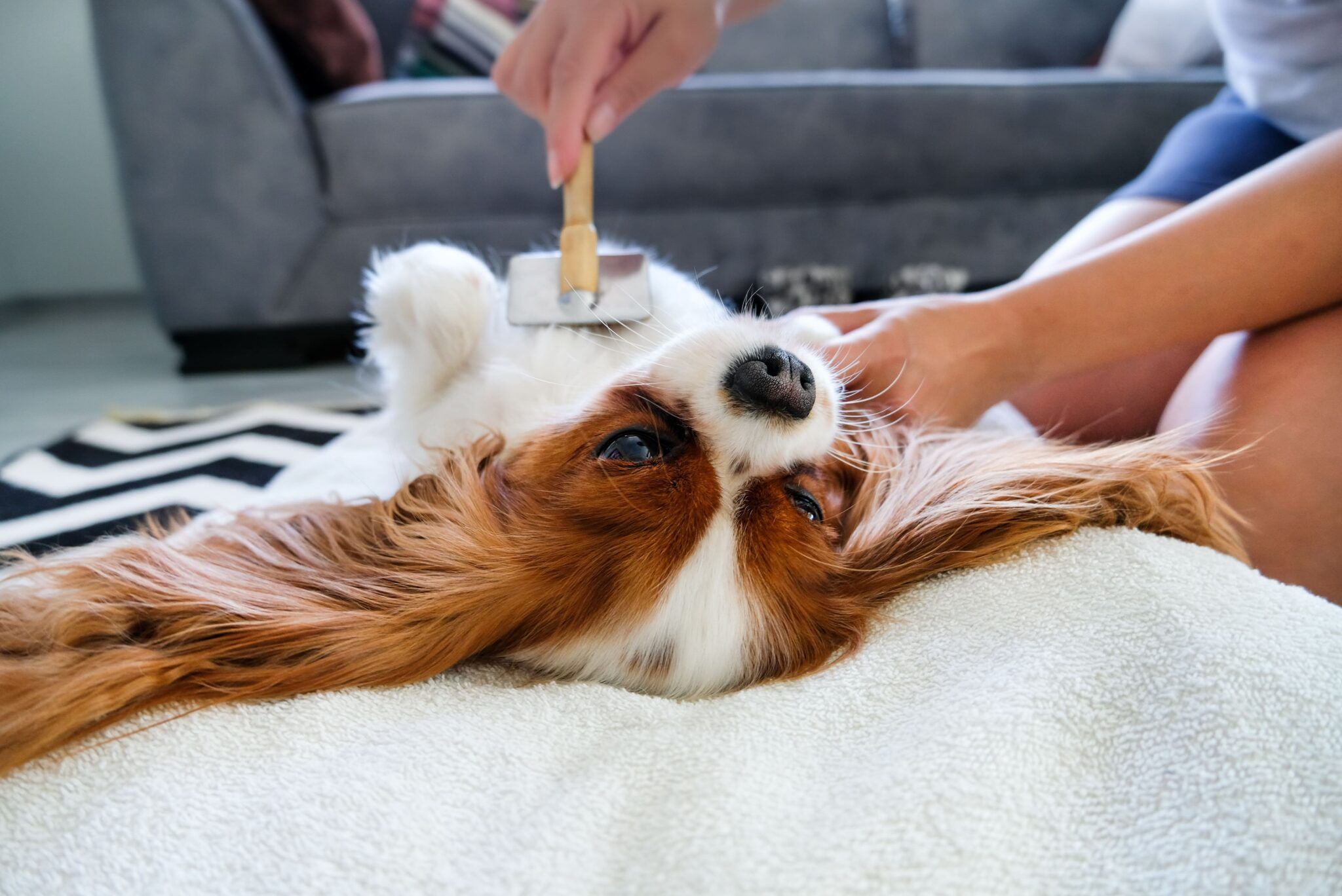
Brushing frequency depends on your dog’s coat type. Short-haired dogs need brushing once a week. Long-haired dogs benefit from daily brushing. Regular brushing stops mats and spreads natural oils. Set a brushing routine to keep your dog’s coat shiny and healthy.
Trimming And Clipping
Trimming and clipping are important parts of dog grooming. They keep your dog clean and comfortable. Regular clipping prevents mats and tangles. Trimming helps shape the coat and remove excess hair. Both need care and attention to keep your dog safe and happy.
Safe Clipping Practices
Use sharp, clean clippers for a smooth cut. Dull blades can pull hair and hurt your dog. Clip in a quiet place to keep your dog calm. Hold the skin tight to avoid cuts. Always start with a slow speed and gentle touch. Check the clipper temperature often. Warm clippers can burn your dog’s skin. Stop if your dog shows signs of stress.
Trimming Around Sensitive Areas
Be extra careful near eyes, ears, and genitals. Use small scissors for precision in these spots. Trim little by little to avoid mistakes. Keep your dog steady by talking softly. Avoid cutting too close to the skin. Watch for any signs of discomfort. Clean scissors and clippers after use to prevent infection.
Maintaining Paw Hair
Trim hair between paw pads to prevent slipping. Use rounded scissors or clippers made for pets. Remove dirt and debris trapped in the fur. Check paws regularly for cuts or irritation. Keep nails trimmed to avoid pain or injury. Clean paws after walks to reduce germs. Healthy paws help your dog stay active and happy.
Credit: www.whole-dog-journal.com
Nail Care Tips
Taking care of your dog’s nails is a key part of grooming. Healthy nails keep your dog comfortable and active. Short nails prevent pain and reduce damage to floors and furniture. Regular nail care also stops problems like infections or broken nails. Here are simple tips to help you care for your dog’s nails safely.
Choosing The Right Clippers
Select clippers made just for dogs. Small scissors or human nail clippers may hurt your dog. Look for sharp, strong clippers that fit your dog’s nail size. For small dogs, use small guillotine clippers. Bigger dogs need heavy-duty clippers. Good clippers make cutting easier and safer.
Avoiding The Quick
The quick is the pink part inside your dog’s nail. It has nerves and blood vessels. Cutting the quick causes pain and bleeding. To find the quick, hold the nail against light. For dark nails, trim small bits slowly. Stop if you see a dark spot in the center. Take breaks to calm your dog if needed.
Smoothing Rough Edges
After clipping, rough edges can scratch or catch on things. Use a nail file or emery board to smooth nails gently. This step makes nails safe and neat. File in one direction to avoid splits. Smooth nails help your dog walk comfortably on floors and outside.
Ear And Teeth Care
Taking care of your dog’s ears and teeth is very important for their health. Clean ears prevent infections and keep your dog comfortable. Healthy teeth help your dog eat well and avoid bad breath. This section shows simple ways to care for your dog’s ears and teeth.
Cleaning Ears Safely
Use a soft cloth or cotton ball to clean the ears. Never use cotton swabs inside the ear canal. Use a vet-approved ear cleaner for best results. Gently wipe the outer ear and remove dirt or wax. Stop if your dog shows pain or discomfort.
Brushing Teeth Regularly
Brush your dog’s teeth using a special dog toothbrush and toothpaste. Do this two to three times a week. Start slowly and let your dog get used to it. Use small, gentle circles to clean all teeth. Brushing helps stop plaque and keeps gums healthy.
Recognizing Signs Of Infection
Look for redness, swelling, or bad smell in ears. Check if your dog scratches ears or shakes its head often. Watch for bad breath, swollen gums, or loose teeth. These signs need a visit to the vet. Early care stops problems from getting worse.
Credit: www.petmd.com
Establishing A Grooming Routine
Starting a grooming routine helps keep your dog clean and healthy. It builds trust and makes grooming easier over time. Setting a schedule makes grooming a regular part of your dog’s life. Your dog will feel comfortable and relaxed during grooming sessions.
Consistency is key. A steady routine reduces stress for both you and your dog. It also helps catch any skin or health issues early. Knowing when to groom keeps your dog looking great all year round.
Frequency Recommendations
How often you groom depends on your dog’s breed and coat type. Dogs with short hair may need grooming once a month. Long-haired dogs often require brushing several times a week. Bathing should happen every one to three months. Check nails and ears every two weeks. Adjust these times based on your dog’s comfort and dirt level.
Adapting To Your Dog’s Needs
Watch your dog’s behavior and coat condition. If your dog scratches a lot, grooming frequency might need to increase. Shedding may require extra brushing during certain seasons. Older dogs might need gentler and shorter sessions. Puppies need calm, short grooming to get used to it. Change your routine as your dog grows and changes.
Tracking Grooming Progress
Keep a simple log of grooming dates and notes. Write down what you did and how your dog reacted. Track any skin problems, shedding, or nail growth. This helps spot problems early and improves your routine. Use a calendar or app to set reminders. Staying organized makes grooming less stressful for both of you.
Handling Common Grooming Challenges
Grooming a dog can be a challenge, especially for beginners. Dogs may feel scared or uncomfortable during grooming. Some dogs may show signs of aggression. Knowing how to handle these problems helps make grooming easier and safer. Here are tips for common grooming challenges.
Dealing With Anxiety
Many dogs feel nervous during grooming. Stay calm and speak softly. Use treats to reward good behavior. Take breaks if your dog becomes stressed. Start with short grooming sessions. Build your dog’s comfort over time. A relaxed dog is easier to groom.
Managing Aggressive Behavior
Some dogs may act aggressive when scared or hurt. Never force your dog to stay still. Use gentle restraint with a soft towel or leash. Watch body language to avoid bites. Stop grooming if your dog becomes too upset. Try calming methods like massage or soothing voices. Safety is the top priority.
When To Seek Professional Help
Sometimes grooming needs are too hard for beginners. If your dog is very anxious or aggressive, a groomer or vet can help. Professionals have special tools and experience. They know how to keep dogs safe and calm. Asking for help can protect you and your dog.
Frequently Asked Questions
How Often Should I Groom My Dog As A Beginner?
Beginner dog groomers should groom their pets every 4 to 6 weeks. Regular grooming prevents matting, removes loose hair, and keeps skin healthy. Frequency depends on your dog’s breed, coat type, and activity level. Consistency helps maintain a clean, comfortable dog.
What Tools Do I Need For Basic Dog Grooming?
Essential tools include a slicker brush, comb, nail clippers, dog shampoo, and a towel. These tools help remove tangles, clean fur, trim nails, and bathe your dog safely. Investing in quality tools ensures effective and comfortable grooming sessions.
How Can I Safely Trim My Dog’s Nails At Home?
Use sharp nail clippers designed for dogs. Trim small sections to avoid cutting the quick, which causes pain and bleeding. If unsure, seek guidance from a vet or groomer. Regular nail trims promote healthy paws and prevent discomfort.
What Is The Best Way To Bathe My Dog Properly?
Use lukewarm water and dog-specific shampoo. Wet your dog thoroughly, apply shampoo, and massage gently. Rinse completely to avoid residue, then dry with a towel or blow dryer on low heat. Bathing keeps your dog clean and skin healthy.
Conclusion
Grooming your dog is easier than it seems. Start with small steps and stay patient. Use the right tools for your dog’s coat type. Regular brushing keeps fur clean and healthy. Baths help your dog feel fresh and smell nice.
Trim nails carefully to avoid hurting your pet. Check ears for dirt and clean gently. Most importantly, make grooming a calm and happy time. Practice often to build trust and comfort. Your dog will enjoy looking and feeling good. Keep these tips in mind for simple, stress-free grooming.

