

Have you ever wondered if your dog can handle a long car ride, like 12 hours straight? If you’re planning a road trip or a move, this question is probably on your mind.
You want your furry friend to be safe, comfortable, and happy during the drive. But how do you make sure a 12-hour car trip doesn’t turn into a stressful experience for both of you? You’ll discover practical tips and important things to consider before hitting the road with your dog for a long time.
Keep reading to learn how to make your journey smooth and enjoyable—for you and your dog.
Preparing Your Dog For A Long Car Ride
Preparing your dog for a long car ride is important for a safe and calm journey. Dogs can feel stressed or uncomfortable during long trips. Proper preparation helps them stay relaxed and happy. It also makes the trip easier for you. Start planning ahead to meet your dog’s needs on the road.
Health Check And Vet Visit
Before the trip, take your dog to the vet. The vet will check for any health issues. Make sure your dog is up to date on vaccinations. Ask the vet about motion sickness and travel tips. Bring any medicines your dog needs. A healthy dog handles long trips better.
Familiarizing With The Car
Let your dog get used to the car before the trip. Take short drives to build comfort. Allow your dog to explore the car while it is parked. Use treats and praise to create positive feelings. A familiar dog is less anxious during long rides.
Packing Essentials For Your Dog
Pack important items for your dog’s comfort. Bring water and a bowl to keep them hydrated. Carry some favorite toys and a blanket for comfort. Don’t forget waste bags for cleaning up. A well-packed bag helps your dog feel at home.

Credit: www.amazon.com
Safety Measures During The Trip
Long car trips with dogs need careful planning. Safety is key to keep your dog calm and secure. Proper safety measures reduce risks for both pets and drivers. Follow simple steps to protect your dog during a 12-hour car ride.
Using Proper Restraints
Use a dog seat belt or a secured crate. These keep your dog from moving around. They prevent injury in sudden stops or accidents. Choose restraints that fit your dog’s size and weight. Make sure your dog is comfortable and not stressed.
Securing The Vehicle Environment
Keep windows closed or only slightly open. This stops your dog from jumping or falling out. Remove loose objects that may hit your dog in a crash. Ensure your dog has enough space to sit or lie down. Avoid placing your dog in the front seat due to airbags.
Avoiding Distractions While Driving
Do not let your dog roam inside the car. This keeps your focus on driving safely. Use a travel buddy to help watch your dog. Do not feed your dog while driving. Plan regular stops to let your dog stretch and relieve itself.
Maintaining Comfort Throughout The Journey
Long car rides can be tough for dogs. Keeping them comfortable helps reduce stress and anxiety. Comfort also keeps dogs calm and happy during the trip. Small changes make a big difference in their experience. Focus on the car’s temperature, bedding, and noise levels. These factors affect your dog’s well-being on the road.
Temperature Control Inside The Car
Dogs cannot sweat like humans. They get hot quickly. Keep the car cool with air conditioning or open windows. Avoid direct sunlight on your dog. Use sunshades on windows to block strong rays. Check the temperature often to keep it steady. Never leave your dog alone in a parked car.
Providing Comfortable Bedding
Soft bedding gives your dog a cozy place to rest. Use a familiar blanket or dog bed. This helps your dog feel safe and calm. Choose materials that do not slip on the car seat. Wash bedding before the trip to avoid odors. Change bedding if it gets dirty during stops.
Managing Noise And Movement
Road noise and car movement can scare dogs. Play soft music or white noise to soothe them. Drive smoothly to reduce sudden stops and turns. Use a dog harness or crate to keep them secure. Speak softly to reassure your dog during the ride. These steps help lower anxiety and motion sickness.

Credit: www.rac.co.uk
Feeding And Hydration Tips
Traveling with your dog for 12 hours requires careful feeding and hydration planning. Proper care keeps your dog comfortable and healthy. Avoid feeding your dog too much before or during the trip. Stay alert to signs of motion sickness to act quickly.
Meal Scheduling For Long Trips
Feed your dog a light meal 3 to 4 hours before the trip starts. Avoid heavy meals right before travel. Small, frequent meals work best during breaks. Carry easy-to-digest dog food for the journey. Stick to your dog’s regular diet to prevent upset stomach.
Hydration Strategies
Keep fresh water available at all times. Offer water every two to three hours. Use a spill-proof bowl to avoid messes in the car. Avoid giving too much water at once. Freeze some water bottles to keep water cool and fresh.
Recognizing Signs Of Motion Sickness
Watch for drooling, whining, or restlessness. Vomiting or excessive yawning are also signs. If your dog seems anxious or dizzy, stop and take a break. Motion sickness can worsen without care. Consult your vet for advice before long trips.
Planning Regular Breaks
Planning regular breaks during a long car trip is very important for your dog’s comfort and health. Dogs need to move, stretch, and relieve themselves. Without breaks, they may get restless or stressed. Regular stops help keep your dog calm and happy throughout the journey.
Ideal Break Frequency And Duration
Stop every two to three hours for your dog. Each break should last at least 15 minutes. This time lets your dog stretch legs and use the bathroom. Short, frequent stops are better than few long ones.
Safe Spots For Exercise And Bathroom
Choose quiet, safe places for breaks. Parks, rest areas, and pet-friendly stops work well. Avoid busy roads or noisy areas. Check the ground for sharp objects or trash before letting your dog out.
Keeping Your Dog Calm During Stops
Use a leash to keep your dog close. Speak softly and offer treats or water. Keep playtime gentle to avoid excitement. Calm dogs return to the car easily and relax during the ride.
Handling Emergencies On The Road
Long car trips with your dog can be fun but may bring unexpected problems. Knowing how to handle emergencies on the road keeps your dog safe. It helps you stay calm and act fast if something goes wrong. Prepare for any situation to protect your pet’s health and comfort.
First Aid Basics For Dogs
Learn simple first aid skills for dogs before your trip. Carry a pet first aid kit with bandages, antiseptic wipes, and tweezers. Know how to stop bleeding, treat minor wounds, and help if your dog is choking. Check your dog’s breathing and pulse if you think something is wrong.
Locating Veterinary Services
Find vets along your route before you leave. Save their phone numbers and addresses on your phone. Use apps or websites to locate emergency animal hospitals nearby. Knowing where to go helps you act fast in case of injury or illness.
Emergency Contact Preparation
Keep important phone numbers handy. Include your regular vet, emergency clinics, and a trusted friend or family member. Have your dog’s medical records and vaccination info ready. This helps vets give quick and accurate care during emergencies.
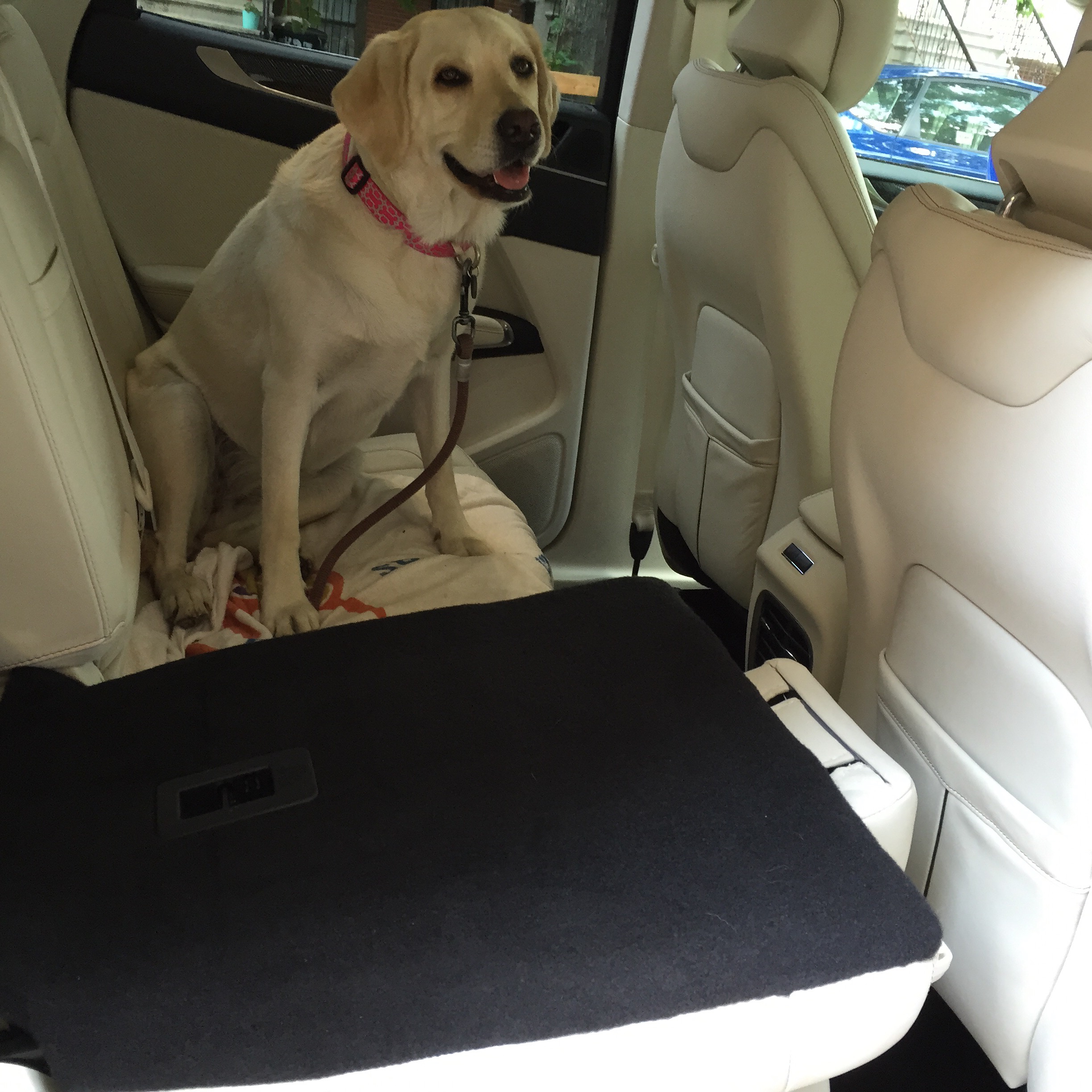
Credit: agirlsguidetocars.com
Frequently Asked Questions
Can Dogs Safely Travel In A Car For 12 Hours?
Yes, dogs can travel safely for 12 hours with proper preparation. Frequent breaks, hydration, and comfort are essential. Use a secure crate or harness. Monitor your dog’s behavior and health throughout the trip to ensure safety and reduce stress.
How Often Should I Stop During A 12-hour Car Trip With Dogs?
Stop every 2 to 3 hours to let your dog stretch and relieve itself. Provide fresh water and offer light snacks. These breaks help prevent restlessness and discomfort, keeping your dog calm and healthy during the long car journey.
What Are The Best Safety Measures For Dogs In Long Car Trips?
Use a well-ventilated crate or a dog seat belt for safety. Never let your dog ride with its head outside the window. Maintain a comfortable temperature inside the car and avoid feeding your dog right before travel to prevent nausea.
How To Keep Dogs Comfortable During A Long Car Ride?
Bring familiar bedding and toys to reduce anxiety. Keep the car temperature moderate and avoid loud noises. Speak softly to reassure your dog, and provide water regularly to keep them hydrated and comfortable throughout the trip.
Conclusion
Traveling 12 hours by car with your dog takes careful planning. Make sure to stop often for water and bathroom breaks. Keep your dog safe with a seatbelt or crate. Watch for signs of stress or discomfort during the trip.
Bring familiar toys or blankets to keep your dog calm. With patience and care, long car rides can be easier for your pet. Enjoy the journey together, making memories along the way. Safe travels mean happy dogs and happy owners.

