

If you’re planning to breed your dog, you want to make sure everything goes smoothly. One key step is understanding how to get your dog ready and physically able for breeding.
This isn’t just about timing—it’s about knowing what your dog needs to stay healthy and responsive. You’ll discover simple, effective tips to help your dog stay strong and confident during breeding. Keep reading, and you’ll learn exactly what to do to improve your dog’s chances of success.
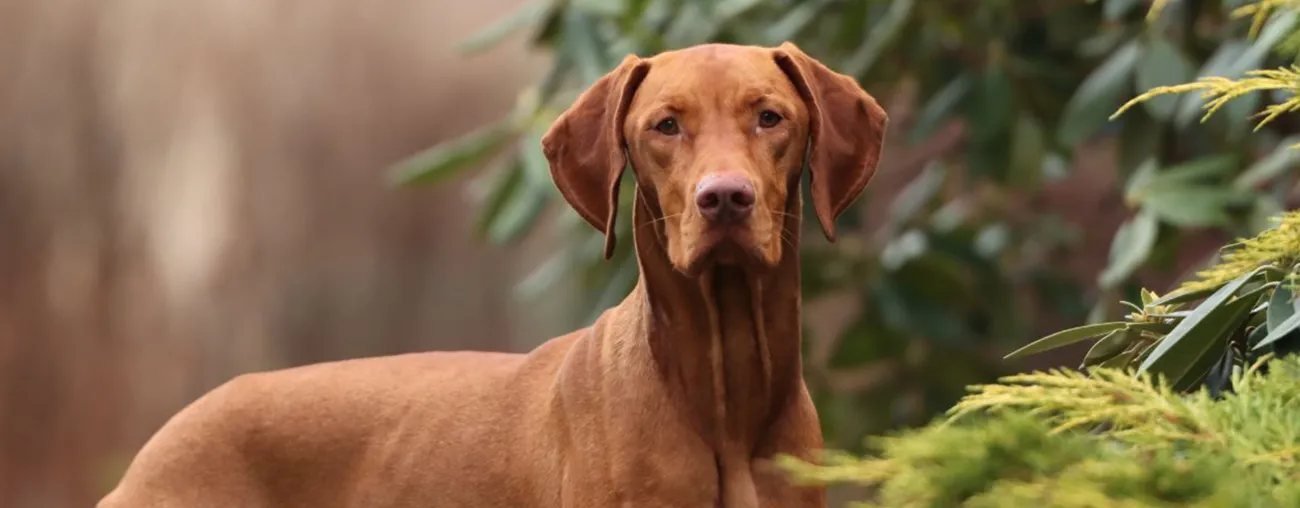
Credit: www.purinaproclub.com
Signs Of Canine Fertility
Understanding the signs of canine fertility is key to successful breeding. Dogs show clear signals when they are ready to mate. Recognizing these signs helps breeders choose the right time. This improves chances of pregnancy and healthy puppies.
Physical Indicators
Swelling of the vulva is a common sign in female dogs. The area becomes larger and softer. A clear or slightly bloody discharge may appear. The dog’s body temperature might drop slightly before ovulation. Males often show a firm erection during fertile periods. These signs show the dog is physically ready to breed.
Behavioral Changes
Female dogs may act more restless or excited. They might seek attention from male dogs more often. Some females show a change in posture, like standing still with the tail to the side. Male dogs become more alert and try to stay close to females. Both sexes might mark territory with urine more often. These behaviors indicate a strong breeding instinct.
Timing For Breeding
The best time to breed is during the female’s heat cycle. This usually lasts about 2 to 3 weeks. Ovulation typically happens around day 10 to 14. Breeding during this window increases chances of pregnancy. Monitoring physical and behavioral signs helps pinpoint the right day. Careful timing leads to better results.
Nutrition For Breeding Readiness
Nutrition plays a key role in preparing a dog for breeding. Proper food supports energy, health, and fertility. Feeding the right diet helps improve chances of successful mating and healthy puppies. Pay close attention to what your dog eats before breeding.
Balanced Diet Essentials
A balanced diet includes proteins, fats, and carbohydrates. Proteins help build strong muscles and support reproductive organs. Fats provide energy and aid hormone production. Carbohydrates supply fuel for daily activities. Vitamins and minerals keep the immune system strong. Choose high-quality dog food designed for active or breeding dogs. Avoid low-quality fillers that lack nutrients.
Supplements To Boost Fertility
Supplements can improve fertility and overall health. Omega-3 fatty acids support sperm and egg quality. Zinc helps in hormone regulation and reproductive function. Vitamin E acts as an antioxidant to protect cells. Always consult a vet before adding supplements. Using the right supplements supports breeding readiness safely.
Hydration And Health
Water is vital for all body functions. Dehydration affects energy, hormone balance, and fertility. Provide fresh water throughout the day. Proper hydration helps circulation and nutrient absorption. Keep your dog active and stress-free to maintain good health. Healthy dogs have higher chances of successful breeding.
Exercise And Health
Exercise and health play a key role in a dog’s ability to breed. A healthy dog has better stamina and strength. Good health supports normal hormone levels and reproductive functions. Exercise helps keep the dog’s body fit and ready.
Strong muscles and a healthy heart improve blood flow. This is important for sexual function and overall energy. Regular care and attention to health boost breeding success.
Regular Physical Activity
Daily exercise helps maintain a dog’s physical fitness. Walking, running, or playing fetch keeps muscles active. Active dogs have better blood circulation. This supports their sexual health. Regular activity also helps release built-up energy. A tired dog can focus more on breeding.
Weight Management
Keeping a dog at a healthy weight is essential. Overweight dogs may face breeding problems. Extra fat can lower hormone levels. It may also cause fatigue and low energy. Balanced meals and proper portions help control weight. A fit dog is more likely to perform well.
Avoiding Stress
Stress affects a dog’s health and breeding ability. Loud noises, strange places, or rough handling cause stress. Stress lowers hormone production and energy levels. Calm environments help dogs relax and stay healthy. Gentle care and patience improve breeding chances.
Medical Checkups
Medical checkups play a key role in preparing a dog for breeding. Healthy dogs have better chances of successful mating. Regular health exams help detect issues early. These exams support the dog’s overall well-being and reproductive health.
Veterinary Fertility Tests
Veterinarians perform specific tests to check fertility. Semen analysis measures sperm count and quality. Hormone level tests show if the dog is ready to breed. These tests help identify fertility problems early. Timely tests allow for better breeding plans.
Treating Underlying Conditions
Health problems affect a dog’s ability to breed. Infections, injuries, or illnesses reduce fertility. Treatment improves the dog’s chance to mate successfully. Regular medical care keeps the dog strong. Addressing problems early prevents long-term damage.
Vaccinations And Preventive Care
Vaccinations protect dogs from dangerous diseases. Healthy dogs have higher energy and better mating success. Preventive care includes parasite control and proper nutrition. Keeping the dog healthy supports reproductive health. Routine care reduces breeding risks and complications.
Environmental Factors
Creating the right environment helps a dog become ready for breeding. Dogs react to their surroundings. A calm and safe place makes them feel secure. This can improve their mood and interest in breeding. Small changes in the environment can bring big results.
Comfortable Breeding Space
Choose a quiet and clean spot for breeding. Use soft bedding to keep the dog comfortable. Make sure the area is free from sharp objects. Space should be large enough for movement. A relaxed dog shows more interest and confidence.
Reducing Distractions
Remove loud noises and sudden movements nearby. Turn off TVs, radios, and other devices. Keep other pets away during breeding time. A calm space helps the dog focus on mating. Less noise means less stress for the dog.
Temperature And Lighting
Maintain a mild room temperature, not too hot or cold. Dogs feel more relaxed in comfortable weather. Use soft lighting instead of harsh bright lights. Dim lights create a soothing atmosphere. Proper temperature and lighting improve the dog’s mood.

Credit: www.amazon.com
Behavioral Training
Behavioral training plays a key role in preparing a dog for breeding. It helps the dog stay calm and focused. Training shapes how the dog reacts around female dogs. It also encourages natural instincts needed for mating. Proper behavior reduces stress and avoids problems during breeding.
Socialization With Female Dogs
Introduce the male dog to female dogs early. Let them meet in calm, controlled settings. This helps the male feel comfortable around females. Socialization reduces fear or nervousness near females. It also allows the male to learn gentle, respectful behavior. Regular, positive interactions build confidence.
Encouraging Natural Mating Instincts
Use natural cues to spark mating instincts. Let the male smell female dogs in heat. Play with toys that mimic natural movements. Praise and reward the dog for showing interest. Keep sessions short and positive to avoid stress. This training helps the dog connect with his natural urges.
Managing Aggression
Control any aggressive behavior early on. Aggression can scare female dogs and stop breeding. Use calm commands and consistent rules. Reward calm, friendly behavior around females. Avoid harsh punishments that increase stress. A well-behaved dog is more likely to breed successfully.
When To Seek Expert Help
Knowing the right time to seek expert help can save your dog’s health and improve breeding success. Some problems need a professional’s eye and care. Watching your dog closely helps catch signs early.
Recognizing Fertility Issues
Notice if your dog shows changes in behavior or health. Lack of interest in mating can signal problems. Difficulty maintaining an erection or unusual discharge may also appear. These signs might mean fertility issues. Do not ignore repeated failures to breed.
Consulting A Canine Reproductive Specialist
A reproductive specialist knows how to handle complex cases. They perform tests to find causes of fertility problems. Specialists offer advice on diet, health, and breeding timing. Their knowledge can guide you through difficult challenges. Early consultation improves chances of success.
Advanced Treatments And Options
Advanced care includes hormone therapy and medical treatments. Artificial insemination can help when natural breeding fails. In some cases, surgery might be necessary. These options need expert handling and follow-up. Trust professional care for the best results.

Credit: www.amazon.com
Frequently Asked Questions
How Can I Improve A Dog’s Breeding Readiness?
Provide a healthy diet, regular exercise, and reduce stress. Consult a vet for supplements supporting reproductive health. Maintain proper hygiene and a calm environment to encourage natural arousal and readiness for breeding.
What Supplements Help A Dog Get Hard For Breeding?
Supplements like L-arginine, zinc, and vitamin E support blood flow and reproductive health. Always consult a vet before starting supplements to ensure safety and effectiveness tailored to your dog’s needs.
How Does Exercise Affect A Dog’s Breeding Ability?
Regular exercise improves blood circulation and muscle tone, enhancing breeding performance. It also reduces stress and supports overall health, making your dog more physically and mentally prepared for breeding.
Can Stress Impact A Dog’s Ability To Breed?
Yes, stress lowers hormone levels and reduces libido. Create a calm, familiar environment to help your dog relax. Consistent routines and positive reinforcement also promote better breeding readiness.
Conclusion
Helping a dog get hard for breeding takes patience and care. Use gentle touch and create a calm space. Keep your dog healthy with good food and exercise. Avoid stress and distractions during this time. Watch your dog’s signals and respond kindly.
This process supports natural behavior and bonding. Remember, each dog is different and needs time. Stay calm and patient throughout the process. With care, you can support your dog’s breeding needs well.


