Are you wondering when to switch your furry friend from puppy food to adult dog food? Knowing the right age to make this change is important for your dog’s health and happiness.
Feeding your dog the right food at the right time supports their growth, energy, and overall well-being. You’ll learn exactly how old your dog should be before moving to adult food and what signs to watch for. Keep reading to make sure you’re giving your dog the best nutrition at every stage of life.

Credit: www.iams.com
When To Switch To Adult Food
Knowing the right time to switch your dog to adult food is important. Puppies need different nutrients than adult dogs. Feeding the right food supports healthy growth and energy levels. Changing food too early or too late can cause health issues. Watch your dog’s age and behavior closely to decide when to make the change.
Age Guidelines By Breed Size
Small breed dogs grow faster and mature sooner. They usually switch to adult food around 9 to 12 months old. Medium breeds can switch between 12 and 14 months. Large and giant breeds take longer to grow. They may need puppy food until 18 to 24 months old. Breed size affects how long your dog needs puppy food.
Signs Your Dog Is Ready
Your dog’s size and behavior can show readiness. If your dog stops growing quickly, it may be time. Less energetic puppies often need adult food. Healthy adult dogs have a steady weight and energy level. Watch for changes in appetite or coat quality. These signs help you decide to switch food types.
Consulting Your Veterinarian
Your vet can give the best advice for your dog. They know your dog’s health history and breed needs. A vet can suggest the right time to change food. Regular checkups help track growth and health. Always ask your vet before changing your dog’s diet. Their guidance keeps your dog healthy and happy.
Credit: www.bluebuffalo.com
Benefits Of Adult Dog Food
Adult dog food offers many benefits that support your dog’s health and happiness. Choosing the right food helps meet their changing needs as they grow. It provides the right balance of nutrients for energy and wellness.
Feeding adult dog food helps maintain a healthy weight and supports strong teeth. This food type is designed specifically for adult dogs, not puppies or seniors. It keeps your dog fit and active through their adult years.
Nutritional Needs For Adults
Adult dogs need balanced nutrition to stay healthy. Their food contains the right proteins, fats, and vitamins. These nutrients help build muscle and keep their coat shiny. Proper nutrition supports digestion and overall body function.
Weight Management
Adult dog food helps control weight with the right calorie amount. Overfeeding can cause obesity and health issues. Food designed for adults keeps your dog at a healthy size. This supports mobility and reduces stress on joints.
Dental Health Support
Some adult dog foods include ingredients that help clean teeth. Crunchy kibble can reduce plaque and tartar build-up. Healthy teeth prevent bad breath and gum disease. Good dental care improves your dog’s comfort and health.
Risks Of Early Or Late Switching
Switching your dog to adult food at the right time is very important. Changing too early or too late can cause health problems. Dogs need specific nutrients at each stage of life. Feeding the wrong food affects their body and energy levels.
Nutritional Deficiencies
Puppy food has more calories and nutrients for growth. Adult food has fewer calories and different nutrient balance. Switching too early may cause your dog to miss key nutrients. This can lead to weak bones and poor muscle development. Late switching may lead to extra weight and nutrient overload. Both can harm your dog’s health over time.
Digestive Issues
Dog’s stomach adapts to certain food types. Changing food too soon can upset their digestion. This may cause diarrhea, vomiting, or stomach pain. Late switching can also cause digestive discomfort. The dog’s system may not handle rich puppy food well anymore. A smooth transition helps avoid these problems.
Impact On Growth And Energy
Proper food supports healthy growth and energy levels. Early switching may slow growth and reduce vitality. Late switching might cause weight gain and low energy. Adult dogs need balanced nutrition to stay active. Feeding the right food at the right time keeps them strong and happy.
Choosing The Right Adult Food
Choosing the right adult food for your old dog is very important. As dogs age, their nutritional needs change. The right food helps keep them healthy and active. It supports their joints, digestion, and energy levels. Understanding what to look for in dog food can make feeding easier and better for your pet.
Ingredients To Look For
High-quality protein is key for muscle health. Look for chicken, beef, or fish listed first. Whole grains like brown rice and oats add fiber and energy. Vegetables like carrots and peas provide vitamins and minerals. Avoid foods with too many fillers like corn or soy. Healthy fats, such as omega-3, support skin and coat health.
Special Diet Considerations
Older dogs may need special diets. Dogs with kidney problems need low-protein food. Dogs with allergies need limited ingredient diets. Weight management formulas help dogs that are less active. Joint support foods contain glucosamine and chondroitin. Always check with your vet before changing your dog’s diet.
Reading Food Labels
Read the label carefully. Ingredients are listed by weight, from most to least. The first few ingredients matter most. Look for guaranteed analysis for protein, fat, and fiber content. Avoid foods with artificial colors, flavors, or preservatives. Check the expiration date to ensure freshness. Clear labels help you choose the best food.
Transitioning Your Dog’s Diet
Changing your dog’s diet needs care and patience. Dogs have sensitive stomachs. Sudden food changes can cause upset or refusal to eat. A smooth transition helps your dog adjust to adult food without stress. Watch your dog closely during this period. Small steps lead to better results and keep your dog healthy.
Gradual Food Change Tips
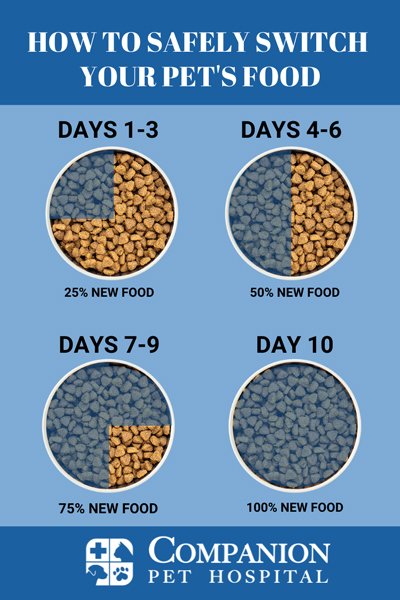
Start by mixing a small amount of adult food with your dog’s current food. Increase the adult food portion slowly over 7 to 10 days. This helps your dog’s stomach get used to new ingredients. Observe your dog’s eating habits. Stop the change if you see any signs of discomfort or allergies.
Monitoring Your Dog’s Response
Check your dog’s stool for any changes in color or consistency. Watch for vomiting or diarrhea. Notice if your dog seems less energetic or refuses food. These signs show how well your dog accepts the new diet. Keep a daily log to track any reactions or health changes. Consult your vet if problems continue.
Adjusting Portions
Adult dogs need different portion sizes than puppies. Follow the feeding guide on the dog food package. Adjust portions based on your dog’s weight and activity level. Avoid overfeeding to prevent weight gain. Underfeeding can cause weakness. Regularly weigh your dog to keep portions right.
Common Questions From Dog Owners
Many dog owners have questions about switching their pets to adult dog food. Knowing the right time to change helps keep dogs healthy and happy. This section answers some common concerns about feeding adult dogs.
Can Small Breeds Switch Earlier?
Small breed dogs often grow faster than large breeds. They may be ready for adult food at 9 to 12 months old. Large dogs usually switch at about one year or later. Check your vet for advice about your dog’s breed and size.
What If My Dog Prefers Puppy Food?
Some dogs like the taste of puppy food more. Puppy food is richer and has more calories. Feeding it too long can cause weight gain. Try mixing a little adult food with puppy food to help with the change. Watch your dog’s weight and health closely.
How Often To Change Food Types?
Change dog food gradually over 7 to 10 days. Sudden changes can upset your dog’s stomach. Start with mostly old food and a little new food. Slowly increase the new food amount each day. This makes the switch easier and safer.
Credit: companionpethospital.com
Frequently Asked Questions
At What Age Is A Dog Considered Adult For Food?
Dogs are generally considered adults between 1 to 2 years old. This varies by breed size. Large breeds mature slower, needing adult food later than small breeds.
When Should I Switch My Dog To Adult Food?
Switch your dog to adult food once they reach 80% of their expected adult size. For most dogs, this is around 12 months. Consult your vet for breed-specific advice.
Why Is Feeding Adult Dog Food Important?
Adult dog food contains balanced nutrients to maintain health. It supports energy levels, muscle maintenance, and weight control suitable for mature dogs. Puppy food has excess calories not ideal for adults.
Can Feeding Puppy Food To Adult Dogs Cause Problems?
Yes, feeding puppy food to adult dogs can lead to weight gain and nutrient imbalances. Adult dogs require fewer calories and different nutrient ratios for optimal health.
Conclusion
Choosing the right age to switch your dog to adult food matters a lot. Most dogs do well starting adult food around one year old. Large breeds may need more time before switching. Watch your dog’s size, energy, and health to decide.
Proper nutrition helps keep your dog strong and happy. Always check with your vet for the best advice. Feeding the right food supports a long, healthy life. Remember, each dog is different. Trust your care and knowledge to guide you.