
How often should you get your dog groomed? It’s a question every dog owner faces.
Grooming isn’t just about keeping your furry friend looking good—it’s essential for their health and happiness. If you’re unsure how often to schedule grooming sessions, you’re not alone. The right frequency depends on your dog’s breed, coat type, and lifestyle.
Keep reading to discover simple guidelines that will help you keep your dog comfortable, clean, and healthy all year round. Your dog will thank you for it!
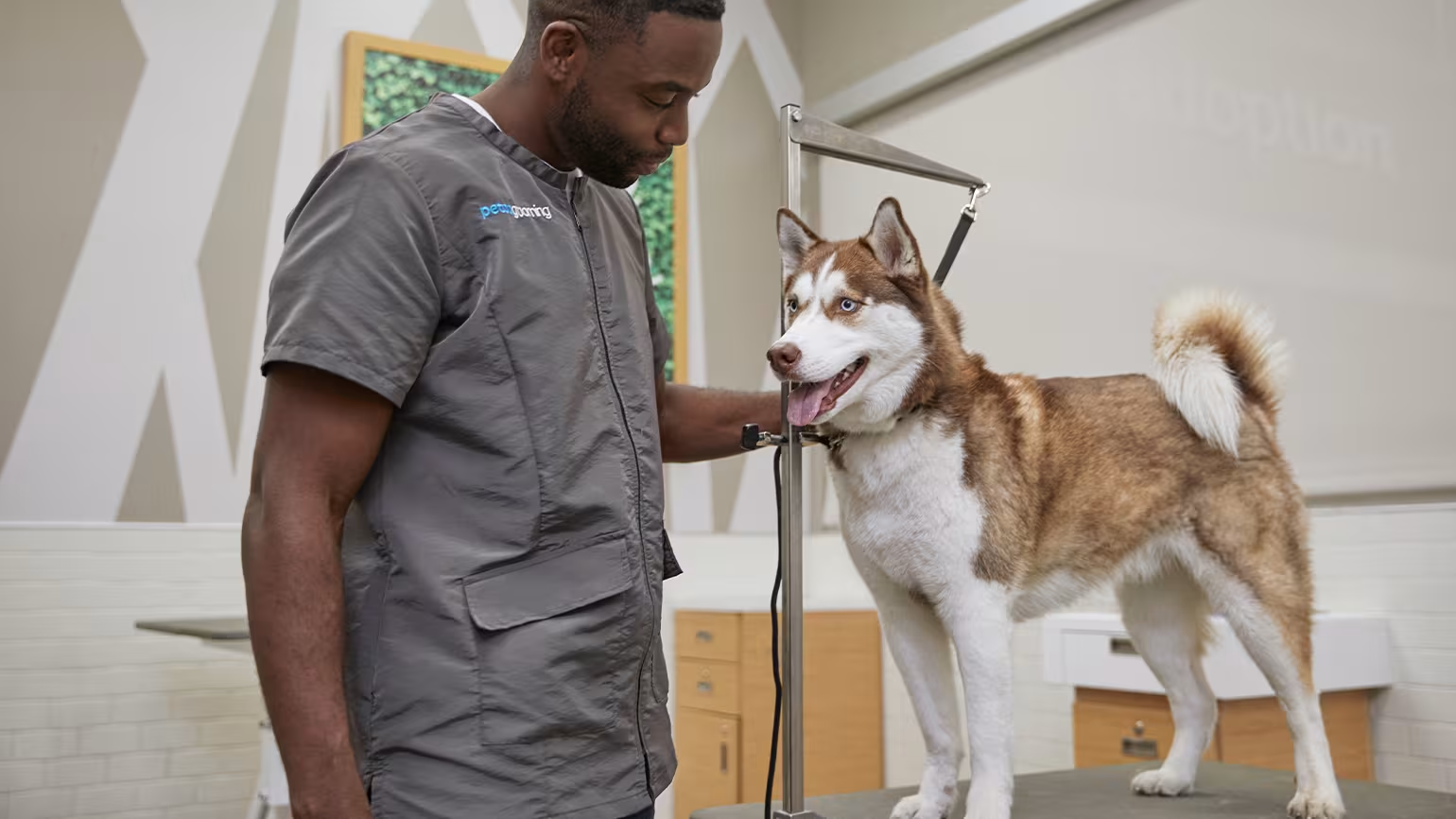
Credit: www.petco.com
Factors Influencing Grooming Frequency
Knowing how often to groom your dog depends on many factors. These factors help keep your dog healthy and comfortable. Grooming frequency changes based on your dog’s needs.
Breed And Coat Type
Different breeds have different coat types. Long-haired dogs need grooming more often than short-haired dogs. Some breeds have thick or curly coats. These coats tangle and mat easily. Regular grooming stops mats and keeps the coat clean.
Age And Health Conditions
Young puppies need gentle grooming and less often. Older dogs may need more care due to health issues. Dogs with skin problems need special grooming routines. Watch for signs of discomfort during grooming.
Lifestyle And Activity Level
Active dogs get dirty faster. Dogs that play outside need grooming more often. Indoor dogs usually need less grooming. Bathing and brushing help remove dirt and debris.
Seasonal Changes
Seasons affect your dog’s coat and skin. Dogs shed more in spring and fall. Grooming helps remove dead hair. In winter, grooming prevents dry skin. Summer grooming keeps your dog cool and clean.
Signs Your Dog Needs Grooming
Knowing when your dog needs grooming is important. Grooming keeps your dog healthy and happy. Dogs show many signs when they need a grooming session soon. Watch for these signs to help your dog feel better.
Matting And Tangling
Matting happens when fur clumps together. It can pull on your dog’s skin. This causes pain and discomfort. Tangled hair traps dirt and moisture. This can lead to skin problems. Regular brushing helps stop mats and tangles.
Skin Irritations
Red or itchy skin shows irritation. It can come from dirt or allergens. Sometimes, mats pull on the skin and cause sores. Grooming removes dirt and helps skin heal. Watch for scratching or licking spots too much.
Excess Shedding
Shedding more than usual can mean your dog needs grooming. Brushing removes loose fur and stops fur from piling up. It also spreads natural oils in the coat. This makes your dog’s fur shiny and soft.
Unpleasant Odor
A bad smell can mean your dog needs a bath. Dirt, sweat, and oils build up over time. This causes an unpleasant odor. Grooming cleans your dog and keeps them smelling fresh. Check ears and paws too, as they can smell bad.
Grooming Tasks And Their Frequency
Regular grooming keeps your dog healthy and happy. Different grooming tasks need different attention. Some require weekly care, others monthly. Knowing the right frequency helps your dog feel good and look great.
Bathing
Bathe your dog every 4 to 6 weeks. Dogs that play outside or have oily skin may need baths more often. Use a gentle dog shampoo to avoid skin irritation. Too many baths can dry out your dog’s skin.
Brushing
Brush your dog’s coat at least once a week. Long-haired dogs need brushing every day to prevent mats. Short-haired dogs benefit from brushing two to three times a week. Brushing removes dirt, loose hair, and keeps the coat shiny.
Nail Trimming
Trim your dog’s nails every 3 to 4 weeks. Overgrown nails can cause pain and walking problems. Use proper nail clippers and be careful not to cut the quick. Regular trimming helps your dog walk comfortably.
Ear Cleaning
Clean your dog’s ears once a month. Use a vet-approved ear cleaner and cotton balls. Avoid inserting anything deep inside the ear canal. Regular cleaning prevents infections and keeps ears fresh.
Teeth Brushing
Brush your dog’s teeth 2 to 3 times a week. Use a toothbrush and toothpaste made for dogs. Good dental care prevents bad breath and gum disease. Start brushing early to make it a habit for your dog.
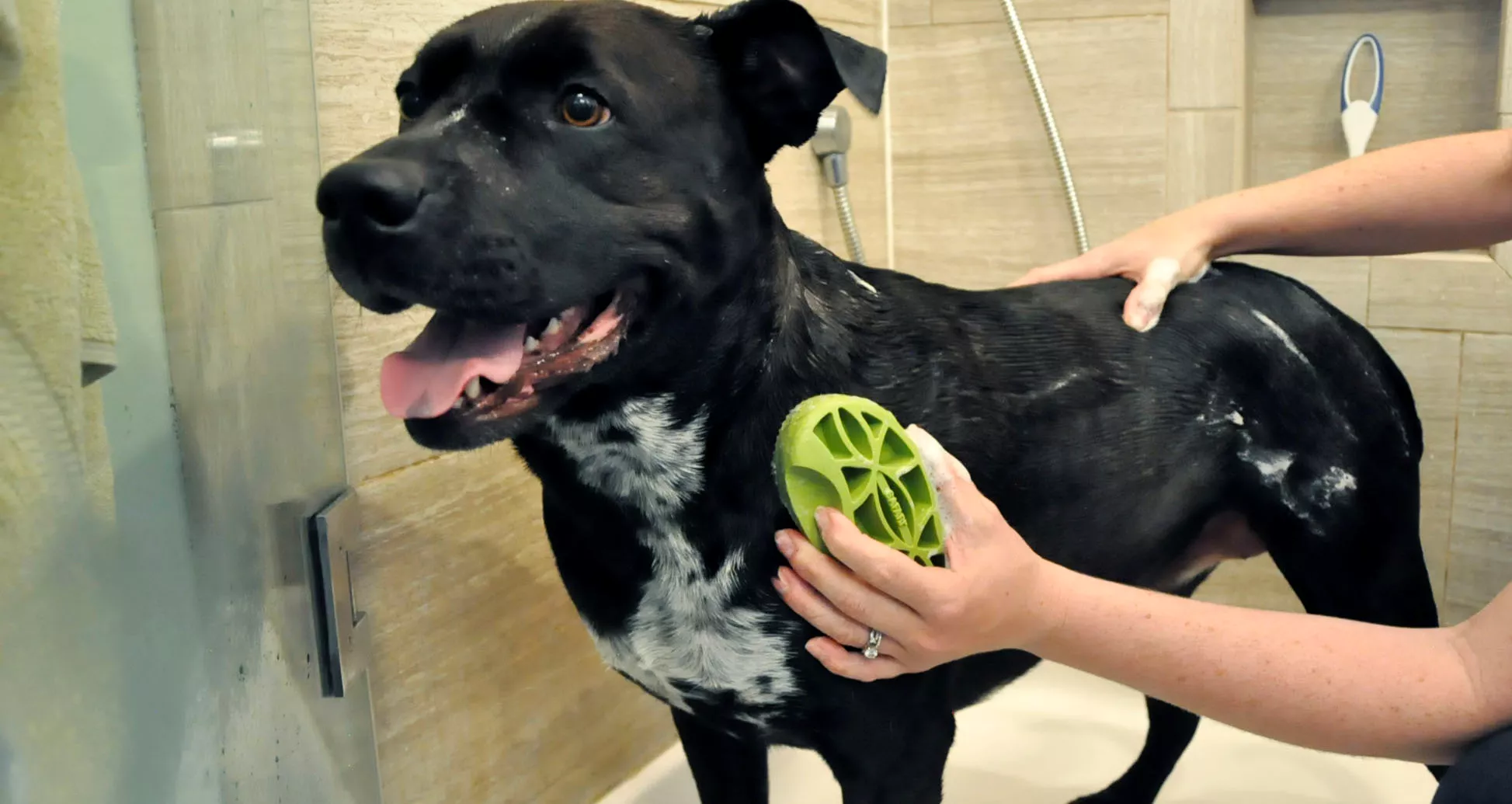
Credit: www.coastalpet.com
Professional Grooming Vs. Home Grooming
Deciding between professional grooming and grooming your dog at home is important. Both options help keep your dog clean and healthy. Choosing the right method depends on your dog’s needs, your skills, and your schedule.
Professional groomers have experience and special tools. They can handle difficult grooming tasks safely. Home grooming saves money and builds a bond with your pet. Knowing the benefits and limits of each helps you make a smart choice.
Benefits Of Professional Grooming
Professional groomers know how to care for all dog breeds. They use quality tools designed for dogs. Groomers trim nails, clean ears, and remove mats carefully. They spot skin problems or parasites early. Your dog looks neat and feels comfortable. Professional grooming saves time and reduces stress for busy owners.
Tips For Effective Home Grooming
Use sharp, clean grooming tools. Brush your dog regularly to prevent tangles. Bathe your dog with mild shampoo made for pets. Trim nails slowly and carefully to avoid injury. Check ears for dirt or smell before cleaning. Make grooming a calm, positive time. Praise your dog to keep them relaxed.
When To Seek Professional Help
Choose a groomer if your dog has thick or long fur. Seek help for dogs that resist grooming or bite. Visit a professional if mats are too tough to remove. Look for grooming if your dog shows skin issues or infections. Professionals help with nail cutting if your dog’s nails are hard or painful to trim.
Creating A Grooming Schedule
Creating a grooming schedule helps keep your dog healthy and clean. Regular grooming prevents matting, skin problems, and discomfort. It also makes your dog feel happy and cared for. A good schedule fits your dog’s breed, age, and lifestyle.
Customizing For Your Dog’s Needs
Every dog is different. Some need grooming every few weeks. Others need it every few months. Long-haired dogs often need more frequent grooming. Short-haired dogs may need less. Puppies and older dogs may need gentle care. Watch your dog’s coat and skin for signs. Adjust the schedule as needed.
Balancing Grooming With Vet Visits
Grooming and vet visits should work together. Your vet can check your dog’s skin and coat health. Schedule grooming before or after vet visits. This helps spot any health issues early. Groomers can alert you to lumps or skin changes. Keep grooming and vet visits regular for best care.
Tracking And Adjusting Frequency
Keep a calendar or use an app to track grooming. Note when grooming happens and what was done. Watch how your dog’s coat looks over time. Change the frequency if your dog’s coat grows faster or slower. Adjust for weather changes, activity level, and health. Consistent tracking keeps grooming on point.

Credit: www.likeablepets.com.sg
Frequently Asked Questions
How Often Should Short-haired Dogs Be Groomed?
Short-haired dogs typically need grooming every 6 to 8 weeks. Regular brushing helps remove loose hair and dirt. Bathing can be done monthly or as needed to keep their coat clean and healthy.
What Grooming Schedule Suits Long-haired Dogs Best?
Long-haired dogs require grooming every 4 to 6 weeks. Frequent brushing prevents matting and tangles. Regular trims and baths maintain coat health and avoid discomfort caused by dirty or tangled fur.
Can Grooming Frequency Affect My Dog’s Health?
Yes, regular grooming supports your dog’s skin and coat health. It helps detect parasites, skin issues, and infections early. Consistent grooming also reduces shedding and improves overall hygiene.
How Do Puppies’ Grooming Needs Differ From Adults?
Puppies need gentle, less frequent grooming initially to build comfort. Start grooming sessions short and positive. Increase frequency as they grow to maintain cleanliness and coat condition.
Conclusion
Regular grooming keeps your dog healthy and happy. Different breeds need different grooming schedules. Watch your dog’s coat and skin for signs. Clean ears, trimmed nails, and brushed fur matter a lot. Grooming also helps catch health issues early. Set a routine that fits your dog’s needs.
Your dog will feel more comfortable and look great. Keep grooming simple and consistent for best results. Caring for your dog’s coat is part of good pet care.

