

Are you unsure if you’re feeding your adult dog the right amount? Getting the portion size just right is key to keeping your furry friend healthy and happy.
Too little food can leave your dog hungry and low on energy, while too much can lead to weight gain and health problems. You’ll discover simple, clear guidelines to help you feed your dog the perfect amount every day. Keep reading to learn how to make mealtime stress-free and beneficial for your loyal companion.
Daily Calorie Needs
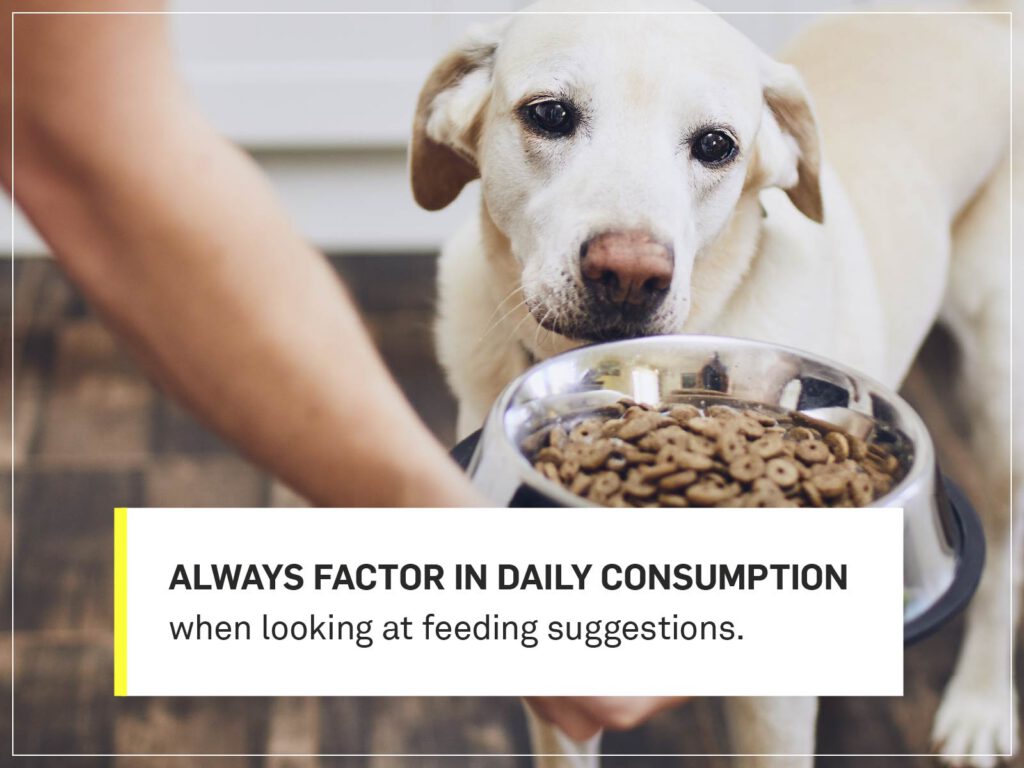
Understanding your adult dog’s daily calorie needs helps keep them healthy. Calories are units of energy that dogs get from food. Dogs use this energy for all activities, from sleeping to running. Feeding the right amount of calories supports a healthy weight and good energy levels.
Factors Influencing Calorie Requirements
Several factors change how many calories a dog needs each day. Size matters; larger dogs need more calories than small ones. Age plays a role too. Older dogs often need fewer calories. Activity level is key. Active dogs burn more calories than less active ones. Health status also affects calorie needs. Dogs with certain health issues may need special diets.
Calculating Your Dog’s Energy Needs
Calculating calorie needs starts with knowing your dog’s weight. Use this formula: Resting Energy Requirement (RER) = 70 x (weight in kg)^0.75. This gives the base calories needed at rest. Next, multiply RER by an activity factor. For example, 1.2 for a calm dog, 1.8 for an active dog. This total is your dog’s daily calorie need. Adjust as needed based on weight changes and vet advice.
Credit: www.gallant.com
Portion Sizes By Weight
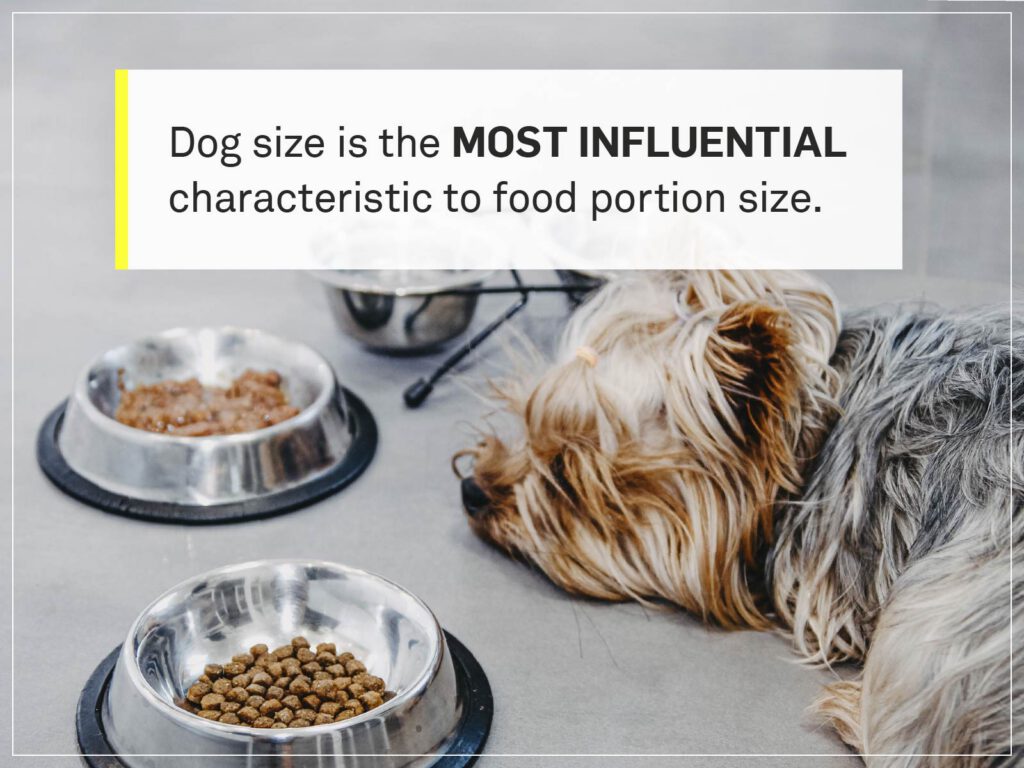
Portion sizes for adult dogs depend mostly on their weight. Feeding the right amount helps keep dogs healthy and active. Overfeeding can lead to weight gain and health problems. Underfeeding might cause weakness and nutrient gaps. Understanding portion sizes by weight guides better feeding habits.
Small Breeds
Small dogs usually weigh under 20 pounds. They need less food but more frequent meals. A typical small dog eats about 1/2 to 1 cup of dry food daily. This amount splits into two meals. Small breeds burn energy quickly but have small stomachs.
Medium Breeds
Medium dogs weigh between 20 and 50 pounds. Their daily food amount ranges from 1 to 2 1/2 cups. Feeding twice a day works best. These dogs need balanced portions to maintain energy and muscle. Portion size changes with activity level and age.
Large Breeds
Large dogs weigh over 50 pounds. They require more food, around 2 1/2 to 4 cups daily. Large breeds digest food slower and need fewer meals. Usually, feeding two or three times a day is ideal. Proper portions support joint health and steady energy.
Choosing The Right Food
Choosing the right food for your adult dog affects their health and happiness. Dogs need meals that suit their size, age, and activity. The food should provide all nutrients for strong muscles, shiny coats, and good energy. Understanding food types and nutrition helps you feed your dog well every day.
Dry Vs. Wet Food
Dry food is easy to store and often cheaper. It helps keep your dog’s teeth clean by reducing plaque. Wet food contains more water and tastes good to picky eaters. It can help dogs stay hydrated. Some owners mix both types to give variety and balance.
Balanced Nutrition Essentials
Your dog’s food must include protein, fats, and carbohydrates. Protein builds strong muscles and repairs tissues. Fats give energy and help absorb vitamins. Carbohydrates supply fuel and fiber for digestion. Vitamins and minerals support bones, skin, and immune health. Always check labels for complete and balanced formulas.
Credit: www.gallant.com
Feeding Frequency
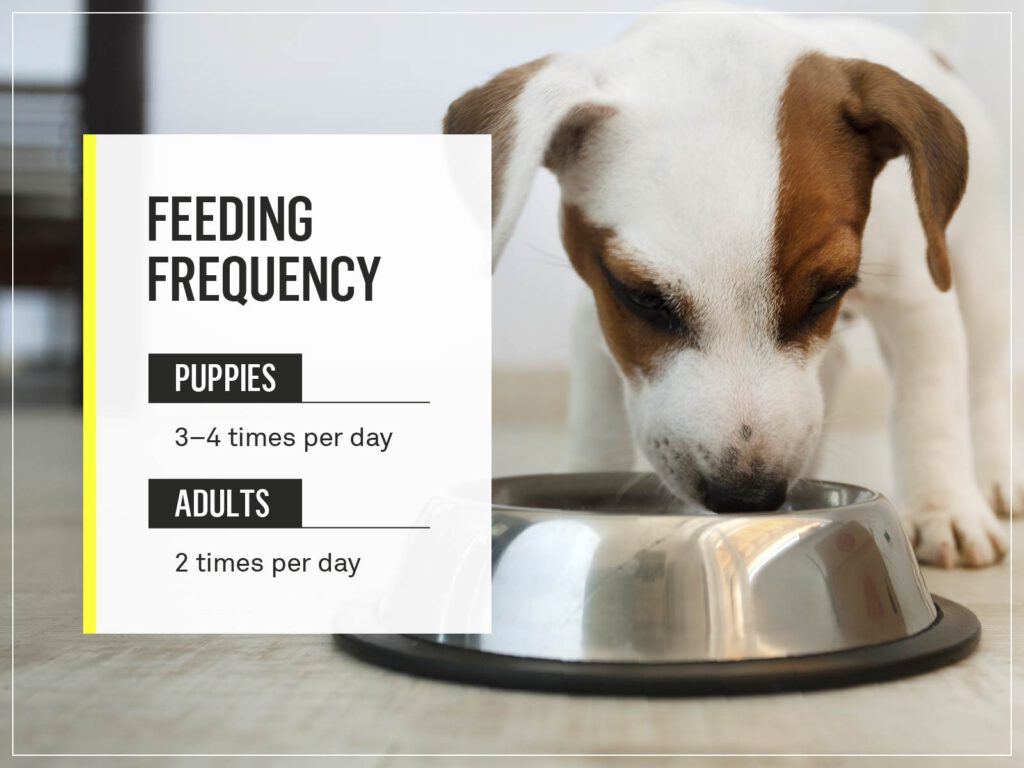
Feeding frequency plays a key role in your dog’s health and digestion. How often you feed affects energy levels and weight control. Most adult dogs do well with regular meal times. It helps their body process food better and keeps them satisfied throughout the day.
Once Vs. Multiple Meals
Feeding once a day is simple and fits many schedules. Some dogs stay healthy with a single meal. But feeding multiple smaller meals can boost digestion. It also helps avoid hunger and overeating. Splitting food into two or three meals is often better for energy balance. Puppies and active dogs usually need more frequent meals.
Adjusting Feeding Times
Adjust meal times based on your dog’s routine and needs. Dogs with health issues might need special feeding schedules. Watch your dog’s behavior and energy to find the best times. Consistency helps regulate their hunger and digestion. Changing feeding times gradually prevents upset stomachs. Always match feeding frequency to your dog’s lifestyle and health.
Special Dietary Needs
Dogs have different needs depending on their age, activity, and health. Their food amount and type must match these needs. Special diets help keep dogs strong and happy.
Feeding a dog without thinking about these needs may cause problems. Understanding special dietary needs helps owners give the right food.
Senior Dogs
Older dogs need fewer calories but more nutrients. Their metabolism slows down. Food with less fat and more fiber is best. Protein helps keep muscles strong. Vitamins support their joints and brain.
Active And Working Dogs
Active dogs burn more energy. They need more calories and protein. Food with balanced fats helps keep energy high. Meals may need to be split into smaller portions. This keeps them energized throughout the day.
Dogs With Health Issues
Health problems affect diet needs. Dogs with kidney issues need less protein. Those with allergies need special ingredients. Diabetic dogs require controlled sugar intake. Always follow a vet’s advice for these diets.
Signs Of Overfeeding And Underfeeding
Knowing the signs of overfeeding and underfeeding helps keep your dog healthy. Feeding too much or too little can cause serious problems. Watch your dog closely for changes in body and behavior. These clues tell you if their diet needs adjustment.
Weight Changes
Weight gain is a clear sign of overfeeding. Your dog may look rounder or have less energy. Excess weight strains joints and organs. Sudden weight loss can show underfeeding. Your dog may appear thin or have visible ribs. Both weight gain and loss affect your dog’s health.
Behavioral Indicators
Overfed dogs might be less active or sleepy. They can also show signs of discomfort or bloating. Underfed dogs often act restless or anxious. They may beg for food or seem hungry all the time. Changes in behavior help spot feeding problems early. Adjusting food amounts helps your dog feel better.
Tips For Monitoring And Adjusting Portions
Monitoring and adjusting your adult dog’s food portions is important for their health. Proper portions keep your dog fit and full of energy. Each dog’s needs can change with age, activity, or health. Watch their weight and behavior closely. Small changes in food amounts may be needed over time. Here are some tips to help you keep portions right for your dog.
Regular Weight Checks
Weigh your dog often to track their health. Use a home scale or visit a vet clinic. Keep a record of their weight each week or month. A steady weight means portions are correct. Gain or loss may mean portion adjustments. Look for changes in their body shape, too. Feeling their ribs can help check their weight.
Consulting Your Veterinarian
Talk to your vet about your dog’s diet. Your vet can suggest the right portion size. They know how much food fits your dog’s breed and age. Your vet can spot health issues affecting food needs. Follow their advice for portion changes. Regular vet visits help keep your dog healthy and happy.
Credit: www.gallant.com
Frequently Asked Questions
How Much Food Does An Adult Dog Need Daily?
An adult dog typically needs 2-3% of its body weight in food daily. This varies by breed, activity, and metabolism. Consult your vet for personalized advice to maintain optimal health and weight.
What Factors Affect An Adult Dog’s Food Intake?
Age, breed, activity level, metabolism, and health all influence food needs. Active dogs need more calories, while older or less active dogs require less. Adjust portions accordingly to prevent weight gain or malnutrition.
Can Feeding Too Much Harm My Adult Dog?
Yes, overfeeding can lead to obesity, joint problems, and diabetes. It reduces lifespan and quality of life. Always measure portions carefully and avoid excessive treats to keep your dog healthy.
How Often Should I Feed My Adult Dog Daily?
Most adult dogs do well with two meals a day. Splitting food into morning and evening portions helps maintain energy and digestion. Some dogs may benefit from more frequent, smaller meals.
Conclusion
Feeding your adult dog the right amount keeps them healthy and happy. Watch their weight and energy for clues about portions. Different dogs need different food amounts based on size and activity. Always check your dog’s body condition and adjust food as needed.
Regular meals help maintain good digestion and routine. Consult your vet if unsure about your dog’s diet. Balanced feeding supports a long, energetic life. Simple steps make feeding easy and stress-free. Your dog will thank you with wagging tails and bright eyes.


