

Feeding your large adult dog the right amount of dry food is more important than you might think. Too little, and your dog may feel hungry and lack energy.
Too much, and you risk weight gain and health problems. You want to make sure your furry friend stays happy, healthy, and full of life. But how do you know exactly how much dry dog food is the right amount?
You’ll discover simple, clear guidelines to help you feed your big dog just right—no more guesswork, no stress. Keep reading to learn the secrets to keeping your large dog fit and satisfied every day.
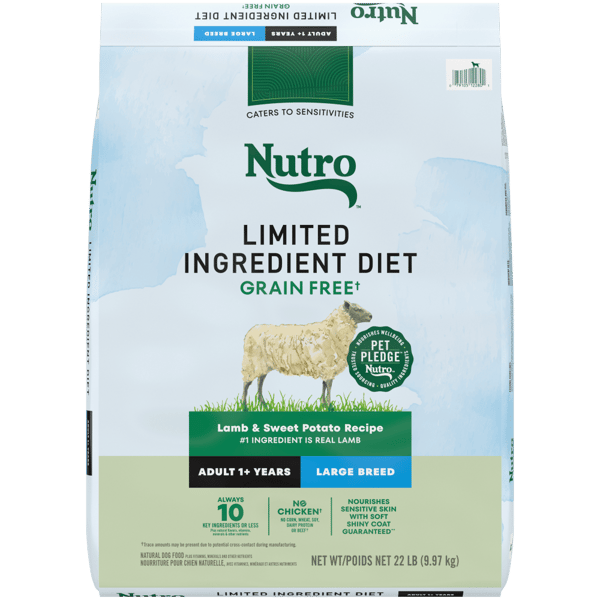
Credit: www.nutro.com
Daily Feeding Amounts
Knowing the right daily feeding amount for your adult large dog is important. Feeding too much can cause weight gain and health problems. Feeding too little can lead to low energy and poor health. This section explains how to find the correct daily portion for your dog.
Factors Affecting Food Quantity
Each dog is different. Age, weight, breed, and metabolism change how much food they need. Dogs with health issues may need special diets. The quality and type of dry dog food also affect the amount. Some foods are more calorie-dense than others.
Calculating Portion Sizes
Check the feeding guide on your dog food package. It shows recommended daily amounts based on weight. Divide the total daily amount into two or three meals. Use a measuring cup for accuracy. Avoid guessing to prevent overfeeding or underfeeding.
Adjusting For Activity Level
Active dogs burn more energy and need extra food. Less active or older dogs require fewer calories. Monitor your dog’s body condition. Adjust food amounts if your dog gains or loses weight. Keep your dog healthy with balanced feeding.
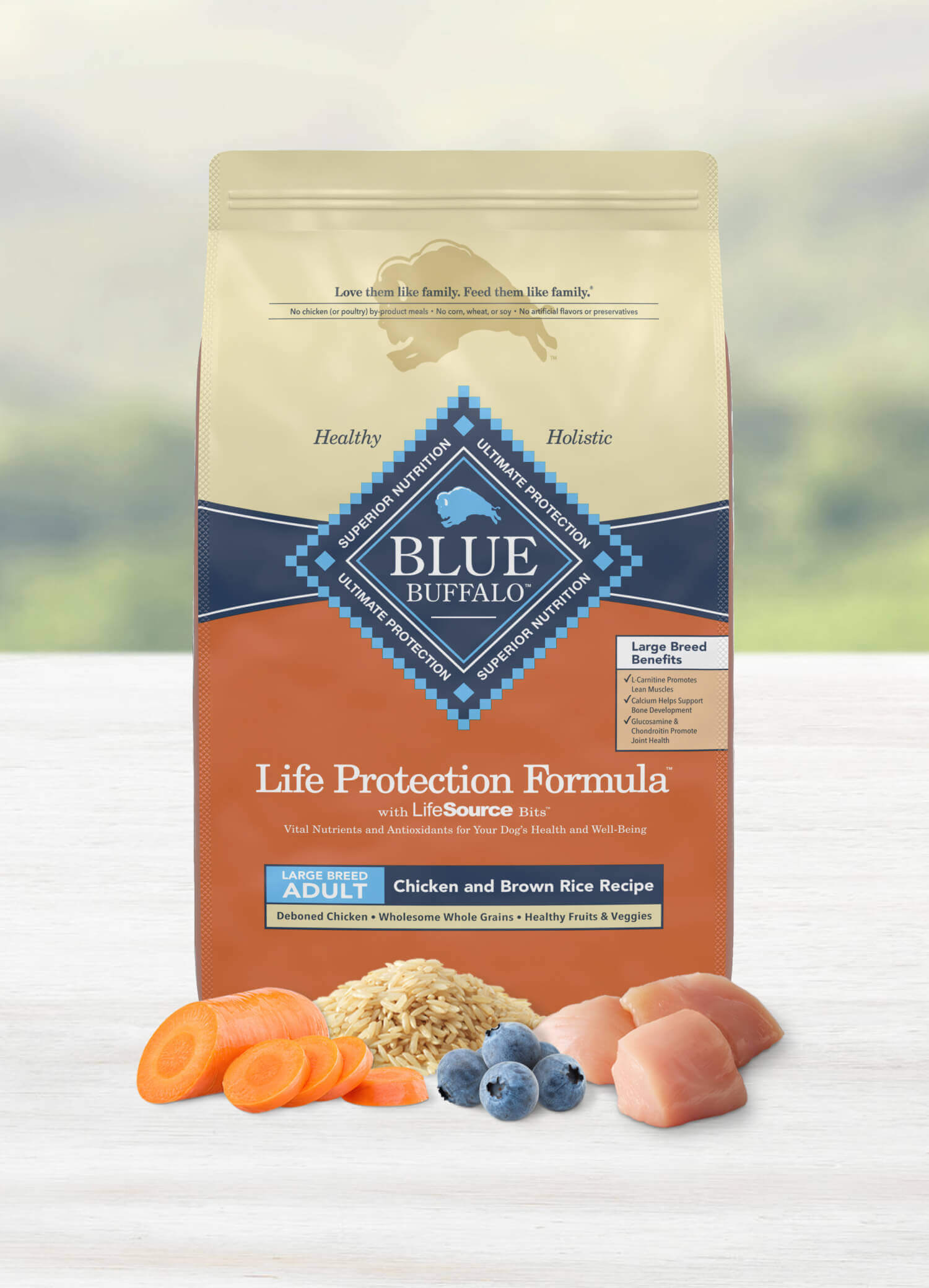
Credit: www.bluebuffalo.com
Choosing The Right Food
Choosing the right food for your large adult dog is very important. The right diet supports health, energy, and a long life. Large dogs have special needs that differ from small or medium dogs. Understanding these needs helps you pick the best dry dog food. This section covers key points to consider when selecting food.
Nutritional Needs For Large Dogs
Large dogs need balanced nutrition to stay healthy. They require more protein to build strong muscles. Fat provides energy but must be in the right amount. Calcium and phosphorus keep bones strong. Fiber aids digestion and keeps the stomach calm. Vitamins and minerals support the immune system.
Large dogs burn more calories daily. Food must supply enough energy without causing weight gain. Avoid foods with too many fillers like corn or wheat. These offer little nutrition and can cause problems.
Reading Dog Food Labels
Labels tell you what is inside the food. Ingredients are listed from most to least. Look for real meat as the first ingredient. Avoid foods with vague terms like “meat meal” or “animal by-products.” These may not provide good nutrition.
Check guaranteed analysis for protein, fat, fiber, and moisture levels. Protein should be at least 18% for large adult dogs. Fat should be around 8% to keep energy high. Fiber between 3% and 5% helps digestion.
High-quality Ingredients
Choose foods with whole ingredients. Real meat, vegetables, and grains are better than artificial fillers. Natural ingredients help your dog absorb nutrients well. Avoid artificial colors, flavors, and preservatives. These can cause allergies or upset stomachs.
Omega fatty acids from fish oil or flaxseed improve skin and coat health. Antioxidants support the immune system. High-quality ingredients make food tastier and healthier.
Feeding Schedule Tips
Setting a good feeding schedule helps keep your large dog healthy and happy. A clear routine supports digestion and energy levels. It also prevents hunger or overeating problems. Follow these tips for the best feeding times and amounts.
Meal Frequency
Feed your adult large dog two meals a day. One in the morning and one in the evening works well. This keeps their energy steady throughout the day. Avoid free feeding, which can lead to overeating and weight gain.
Best Times To Feed
Feed your dog at the same times each day. Morning meals can be around 7 or 8 a.m. Evening meals at 5 or 6 p.m. Create a routine that fits your schedule and stick to it. This helps your dog know when to expect food.
Avoiding Overfeeding
Measure your dog’s food with a cup or scale. Follow the feeding guidelines on the dog food package. Watch your dog’s weight and body shape regularly. Reduce food if your dog gains too much weight. Do not give too many treats or table scraps.
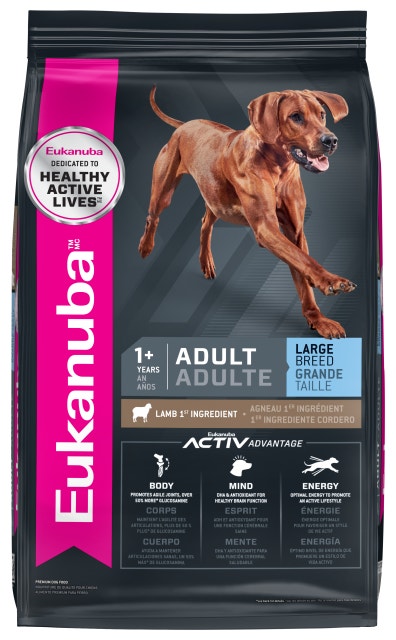
Credit: www.eukanuba.com
Monitoring Your Dog’s Weight
Monitoring your dog’s weight is important for their health. Large adult dogs need the right amount of food to stay fit. Too much or too little dry dog food can cause problems. Watch your dog’s body and behavior to keep their weight in a good range. Regular checks help catch any changes early. This keeps your dog active and happy.
Signs Of Overweight
An overweight dog may have a round belly and no visible waist. You might find it hard to feel their ribs under the fur. They can get tired easily and move slower. Overweight dogs may also have trouble breathing or show less interest in walks. Notice if their energy drops or if they seem lazy more often.
Signs Of Underweight
An underweight dog shows ribs, spine, or hip bones clearly. Their coat might look dull and dry. They could feel weak or less playful than usual. A skinny dog may shiver or seem cold more often. Watch for sudden weight loss or constant hunger signs. These could mean they are not eating enough or have health issues.
Adjusting Food Intake Accordingly
Change the amount of dry dog food based on your dog’s weight. If they are overweight, reduce the food gradually. Give smaller meals and avoid extra treats. For underweight dogs, increase food slightly and choose higher calorie options. Always provide fresh water and balanced nutrition. Check weight every few weeks and adjust food as needed. This helps keep your large dog healthy and strong.
Common Feeding Mistakes
Feeding an adult large dog the right amount of dry food is not always simple. Many dog owners make mistakes that affect their pet’s health and weight. Understanding common feeding errors can help you avoid problems and keep your dog healthy and happy.
Ignoring Individual Needs
Every dog is different. Age, activity, and health affect how much food they need. Feeding the same amount to all large dogs can cause weight gain or hunger. Watch your dog’s body and energy to adjust food portions.
Over-reliance On Feeding Guidelines
Package instructions give general advice. They do not fit every dog perfectly. Using only these guidelines risks overfeeding or underfeeding. Use them as a starting point, then change the amount if needed.
Neglecting Treats And Extras
Treats and snacks add calories. Ignoring these can lead to feeding too much food overall. Count treats as part of the daily food intake. This helps keep your dog’s diet balanced and prevents weight gain.
Special Considerations
Feeding a large adult dog is not always straightforward. Special factors affect how much dry food your dog needs. Age, health, pregnancy, and weather all play key roles. Understanding these helps keep your dog healthy and happy.
Age And Health Factors
Older dogs need fewer calories than younger adults. Their activity level drops as they age. Dogs with health problems may need special diets. Always check with your vet for the right amount. Illness or medication can change your dog’s appetite.
Pregnancy And Lactation
Pregnant and nursing dogs require more food. Their bodies work harder to support puppies. Increase dry food gradually during pregnancy. Lactating dogs need even more calories to feed pups. Quality nutrition is critical in this phase.
Seasonal Feeding Changes
Dogs burn more energy in cold weather. They may need more food to stay warm. In hot weather, dogs often eat less. Adjust food portions based on activity and season. Watch your dog’s weight and adjust feeding accordingly.
Frequently Asked Questions
How Much Dry Dog Food Should I Feed A Large Dog Daily?
The daily amount depends on your dog’s weight, age, and activity. Typically, large dogs need 3 to 5 cups of dry food per day. Always check the food packaging for guidelines and adjust portions based on your dog’s health and energy levels.
Can Feeding Too Much Dry Dog Food Harm Large Dogs?
Yes, overfeeding can cause obesity and health issues in large dogs. It can lead to joint problems and reduce their lifespan. Monitor portions carefully and consult your vet for a balanced feeding plan.
How Often Should I Feed Dry Dog Food To A Large Adult Dog?
Most adult large dogs do well with two meals per day. Divide the daily recommended amount into morning and evening portions. This helps maintain energy levels and supports healthy digestion.
Should I Adjust Dry Food Quantity For Active Large Dogs?
Active large dogs burn more calories and may need increased food portions. Add 10-20% more food for highly active or working dogs. Always watch their weight and consult a vet for precise adjustments.
Conclusion
Feeding a large adult dog the right amount matters a lot. Too little food can cause weakness. Too much can lead to weight gain. Watch your dog’s weight and energy daily. Adjust portions as your dog’s needs change. Consult a vet for advice tailored to your dog.
Healthy feeding helps your dog live longer and feel better. Keep meals balanced and portions steady for best results. Your dog will thank you with a happy, active life. Simple steps bring big rewards.


