If you have a large breed dog, you probably want to give them the best nutrition possible. But did you know that not all large breeds need the same diet?
Your Great Dane’s needs can be very different from your Rottweiler’s or Saint Bernard’s. Understanding these differences can help you keep your dog healthy and happy for years to come. Keep reading to discover how to tailor your dog’s nutrition to their unique breed and size—and why it matters more than you might think.
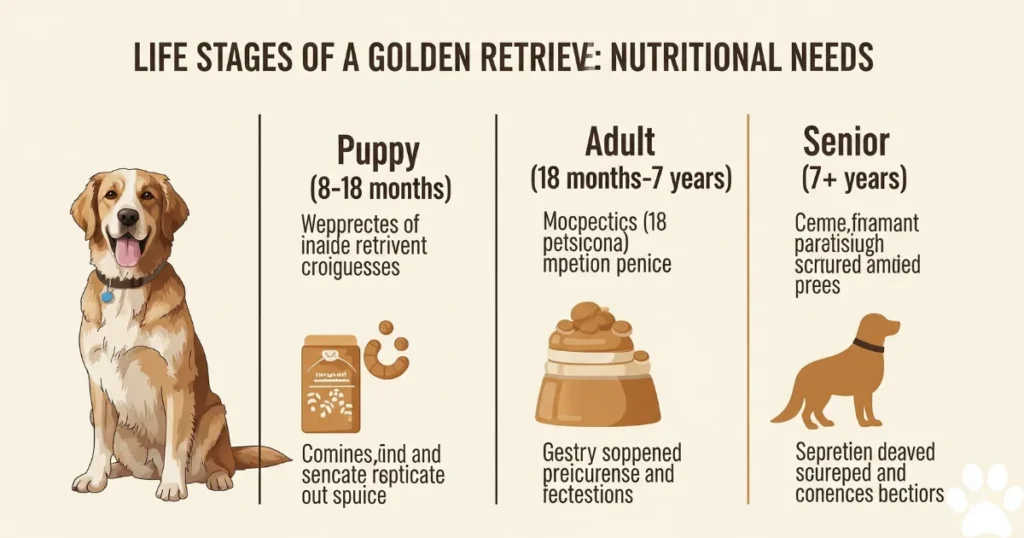
Credit: goldenretrieverinsight.com
Large Breed Dog Categories
Large breed dogs include many different types of dogs. These dogs vary in size, weight, and energy. Grouping them helps understand their needs better. Nutrition for a big dog is not one size fits all.
Different categories of large breeds have different growth rates and health risks. Knowing these categories helps in choosing the right food and care. Large breed dog categories guide owners to meet their dog’s unique needs.
Giant Breeds Vs. Standard Large Breeds
Giant breeds are much bigger than standard large breeds. They often weigh over 100 pounds. Examples include Great Danes and Saint Bernards. Standard large breeds weigh between 50 and 100 pounds. Examples include Labrador Retrievers and German Shepherds.
Giant breeds grow fast but have fragile bones. They need special nutrition to support joint health. Standard large breeds also need good nutrition but have fewer joint problems. Giant breeds require fewer calories per pound to avoid weight gain.
Activity Levels And Their Impact
Activity levels differ a lot in large breed dogs. Some dogs are very active and need more energy. Others are calm and burn fewer calories. Active dogs need more protein and fat for energy.
Calm dogs need fewer calories to prevent obesity. Overfeeding can cause joint problems in less active dogs. Feeding should match the dog’s daily activity. This helps keep large breed dogs healthy and strong.
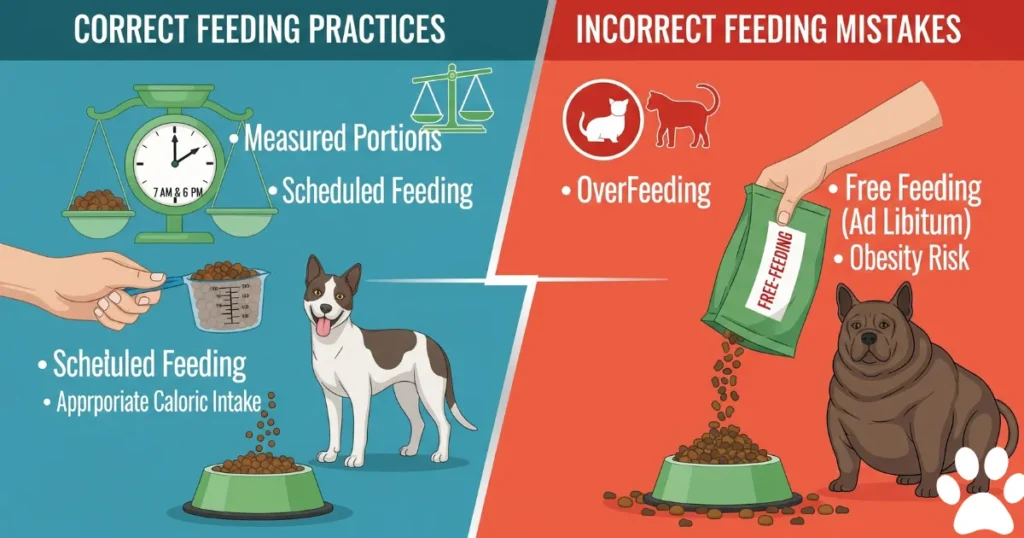
Credit: goldenretrieverinsight.com
Key Nutritional Components
Large breed dogs have unique nutritional needs. These needs vary by breed, age, and activity. Understanding key nutritional components helps support their health. Proper nutrition boosts growth, energy, and bone strength.
Each nutrient plays a vital role. Protein, fat, calcium, and phosphorus must be balanced. This balance supports muscle, energy, and bone development. Feeding the right nutrients keeps large dogs strong and active.
Protein Requirements
Protein builds and repairs muscles. Large breeds need quality protein sources. Chicken, beef, and fish are good options. Protein supports strong muscles and healthy organs. Puppies require more protein for growth. Adult dogs need enough protein to maintain muscle mass.
Fat And Energy Needs
Fat provides energy for daily activities. Large breeds need fat for energy and coat health. Too much fat can cause weight gain. Too little fat leads to low energy. Balance fat intake based on activity level. Omega-3 and omega-6 fatty acids improve skin and fur.
Calcium And Phosphorus Balance
Calcium and phosphorus build strong bones and teeth. Large breeds need the right balance to avoid bone problems. Too much calcium can harm growing puppies. Too little calcium weakens bones. The right ratio supports healthy bone growth and strength.
Growth And Development Needs
Large breed dogs grow at a different pace than smaller dogs. Their bones and muscles need special care during growth. Proper nutrition supports strong bones and healthy joints. It also helps avoid health problems later in life. Feeding the right food is crucial for their well-being.
Puppy Nutrition For Large Breeds
Puppies of large breeds need food made just for them. This food has the right balance of protein and fat. It supports steady growth without adding too much weight. Calcium and phosphorus levels must be carefully controlled. Too much or too little can harm bone development. These puppies need meals with good quality ingredients. This helps build strong muscles and bones.
Avoiding Growth-related Issues
Large breed dogs can face problems if they grow too fast. Joint problems like hip dysplasia can develop from poor nutrition. Overfeeding or giving too many treats can cause rapid weight gain. This puts extra stress on bones and joints. Feeding balanced meals and watching portion sizes helps prevent these problems. Regular vet checks can catch growth issues early. Early care means healthier, happier dogs.

Credit: www.elderdoghealth.com
Common Health Concerns
Large breed dogs face specific health concerns. Their size impacts their nutrition needs. Understanding these common issues helps provide better care. Nutrition plays a key role in managing these problems.
Joint And Bone Health
Large dogs often struggle with joint problems. Their bones support more weight. This stress can cause arthritis or hip dysplasia. Nutrients like glucosamine and chondroitin help maintain joint health. Calcium and phosphorus support strong bones. Feeding the right balance reduces joint pain and stiffness.
Weight Management Challenges
Weight control is harder for large breeds. Extra weight strains joints and organs. Obesity shortens their lifespan and lowers activity. Feeding controlled portions and quality protein keeps weight in check. Low-calorie diets with fiber can help them feel full. Regular exercise combined with proper diet supports healthy weight.
Digestive Sensitivities
Many large breeds have sensitive stomachs. They may react to some ingredients or rich foods. Digestive issues cause discomfort and poor nutrient absorption. High-quality proteins and fiber improve digestion. Probiotics help maintain healthy gut bacteria. A gentle diet keeps their digestive system calm and efficient.
Tailoring Diets To Breed Specifics
Large breed dogs vary widely in size, activity, and health risks. Their diets must reflect these differences. Tailoring food to breed specifics helps keep dogs healthy and active. Each breed’s unique needs affect energy, nutrients, and ingredient choices. Understanding these needs guides better feeding decisions.
Energy Needs By Breed Size
Not all large breeds burn energy the same way. Bigger dogs need more calories but often move slower. Active breeds like the Labrador require more energy than gentle giants like the Saint Bernard. Adjusting calorie intake to match activity prevents weight problems. Feeding the right amount supports a healthy weight and strong muscles.
Special Ingredients For Support
Large breeds often face joint and bone challenges. Ingredients like glucosamine and chondroitin help maintain joint health. Omega-3 fatty acids reduce inflammation and support coat shine. Some breeds benefit from added antioxidants for immune support. Choosing foods with these nutrients aids long-term health and comfort.
Commercial Vs. Homemade Options
Commercial foods offer convenience and balanced nutrition for large breeds. They often include breed-specific formulas with key nutrients. Homemade diets allow control over ingredients and freshness. Careful planning ensures homemade meals meet all nutritional needs. Both options can work well with proper knowledge and care.
Feeding Tips And Best Practices
Feeding large breed dogs requires care and attention. Each breed has unique needs. Following good feeding habits helps keep them healthy and strong. This section covers key tips for feeding large breed dogs well.
Meal Frequency And Portion Control
Feed large breed dogs two or three times daily. Smaller, frequent meals support digestion and energy. Avoid one large meal to reduce bloating risk. Use breed-specific portion guidelines based on weight and activity. Measure food carefully to prevent overfeeding. Adjust portions as dogs grow or change activity levels.
Supplements And Their Role
Supplements can support joint and bone health in large breeds. Common ones include glucosamine and omega-3 fatty acids. Consult a vet before adding supplements to the diet. Choose high-quality products designed for dogs. Avoid giving human supplements without professional advice. Supplements should complement, not replace, balanced food.
Monitoring And Adjusting Diet
Watch your dog’s weight and energy daily. Changes in appetite or coat shine can signal diet issues. Adjust food type or amount based on health and activity. Regular vet check-ups help track nutritional status. Keep a feeding diary to note changes and improvements. Adapt the diet as the dog ages or faces health challenges.
Frequently Asked Questions
Do Large Breed Dogs Need Special Nutrition?
Yes, large breed dogs require balanced nutrition to support their rapid growth and joint health. Their diet must include proper protein, calcium, and controlled calories to prevent obesity and bone issues.
How Do Nutritional Needs Vary Among Large Breeds?
Nutritional needs differ based on size, activity level, and age. For example, active breeds need more protein, while less active dogs require fewer calories to maintain healthy weight.
Can Diet Affect Joint Health In Large Dogs?
Absolutely, a diet rich in omega-3 fatty acids, glucosamine, and chondroitin supports joint health. Proper nutrition helps reduce arthritis risk and maintains mobility in large breeds.
Why Is Calorie Control Important For Large Breed Dogs?
Large breeds are prone to obesity, which stresses joints and organs. Controlled calorie intake helps maintain ideal weight and prevents related health problems like diabetes and heart disease.
Conclusion
Different large breed dogs need different types of food. Their size, age, and health affect what they should eat. Some breeds need more protein, others need more fat or vitamins. Feeding the right diet helps dogs stay strong and healthy.
Paying attention to these needs can prevent health problems. Always choose food that fits your dog’s breed and lifestyle. Good nutrition makes a big difference in your dog’s life. Keep learning about your dog’s needs to give the best care.