

Have you ever wondered just how many dog breeds exist around the world? Whether you’re a dog lover, thinking about adding a furry friend to your family, or simply curious, knowing the variety of dog breeds can surprise and inspire you.
From tiny pups to giant companions, each breed has unique traits that could match your lifestyle perfectly. Keep reading to discover the fascinating number of dog breeds out there—and find out which one might be the perfect fit for you.
Credit: www.newsweek.com
Global Dog Breed Diversity
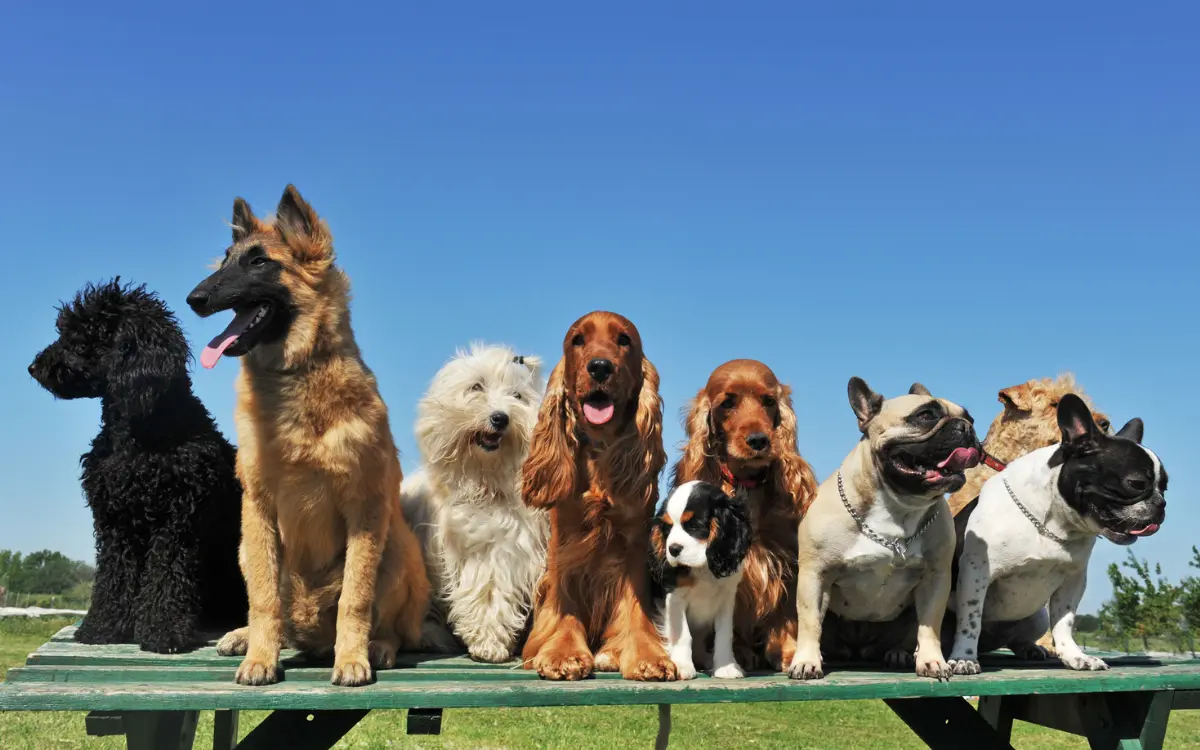
The world hosts a vast variety of dog breeds. Each breed has unique traits and histories. These breeds come in many shapes, sizes, and colors. Their diversity shows how humans have shaped dogs through breeding. This diversity meets different needs, from hunting to companionship. Dog breeds reflect culture and environment across the globe.
Understanding this diversity helps us appreciate dogs better. It also guides us in caring for them properly. Knowing the number of breeds and how they are classified is key. This knowledge is useful for dog lovers, breeders, and researchers.
Recognized Breed Numbers
Official dog breed counts vary by organization. Some groups list over 340 breeds worldwide. Others recognize fewer, about 200 to 300 breeds. Differences come from varying rules on what counts as a breed. Some breeds are rare or newly created. This causes numbers to change over time. New breeds emerge while some old ones disappear. Breed recognition depends on breed standards and popularity too.
Breed Classification Systems
Dog breeds are grouped by traits and use. Common classes include working, herding, and toy breeds. Each class shares features and purposes. Breed clubs and kennel organizations use these systems. The American Kennel Club and FCI have their own groups. These systems help organize breeds for shows and breeding. They also aid owners in understanding breed behavior and needs.
Major Dog Breed Groups
Dog breeds are divided into major groups based on their skills and traits. Each group has unique qualities. Knowing these groups helps understand different dogs better.
These groups include working dogs, herding dogs, toy breeds, sporting dogs, non-sporting dogs, terriers, and hounds. Each group serves a special purpose for people.
Working Dogs
Working dogs are strong and smart. They help with jobs like guarding, pulling sleds, and rescue missions. These dogs are loyal and brave. Examples include the Siberian Husky and Boxer.
Herding Dogs
Herding dogs control and move livestock. They are quick thinkers and very active. These dogs are great for farms. Border Collies and Australian Shepherds are popular herding breeds.
Toy Breeds
Toy breeds are small dogs made mostly for companionship. They fit well in apartments and small homes. Despite their size, they have big personalities. Chihuahuas and Pomeranians are well-known toy breeds.
Sporting Dogs
Sporting dogs enjoy water and field activities. They are friendly and easy to train. These dogs love to fetch and swim. Labrador Retrievers and Spaniels belong to this group.
Non-sporting Dogs
Non-sporting dogs are diverse in size and looks. They do not fit into other groups easily. These dogs have unique traits and temperaments. Bulldogs and Dalmatians are part of this group.
Terriers
Terriers are energetic and fearless dogs. They were bred to hunt pests. Many terriers are small but full of energy. Jack Russell Terriers and Bull Terriers are famous examples.
Hounds
Hounds are skilled hunters with strong senses. They use sight or smell to track prey. These dogs are fast and determined. Beagles and Greyhounds are well-known hound breeds.
Factors Affecting Breed Counts
Counting the number of dog breeds in the world is not simple. Several factors change the total number. Different groups recognize different breeds. New breeds keep appearing. Some breeds exist only in certain regions. These points affect how many dog breeds there are.
Recognition By Different Kennel Clubs
Not all kennel clubs agree on dog breeds. Some clubs list more breeds than others. For example, the American Kennel Club recognizes fewer breeds than the Fédération Cynologique Internationale. Each club has its own rules for breed recognition. This causes breed counts to vary worldwide.
Emerging And Hybrid Breeds
New dog breeds are created over time. Some are mixes of two or more breeds. These hybrid breeds may or may not be recognized. Recognition depends on breed standards and breed clubs. This process adds to the changing number of breeds.
Regional Breed Variations
Many dog breeds are unique to certain areas. Some breeds stay local and unknown elsewhere. Regional breeds may not be recognized globally. Cultural preferences affect which breeds flourish. This creates variation in breed counts across the world.

Credit: www.amazon.com
Top Countries With Diverse Breeds
Some countries are famous for having many different dog breeds. These places have rich histories of breeding dogs for hunting, work, and companionship. Each country’s climate and culture shape the types of dogs people raise. This creates a wide variety of unique breeds in just a few regions around the world.
Here are some of the top countries with the most diverse dog breeds.
United States
The United States has many dog breeds born from mixing others. The country values working dogs, family pets, and show dogs. Breeds like the American Pit Bull Terrier and the Boston Terrier come from here. Dog lovers in the U.S. often create new breeds to fit different needs and lifestyles.
United Kingdom
The United Kingdom is home to many classic dog breeds. Many hunting and herding dogs started here. Breeds such as the Border Collie and the Bulldog originated in the UK. The country’s long history with dogs helps keep these breeds popular worldwide.
Germany
Germany is known for strong, smart working dogs. Breeds like the German Shepherd and Doberman come from this country. These dogs are often used for police work and protection. Germany’s focus on training and breeding quality dogs makes its breeds famous.
Japan
Japan has unique dog breeds with a rich cultural background. The Shiba Inu and Akita are well-known examples. These dogs are loved for their loyalty and strong spirit. Japan’s careful breeding preserves these special breeds for future generations.
Rare And Extinct Dog Breeds
Rare and extinct dog breeds tell stories of the past. They show how diverse dogs once were. These breeds are unique and often have special traits. Some are barely seen today. Others have disappeared forever. Learning about them helps us appreciate the rich history of dogs worldwide.
Endangered Breeds
Endangered dog breeds have very few members left. They risk disappearing soon. These breeds may live in certain regions only. Some face threats from habitat loss or changes in farming. Efforts to save them include breeding programs and awareness campaigns. Preserving these breeds keeps their unique traits alive.
Causes Of Breed Extinction
Breed extinction happens for many reasons. Loss of habitat reduces space for dogs and their owners. Changes in lifestyles make some breeds less useful. Crossbreeding can dilute pure breeds. Wars and diseases have also wiped out some breeds. Without care and attention, rare breeds vanish over time.
Credit: www.petscare.com
How To Identify Dog Breeds
Identifying dog breeds can be fun and interesting. Each breed has unique features and traits. Knowing these helps in recognizing different dogs easily. Some ways to identify dog breeds include observing their looks, behavior, and even using science.
Physical Characteristics
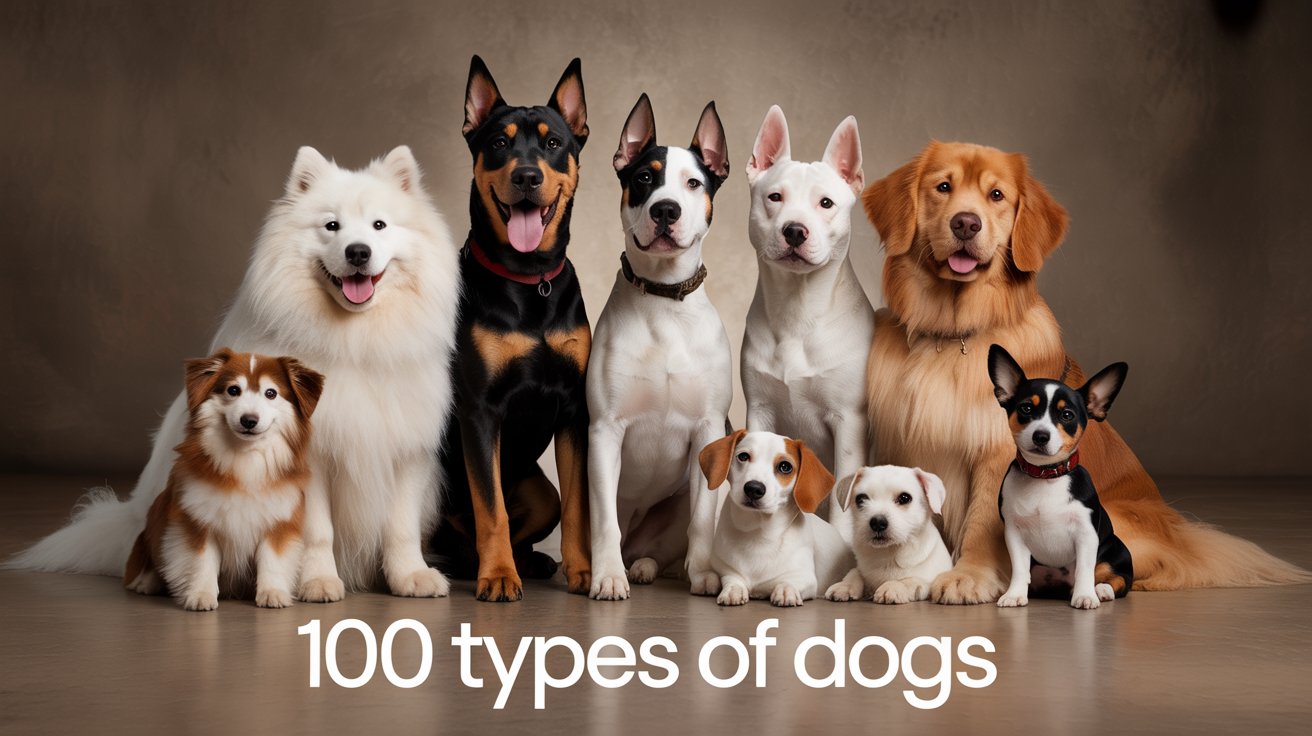
Dog breeds often differ in size, shape, and color. Some have long fur, while others have short coats. Ear shapes vary from floppy to pointy. Tail styles range from curled to straight. These visible traits give clues about a dog’s breed. Face shape and body build also play a role.
Behavioral Traits
Each breed has specific behaviors and habits. Some dogs are very active and playful. Others prefer calm and quiet time. Certain breeds love to herd or hunt. Watching how a dog acts can suggest its breed. These patterns usually come from a dog’s original purpose.
Genetic Testing
DNA tests reveal a dog’s breed mix with high accuracy. These tests analyze genes from a simple cheek swab. They can identify purebreds and mixed breeds. Genetic testing helps confirm breed identity beyond looks and behavior. Many dog owners use tests for better care and understanding.
Future Trends In Dog Breeds
The world of dog breeds is always changing. New breeds develop, and old ones evolve. These changes come from human needs and natural progress. Technology and genetics also play a big role. They help shape the dogs of tomorrow. Understanding these trends helps us see what dogs might look like in the future.
Expect more diversity in dog breeds. Breeders want dogs that fit modern lifestyles. This means smaller sizes, better health, and unique traits. Dogs that are easier to care for will become popular. The future holds many possibilities for dog lovers everywhere.
Breed Development
New dog breeds form by mixing existing ones. Breeders focus on traits like size, coat, and temperament. Some breeds aim for better health and fewer genetic problems. Others target special jobs, like therapy or search work. Breed clubs and organizations guide this process. They keep standards clear and protect breed identity.
Crossbreeding also grows in popularity. It creates dogs with traits from two breeds. These mixes often have fewer health issues. They may also have a balanced personality. Future breed development will balance tradition and innovation.
Impact Of Genetics And Technology
Genetics helps breeders understand dog traits better. DNA tests show risks for diseases and health conditions. This helps choose healthier breeding pairs. Technology speeds up this process. It also tracks family history and genetic diversity.
Advanced tools like gene editing may shape future breeds. Ethical concerns limit this technology now. Still, it could reduce health problems in dogs. Technology also helps in training and care. Smart devices monitor health and activity. These tools improve dog well-being and owner knowledge.
Frequently Asked Questions
How Many Dog Breeds Exist Worldwide?
There are around 340 recognized dog breeds globally. This number varies slightly based on kennel club classifications and breed standards.
Which Organization Lists The Most Dog Breeds?
The Fédération Cynologique Internationale (FCI) recognizes about 360 dog breeds. It is the largest international kennel club.
What Factors Define A Dog Breed?
A dog breed is defined by specific physical traits, behavior, and genetic lineage. Breed standards guide these characteristics.
Are New Dog Breeds Still Being Created?
Yes, new dog breeds emerge through selective breeding for unique traits and purposes. This process continues today.
Conclusion
Dogs come in many shapes and sizes worldwide. Over 340 recognized breeds exist today. Each breed has unique traits and history. Choosing a dog means finding the right fit for you. Whether small or large, dogs bring joy to life.
Exploring dog breeds shows how diverse they really are. This variety makes the dog world exciting and full of surprises. Keep learning about dogs to appreciate their special qualities.


