

Have you ever wondered how many breeds of dogs exist around the world? Whether you’re thinking about adding a furry friend to your family or simply curious about these amazing animals, understanding the variety of dog breeds can help you find the perfect match for your lifestyle.
From tiny pups to giant companions, each breed has unique traits that might surprise you. Keep reading to discover fascinating facts and learn exactly how many dog breeds there are—and which one could be your new best friend.

Credit: www.shutterstock.com
Global Dog Breed Count
Dogs come in many shapes, sizes, and types. Each type is called a breed.
Counting all dog breeds in the world is not easy. Different groups list breeds in different ways.
Official Dog Breed Numbers
The World Canine Organization recognizes about 360 breeds. These breeds meet specific standards.
Other groups list more or fewer breeds. Some include local or rare breeds.
Why Breed Counts Vary
New breeds are created by mixing different dogs. Some breeds are not yet recognized.
Some breeds look alike but are called different names in various countries.
Popular Vs. Rare Breeds
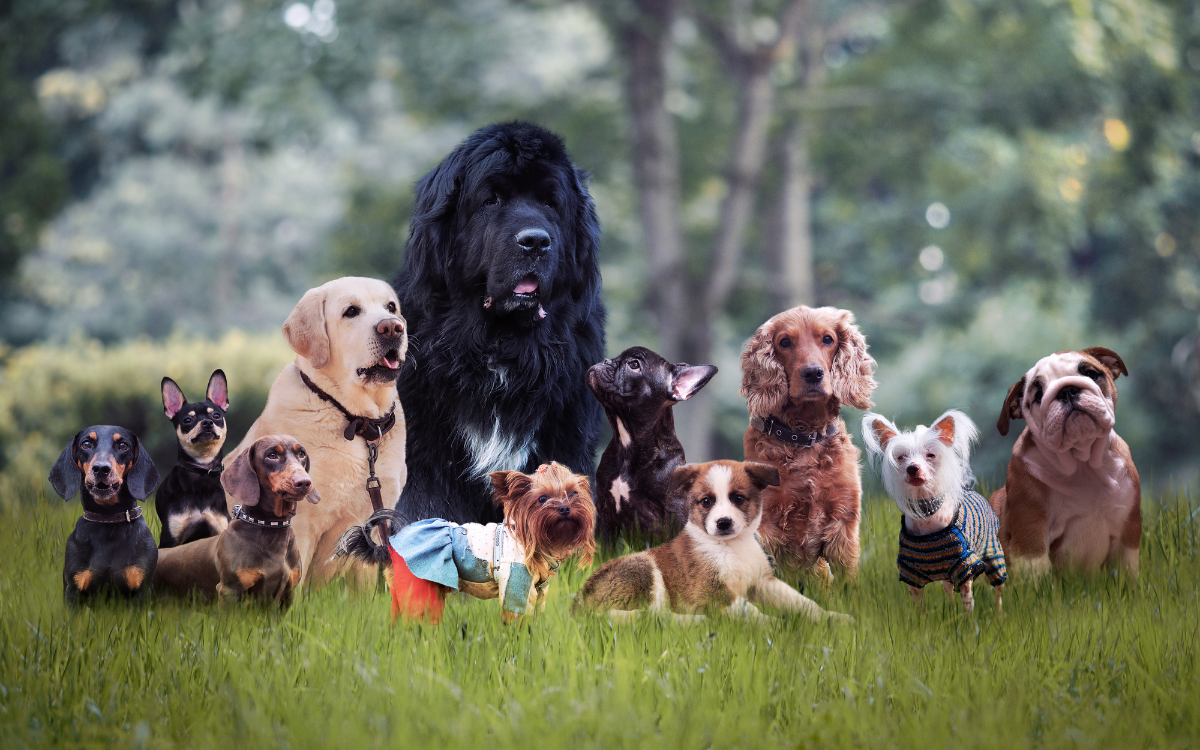
Some breeds are known worldwide and have many owners. Others live only in small regions.
Rare breeds may have fewer than a thousand dogs. Popular breeds can have millions.
Credit: www.newsweek.com
Popular Dog Breed Categories
Dogs come in many shapes and sizes. They are grouped into categories based on their skills and traits. Knowing these groups helps you understand different dog breeds better. Each category has unique features and uses.
Sporting Dogs
Sporting dogs are active and love to play. They help hunters find and retrieve game. These dogs need regular exercise and enjoy water activities. Popular breeds include Labrador Retrievers and Spaniels.
Working Dogs
Working dogs are strong and smart. They help with tasks like pulling sleds and guarding homes. These breeds need training and mental challenges. Examples are Boxers and Great Danes.
Terriers
Terriers are small but brave. They were bred to hunt small animals and pests. These dogs have a lot of energy and a bold personality. Jack Russell Terrier is a well-known example.
Toy Breeds
Toy breeds are tiny and perfect for small spaces. They are friendly and make great companions. These dogs need gentle care and love to be pampered. Chihuahuas and Pomeranians belong here.
Herding Dogs
Herding dogs control the movement of animals. They are intelligent and quick learners. These dogs enjoy having a job to do. Border Collies and Australian Shepherds are popular herding breeds.
Non-sporting Dogs
Non-sporting dogs are diverse in size and looks. They do not fit into other groups easily. Their temperaments and needs vary widely. Bulldogs and Dalmatians are part of this category.
Hound Breeds
Hounds are skilled hunters with a strong sense of smell. They track scents over long distances. Some hounds are fast runners, others are patient trackers. Beagles and Bloodhounds are famous hounds.
Top Dog Breeds Worldwide
Dogs are loyal companions loved worldwide. Some breeds stand out for their popularity and traits. These dogs fit well with many families and lifestyles. They offer friendship, protection, and joy.
Here are some of the top dog breeds known and loved across the globe.
Labrador Retriever
Labradors are friendly and easy to train. They enjoy playing and love people. Their gentle nature makes them great family pets. Labs also work well as service dogs.
German Shepherd
German Shepherds are smart and brave. They serve as police and rescue dogs. These dogs protect their home and family well. They need exercise and mental challenges daily.
Golden Retriever
Golden Retrievers are kind and patient dogs. They get along well with children and other pets. Their soft coats and warm eyes attract many. They enjoy being active and learning new tricks.
Bulldog
Bulldogs have a strong, muscular build. They are calm and love relaxing at home. Bulldogs are known for their unique face and gentle heart. They fit well in apartments and smaller spaces.
Beagle
Beagles are small but full of energy. They have a great sense of smell. These dogs are curious and love exploring outdoors. Beagles are friendly and easy to care for.
Rare And Unusual Breeds
Rare and unusual dog breeds capture the hearts of many dog lovers. These breeds are not easy to find. They often have unique looks and special traits. Some come from faraway lands, and others have interesting histories. Their rarity makes them special companions for those who seek something different.
These breeds can be a bit mysterious. Few people know about their habits or needs. They might require special care or training. Learning about them can be fun and surprising. Each rare breed has a story that adds to its charm.
Azawakh
The Azawakh is a tall and slim dog from West Africa. It is known for speed and grace. These dogs protect their families and livestock. They have short coats and a gentle nature. Azawakhs are loyal but can be shy with strangers.
Catalburun
Catalburun is a Turkish hunting dog with a split nose. This rare feature gives it an excellent sense of smell. It is used for tracking and hunting birds. Catalburuns are intelligent and energetic dogs. They need plenty of exercise and mental challenges.
Mudi
The Mudi comes from Hungary and is a herding dog. It has curly fur and a lively personality. Mudis are smart and quick learners. They enjoy working and playing with people. This breed is rare outside its home country.
Thai Ridgeback
The Thai Ridgeback has a ridge of hair along its back. This trait is similar to the Rhodesian Ridgeback. These dogs are strong and brave. They were bred to hunt and guard. Thai Ridgebacks are independent but loyal to their owners.
Breed Recognition By Kennel Clubs
Breed recognition by kennel clubs plays a key role in defining dog breeds worldwide. These clubs set the standards for each breed. They decide which dogs qualify as official breeds. Recognition helps preserve breed traits and history. It also supports breeders and dog show participants.
American Kennel Club
The American Kennel Club (AKC) recognizes over 200 dog breeds. Each breed has a detailed standard to follow. The AKC updates its list regularly. New breeds join after thorough review. The club promotes responsible breeding and dog sports in the U.S.
The Kennel Club (uk)
The Kennel Club in the United Kingdom recognizes nearly 220 breeds. It is the oldest official kennel club in the world. The club sets breed standards and organizes dog shows. It supports breed health and education for owners and breeders.
Fédération Cynologique Internationale
The Fédération Cynologique Internationale (FCI) is a global federation of kennel clubs. It recognizes around 360 dog breeds worldwide. The FCI groups breeds by their original purpose and characteristics. It ensures uniform breed standards across member countries. This helps maintain breed quality internationally.
Factors Influencing Breed Popularity
Breed popularity changes for many reasons. Some breeds become favorites fast. Others stay popular for years. Understanding these reasons helps explain why some dogs are everywhere.
People choose dog breeds based on many factors. These include lifestyle, looks, and behavior. Some breeds fit well with busy city life. Others suit big homes with yards. These choices affect which breeds grow in popularity.
Genetics And Temperament
Temperament plays a big role. Friendly and calm dogs attract many owners. Breeds known for loyalty often top lists. Genetics decide behavior and health traits. Families look for gentle, easy-to-train dogs.
Media And Celebrity Influence
Movies and TV shows raise breed fame. A dog seen in a film can boost interest. Celebrities owning certain breeds also affect trends. Fans often want the same dogs as stars.
Living Environment
Small apartments need small dogs. Large houses allow bigger, active breeds. City dwellers pick compact, quiet dogs. Rural homes fit working or hunting breeds. Environment shapes breed popularity strongly.
Health And Lifespan
Healthy breeds attract more owners. Dogs with fewer health problems stay popular. Long-living breeds are preferred too. Owners want pets they can enjoy for years.
Purpose And Function
Some dogs are chosen for jobs. Herding, guarding, or hunting needs affect choices. Working breeds appeal to active people. Companion dogs suit those wanting a pet friend.
Choosing The Right Breed For You
Choosing the right dog breed matters a lot. Each breed has unique traits. Picking a dog that fits your life makes pet ownership happy and easy.
Size And Space
Dog size affects your living space needs. Small dogs fit well in apartments. Large dogs need more room to move. Think about your home size before choosing.
Temperament
Temperament means how a dog behaves. Some dogs are calm and gentle. Others are active and bold. Choose a temperament that matches your personality.
Activity Level
Activity level shows how much exercise a dog needs. High-energy dogs need daily walks and play. Low-energy dogs like quiet time. Match activity with your daily routine.
Grooming Needs
Grooming means brushing, bathing, and trimming. Some breeds need daily grooming. Others need less care. Pick a grooming style you can keep up with.
Credit: www.petscare.com
Frequently Asked Questions
How Many Dog Breeds Exist Worldwide?
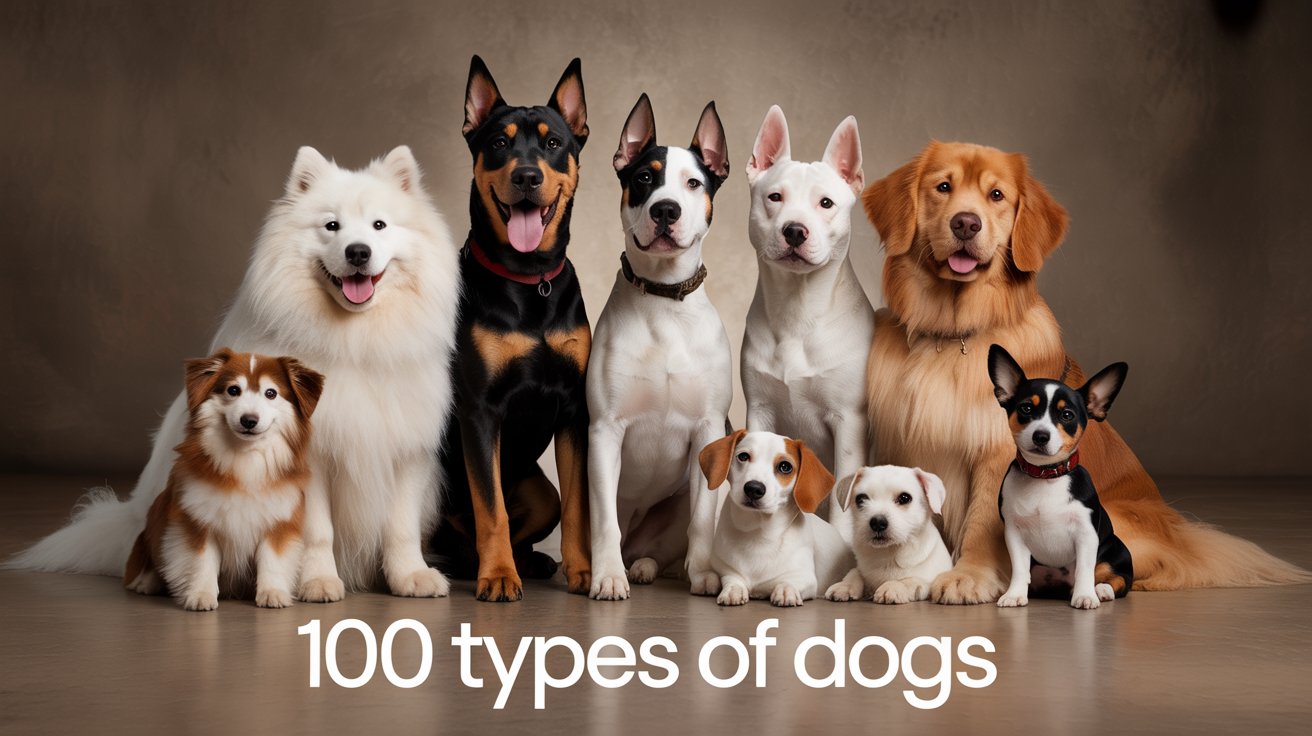
There are over 340 recognized dog breeds globally. Different kennel clubs recognize varying numbers. This diversity showcases the wide range of dog types and purposes.
Which Organization Defines Dog Breeds Officially?
The American Kennel Club (AKC) is a major authority. The Fédération Cynologique Internationale (FCI) is another global body. Both maintain official breed standards and registrations.
Are New Dog Breeds Still Being Created?
Yes, new breeds continue to emerge through selective breeding. Breeders aim to enhance traits or create unique mixes. This process contributes to the evolving dog breed list.
How Are Dog Breeds Categorized?
Dog breeds are grouped by characteristics like size, purpose, and temperament. Common categories include working, herding, sporting, and toy breeds. This helps owners find suitable pets for their needs.
Conclusion
Dogs come in many breeds, each with unique traits. Choosing the right breed depends on your lifestyle and needs. Every dog offers love and companionship in its own way. Knowing the number of breeds helps you understand their variety. Enjoy learning about dogs and finding your perfect match.
Dogs bring joy and friendship to many lives. Explore breeds and discover which one suits you best.


