

Are you wondering when it’s the right time to switch your furry friend from puppy food to adult dog food? Knowing the perfect age to make this change is crucial for your dog’s health and growth.
Feeding your dog the wrong type of food can affect their energy, digestion, and overall well-being. You’ll discover exactly when and why you should transition your dog to adult food, ensuring you give them the best care possible. Keep reading to find out how to make this important switch smoothly and confidently.
Puppy Growth Stages
Puppy growth happens in clear stages. Each stage needs different care and food. Knowing these stages helps you feed your puppy right. Healthy growth leads to a happy adult dog. This section explains key puppy growth stages.
Newborn To Weaning
Newborn puppies rely only on their mother’s milk. It gives all the nutrition they need. This stage lasts about four weeks. Puppies cannot eat solid food yet. They sleep and nurse most of the time. Their immune system is still developing.
Transition To Solid Food
Around four weeks, puppies start trying solid food. This stage is called weaning. Begin with soft, mushy puppy food mixed with water. Gradually reduce the water over two weeks. Puppies learn to chew and digest solid food. This phase is vital for their growth.
From Puppy To Adult
Puppies grow fast between three and six months. Their energy needs increase during this time. Most puppies switch to adult food between 9 and 12 months. Large breeds may need puppy food longer. Adult food supports slower growth and mature bodies. Watch your puppy’s weight and health closely.

Credit: www.reddit.com
When To Switch To Adult Food
Knowing the right time to switch your dog to adult food is important. Puppies and adult dogs have different nutritional needs. Feeding adult food too early or too late can affect their health. The switch depends on several factors, including breed size, physical signs, and veterinary advice.
Breed Size Impact
Small and large breeds grow at different rates. Small breeds mature faster and may switch to adult food by 9 to 12 months. Large breeds grow slower and often need puppy food until 12 to 24 months. Large breed puppy food helps support their bones and joints. Feeding adult food too soon can cause health problems in large dogs.
Signs Your Dog Is Ready
Watch your dog’s behavior and body shape. If your puppy stops growing quickly, it may be ready. Check teeth; adult teeth usually appear by 6 months. Energy levels may change too. If your dog seems calmer and less hyper, it could be time. Also, look for a healthy weight and good digestion.
Veterinary Recommendations
Your vet can provide the best advice for your dog. They consider breed, size, health, and activity level. Some dogs have special needs that affect food type. Regular checkups help decide when to change food. Ask your vet about the right adult food brand and portion size.
Choosing The Right Adult Food
Switching your dog to adult food is an important step. The right food helps keep your dog healthy and active. Many factors affect which food suits your dog best. Age, size, and health all matter. Choosing the right adult food means understanding what your dog needs now.
Adult dog food differs from puppy food in many ways. It has the right balance of nutrients to support grown dogs. Knowing what to look for helps you make the best choice for your pet.
Nutritional Needs By Age
Dogs have different nutritional needs at each life stage. Adult dogs need fewer calories than puppies. Their food should support steady energy without causing weight gain. Older adult dogs may need food with joint support and fewer calories. Adjusting food to your dog’s age keeps them strong and healthy.
Ingredients To Look For
High-quality protein is key for adult dogs. Look for named meats like chicken, beef, or fish first on the list. Whole grains, vegetables, and fruits add fiber and vitamins. Omega-3 and omega-6 fatty acids help keep skin and coat healthy. Avoid foods with fillers like corn, wheat, or soy.
Avoiding Common Pitfalls
Many dog owners make mistakes when choosing adult food. Avoid foods with too many artificial colors or preservatives. Don’t pick foods that list vague ingredients like “meat meal” or “animal fat.” Overfeeding can cause obesity, which leads to health problems. Always check serving sizes and watch your dog’s weight.
Transitioning Your Dog’s Diet
Changing your dog’s diet from puppy food to adult food is an important step. It helps support their growth and health as they get older. The switch should happen smoothly. Sudden changes can upset your dog’s stomach or cause other problems. Planning the transition carefully makes it easier for your dog’s body to adjust. Pay attention to their digestion, weight, and energy during this time. These signs show how well your dog adapts to the new food.
Gradual Food Changes
Start mixing small amounts of adult food with puppy food. Slowly increase the adult food over 7 to 10 days. This slow change helps your dog’s stomach adjust. Avoid switching all at once. Mixing foods in small steps reduces the risk of diarrhea or vomiting. Watch your dog’s eating habits and comfort. Stop if you see any signs of distress and try again more slowly.
Managing Digestive Health
Digestive health is key during diet changes. New foods can upset your dog’s stomach. Look for signs like loose stools or less appetite. Add probiotics or fiber if your vet suggests. Keep fresh water available all the time. Avoid giving treats or snacks that may cause upset. A healthy digestion supports better nutrient absorption and overall well-being.
Monitoring Weight And Energy
Check your dog’s weight regularly. Weight changes show how they handle the new food. Notice changes in their energy levels too. A drop in energy might mean the food is not right. Increased or steady energy means the food works well. Adjust portions if your dog gains or loses weight. Keep your dog active and happy during this change.
Special Considerations
Choosing the right time to switch your dog to adult food depends on many factors. Each dog grows differently and needs special care. Some dogs need adult food earlier or later than others. Understanding these differences helps you make the best choice for your pet’s health.
Small Vs. Large Breeds
Small dog breeds grow faster than large breeds. They often need adult food around 9 to 12 months. Large breeds take longer to mature. They might need puppy food up to 18 or 24 months. Large breeds also need food with the right balance of nutrients. This helps protect their joints and bones during growth.
Health Conditions And Diet
Some dogs have health issues that affect their diet. Dogs with allergies may need special adult food. Dogs with sensitive stomachs benefit from gentle ingredients. Talk to your vet if your dog has health problems. Your vet can recommend the best food type and timing for switching.
Senior Dogs And Food Choices
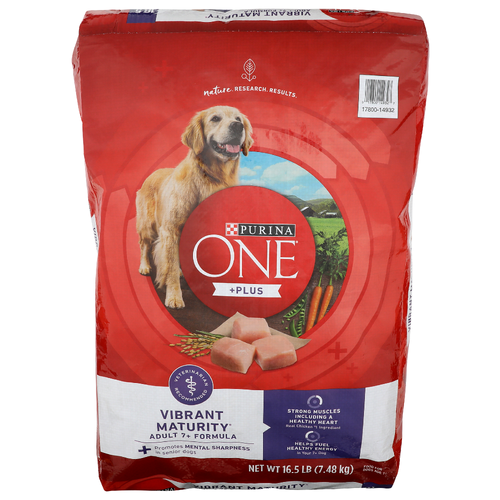
Senior dogs need different nutrition than younger adults. Their metabolism slows down and they may need fewer calories. Senior dog food supports joint health and digestion. Some older dogs stay active and need more energy. Watch your dog’s behavior and weight to adjust food needs. Feeding the right food keeps senior dogs healthy and happy.
Credit: www.brookshires.com

Credit: www.purina.com
Frequently Asked Questions
When Should I Switch My Puppy To Adult Dog Food?
Most dogs transition to adult food between 12 and 18 months. Larger breeds may need adult food later, around 18-24 months. Always check your vet’s advice for your dog’s specific needs and growth rate.
Can I Feed Adult Dog Food To A Puppy?
Feeding adult dog food to a puppy is not recommended. Puppies need extra nutrients for growth. Adult food lacks essential vitamins and calories required for healthy puppy development.
What Signs Show My Dog Is Ready For Adult Food?
Signs include reaching full size, less growth spurts, and reduced energy needs. Consult your vet to confirm readiness before switching to adult dog food.
Does Breed Size Affect When To Give Adult Food?
Yes, small breeds mature faster and switch at 12 months. Large breeds grow slower and may require puppy food up to 18-24 months for proper development.
Conclusion
Switching your dog to adult food is an important step. Most dogs are ready around one year old. Larger breeds may need more time before the change. Watch your dog’s health and energy to decide the best time. Always introduce new food slowly to avoid stomach upset.
Good nutrition helps your dog stay strong and happy. Keep an eye on their weight and coat shine. Feeding the right food at the right age supports a long, healthy life. Trust your pet’s needs and enjoy every stage together.


