

Are you struggling to get your dog to sit on command? Teaching your dog to sit is one of the easiest and most important commands you can give.
It helps keep your pet safe, calm, and well-behaved in many situations. Imagine how much smoother your daily walks, visits to the vet, or playtime could be if your dog listens the first time you ask. You’ll discover simple, step-by-step techniques that make training your dog to sit quick and stress-free.
Ready to see your furry friend respond with a perfect sit every time? Let’s get started!
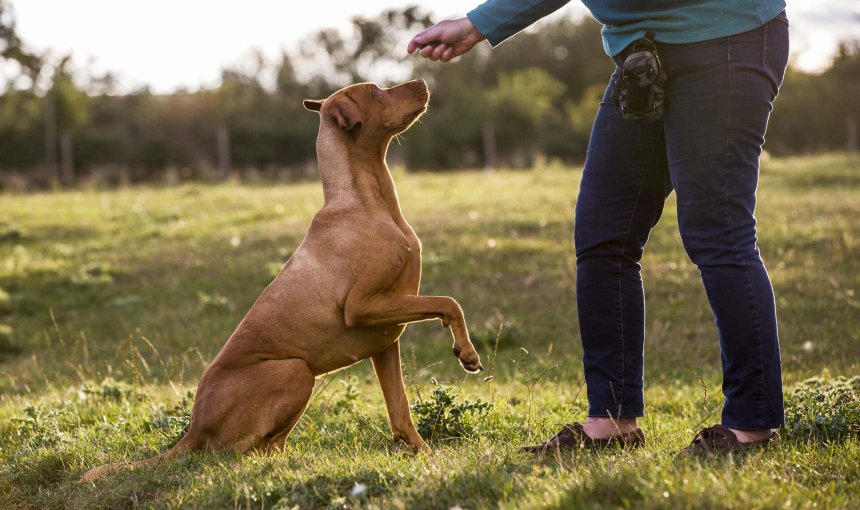
Credit: tractive.com
Why Teach Sit First
Teaching your dog to sit first is smart. It is a simple command that most dogs learn quickly. This helps create good habits early. It also builds trust between you and your dog. Starting with sit makes training easier and more fun.
Benefits For Obedience
Sitting helps your dog learn to listen. It shows your dog you are the leader. This makes your dog more likely to obey other commands. Sit is a calm behavior. It stops jumping and pulling on the leash. This improves safety for you and your dog.
Foundation For Other Commands
Sit is the base for many other commands. Commands like stay, come, and lie down use sit first. It teaches your dog to wait and focus on you. This focus is important for learning more tricks. Without sit, other commands can be confusing for your dog.
Gathering Supplies
Training your dog to sit starts with gathering the right supplies. These tools make training easier and more effective. Having everything ready helps keep your dog focused and motivated. It also creates a positive training environment. Below are key supplies to prepare before you begin.
Choosing The Right Treats
Treats are the main reward for your dog during training. Pick small, soft treats that your dog loves. They should be easy to chew and swallow quickly. This keeps your dog eager to learn without long breaks. Avoid large or hard treats that slow down the process. Change treats if your dog loses interest.
Using A Clicker Or Marker
A clicker or marker word helps your dog understand the exact moment of good behavior. The click sound or a word like “yes” signals a reward is coming. This tool speeds up learning and makes commands clearer. Click once when your dog sits correctly, then give a treat. Practice using the clicker or marker before training.
Setting Up The Training Space
Creating the right space for training your dog to sit is very important. A good space helps your dog focus and learn faster. This section explains how to set up a perfect training area.
Finding A Quiet Area
Choose a quiet spot in your home or yard. This place should have little noise and few people. Dogs learn best when they are calm and not scared. A calm area makes your dog pay attention to you.
A small room or fenced yard works well. Avoid busy rooms like the kitchen or living room. Find a place where your dog feels safe and relaxed.
Minimizing Distractions
Remove toys, treats, and other pets from the training space. These things can distract your dog. Turn off the TV and close windows to block outside sounds.
Keep the area simple. A clean space helps your dog focus on learning. Less distraction means better training results.
Step-by-step Sit Training
Training your dog to sit is a simple and useful skill. It builds good behavior and strengthens your bond. Follow these steps for clear and easy training sessions. Patience and consistency are key to success.
Getting Your Dog’s Attention
Find a quiet spot with few distractions. Call your dog’s name in a calm voice. Make sure your dog looks at you. A focused dog learns faster and better. Use a happy tone to keep your dog interested.
Luring With Treats
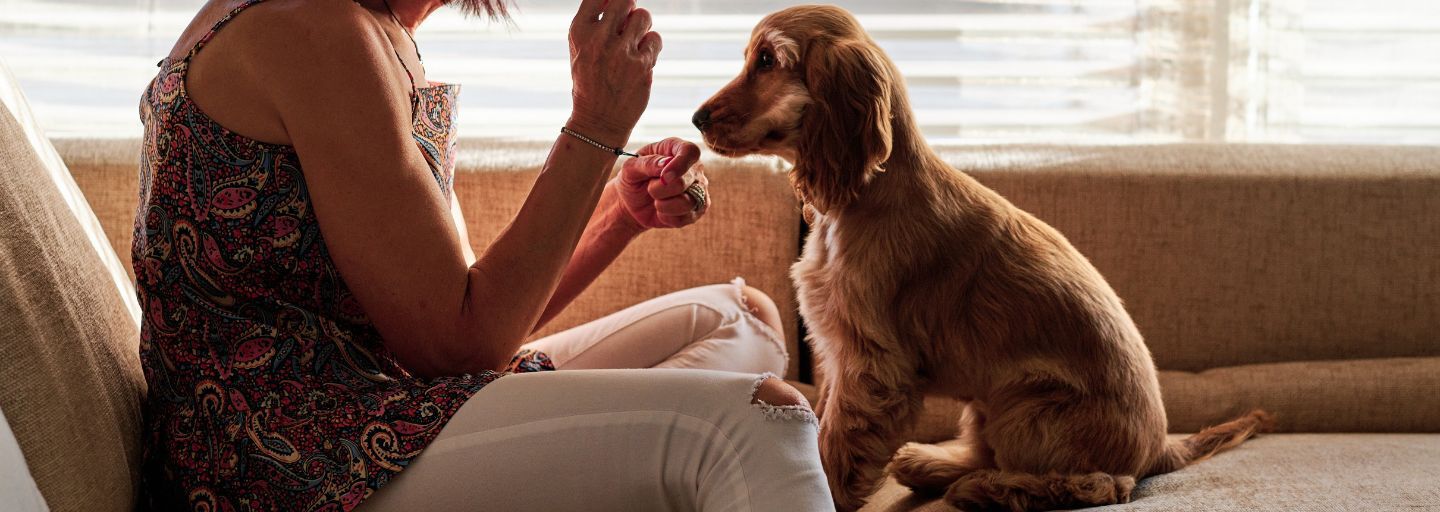
Hold a treat close to your dog’s nose. Slowly move the treat above their head. The dog will naturally sit to follow the treat. Give the treat immediately when your dog sits. This helps your dog connect sitting with rewards.
Using Verbal Commands
Say the word “sit” clearly as your dog begins to sit. Use the same command every time. Speak in a calm, friendly voice. This helps your dog learn to listen and respond. Repeat the command until your dog understands.
Reinforcing The Behavior
Praise your dog with kind words and petting. Reward with treats after each successful sit. Practice short sessions several times a day. Gradually reduce treats but keep praising. This makes the behavior strong and lasting.
Common Challenges
Training a dog to sit is a great start but comes with common challenges. Understanding these can help you stay patient and effective. Challenges often arise from the dog’s environment, behavior, or your own approach.
Recognizing these hurdles allows you to adapt your training style. It makes the learning process smoother for both you and your dog.
Dealing With Distractions
Distractions can stop your dog from focusing. Noises, other animals, or toys pull their attention away. Start training in a quiet place. Gradually add distractions as your dog improves. Use treats and praise to keep their focus on you.
Handling Stubborn Behavior
Some dogs resist sitting at first. They may ignore commands or move away. Stay calm and patient. Repeat the command gently and clearly. Use rewards to encourage the behavior. Avoid forcing your dog to sit, as it may cause fear.
Avoiding Frustration
Training takes time and effort. Feeling frustrated is normal but hurts progress. Take breaks when needed. Keep sessions short and positive. Celebrate small wins to stay motivated. Your calm attitude helps your dog learn better.
Credit: www.purina.com.au
Tips For Consistency
Consistency is key in teaching your dog to sit. Training regularly helps your dog learn faster. Dogs respond well to routines and clear signals. Keeping training steady builds good habits quickly.
Short, Frequent Sessions
Keep training sessions short to hold your dog’s attention. Five to ten minutes per session works best. Train multiple times a day instead of one long session. This method prevents your dog from getting bored or tired.
Positive Reinforcement
Use treats, praise, or petting to reward your dog. Positive rewards make your dog want to learn more. Always reward your dog right after sitting. This helps your dog connect the action with the reward.
Practicing In Different Environments
Train your dog in various places like home, park, or car. Different settings teach your dog to listen everywhere. Start training in quiet spots, then add distractions slowly. This step helps your dog obey no matter the place.
Building On The Sit Command
Training your dog to sit is just the beginning. Building on the sit command helps your dog listen better. It also makes daily life easier and safer. This section explains how to improve the sit command step by step. You will learn how to add time and mix it with other commands.
Adding Duration
Start by asking your dog to sit. Wait for a short time before giving a reward. Slowly increase the time your dog stays sitting. Use calm words like “stay” to help your dog understand. If your dog stands up, gently guide them back to sit. Practice this often but keep sessions short. This helps your dog focus and learn well.
Combining With Other Commands
Once your dog sits well, add more commands. Try “stay” followed by “come” to teach control. Use clear and simple words for each command. Reward your dog after completing all steps. This trains your dog to listen to many commands. It also builds good habits for home and walks.

Credit: www.youtube.com
Frequently Asked Questions
How Long Does It Take To Train A Dog To Sit?
Training a dog to sit usually takes a few days to two weeks. Consistency and short daily sessions speed up learning. Positive reinforcement like treats and praise improves results. Patience is key to successful and lasting training.
What Is The Best Treat For Training A Dog To Sit?
Small, soft, and tasty treats work best for training dogs to sit. They should be easy to chew quickly. High-value treats like chicken or cheese motivate dogs effectively. Avoid large or hard treats to maintain focus and speed.
Can All Dog Breeds Learn To Sit Easily?
Yes, all dog breeds can learn to sit. Some breeds may learn faster due to temperament or intelligence. Training methods might need slight adjustments for different breeds. Patience and consistent practice help every dog master the command.
How Often Should I Practice The Sit Command?
Practice the sit command several times daily in short sessions. Aim for 5 to 10 minutes per session to keep your dog engaged. Consistent repetition reinforces learning and builds good habits. Avoid long sessions to prevent boredom or frustration.
Conclusion
Training your dog to sit takes patience and practice. Start with short sessions and use clear commands. Praise your dog when it follows your instructions. Consistency helps your dog learn faster and better. Keep training fun to keep your dog interested.
Small steps lead to big progress. Soon, your dog will sit on command easily. Enjoy the bond you build through training. Every dog learns at its own pace. Stay calm and positive throughout the process. This simple command creates a strong foundation for more training.


