

Are you expecting a baby and wondering how your dog might react? Understanding dog behavior during pregnancy is important for both your safety and your pet’s well-being.
Your furry friend will notice the changes happening around them, and their behavior might shift in surprising ways. Knowing what to expect can help you prepare and create a calm, loving environment for everyone. Keep reading to discover the key signs in your dog’s behavior and practical tips to make this special time smoother for you and your pet.
Behavioral Shifts During Pregnancy
Pregnancy brings many changes for dogs, both physical and mental. These changes affect how dogs behave around their owners and other pets. Understanding these shifts helps create a calm and safe environment for the dog. It also helps owners respond with care and patience during this sensitive time.
Common Changes In Dogs
Pregnant dogs may become more tired than usual. They often seek quiet places to rest. Some dogs show less interest in play or walks. Appetite changes are common; some eat more, others less. Many dogs become clingier, wanting more attention from owners. Others may act more withdrawn or cautious around strangers.
Hormonal Influences
Hormones play a big role in a dog’s pregnancy behavior. Increased progesterone can make dogs calmer or sleepier. Fluctuating hormones may cause mood swings or irritability. These hormonal shifts affect the dog’s energy and social behavior. Understanding this helps explain sudden changes in mood or habits. Hormones prepare the dog’s body and mind for motherhood.
Emotional Responses
Pregnant dogs often feel anxious or protective. They may guard their resting spots more closely. Changes in routine can cause stress or confusion. Some dogs show signs of nesting, gathering soft items. Emotional needs increase; dogs look for comfort from trusted people. Recognizing these feelings allows owners to provide reassurance and calmness.
Safety Around Pregnant Owners
Safety around pregnant owners is important for both the dog and the mother-to-be. Pregnancy changes the home environment. Dogs may sense these changes and react differently. Understanding dog behavior helps keep everyone safe and calm.
Dogs often become more aware and cautious during pregnancy. Their behavior might shift as they adjust to the new family member. Careful observation and clear rules can create a peaceful space for all.
Protective Instincts
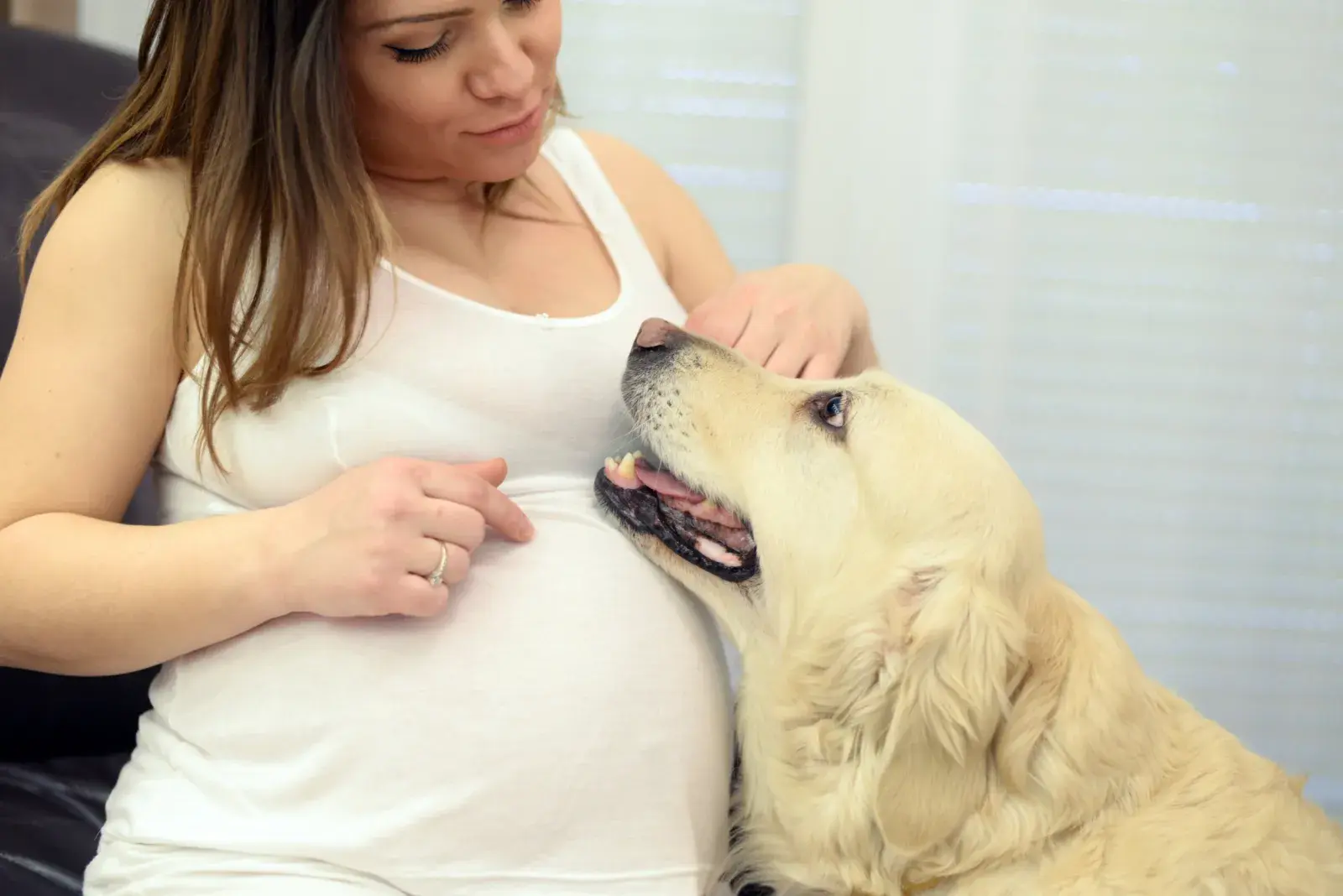
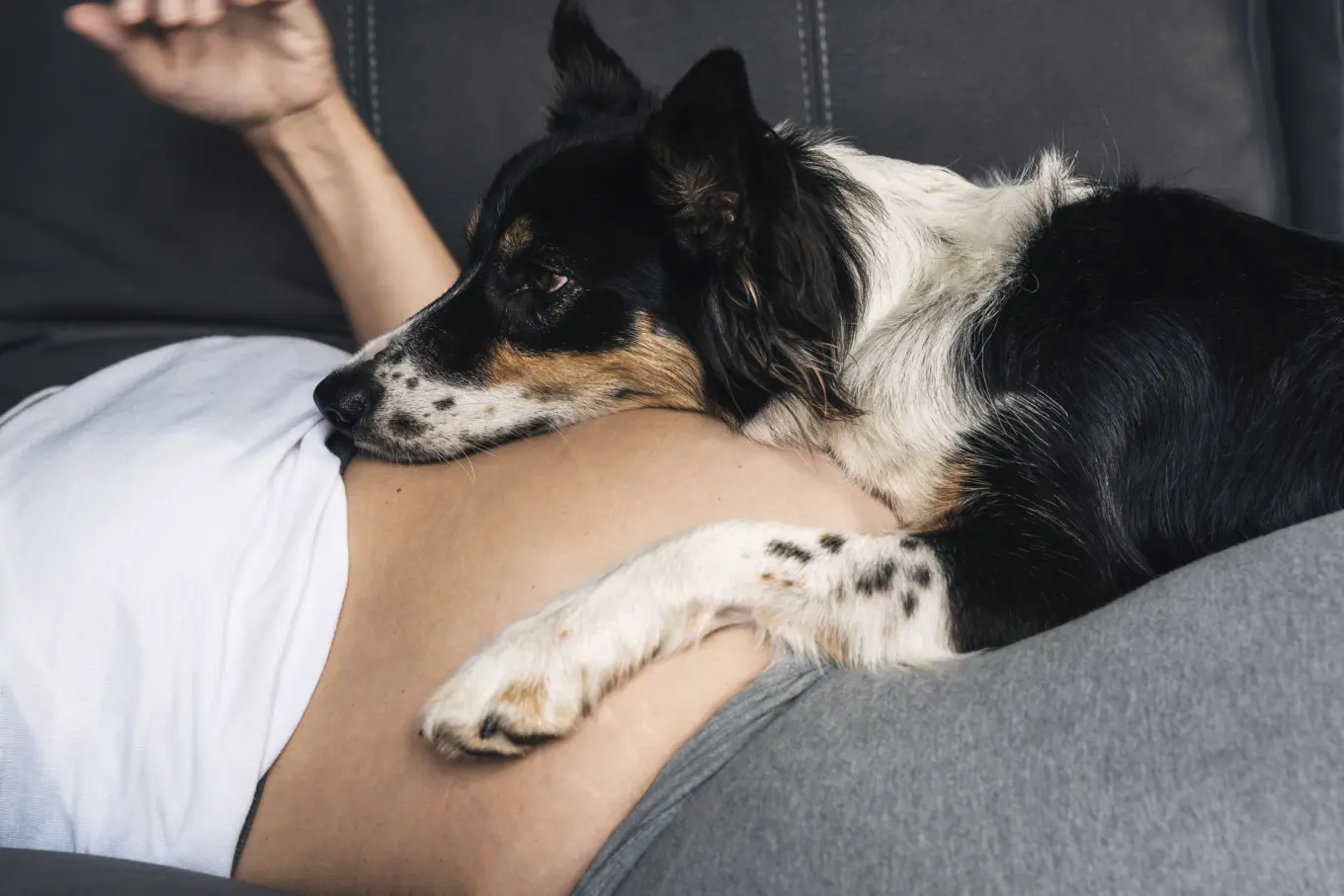
Dogs may show stronger protective instincts around pregnant owners. They might stay close or watchful. This behavior is natural and shows their care. Some dogs bark more to warn of strangers. They try to keep the mother safe.
Possible Aggression
Stress and confusion can cause aggression in some dogs. Changes in routine or attention may upset them. Growling or snapping can happen if the dog feels threatened. Early signs should be noticed and handled carefully. Training and calm guidance help reduce risks.
Avoiding Stressful Situations
Stress can affect both the dog and the pregnant owner. Loud noises, sudden movements, or rough play can cause problems. Creating a quiet, safe space for the dog is key. Regular walks and gentle play keep the dog relaxed. Clear boundaries help prevent misunderstandings and tension.
Adapting Daily Routines
Pregnancy changes many things at home, including your dog’s daily routine. Dogs notice changes easily. They may feel unsure or stressed if things are too different.
Adjusting your dog’s daily activities helps them stay calm and happy. Small changes can make a big difference. Keep your dog’s needs in mind and make the routine clear and steady.
Exercise Adjustments
Exercise keeps dogs healthy and calm. Pregnant owners may need shorter walks or slower paces. Choose safe places for walks, avoiding busy or noisy areas. Play games that do not require too much energy. Gentle exercise helps your dog stay relaxed without getting tired.
Feeding Modifications
Eating habits might need a change during pregnancy. Your dog could feel more hungry or less interested in food. Feed smaller meals more often to keep energy steady. Use healthy, balanced dog food. Avoid sudden changes to prevent stomach upset. Keep fresh water nearby for your dog all day.
Sleep And Rest Needs
Dogs need more rest when routines change. Create a quiet, cozy space for your dog to relax. Let your dog choose when to rest without interruptions. Avoid loud noises near their sleeping area. Regular naps help your dog feel safe and ready for new family changes.
Credit: www.newsweek.com
Training Tips During Pregnancy
Training your dog during pregnancy needs special care and attention. Changes in your routine can affect your dog’s behavior. Keeping training consistent helps your dog feel safe and calm. Focus on clear commands and positive responses. Adjust your approach to match your energy and time.
Reinforcing Positive Behavior
Reward good behavior often. Use treats or gentle praise. This helps your dog learn what you want. Avoid punishment; it can cause stress. Celebrate small wins to build trust. Positive reinforcement keeps training fun and effective.
Managing Anxiety
Pregnancy can make your dog nervous. Watch for signs like pacing or whining. Create a quiet, safe space for your dog. Use calm tones during training sessions. Try short, frequent training to reduce stress. Comfort and patience go a long way.
Using Commands Effectively
Speak clearly and use simple words. Repeat commands often and stay consistent. Show the action when possible. Keep training sessions short and focused. Use the same commands every time. Clear communication helps your dog understand better.
Preparing For Baby’s Arrival
Preparing for a baby means big changes for your dog. Your furry friend needs time to adjust to the new family member. Careful preparation helps your dog stay calm and happy. It also helps build a strong bond between your dog and baby.
Introducing New Scents
Dogs use their noses to learn about the world. Start by bringing baby scents into your home. Use a blanket or clothes with the baby’s smell. Let your dog sniff these items often. This helps your dog feel familiar with the new scent. It reduces surprise and stress when the baby arrives.
Setting Boundaries
Set clear limits for your dog before the baby comes. Decide which areas are off-limits, like the nursery. Teach your dog to stay out of these spaces. Use gentle commands and rewards to encourage good behavior. Boundaries keep both your baby and dog safe.
Gradual Exposure To Baby Items
Bring baby items into your home slowly. Let your dog see and smell the stroller, crib, and toys. Allow your dog to explore these new things calmly. This helps reduce fear or curiosity that may cause trouble. Small steps make your dog comfortable with the changes.
Credit: www.newsweek.com
When To Seek Professional Help
Pregnancy brings many changes in your home and life. Your dog may act differently during this time. Sometimes, these changes in behavior can cause problems. Knowing when to get help from a professional can keep everyone safe and calm. Early action stops issues from growing worse.
Recognizing Problematic Behavior
Watch your dog closely for signs of stress or fear. Aggression, excessive barking, or hiding can signal trouble. Sudden changes in eating or sleeping habits may also show discomfort. These signs mean your dog struggles with the new situation. Don’t ignore these behaviors. They could affect the safety of your baby and family.
Choosing A Trainer Or Behaviorist
Pick a trainer or behaviorist with experience in pregnancy-related dog behavior. Look for certified professionals who use gentle, positive methods. Avoid trainers who rely on punishment or fear. Ask for references or reviews from other pet owners. A good expert understands both dogs and family needs. This helps create a safe, peaceful home environment.
Effective Intervention Techniques
Training should focus on calmness and positive reinforcement. Teach your dog new routines that include the baby. Use treats and praise to reward good behavior. Gradually introduce your dog to baby sounds and smells. Provide a quiet space where your dog can relax. Consistent routines help reduce anxiety and confusion. Professional guidance ensures the best approach for lasting results.

Credit: www.dogmeetsbaby.expert
Frequently Asked Questions
How Does Pregnancy Affect Dog Behavior?
Pregnancy can make dogs more protective and sensitive. They may seek extra attention and become calmer or more anxious. Hormonal changes in the household can also influence their mood and actions.
Can Dogs Sense Pregnancy In Humans?
Yes, dogs can detect pregnancy through scent changes. They notice hormonal shifts and altered body chemistry. This often leads to changes in their behavior, like increased curiosity or protectiveness.
How Should I Prepare My Dog For A New Baby?
Introduce baby sounds and smells gradually. Maintain your dog’s routine to reduce stress. Provide positive reinforcement and create safe spaces for your dog to retreat.
Is It Normal For Dogs To Be Jealous During Pregnancy?
Yes, dogs may show jealousy due to decreased attention. They might act out or seek more affection. Consistent interaction and reassurance can help manage this behavior.
Conclusion
Pregnancy brings many changes for both you and your dog. Dogs may act differently, showing extra care or confusion. Watch your pet’s behavior closely and keep routines steady. Gentle attention helps your dog feel safe and loved. Preparing your dog early makes the transition smoother for everyone.
Understanding your dog’s needs strengthens your bond during this special time. Stay patient and calm as your family grows. Your dog will adjust with love and support.


