
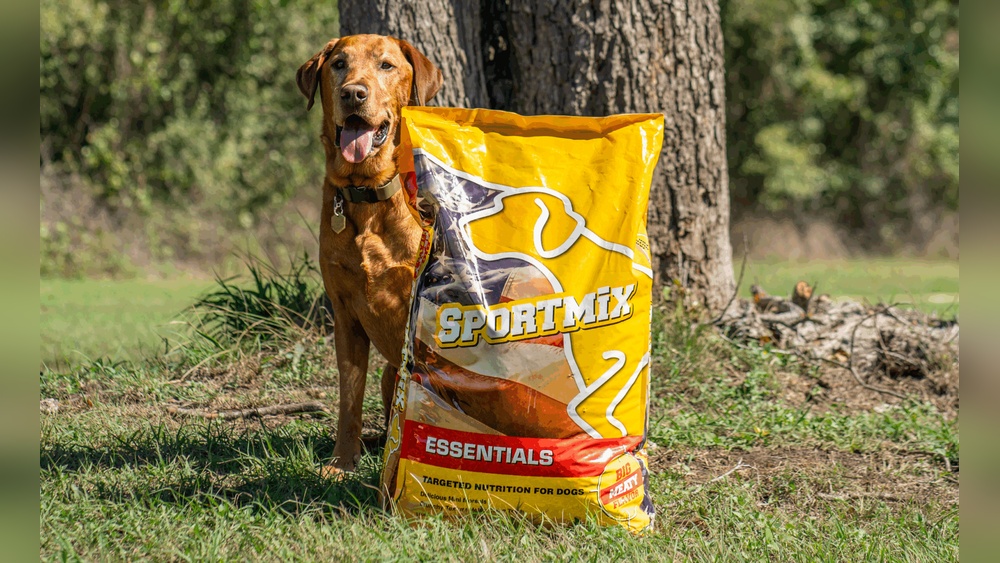
Have you ever wondered if the dog food you buy really gives your furry friend everything they need? You want your dog to be healthy, happy, and full of energy.
But does their food provide just the bare minimum nutrition, or is it truly supporting their well-being? Understanding what’s inside your dog’s bowl can make a huge difference in their life. Keep reading to discover the truth about dog food nutrition and how it affects your loyal companion every day.

Credit: wefeedraw.com
Basics Of Dog Nutrition
Understanding the basics of dog nutrition helps pet owners provide better care. Dogs need a balanced diet to stay healthy and active. Proper nutrition supports their growth, energy, and immune system. Not all dog foods meet every nutritional need, so knowing the basics is important.
Nutrition for dogs includes many components, like proteins, fats, vitamins, and minerals. Each plays a specific role in keeping dogs strong and happy. Meeting these needs daily ensures dogs live longer and feel better.
Essential Nutrients For Dogs
Dogs need six main nutrients: proteins, fats, carbohydrates, vitamins, minerals, and water. Proteins help build muscles and repair tissues. Fats provide energy and support skin and coat health. Carbohydrates give energy and help digestion. Vitamins and minerals keep organs working properly. Water is vital for all body functions and hydration.
Daily Nutritional Requirements
Each dog needs a certain amount of nutrients every day. The amount varies by age, size, and activity level. Puppies need more protein and calories for growth. Adult dogs need balanced nutrients to maintain health. Older dogs may need fewer calories but more fiber. Feeding the right amount prevents health problems and keeps dogs fit.
Types Of Dog Food
Dog food comes in several types, each with different nutritional values. Choosing the right type affects your dog’s health and happiness. Understanding these types helps you pick the best option for your pet.
Dry Kibble
Dry kibble is the most common dog food type. It is easy to store and lasts longer than wet food. Kibble usually contains balanced nutrients, but quality varies by brand. Some kibble may only meet the minimum nutrition your dog needs. Always check the ingredient list for meat content and added vitamins.
Canned Food
Canned food has more moisture than dry kibble. This can help dogs stay hydrated, especially if they do not drink enough water. Canned food often tastes better to dogs and can contain higher protein levels. Some canned foods have preservatives and fillers, so look for high-quality options. The nutrition might be better than dry kibble but varies by brand.
Raw And Homemade Diets
Raw and homemade diets allow control over every ingredient. Fresh meat, vegetables, and grains can provide excellent nutrition. These diets can be rich in vitamins and minerals if balanced correctly. They require careful preparation to avoid missing nutrients or causing illness. Many pet owners choose this type to avoid fillers in commercial foods.
Regulations And Standards
Dog food must meet certain rules to keep pets healthy. These rules help ensure food has enough nutrients. They protect dogs from diets that lack essential vitamins and minerals. Understanding these rules helps pet owners choose safe and nutritious options.
Aafco Guidelines
The Association of American Feed Control Officials (AAFCO) sets nutrient standards. These guidelines define the minimum nutrition dog food must contain. Pet food makers follow AAFCO rules to label their products as “complete and balanced.” This means the food supports a dog’s health at different life stages. AAFCO updates its guidelines based on new research and pet needs.
Labeling Requirements
Dog food labels must show clear nutrition information. They list ingredients, guaranteed analysis, and nutrient profiles. Labels also state the food’s intended life stage, like puppy or adult. This helps owners pick the right food for their dogs. Labels must be truthful and not misleading to protect consumers.
Common Nutritional Gaps
Dog food aims to meet basic nutrition needs. Yet, many products fall short in key areas. These gaps can affect your dog’s health and energy over time. Understanding common nutritional gaps helps you choose better food for your pet.
Protein Quality And Quantity
Protein is crucial for a dog’s muscles and organs. Not all dog foods provide enough high-quality protein. Some use low-grade protein sources that are hard to digest. Dogs need proteins with all essential amino acids. Without these, their bodies cannot repair or grow properly. Look for dog foods with clear protein sources like chicken, beef, or fish. The amount of protein also matters. Too little protein leads to weakness and poor coat health. A balanced protein level supports energy and overall wellbeing.
Vitamin And Mineral Deficiencies
Vitamins and minerals keep dogs healthy and active. Some dog foods lack important vitamins like A, D, and E. These help with vision, bone health, and immune support. Minerals such as calcium and phosphorus must be balanced. Too much or too little harms bones and teeth. Deficiencies may cause dull coats, weak bones, or low immunity. Quality dog foods add these nutrients carefully. Checking ingredient lists and labels helps avoid missing vitamins and minerals.
Impact Of Low Nutrition
Low nutrition in dog food can harm your pet’s health. Dogs need balanced nutrients to stay strong and active. Without enough vitamins, minerals, and proteins, their bodies suffer. Effects show up fast and can last long.
Short-term Health Effects
Dogs may lose energy quickly. They can feel weak and tired. Poor nutrition can cause upset stomachs. Diarrhea and vomiting may happen more often. Skin problems like itching or dryness can appear. Dogs may also lose weight or have dull fur.
Long-term Consequences
Chronic health issues can develop over time. Weak bones and joints become common. Poor nutrition can harm the immune system. This makes dogs more likely to get sick. Organ damage may occur, especially to the liver and kidneys. Growth problems can affect puppies. Lifespan may shorten without proper nutrition.

Credit: www.costco.com
How To Choose Quality Dog Food
Choosing quality dog food is important for your pet’s health. Not all dog foods meet the nutritional needs of dogs. Some only have the bare minimum, which may not keep your dog strong and active. Understanding how to pick good dog food helps you avoid these problems. Look closely at what you feed your dog. This section shows ways to select food that supports their well-being.
Reading Ingredient Lists
Start by reading the ingredient list on the dog food package. Ingredients are listed by weight, from most to least. Meat or meat meal should be near the top. Avoid foods with too many fillers like corn or wheat. Look for whole ingredients like chicken, beef, or fish. Also, check for added vitamins and minerals. These boost the food’s nutrition. Ingredients should be easy to understand and natural.
Identifying Reliable Brands
Choose brands that are known for quality and safety. Reliable brands often have clear labels and share where their ingredients come from. They follow strict rules and test their products regularly. Look for brands with good reviews from vets and pet owners. Avoid brands with many complaints or unclear ingredient sources. Trustworthy brands focus on your dog’s health, not just profits.
Supplementing Your Dog’s Diet
Supplementing your dog’s diet can help fill nutrition gaps. Commercial dog foods meet basic needs but might miss some key nutrients. Adding supplements can support your dog’s health and energy. It also helps with specific health issues or life stages.
When Supplements Are Needed
Supplements become necessary if your dog shows signs of poor health. Signs include dull coat, low energy, or weak joints. Dogs with allergies or digestive problems might need extra help. Pregnant or senior dogs often require more nutrients. A vet can test and recommend needed supplements. Avoid giving supplements without professional advice.
Safe Supplement Options
Choose supplements made for dogs only. Fish oil is good for skin and coat health. Glucosamine supports joint comfort and mobility. Probiotics help improve digestion and gut health. Vitamin E and C can boost the immune system. Always follow dosage instructions on the package. Watch for any side effects and stop if needed.

Credit: www.thehonestkitchen.com
Frequently Asked Questions
Does Dog Food Meet Minimum Nutritional Standards?
Yes, most commercial dog foods must meet AAFCO standards. These ensure the food provides essential nutrients for basic health.
What Nutrients Are Essential In Dog Food?
Protein, fats, vitamins, minerals, and carbohydrates are essential. These support growth, energy, and overall well-being in dogs.
Can Dog Food Alone Sustain My Dog’s Health?
Balanced dog food can sustain health if it meets nutritional guidelines. However, some dogs may need supplements or special diets.
How To Check If Dog Food Is Nutritionally Adequate?
Look for AAFCO statement on the packaging. It confirms the food meets minimum nutritional requirements for dogs.
Conclusion
Dog food often meets the basic nutritional needs of dogs. But not all brands offer the same quality or balance. Choosing food with the right nutrients helps keep dogs healthy and active. Check labels carefully for vitamins, minerals, and protein levels.
Feeding your dog well supports their growth and energy. Nutrition matters for a happy, long life. Always aim to provide food that goes beyond just the minimum. Your dog deserves the best you can offer.


