

Have you noticed unusual behavior in your dog and wondered if it might be linked to a health issue? If your dog has cryptorchidism, a condition where one or both testicles haven’t descended properly, it can affect more than just their physical health.
Understanding how this condition influences your dog’s behavior is key to giving them the care they need. You’ll discover what cryptorchidism means for your dog’s actions, mood, and overall well-being. Keep reading to learn how to spot the signs and what steps you can take to help your furry friend live a happy, healthy life.

Credit: www.homeoanimo.com
Cryptorchidism In Dogs
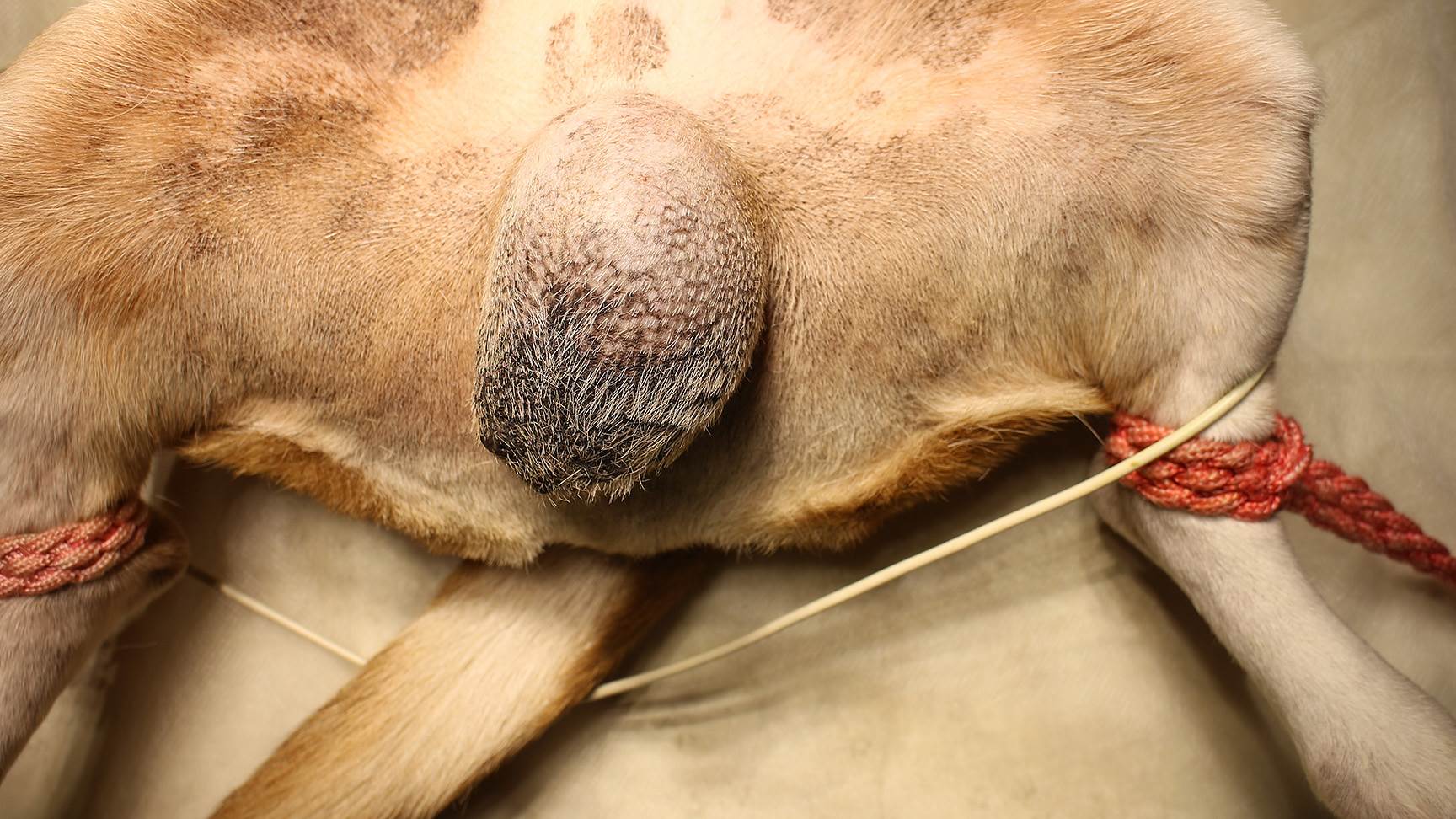
Cryptorchidism in dogs is a common condition affecting male puppies. It occurs when one or both testicles do not move down into the scrotum as they should. This condition can influence a dog’s health and behavior. Understanding cryptorchidism helps pet owners make better care decisions.
What Is Cryptorchidism
Cryptorchidism means one or both testicles stay inside the abdomen or groin. Normally, testicles move to the scrotum before birth or shortly after. If this does not happen, the dog is called cryptorchid. It is also known as undescended testicles. This condition can cause problems like infertility and higher cancer risks.
Causes And Genetics
Cryptorchidism often has a genetic cause. It can run in certain dog breeds or families. Environmental factors may also play a role but are less common. Hormonal problems during puppy development can stop testicles from descending. Understanding causes helps vets decide on treatment options.
Types Of Cryptorchidism
There are two main types of cryptorchidism. One is unilateral, where one testicle is undescended. The other is bilateral, where both testicles are undescended. Unilateral cases may still allow some fertility. Bilateral cases usually cause sterility. Both types need veterinary care to avoid health risks.
Behavioral Impact
Cryptorchidism in dogs can affect their behavior in several ways. This condition means one or both testicles do not descend properly. It may cause changes in how dogs act and feel. Understanding these changes helps owners manage their pets better.
Behavioral impacts vary from dog to dog. Some show clear signs, while others seem normal. Watching your dog closely is important.
Changes In Aggression
Dogs with cryptorchidism may show more aggression. Hormone levels can differ from normal dogs. This can make some dogs more protective or irritable. Aggression might appear during play or around strangers.
Not every cryptorchid dog is aggressive. Training and socialization still play a big role. But owners should be aware of possible changes.
Effect On Mating Behavior
Cryptorchidism can reduce a dog’s interest in mating. Hormone imbalance may lower their drive. Some dogs might not respond to female dogs in heat. Others may show normal mating behavior despite the condition.
Fertility often decreases in cryptorchid dogs. This affects their ability to father puppies. Owners should consider this when planning to breed.
Anxiety And Stress Signs
Dogs with cryptorchidism might feel more anxious or stressed. Discomfort or hormonal changes can cause these feelings. Signs include pacing, whining, or hiding. Some dogs become clingy or restless.
Reducing stress helps improve a dog’s quality of life. Calm environments and gentle care are important. Watching for stress signs can guide owners on when to seek help.
Health Risks
Cryptorchidism in dogs can cause serious health problems. This condition occurs when one or both testicles do not move down into the scrotum. The retained testicle stays inside the body where it is warmer than normal. This can lead to several health risks that affect your dog’s well-being.
Understanding these risks helps you care better for your pet. Early treatment can reduce complications. Below are the main health risks linked to cryptorchidism in dogs.
Testicular Cancer Risk
Dogs with cryptorchidism have a higher chance of testicular cancer. The retained testicle is more likely to develop tumors. This happens because it stays in the warm body, which is not normal. Testicular cancer can spread to other parts of the body. Regular vet check-ups are important to catch problems early.
Hernias And Other Complications
Cryptorchid dogs may also face hernias. A hernia occurs when tissue pushes through a weak spot in the belly wall. This can cause pain and other health issues. Sometimes, the retained testicle can cause twisting or injury. These complications need quick medical attention to avoid serious damage.
Hormonal Imbalances
The abnormal position of the testicle affects hormone levels. Hormones control many body functions, including behavior and growth. Hormonal imbalances can cause aggression or other behavior changes. These changes may confuse dog owners. Treatment can help restore normal hormone balance and improve behavior.

Credit: www.reddit.com
Diagnosis Methods
Diagnosing cryptorchidism in dogs requires careful observation and specific tests. Early diagnosis helps prevent health problems and guides treatment. Vets use different methods to find undescended testicles and understand their impact on dog behavior.
Physical Examination
The vet starts with a physical check of the dog’s scrotum and abdomen. Missing or smaller testicles in the scrotum raise suspicion. The vet may gently feel the groin area to find the hidden testicle. This exam is quick and painless. It provides the first clue about cryptorchidism.
Imaging Techniques
Imaging helps locate the undescended testicle inside the body. Ultrasound is common and safe. It shows the testicle’s position in the abdomen or groin. Sometimes, X-rays or MRI scans are needed for clearer views. These tools guide vets in planning surgery or treatment.
Hormone Testing
Hormone tests measure chemicals related to testicle function. Blood samples check levels of testosterone and other hormones. These tests confirm if testicles are active or missing. Hormone testing supports physical and imaging findings. It helps understand the dog’s reproductive health.
Treatment Options
Treating cryptorchidism in dogs is important for their health and behavior. This condition means one or both testicles have not moved to the normal place. Treatment helps prevent future problems like infections or cancer. It also can improve your dog’s behavior and comfort.
Surgical Removal
Surgery is the most common treatment for cryptorchidism. The vet removes the undescended testicle. This prevents cancer and other health risks. The surgery is done under anesthesia. Recovery is usually quick with proper care. Most dogs feel better soon after surgery.
Hormonal Therapy
Sometimes vets use hormones to help the testicle descend. This treatment is less common and not always effective. Hormones may work if started early. The vet will decide if this option fits your dog. It requires close monitoring during treatment.
Post-treatment Care
After treatment, care is very important. Keep your dog calm and quiet to help healing. Watch the surgery site for swelling or infection. Follow the vet’s advice on medication and activity. Regular check-ups ensure your dog recovers well and stays healthy.
Preventive Measures
Preventing cryptorchidism in dogs requires attention and care. Early action can reduce risks and protect your dog’s health. Understanding key steps helps in managing this condition effectively.
Breeding Considerations
Avoid breeding dogs with cryptorchidism. This condition can be passed to puppies. Choose healthy dogs with no history of undescended testicles. Responsible breeding lowers the chance of cryptorchidism in future litters.
Early Detection Tips
Check puppies’ testicles within the first few weeks. Both testicles should be felt in the scrotum. If one is missing, note it and watch closely. Early detection helps in timely treatment and care.
Regular Veterinary Checkups
Schedule frequent vet visits for young dogs. Vets can confirm if both testicles have descended. They provide advice on care and monitor any changes. Regular checkups keep your dog healthy and safe.
Managing Behavior
Managing behavior in dogs with cryptorchidism requires patience and clear guidance. This condition can affect their actions and mood. Careful management helps reduce stress and unwanted behaviors. Owners must focus on training, environment, and expert advice. These steps support a calm and happy dog.
Training Strategies
Use simple commands and repeat them daily. Consistency helps your dog understand what you expect. Reward good behavior with treats or praise. Avoid punishment; it can cause fear or confusion. Training sessions should be short and fun. Focus on basic obedience like sit, stay, and come. This builds trust and control over your dog.
Environmental Adjustments
Create a quiet, safe space for your dog to relax. Remove things that might cause stress or excitement. Keep toys and bedding clean and comfortable. Set a regular schedule for walks and meals. A calm environment reduces anxiety and unwanted behaviors. Limit exposure to loud noises or busy places. This helps your dog feel secure and calm.
Professional Help
Seek advice from a veterinarian or animal behaviorist. They can offer tailored solutions for your dog’s needs. Regular health checks ensure the condition does not worsen. Professionals may suggest special training or medication. Early intervention improves your dog’s quality of life. Don’t hesitate to ask for support and guidance.
Credit: www.petsxl.com
Frequently Asked Questions
What Is Cryptorchidism In Dogs?
Cryptorchidism is a condition where one or both testicles fail to descend into the scrotum. It is common in some dog breeds. This can affect hormone levels and behavior. Early diagnosis helps manage health and behavioral issues effectively.
How Does Cryptorchidism Affect Dog Behavior?
Dogs with cryptorchidism may show increased aggression or anxiety. Hormonal imbalances can alter their typical behavior. Some dogs might be less social or more territorial. Proper veterinary care can help manage these behavioral changes.
Can Cryptorchidism Cause Health Problems In Dogs?
Yes, cryptorchidism increases risks of testicular cancer and infections. Undescended testicles are prone to torsion and infertility. Early surgical removal is often recommended to prevent complications. Regular vet check-ups ensure early detection and treatment.
Should Cryptorchid Dogs Be Neutered?
Neutering cryptorchid dogs is advised to prevent health risks. Surgery removes undescended testicles, reducing cancer chances. It also helps control unwanted behaviors linked to hormones. Consult your vet for the best timing and care.
Conclusion
Cryptorchidism can affect a dog’s behavior and health. Early care helps prevent serious problems later. Watch your dog closely for any unusual signs. Regular vet visits keep your pet safe and happy. Understanding this condition helps you support your dog better.
Every dog deserves a comfortable and healthy life. Stay informed and act with care. Your attention makes a big difference in your dog’s well-being.


