

Are you curious about adding nutritional yeast to your dog’s or cat’s diet but unsure if it’s safe? You want the best for your furry friend, and feeding them the right foods is a big part of that.
Nutritional yeast is popular among pet owners for its health benefits, but is it really good for your pets? Keep reading to discover the truth about nutritional yeast, how it affects your dog or cat, and what you need to know before giving it to them.
This could change the way you think about your pet’s nutrition.

Credit: www.petfoodprocessing.net
Nutritional Yeast Basics
Nutritional yeast is a popular supplement for humans. It has a nutty, cheesy flavor. Many pet owners wonder if it is safe for dogs and cats. Understanding its basics helps decide if it suits your pet’s diet.
This section explains what nutritional yeast is and its key nutrients. Knowing these facts guides safe use for pets.
What Is Nutritional Yeast
Nutritional yeast is a type of inactive yeast. It is grown on sugar-rich mediums like molasses. After harvesting, it is heated to stop fermentation. This process makes it safe and non-toxic for consumption.
It comes as flakes or powder. Used mostly as a food seasoning or supplement. It contains no live yeast, so it won’t cause infections in pets.
Nutritional Profile
Nutritional yeast is rich in B vitamins. It includes B1, B2, B3, B6, and sometimes B12. It also has protein and fiber. These nutrients support energy and digestion.
It contains minerals like zinc, selenium, and magnesium. These help the immune system and overall health. Nutritional yeast is low in fat and sodium. It provides flavor without adding unhealthy ingredients.
Benefits For Dogs
Nutritional yeast offers several benefits for dogs. It provides important nutrients that support their overall health. Many pet owners find it helpful for boosting immunity and improving skin condition. It is a natural supplement that fits well into a balanced diet.
Boosting Immune Health
Nutritional yeast contains beta-glucans, which help strengthen the immune system. These compounds support the body in fighting infections and illnesses. A stronger immune system means your dog stays healthier longer. This yeast also has antioxidants that protect cells from damage. Regular use may reduce the risk of some diseases.
Improving Skin And Coat
Nutritional yeast is rich in B vitamins, especially biotin. These vitamins promote healthy skin and a shiny coat. Dogs with dull fur or dry skin often show improvement after eating it. It helps reduce itchiness and flakiness too. Many dog owners notice their pet’s coat becomes softer and thicker.
Benefits For Cats
Nutritional yeast can offer several benefits for cats. It contains important vitamins and nutrients that support overall health. Many cat owners find it helpful as a supplement to their pet’s diet. Below are some key benefits that nutritional yeast provides to cats.
Supporting Digestive Health
Nutritional yeast is rich in fiber, which helps improve digestion. It supports healthy gut bacteria and reduces tummy issues. Cats with sensitive stomachs may find relief with small amounts of yeast. The natural nutrients in yeast help maintain a balanced digestive system.
Enhancing Palatability
The savory, cheesy flavor of nutritional yeast makes food tastier for cats. It can encourage picky eaters to consume their meals. Sprinkling a little yeast on wet or dry food adds flavor without harmful additives. This simple addition can improve appetite and mealtime enjoyment.
Potential Risks
Nutritional yeast may seem safe for pets, but it carries some risks. Understanding these risks helps protect your dog or cat from harm. Pets can react differently to new foods or supplements. Watch closely for any signs of trouble after giving nutritional yeast.
Allergic Reactions
Allergic reactions are possible with nutritional yeast. Some dogs and cats may develop itching, redness, or swelling. Digestive upset like vomiting or diarrhea can also occur. Severe allergies might cause difficulty breathing or swelling of the face. Stop use immediately if any allergic symptoms appear. Consult a vet for proper care and advice.
Overconsumption Concerns
Too much nutritional yeast can cause problems. High intake may lead to digestive issues like gas and bloating. Some pets might experience headaches or restlessness. Excessive use can upset the balance of vitamins and minerals. Always follow recommended amounts to avoid these effects. Keep yeast treats small and infrequent to stay safe.
Safe Usage Tips
Using nutritional yeast for dogs and cats can offer health benefits. It supports skin, coat, and immune health. Safe use is important to avoid any side effects. Follow clear guidelines to keep your pets healthy and happy.
Recommended Dosages
Start with small amounts of nutritional yeast. For dogs, give about half a teaspoon per 10 pounds of weight daily. Cats need much less, usually a pinch or less. Watch your pet for any reactions. Increase the amount slowly if there are no problems.
Do not exceed the recommended dose. Too much can cause digestive upset like gas or diarrhea. Always use the lowest effective amount. Consult your veterinarian before starting any new supplement.
Choosing The Right Product
Select nutritional yeast made specifically for pets or human-grade products. Avoid formulas with added flavors, preservatives, or salt. Pure nutritional yeast powder is best. It contains vitamins and minerals without harmful additives.
Check the label for B vitamins and no artificial ingredients. Organic options may be safer and healthier. Store the product in a cool, dry place to keep it fresh. Use within the expiration date for best quality.

Credit: www.amazon.com
When To Avoid Nutritional Yeast
Nutritional yeast can be helpful for many dogs and cats. Yet, it is not right for every pet. Some pets may have health issues that make nutritional yeast unsafe. Knowing when to avoid it keeps your pet safe and healthy.
Pets with certain health problems should not have nutritional yeast. Also, watch for any bad reactions after giving it. Careful observation helps catch problems early.
Health Conditions To Watch
Pets with yeast infections should avoid nutritional yeast. It may make infections worse. Animals with allergies to yeast or fungi must skip it too. Pets with kidney or liver problems need caution. Nutritional yeast can add strain to these organs. Talk to your vet before adding it to your pet’s diet.
Signs Of Adverse Effects
Look for itching or redness on your pet’s skin. Digestive upset like vomiting or diarrhea can happen. Pets may show swelling around the face or paws. Changes in behavior, such as lethargy or restlessness, are warning signs. Stop feeding nutritional yeast if any of these appear. Seek veterinary care to keep your pet safe.
Veterinarian Perspectives
Veterinarians play a key role in guiding pet owners on safe diets. Their views on nutritional yeast for dogs and cats vary. Some see benefits, while others advise caution. Understanding their perspectives helps make informed choices for pets.
Expert Opinions
Many vets recognize nutritional yeast as rich in B vitamins. These vitamins support skin, coat, and energy levels in pets. Some vets recommend small amounts as a supplement. They warn against large doses that may cause digestive upset. Pets with allergies or sensitivities need careful evaluation. Vets stress that nutritional yeast should not replace balanced pet food.
Alternative Supplements
Veterinarians suggest other supplements for similar benefits. Fish oil provides omega-3 fatty acids for skin health. Probiotics improve gut health and digestion. Multivitamins ensure pets get essential nutrients safely. These alternatives have more research backing their safety. Always consult a vet before adding supplements to pet diets.
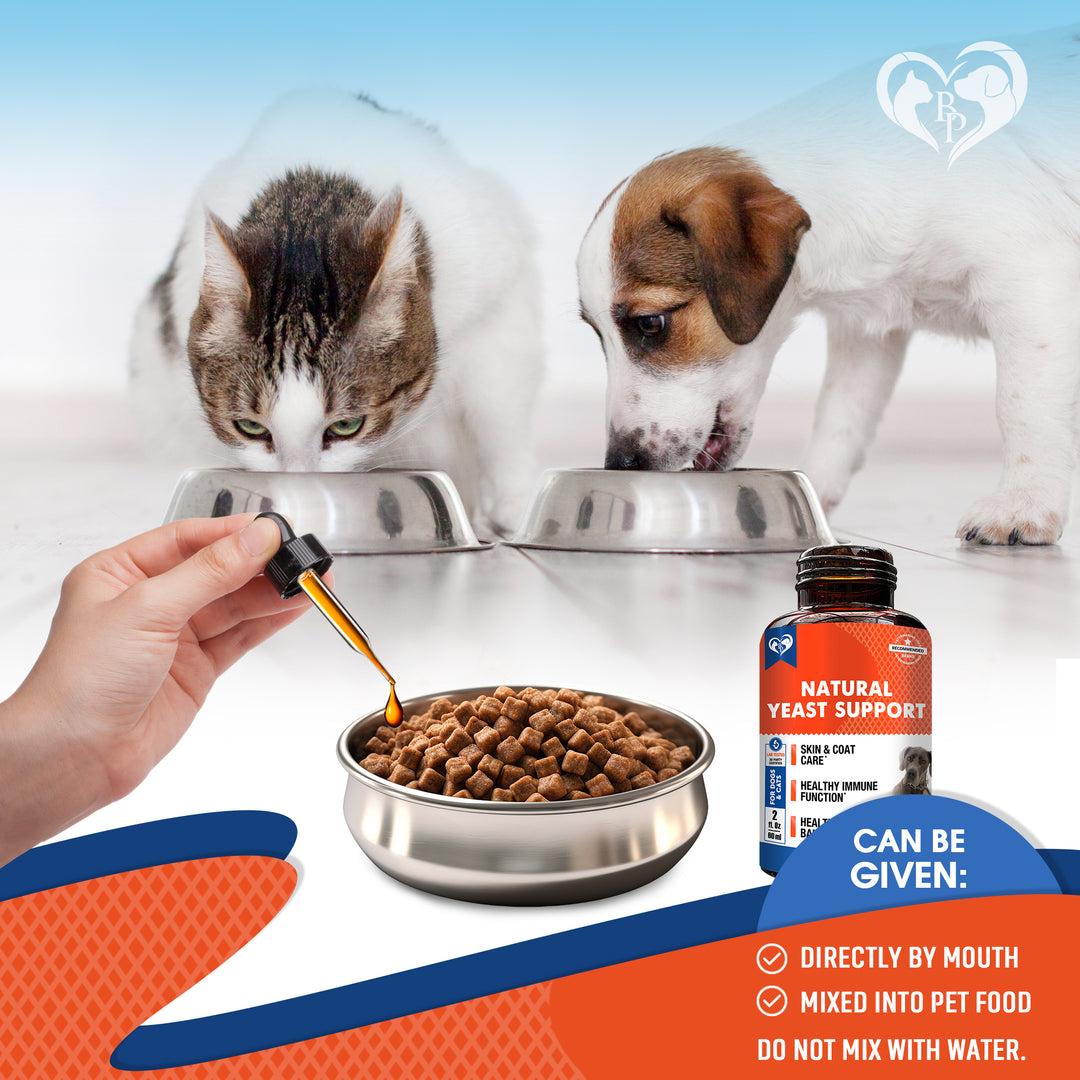
Credit: belovedpets.com
Frequently Asked Questions
Can Dogs Safely Eat Nutritional Yeast?
Yes, dogs can safely eat nutritional yeast in small amounts. It is rich in B vitamins and supports skin and coat health. Always introduce it gradually and consult your vet to avoid allergies or digestive issues.
Is Nutritional Yeast Safe For Cats?
Nutritional yeast is generally safe for cats in moderation. It provides essential nutrients and can enhance flavor. However, cats are obligate carnivores, so yeast should not replace their main diet. Always check with your vet before adding supplements.
What Are The Benefits Of Nutritional Yeast For Pets?
Nutritional yeast boosts immune health, improves digestion, and promotes shiny coats in dogs and cats. It contains antioxidants and B vitamins. These benefits support overall wellness when used appropriately as a supplement.
How Much Nutritional Yeast Can Pets Consume?
Start with a small pinch for pets, about 1/4 teaspoon daily. Monitor for any adverse reactions. Overfeeding can cause digestive upset. Always follow your veterinarian’s dosage recommendations based on your pet’s size and health.
Conclusion
Nutritional yeast can be safe for dogs and cats in small amounts. It offers vitamins and nutrients that may help their health. Always introduce it slowly and watch for any reactions. Avoid giving too much to prevent stomach problems. Check with your vet before adding it to their diet.
Keep their meals balanced and healthy. Nutritional yeast is a small treat, not a main food. Careful use can support your pet’s well-being. Simple steps help keep your pets happy and safe.


