

Are you wondering if it’s okay to feed your adult dog puppy food? You might think puppy food is just for little pups, but the truth isn’t always that simple.
What you feed your dog affects their health, energy, and happiness every day. If you want to make the best choice for your furry friend, keep reading. This guide will help you understand the risks and benefits, so you can keep your dog healthy and thriving.
Don’t miss out on what your dog really needs!
Puppy Food Vs Adult Dog Food
Puppy food and adult dog food serve different purposes for your dog’s health. Puppies need extra nutrients to grow strong and healthy. Adult dogs require balanced nutrition to maintain their energy and body condition. Feeding the right food at the right age supports your dog’s well-being.
Nutritional Differences
Puppy food has more protein and fat than adult dog food. These nutrients help build muscles and support brain growth. Adult dog food has fewer calories and less fat to prevent weight gain. It focuses on maintaining health rather than growth.
Calorie Content
Puppy food contains higher calories per serving. Puppies burn more energy as they grow and play. Adult dog food has lower calories because adult dogs are less active. Too many calories for adults can cause obesity and health problems.
Ingredient Variations
Puppy food often includes DHA, an important fatty acid for brain development. It also has vitamins and minerals suited for growing bones and teeth. Adult dog food ingredients support joint health and a strong immune system. The formulas match the needs of each life stage.
Benefits Of Feeding Puppy Food To Adult Dogs
Feeding puppy food to adult dogs may seem unusual. Yet, it offers several benefits that many pet owners do not know. Puppy food is rich in nutrients that can help adult dogs in different ways. It supports their health and activity levels better than regular adult dog food.
Adult dogs with high energy needs or certain health conditions may benefit from the extra nutrition in puppy food. This section explains the main benefits of feeding puppy food to adult dogs.
Higher Energy Levels
Puppy food contains more calories and protein than adult dog food. This helps adult dogs stay active and energetic. Dogs that exercise a lot or have busy days need extra energy. Puppy food can meet these needs better than regular food.
Improved Coat And Skin
Puppy food has more fats and essential nutrients for healthy skin and shiny coats. Adult dogs eating puppy food often show better fur quality. Their skin stays soft and less dry. This food helps keep dogs looking healthy and feeling comfortable.
Support For Active Dogs
Active dogs need more nutrients to repair muscles and stay strong. Puppy food provides extra vitamins and minerals. These help dogs recover faster after play or exercise. Feeding puppy food can support adult dogs with active lifestyles well.
Risks Of Feeding Puppy Food To Adult Dogs
Feeding puppy food to adult dogs can cause several health problems. Puppy food has more calories and nutrients meant for growing dogs. Adult dogs do not need as much energy or certain nutrients. Giving them puppy food regularly may lead to risks that affect their health.
Weight Gain And Obesity
Puppy food contains extra calories for growth. Adult dogs eating this food can gain weight fast. Too much weight stresses their joints and heart. Obesity also lowers their energy and causes other health issues.
Digestive Issues
Adult dogs have different digestion than puppies. Puppy food can be rich and heavy for them. This may cause stomach upset, diarrhea, or constipation. Their digestive system may struggle to process the extra fat and protein.
Nutrient Imbalance
Puppy food has more calcium, protein, and fat. Adult dogs need balanced nutrients, not excess. Too much calcium can harm their bones and kidneys. Imbalanced nutrients may weaken their immune system and overall health.
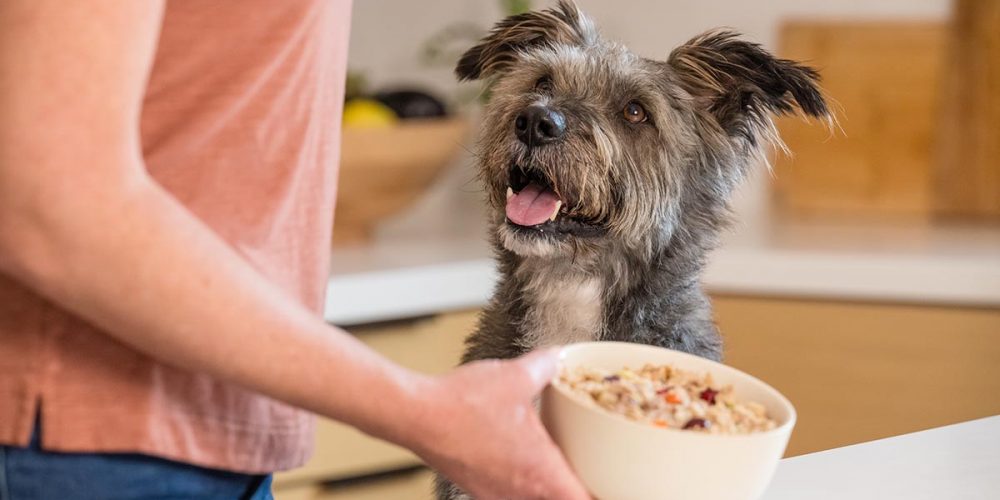
Credit: blog.justfoodfordogs.com
When Puppy Food Might Be Suitable
Puppy food is specially made to support growth and energy needs. It has more calories, protein, and nutrients than adult dog food. Feeding adult dogs puppy food is not common, but some situations call for it. Certain dogs might benefit from the extra nutrition found in puppy food for a time.
Senior Dogs With Specific Needs
Some older dogs face muscle loss or weight issues. Puppy food can help provide extra protein and calories. It supports muscle maintenance and overall strength. This food might suit seniors with health problems or low appetite. Always check with a vet before changing diets.
Dogs In Recovery Or Growth Phases
Dogs recovering from illness or surgery need more nutrients. Puppy food offers extra energy and vitamins for healing. Puppies growing quickly also need this rich nutrition. Feeding adult dogs puppy food during recovery helps rebuild health faster.
High-activity Or Working Dogs
Working dogs burn a lot of energy every day. Puppy food can supply the calories and protein needed. It supports stamina and muscle repair after hard work. Active dogs may need this diet to keep energy levels high and stay strong.
Alternatives To Puppy Food For Adult Dogs
Adult dogs have different nutritional needs than puppies. Feeding them puppy food long-term can cause weight gain and nutrient imbalances. Many options exist to meet adult dogs’ health and energy needs. Choosing the right food helps your dog stay healthy and active.
Several alternatives to puppy food provide balanced nutrition for adult dogs. These options cater to different health needs and life stages.
Adult Dog Formulas
Adult dog formulas are made for dogs over one year old. These foods have the right balance of protein, fat, and calories. They support healthy weight and muscle maintenance. Most pet stores offer many adult dog food brands and types.
Specialized Diets
Some adult dogs need special diets for health issues. These diets may help with allergies, digestion, or joint health. Prescription foods from veterinarians are made to address specific problems. Special diets improve quality of life for dogs with medical needs.
Consulting A Veterinarian
A vet can recommend the best food for your dog. They consider age, weight, breed, and health conditions. Getting professional advice ensures your dog gets proper nutrition. Regular check-ups help adjust the diet as your dog ages.
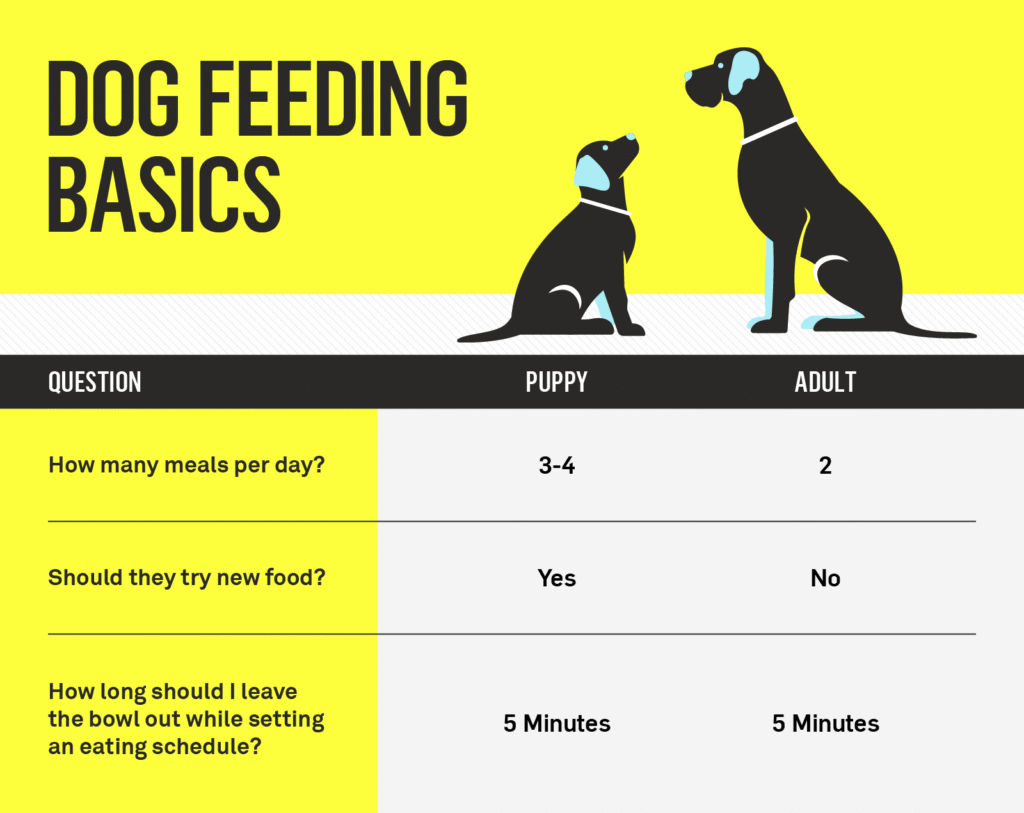
Credit: www.gallant.com
Tips For Transitioning Dog Food
Changing your dog’s food needs care and patience. Sudden changes can upset their stomach. Follow these tips to make the switch easy and safe. This helps your dog accept the new food without issues.
Gradual Introduction
Start by mixing a small amount of new food with their current food. Increase the new food slowly over 7 to 10 days. This helps your dog’s stomach adjust. Watch for any signs of discomfort or refusal.
Monitoring Health And Behavior
Check your dog’s energy, stool, and appetite daily. Changes in behavior or digestion may mean the new food is not right. Keep a close eye on any vomiting or diarrhea. Contact your vet if problems continue.
Adjusting Portions
Adjust food amounts based on your dog’s size and activity. Puppy food may have more calories, so measure carefully. Avoid overfeeding to prevent weight gain. Follow feeding guidelines on the packaging and watch your dog’s weight.
:strip_icc()/Puppy-food-feeding-schedule-2804779-a35fb27f23bd427cbea6ed24236fee22.jpg)
Credit: www.thesprucepets.com
Frequently Asked Questions
Can Adult Dogs Eat Puppy Food Safely?
Adult dogs can eat puppy food occasionally, but it’s not ideal long-term. Puppy food is richer in calories and nutrients, which may cause weight gain and digestive issues in adults. It’s best to feed adult dogs food formulated for their age and activity level.
What Happens If An Adult Dog Eats Puppy Food?
If an adult dog eats puppy food, it might gain weight due to excess calories. It could also face digestive upset like diarrhea or vomiting. Long-term feeding of puppy food to adults can lead to nutritional imbalances and health problems.
Is Puppy Food Better For All Dog Breeds?
Puppy food is designed for growing dogs, not specific breeds. Large breeds require special puppy formulas, but adult dogs of any breed should eat food suited to their age. Feeding puppy food to adult dogs of any breed is not recommended for optimal health.
How Long Can An Adult Dog Eat Puppy Food?
Adults should only eat puppy food for a short transition period if necessary. Prolonged feeding can cause obesity and nutrient excess. It’s best to switch adult dogs to adult-formulated food after puppyhood for balanced nutrition.
Conclusion
Feeding an adult dog puppy food is not usually the best choice. Puppy food has more calories and nutrients meant for growing dogs. Adult dogs need a balanced diet to stay healthy and active. Too many extra nutrients can cause weight gain or health issues.
Always check your dog’s needs and talk to a vet before changing food. Proper nutrition helps your dog live a long, happy life. Choose food that fits your dog’s age and health for the best care.


