

Are you wondering when to start feeding your dog adult food? Making the switch at the right time is crucial for your dog’s health and happiness.
Feed them too early, and they might miss out on important nutrients. Wait too long, and they could gain unwanted weight or feel uncomfortable. You’ll discover the signs to watch for and the best time to make this important change.
Keep reading to ensure your furry friend gets the nutrition they need exactly when they need it.
:strip_icc()/best-dog-food-brands-4843452-288291ec7574447fa5bcb360f5ea6918.jpg)
Credit: kamat.com
Signs Your Dog Is Ready
Knowing when to start adult dog food is key for your dog’s health. Dogs change as they grow. Their needs and habits shift too. Watch for signs showing your dog is ready for adult food. These signs help make a smooth switch.
Age Milestones
Puppies usually start adult food around 12 months old. Large breeds may need longer, up to 18 or 24 months. Size affects growth speed. Check your dog’s breed guidelines for exact timing.
Switching too early or late can cause problems. Follow age milestones closely to keep your dog healthy and happy.
Behavioral Changes
Watch your dog’s behavior for clues. Puppies become less hyper and more calm as they grow. They may also eat less frequently. Changes in energy or appetite can mean readiness for adult food.
Notice if your dog finishes puppy food quickly or shows less excitement. These signs often mean they are growing out of puppy food needs.
Nutritional Needs
Adult dogs need different nutrients than puppies. They require fewer calories but more balanced vitamins. Adult dog food supports maintenance, not growth. Check if your dog’s diet matches their current stage.
Consult your vet to ensure the food meets your dog’s needs. Proper nutrition keeps your dog strong and active at every age.

Credit: www.kinship.com
Differences Between Puppy And Adult Food
Choosing the right food for your dog is important for their health and growth. Puppy food and adult dog food are different in many ways. Knowing these differences helps you feed your dog properly as they grow. This section explains the main differences between puppy and adult dog food.
Nutrient Composition
Puppy food has more protein and fat. Puppies need these nutrients to build muscles and grow strong bones. Adult dog food has balanced nutrients to maintain health. It focuses on keeping your dog fit, not growing.
Caloric Requirements
Puppies need more calories per pound than adult dogs. Their energy levels are higher because they are active and growing. Adult dogs need fewer calories to avoid weight gain. Feeding the right amount helps keep your dog healthy.
Ingredient Variations
Puppy food often has added vitamins and minerals. These support brain development and immune health. Adult dog food uses ingredients that aid digestion and joint health. The ingredient list changes to suit the dog’s age and needs.
Choosing The Right Time To Switch
Choosing the right time to switch your dog to adult food is important. It helps your dog stay healthy and get the nutrients needed for their stage of life. Different dogs grow and change at different rates. This means the best time to switch varies by breed, size, and health. Understanding these factors can guide you to make the best choice for your dog.
Breed Considerations
Small breeds mature faster than large breeds. They may need adult food as early as 9 to 12 months old. Large breeds grow slower and need puppy food longer. Usually, they switch at 12 to 18 months. Breed traits affect energy needs and digestion. Knowing your dog’s breed helps pick the right food time.
Size And Weight Factors
Weight plays a big role in switching dog food. Small dogs reach adult size quicker. Medium and large dogs take more time. Overweight dogs may need special diets. Switching too early can cause weight gain. Watch your dog’s weight and growth to decide.
Health Status
Health problems affect diet needs and timing. Dogs with allergies or sensitive stomachs need careful food changes. Some dogs need special adult formulas. Talk to your vet before switching. Health checks ensure your dog stays safe and strong.
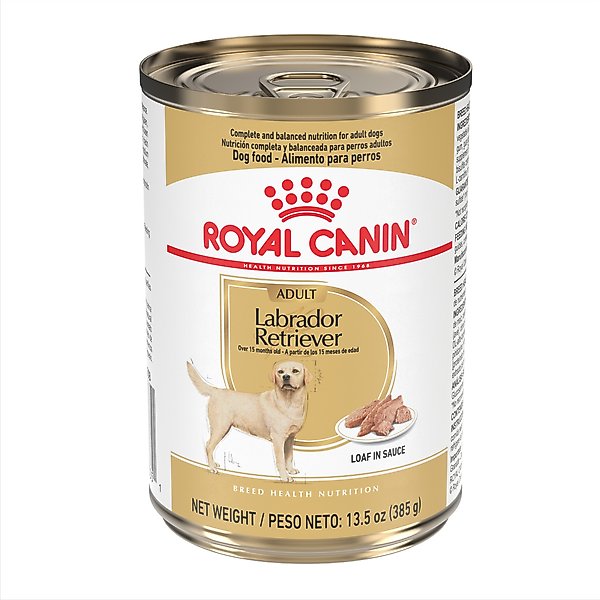
Credit: www.chewy.com
How To Transition Safely
Changing your dog’s food needs care to avoid stomach problems. A safe transition helps your dog accept the new food smoothly. It also protects their digestion and keeps them healthy. Follow simple steps to make this change easy and stress-free.
Gradual Food Introduction
Start by mixing a small amount of new food with the old. Increase the new food slowly over 7 to 10 days. This method helps your dog’s stomach adjust. Sudden changes can cause upset or diarrhea.
Monitoring Digestive Health
Watch your dog’s stool and energy levels during the change. Loose stools or vomiting mean the change is too fast. Your dog may also lose interest in eating. Pause or slow down the transition if signs appear.
Adjusting Portion Sizes
Check the feeding guidelines on the dog food package. Adjust portions based on your dog’s weight and activity. Avoid overfeeding to prevent weight gain. Smaller, frequent meals can help dogs adapt better.
Common Mistakes To Avoid
Changing your dog’s food to adult formula is important but tricky. Many dog owners make mistakes that affect their pet’s health. Knowing what to avoid helps your dog adjust smoothly to new food. Here are common errors to watch out for during the switch.
Switching Too Early Or Late
Changing dog food too early may cause digestion problems. Puppies need special nutrients for growth. Adult food lacks these nutrients. Switching too late means your dog misses out on proper adult nutrition. Watch your dog’s age and growth signs carefully. Follow breed-specific guidelines for the best timing.
Abrupt Diet Changes
Sudden food changes upset your dog’s stomach. It can cause vomiting, diarrhea, or loss of appetite. Always switch gradually over 7 to 10 days. Mix small amounts of new food with the old. Slowly increase the new food portion. This helps your dog’s digestive system adjust well.
Ignoring Veterinary Advice
Veterinarians provide valuable guidance on diet changes. Ignoring their advice may harm your dog’s health. Some dogs have special dietary needs or allergies. Consult your vet before switching to adult dog food. Follow their recommendations for a safe, healthy transition.
Veterinarian Recommendations
Veterinarians play a key role in guiding dog owners about adult dog food. Their advice helps ensure dogs get the right nutrition at the right time. They consider each dog’s health, age, and lifestyle before making feeding recommendations.
Regular Check-ups
Regular vet visits help track your dog’s health closely. These check-ups show if your dog is ready for adult food. Vets check weight, coat condition, and energy levels. They spot early signs of health issues that affect diet.
Customized Feeding Plans
Every dog is unique, so feeding plans must be too. Vets create diets based on your dog’s needs. This includes breed, size, and activity level. A good plan supports healthy growth and maintains weight.
Supplement Considerations
Sometimes adult dogs need extra nutrients in their food. Vets suggest supplements like vitamins or joint support. These help keep dogs active and healthy. Supplements depend on your dog’s health and age.
Frequently Asked Questions
When Should I Switch My Puppy To Adult Dog Food?
Switch to adult dog food when your dog reaches maturity. For small breeds, it’s around 12 months; larger breeds may take up to 18-24 months. Consult your vet for precise timing based on your dog’s breed and growth.
Why Is The Timing Important For Adult Dog Food?
Proper timing ensures your dog gets the right nutrients for its life stage. Feeding adult food too early can cause deficiencies, while switching too late may lead to obesity or digestive issues.
How To Tell If My Dog Is Ready For Adult Food?
Look for signs like full adult teeth, stable weight, and slowed growth. Your vet can confirm readiness by assessing your dog’s overall health and development.
Can I Mix Puppy And Adult Food During Transition?
Yes, gradually mix adult food with puppy food over 7-10 days. This helps your dog’s digestive system adjust smoothly without causing upset stomach or refusal to eat.
Conclusion
Choosing the right time to start adult dog food matters a lot. Watch your dog’s growth and energy levels closely. When your dog reaches one year, consider switching foods. This helps keep your dog healthy and active. Always check with your vet before making changes.
A smooth transition avoids stomach upset. Remember, good nutrition supports a happy, long life for your dog. Keep an eye on your dog’s needs and adjust as they grow. Your care makes all the difference.


