
If you have a 1-year-old dog, you’re probably wondering if it’s okay to switch them to adult dog food. You want to give your furry friend the best nutrition, but making the wrong choice can affect their health and energy.
What’s the right time to make this change? And how do you know which food suits them best? Keep reading to find out everything you need to know about feeding your dog adult food at this important age. Your pet’s health depends on it!
Credit: blog.justfoodfordogs.com
Dog Food Stages
Dogs need different nutrition at different life stages. Their bodies change as they grow. Feeding the right food helps them stay healthy and strong. Knowing about dog food stages guides you to pick the best food for your dog’s age.
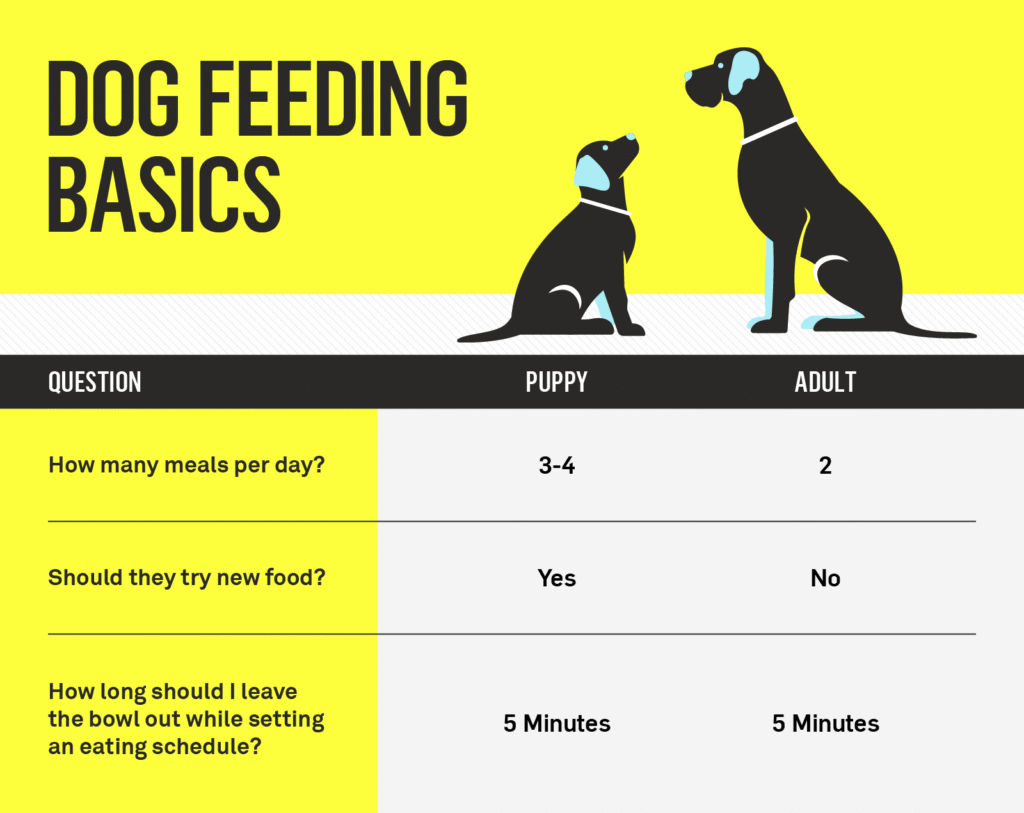
Puppy Food Basics
Puppies need extra nutrients for growth. Puppy food has more protein and fat. It supports strong bones and muscles. The food is easy to digest and small in size. Puppies eat more often to keep up their energy.
Adult Food Features
Adult dog food has balanced nutrition. It keeps dogs active and fit. The protein level is lower than puppy food. It helps maintain a healthy weight. Adult food supports good digestion and shiny coats.
Senior Dog Diets
Older dogs have slower metabolism. Senior dog food has fewer calories. It includes ingredients that support joints. The food helps keep the dog’s immune system strong. Fiber in the diet aids digestion and health.
When To Switch Foods
Knowing when to switch your dog from puppy to adult food is important. The right timing helps keep your dog healthy and happy. Switching too early or too late can cause health problems or poor nutrition. Watch your dog closely to find the best moment to change their diet.
Signs Your Dog Is Ready
One clear sign is your dog’s size and weight stabilizing. Puppies grow fast, but growth slows around one year old. Your dog may also show less energy than before. Their coat might look shinier and their appetite can change. These signs show your dog’s body is ready for adult food.
Age Vs. Size Considerations
Age is a good guide, but size matters more. Small breeds mature faster and may switch food before one year. Large breeds grow longer and need puppy food past one year. Large dogs need food that supports joint health and slower growth. Check breed-specific advice to choose the right time.
Consulting Your Vet
Your vet knows your dog’s health best. They can suggest the best time to change food. Discuss your dog’s weight, activity, and breed with the vet. The vet may recommend special diets for health issues. Regular check-ups help keep your dog’s diet on track.
Nutritional Needs At One Year
At one year old, a dog’s diet needs to support growth and daily activity. Their body is almost fully grown but still needs good nutrition. This stage is important for building strong muscles and healthy bones. The food should match their changing energy and nutrient needs.
Choosing the right food helps keep your dog healthy and active. Understanding these needs makes feeding easier and safer.
Energy Requirements
One-year-old dogs need less energy than puppies. Their growth slows down. They need enough calories to stay active without gaining too much weight. Overfeeding can cause obesity. Feeding adult dog food usually matches their energy needs better than puppy food.
Protein And Fat Levels
Protein supports muscle maintenance and repair. At one year, dogs still need good protein but not as much as when they were puppies. Fat provides energy and helps absorb vitamins. Adult food contains balanced protein and fat levels for this age. It supports health without overloading the body.
Vitamins And Minerals
Vitamins and minerals keep the immune system strong. Calcium and phosphorus support bone health. Adult dog food adjusts these minerals to avoid excess. Too much calcium can harm adult dogs. Balanced vitamins help keep your dog’s skin and coat healthy at this stage.
Credit: www.chewy.com
Risks Of Early Switching
Switching a 1-year-old dog to adult food too soon can cause problems. Puppies and adult dogs have different nutritional needs. Changing their diet early can affect their health in several ways.
Digestive Issues
Puppy food is softer and easier to digest. Adult food may be harder on a young dog’s stomach. This can cause vomiting, diarrhea, or upset stomach. Sudden changes in diet can make digestion worse. Gradual changes help avoid these problems.
Nutrient Deficiencies
Puppies need more protein, fat, and vitamins for growth. Adult food may lack these important nutrients. Early switching can slow growth and weaken bones. It can also harm the immune system. Balanced nutrition is key for a healthy dog.
Behavioral Changes
Food affects a dog’s mood and energy. Poor diet may lead to low energy or irritability. Some dogs may lose interest in food. Changes in behavior can stress both dog and owner. Proper diet helps keep dogs happy and active.
Choosing The Right Adult Food
Choosing the right adult food for your 1-year-old dog is very important. The food must meet their energy and health needs. Adult dog food differs from puppy food in nutrients and calorie content. Picking the right kind helps your dog stay healthy and active.
Understanding labels, types of food, and special diets helps you make the best choice for your dog.
Reading Labels
Look for clear ingredient lists on the package. The first ingredients should be real meat or fish. Avoid foods with too many fillers like corn or soy. Check the protein and fat levels to match your dog’s activity. Also, look for added vitamins and minerals. These support overall health and strong bones.
Types Of Adult Dog Food
Dry kibble is popular and easy to store. It helps keep teeth clean and is cost-effective. Wet food has more moisture and can be tastier. Some dogs prefer canned food for its softness. There are also raw and freeze-dried options. Each type has pros and cons. Choose the one your dog enjoys and digests well.
Special Dietary Needs
Some dogs need special diets. Dogs with allergies may need limited ingredient food. Older dogs might need less fat and more fiber. Active dogs may need higher protein and calories. Talk to your vet about your dog’s special health needs. This helps you pick food that supports their well-being.
Transitioning To Adult Food
Transitioning your dog from puppy food to adult food is an important step. This change supports their growth and health as they mature. It requires patience and care to avoid stomach problems. A smooth transition helps your dog adjust well to new nutrients and tastes.
Gradual Food Changes
Start by mixing a small amount of adult food with puppy food. Slowly increase the adult food portion over 7 to 10 days. This gentle change helps your dog’s stomach get used to the new diet. Sudden changes can cause upset stomach or diarrhea. Keep the mix ratio steady and watch how your dog eats.
Monitoring Your Dog’s Response
Watch your dog closely during the transition. Notice their energy levels and stool quality. Good digestion means the new food suits them well. If your dog shows signs of discomfort, slow down the switch. Consult your vet if problems continue. Your dog’s comfort is key to a successful diet change.
Adjusting Portions
Adult dogs need different amounts of food than puppies. Check the feeding guidelines on the adult food package. Adjust portions based on your dog’s weight and activity level. Avoid overfeeding to prevent weight gain. Keep portions consistent and feed at regular times. This helps maintain a healthy weight and good digestion.
Homemade Vs. Commercial Food
Choosing the right food for a 1-year-old dog can be tricky. Owners often debate between homemade and commercial dog food. Each option has unique benefits and drawbacks. Understanding these can help make the best choice for your dog’s health and happiness.
Homemade food allows control over ingredients and freshness. Commercial food offers convenience and balanced nutrition. Both have roles in feeding your growing dog.
Pros And Cons
Homemade food lets you customize meals to your dog’s tastes and needs. It often uses fresh, natural ingredients without preservatives. The downside is it can take time and effort to prepare. Nutritional balance is hard to achieve without expert advice.
Commercial food is quick and easy to serve. It provides consistent nutrition with vitamins and minerals. Some brands use fillers or low-quality ingredients. Always check the label for quality and nutrients.
Balanced Homemade Recipes
Balanced recipes include protein, carbohydrates, fats, vitamins, and minerals. Common proteins are chicken, beef, or fish. Vegetables like carrots and peas add fiber and vitamins. Rice or potatoes provide energy through carbohydrates. Supplements may be needed to cover all nutrients.
Consult a vet or pet nutritionist to create balanced meals. Avoid feeding only meat or just vegetables. Variety keeps your dog healthy and happy.
Safety Tips
Always use fresh ingredients and clean utensils. Cook meats thoroughly to avoid bacteria. Avoid toxic foods like onions, garlic, and chocolate. Store homemade food in the fridge and use within two days.
Monitor your dog for any allergies or digestion problems. Change recipes slowly to prevent stomach upset. Keep regular vet check-ups to ensure your dog’s diet is working well.
Common Feeding Mistakes
Feeding a 1-year-old dog adult food requires care. Many pet owners make simple mistakes that affect their dog’s health. Understanding these common feeding errors helps keep your dog strong and happy.
Overfeeding
Giving too much food is a frequent mistake. Overfeeding leads to weight gain and health problems. Dogs need the right portion size based on their age and activity. Measure food carefully to avoid extra calories.
Ignoring Food Quality
Not all dog food is equal. Some adult foods lack essential nutrients for young dogs. Choosing low-quality food can harm growth and energy. Always pick dog food with balanced ingredients and good protein.
Skipping Vet Advice
Many skip asking the vet about diet changes. Vets know what your dog needs at every stage. Ignoring professional advice can cause nutritional gaps or allergies. Consult your vet before switching to adult food.
Credit: www.gallant.com
Frequently Asked Questions
Can A 1 Year Old Dog Eat Adult Dog Food?
Yes, most dogs can switch to adult food around one year old. This food supports their mature nutritional needs and helps maintain healthy weight and energy.
When Should I Transition My Dog To Adult Food?
Transition your dog to adult food at about 12 months. This timing varies by breed size and growth rate, so consult your vet for best advice.
What Are The Risks Of Feeding Adult Food Too Early?
Feeding adult food too early can cause nutrient imbalances. Puppies need higher protein and calories for growth, so early switch may stunt development.
How To Safely Switch A 1 Year Old To Adult Food?
Switch gradually over 7-10 days by mixing increasing amounts of adult food with puppy food. This prevents digestive upset and helps your dog adjust smoothly.
Conclusion
A one-year-old dog can often start eating adult food. Their growth slows, so they need fewer calories. Choose a good quality adult dog food for health. Watch your dog’s reaction to the new food carefully. Changes in energy or digestion can tell you a lot.
Always keep fresh water available for your dog. Consult a vet if you are unsure about switching foods. Feeding the right food helps your dog stay strong and happy. Remember, every dog is different and needs care.

