

Choosing the right food for your dog isn’t always easy. You want to give your furry friend the best, but with so many options out there, it’s hard to know where to start.
That’s where whole grain dog food comes in. It’s packed with natural nutrients that can boost your dog’s health and energy. If you care about your dog’s well-being and want to make sure they’re getting the right fuel, this guide will help you find the best whole grain dog food.
Keep reading—you and your dog deserve the very best.
Benefits Of Whole Grains For Dogs
Whole grains offer many benefits for dogs. They provide essential nutrients that support overall health. Including whole grains in dog food helps maintain strong muscles and a healthy coat.
Whole grains also support the digestive system and keep energy levels steady throughout the day. Dogs need balanced nutrition, and whole grains contribute to that balance.
Nutritional Value Of Whole Grains
Whole grains contain fiber, vitamins, and minerals. These nutrients support heart health and boost the immune system. They also provide protein, which helps build and repair muscles. Dogs thrive on food that offers a wide range of nutrients.
Improved Digestion And Energy
Fiber in whole grains promotes healthy digestion. It helps regulate bowel movements and prevents constipation. Steady energy release from whole grains keeps dogs active longer. This energy supports playtime, training, and daily activities.
Whole Grains Vs. Refined Grains
Whole grains include the entire grain kernel. Refined grains lose nutrients during processing. Refined grains offer less fiber and fewer vitamins. Choosing whole grains ensures dogs get complete nutrition. Whole grains support better health than refined options.

Credit: www.amazon.com
Key Ingredients In Whole Grain Dog Food
Whole grain dog food offers balanced nutrition for your pet. It contains ingredients that support health and energy. Understanding these key ingredients helps you choose the best food for your dog.
Popular Whole Grains Used
Whole grains provide fiber and essential nutrients. Common grains include brown rice, oats, barley, and quinoa. These grains help with digestion and keep your dog’s energy steady. They also add natural vitamins and minerals.
Protein Sources To Look For
Protein is vital for muscle growth and repair. Good sources include chicken, beef, lamb, and fish. Some foods use eggs or plant proteins like peas and lentils. High-quality protein supports strong muscles and healthy skin.
Essential Vitamins And Minerals
Vitamins and minerals keep your dog healthy and active. Look for foods with vitamin A, D, and E. Minerals like calcium, zinc, and iron are important too. These nutrients help bones, immune system, and overall well-being.
Top Whole Grain Dog Food Brands
Choosing the best whole grain dog food means finding brands that offer quality, nutrition, and taste. Many brands focus on whole grains to support your dog’s digestion and energy. The right brand can make a big difference in your dog’s health and happiness.
Premium Brand Options
Premium brands use high-quality whole grains and natural ingredients. They often include extra vitamins and minerals for better health. These brands are ideal for dogs with sensitive stomachs or special dietary needs. Expect balanced nutrition and carefully sourced ingredients in these options.
Budget-friendly Choices
Budget-friendly brands still provide good nutrition with whole grains. They use common grains like brown rice and oats to keep costs low. These choices suit pet owners who want value without sacrificing health. Many budget options meet basic nutritional standards set by pet food authorities.
Specialized Formulas For Different Needs
Some brands create formulas for puppies, seniors, or active dogs. These foods contain whole grains plus added nutrients for each stage of life. You can find options for weight control, allergies, or digestive support. Specialized formulas help meet your dog’s unique health needs.
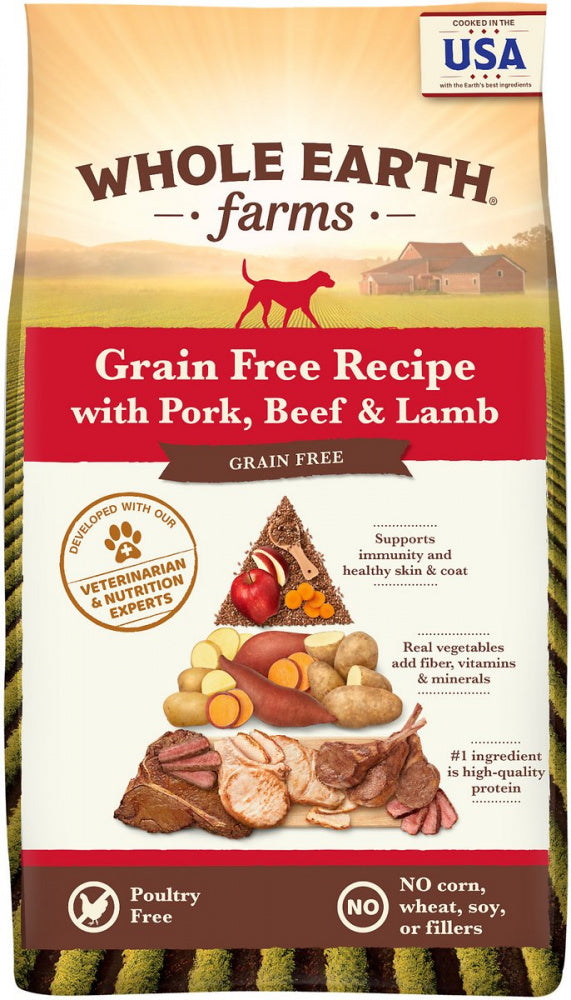
Credit: www.petsense.com
Choosing The Right Whole Grain Food For Your Pup
Choosing the right whole grain food for your pup is important for their health. Whole grains provide energy and fiber. They support digestion and keep your dog active. Picking the best food means thinking about your dog’s needs. Different dogs need different nutrients. Age, size, and health all matter. This guide helps you find the best whole grain food for your furry friend.
Considering Age And Size
Puppies need more protein and calories than adult dogs. Older dogs need food that is easy to digest. Small breeds have faster metabolisms. They burn energy quickly and may need more calories. Large breeds grow slower but need strong bones. Choose whole grain food that matches your dog’s life stage and size.
Allergies And Sensitivities
Some dogs have allergies to certain grains or ingredients. Watch for signs like itching or upset stomach. Foods with simple, natural ingredients can reduce allergy risks. Brown rice and oats are often gentle on sensitive dogs. Avoid foods with artificial additives or fillers. Always check the ingredient list carefully.
Balancing Nutrients
Whole grains provide carbohydrates and fiber. Protein is important for muscle health. Healthy fats keep your dog’s coat shiny. Vitamins and minerals support overall wellness. Look for food with a good balance of these nutrients. A balanced diet helps your pup stay strong and happy.
Tips For Transitioning To Whole Grain Dog Food
Switching your dog to whole grain food needs care and patience. Dogs have sensitive stomachs. Sudden diet changes can cause upset or refusal to eat. Follow simple tips to help your dog adjust smoothly. This section guides you through easy steps to transition your dog’s diet without stress.
Gradual Diet Changes
Start by mixing a small amount of whole grain food with your dog’s current food. Slowly increase the whole grain portion over 7 to 10 days. This slow change helps your dog’s digestive system adapt. Watch your dog’s eating habits during this period. Avoid sudden switches to prevent stomach upset.
Monitoring Your Dog’s Reaction
Observe your dog closely after introducing whole grains. Look for signs like diarrhea, vomiting, or loss of appetite. Mild changes are normal at first. If problems last more than a few days, slow the transition or consult a vet. Keep track of energy levels and mood changes too. Healthy dogs usually show improved digestion and vitality.
Adjusting Portions And Frequency
Adjust food amounts based on your dog’s size and activity. Whole grain foods often have more fiber, which affects fullness. Feed smaller meals more often if needed. This helps digestion and prevents bloating. Monitor your dog’s weight and energy to find the right balance. Consistency in meal times supports better digestion and routine.
Common Myths About Whole Grains In Dog Food
Whole grains in dog food have faced many myths. These myths confuse pet owners about feeding choices. Understanding the facts helps make better decisions for dogs’ health.
Grains Cause Allergies
Many believe grains cause allergies in dogs. True allergies to grains are rare. Most dogs with allergies react to proteins, not grains. Whole grains often provide important nutrients without causing harm.
Grain-free Is Always Better
Grain-free dog food is popular but not always best. Some grain-free diets lack fiber and nutrients found in grains. Whole grains support digestion and overall health. Choosing grain-free without reason may miss out on benefits.
Whole Grains Lead To Weight Gain
Some think whole grains make dogs gain weight. Weight gain depends on total calories, not just grains. Whole grains add fiber, which helps dogs feel full longer. Balanced meals with grains can support healthy weight.

Credit: www.amazon.com
Frequently Asked Questions
What Are The Benefits Of Whole Grain Dog Food?
Whole grain dog food provides essential fiber and nutrients. It supports digestion, maintains healthy weight, and boosts energy. Whole grains also reduce allergy risks and improve coat health. Choosing whole grain options promotes overall well-being and long-term vitality for your dog.
Which Whole Grains Are Best For Dogs?
Brown rice, oats, barley, and quinoa are excellent whole grains for dogs. These grains are nutrient-rich, easily digestible, and safe. They offer fiber, vitamins, and minerals that support digestion and energy levels. Avoid grains with added fillers or artificial ingredients for best results.
Can Whole Grain Dog Food Help With Allergies?
Yes, whole grain dog food can reduce allergies. Many dogs react to fillers or artificial grains. Whole grains have fewer allergens and promote healthy digestion. Switching to whole grain diets often improves skin and coat conditions, reducing allergic reactions and discomfort in sensitive dogs.
Is Whole Grain Dog Food Suitable For All Breeds?
Whole grain dog food suits most breeds and life stages. It provides balanced nutrition and fiber for digestion. However, some dogs with specific grain allergies may need grain-free options. Always consult a vet before switching diets to ensure it meets your dog’s health needs.
Conclusion
Choosing the best whole grain dog food helps your pet stay healthy and strong. Whole grains provide energy and support digestion. They also offer important nutrients for your dog’s well-being. Always check the ingredients to ensure quality and safety. Feeding whole grain food can improve your dog’s coat and overall health.
Remember, a balanced diet is key for a happy dog. Keep your dog active and well-nourished with the right whole grain food. Small changes make a big difference in your pet’s life.


