If you’ve ever struggled with how to correct your dog’s behavior without causing fear or confusion, you’re not alone. Finding the best way to reprimand a dog is key to building trust and encouraging good habits.
You want your furry friend to listen, but also to feel safe and loved. You’ll discover simple, effective techniques that respect your dog’s feelings and help you guide them the right way. Keep reading to learn how to turn discipline into a positive experience for both you and your dog.

Credit: www.wikihow.com
Choosing The Right Moment
Choosing the right moment to reprimand your dog is very important. Correct timing helps your dog understand what behavior is wrong. It makes training more effective and less stressful for both of you.
Timing For Correction
Correct your dog immediately after the bad behavior. Dogs have a short attention span. They may forget what they did wrong if you wait too long. A quick response links the correction to the action clearly. This helps your dog learn faster.
Recognizing Misbehavior
Watch your dog closely to spot bad actions. Common misbehaviors include chewing, barking, or jumping on people. Notice these signs early. This lets you stop the behavior before it gets worse. Early recognition keeps training consistent and clear.

Credit: www.youtube.com
Using Positive Reinforcement
Using positive reinforcement is a kind way to teach your dog right from wrong. It helps your dog learn good behavior without fear or stress. This method builds trust between you and your pet. Dogs respond better when they know what makes you happy.
Positive reinforcement means giving rewards for good actions. It encourages your dog to repeat those actions. Avoid yelling or punishment that can confuse or scare your dog. Instead, focus on what your dog does well.
Rewarding Good Behavior
Give treats or praise when your dog behaves well. This makes your dog feel proud and happy. Use a calm voice to say “good job” or “well done.” Offer small snacks your dog loves. Rewards help your dog understand what you want.
Timing is important. Give the reward right after the good action. This helps your dog connect the behavior with the reward. Consistency is key. Always reward the same behavior to avoid confusion.
Balancing Praise And Correction
Use praise more than correction. Praise teaches your dog what to do. Correction shows what is not allowed but should be gentle. A firm “no” or a quick redirect works better than shouting.
Keep corrections short and calm. Follow with praise when your dog tries to do better. This balance helps your dog learn faster. It keeps training positive and effective.
Effective Verbal Commands
Using clear and effective verbal commands is key to correcting your dog’s behavior. Dogs respond best to simple words spoken with the right tone. Commands should be easy to understand and consistent every time you use them. This helps your dog learn what you expect quickly and without confusion.
Effective verbal commands build trust and respect between you and your dog. They guide your dog calmly and firmly. This makes training more successful and reduces frustration for both of you.
Tone And Clarity
Your tone tells your dog how serious you are. Use a firm, calm voice for commands. Avoid yelling or sounding angry. Dogs may become scared or confused if your tone changes too much.
Speak clearly and slowly. This helps your dog hear and understand each word. Repeat commands calmly to reinforce learning. A clear voice helps your dog focus on you.
Consistent Vocabulary
Choose simple words for each command. Use the same words every time. For example, say “sit” for sitting, not “sit down” or “sit here.”
Consistency helps your dog connect the word with the action. Changing words can confuse your dog. Keep commands short and direct. This makes training easier and faster.
Non-verbal Signals
Non-verbal signals are powerful tools to correct a dog’s behavior. Dogs read body language better than words. Using these signals helps communicate clearly without shouting or physical punishment. It builds trust and respect between you and your pet.
Body Language Cues
Your posture can show disapproval without saying a word. Standing tall and still signals authority. Leaning forward slightly can show seriousness. Avoid sudden movements or aggressive poses. Calm but firm body language helps the dog understand it did something wrong.
Crossing your arms or turning away may confuse your dog. Keep your stance open but confident. Use slow, deliberate movements to catch attention. Your dog will pick up on tension or calmness in your body.
Eye Contact And Gestures
Direct eye contact can express control and focus. Hold your dog’s gaze briefly to show you mean business. Too long can seem threatening, so keep it short. Combine eye contact with a slow shake of your head to signal “no.”
Pointing your finger or using a hand signal works well. Raise your index finger or wave your hand gently. Consistent gestures help your dog learn commands faster. Avoid waving hands wildly, as this may scare your dog.
Avoiding Negative Punishments
Avoiding negative punishments is key to teaching your dog effectively. Negative punishments include yelling, hitting, or scolding harshly. These methods often confuse dogs and harm your bond. Using gentle guidance helps your dog learn better and feel safe.
Training with kindness builds a strong, trusting relationship. Dogs respond well to calm, clear commands and positive rewards. This approach encourages good behavior without fear or stress.
Why Harsh Methods Fail
Harsh punishments cause fear, not learning. Dogs may become anxious or aggressive. They might avoid you or hide instead of obeying. Fear breaks trust and slows training progress. Dogs need clear, calm signals to understand what to do.
Building Trust Instead
Trust is the foundation of good training. Speak softly and use treats or praise to reward good behavior. Show patience and consistency every day. Your dog will feel safe and eager to please. This bond helps your dog learn faster and stay happy.
Redirecting Unwanted Behavior
Redirecting unwanted behavior helps guide your dog without harsh punishment. It teaches your pet what actions are better. Dogs respond well to clear and calm guidance. This method reduces stress for both you and your dog. Redirecting also strengthens your bond through positive interaction.
Providing Alternatives
Offer your dog a different activity instead of the wrong one. For example, give a chew toy if your dog bites furniture. Swap a bark with a quiet command and reward. Showing good options helps your dog learn faster. Alternatives keep your dog busy and less likely to misbehave.
Engaging Activities
Keep your dog’s mind and body active to prevent bad habits. Walks, fetch, and training games use energy in a positive way. Tired dogs behave better and listen more. Regular playtime reduces boredom, which often causes trouble. Engaging activities make your dog happy and well-behaved.
Consistency In Training
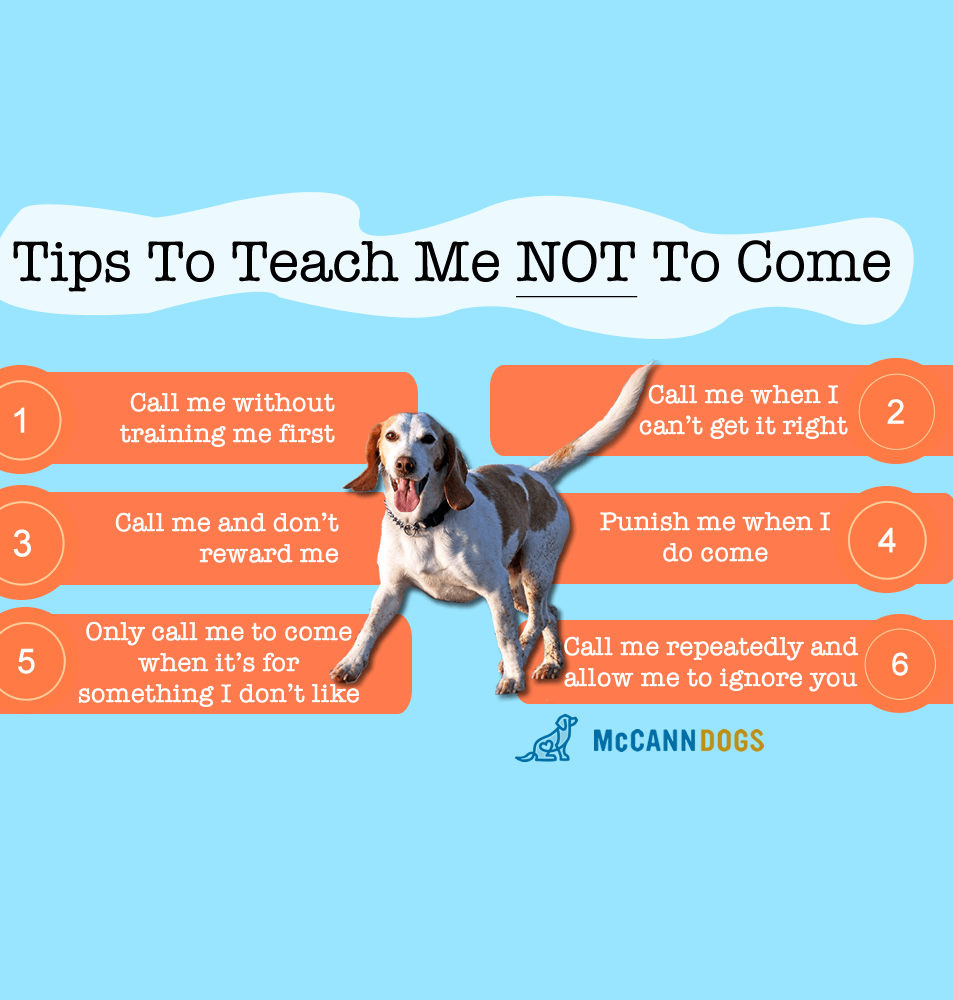
Consistency in training is key to effective dog reprimanding. Dogs learn best when rules stay the same. Changing rules can confuse them. Consistent training helps dogs understand what is right and wrong quickly. It builds trust between the dog and owner. This trust makes training easier and more successful.
Routine And Rules
Dogs thrive on routine. Set clear rules for behavior. Follow these rules every day without fail. Use the same commands and tones. This routine helps dogs predict what will happen next. It reduces stress and unwanted behavior. Consistent routines make training smooth and fast.
Involving Family Members
Everyone in the family must follow the same rules. Mixed signals confuse the dog. Teach family members how to give commands and reprimands. Make sure all use the same words and gestures. This teamwork strengthens the dog’s learning. It stops the dog from testing limits with different people.
Credit: www.mccanndogs.com
Patience And Persistence
Patience and persistence are key when teaching a dog right from wrong. Dogs do not learn rules instantly. They need time and steady guidance. Each dog learns at its own speed. Staying calm and consistent helps your dog understand what you expect.
Sometimes progress is slow. Sometimes mistakes happen. Keeping a patient attitude prevents frustration. Persistence means you keep trying, even when results seem small. This approach builds trust and respect between you and your dog.
Handling Setbacks
Setbacks are part of training. Dogs may forget commands or repeat bad behavior. This is normal. Avoid harsh punishment. Instead, gently correct and guide your dog again. Consistent responses teach your dog what is right.
Stay calm during setbacks. Losing patience confuses dogs. It slows learning. Remember, mistakes do not mean failure. They show where more work is needed. Keep training sessions short and positive.
Celebrating Progress
Recognizing small wins motivates both you and your dog. Praise good behavior immediately. Use treats or kind words. This encourages your dog to repeat good actions.
Celebrate every step forward. Even small changes show improvement. This builds your dog’s confidence. It also strengthens your bond. Positive reinforcement makes training enjoyable and effective.
Frequently Asked Questions
How Do I Reprimand My Dog Without Hurting It?
Use a firm voice and clear commands to correct behavior. Avoid physical punishment. Positive reinforcement works best for training dogs effectively and humanely.
When Is The Best Time To Reprimand A Dog?
Reprimand your dog immediately after bad behavior. Timing helps your dog connect the correction with the action. Delayed reprimands confuse them.
Can Reprimanding Ruin My Dog’s Trust?
If done harshly, reprimands can damage trust. Use calm, consistent corrections instead. Positive, respectful training strengthens your bond with your dog.
What Words Or Tones Work Best To Reprimand Dogs?
Use a firm, calm voice with simple commands like “No” or “Stop. ” Avoid yelling, as it scares dogs and reduces training effectiveness.
Conclusion
Reprimanding a dog helps teach good behavior and builds trust. Use calm, clear signals to show what is wrong. Avoid yelling or hitting, as dogs learn better with patience. Timing matters—correct behavior right after it happens. Praise your dog when it behaves well to encourage good habits.
Consistency makes training easier for both you and your dog. Remember, kind guidance leads to a happy, well-behaved pet. Keep training simple and positive for best results. Your dog will respond with love and respect. Training takes time, so stay patient and gentle.