Ticks are more than just a nuisance—they can put your dog’s health at serious risk. If you want to keep your furry friend safe without relying on harsh chemicals, you need effective natural solutions.
Imagine protecting your dog from ticks while giving them the gentle care they deserve. You’ll discover the best natural tick prevention methods that actually work. Keep reading to find out how you can shield your dog from these pests and enjoy worry-free outdoor adventures together.

Credit: www.amazon.com
Common Tick Risks For Dogs
Ticks pose serious risks to dogs. These tiny parasites attach to your pet’s skin and feed on their blood. They can spread diseases that harm your dog’s health. Knowing common tick risks helps protect your furry friend better.
Tick Habitats And Seasons
Ticks live in tall grass, bushes, and wooded areas. They wait on leaves or stems for animals to pass by. Spring through fall is the peak season for ticks. Warm and humid weather helps them thrive. Dogs that spend time outside face higher risks.
Health Issues From Tick Bites
Tick bites cause itching and irritation. Dogs may scratch or bite the bite area. More serious risks include infections and blood loss. Ticks can spread diseases like Lyme disease and ehrlichiosis. These illnesses cause fever, weakness, and joint pain. Early detection and prevention are crucial for your dog’s health.

Credit: www.amazon.com
Natural Tick Prevention Methods
Natural tick prevention methods protect dogs without harsh chemicals. These methods use plants, oils, and food to keep ticks away. They work gently and are safer for dogs and the environment. Regular use helps reduce tick bites and related diseases.
Herbal Tick Repellents
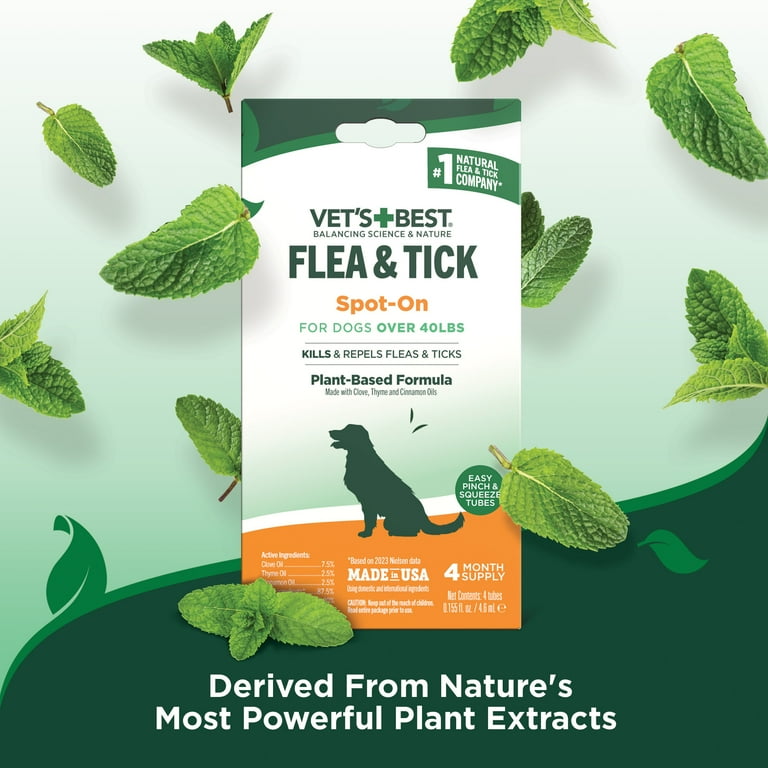
Many herbs repel ticks naturally. Plants like rosemary, lavender, and peppermint have strong scents ticks dislike. You can grow these herbs in your yard or use sprays made from them. Herbal tick repellents provide a safe barrier for your dog.
Herbal tick sprays are easy to apply on your dog’s coat. They also keep fleas and other bugs away. Use fresh or dried herbs to make homemade tick repellents at home.
Essential Oils Safe For Dogs
Some essential oils repel ticks without harming dogs. Oils such as cedarwood, eucalyptus, and neem are popular choices. Always dilute these oils with a carrier oil before use. Never apply pure essential oils directly on your dog’s skin.
Essential oils can be added to collars or sprays. Use small amounts and test for any skin reaction first. These oils help keep ticks from attaching to your dog.
Dietary Additives To Repel Ticks
Certain foods make your dog’s blood less attractive to ticks. Garlic and brewer’s yeast are common dietary additives. These ingredients can help reduce tick bites naturally.
Consult your vet before adding supplements to your dog’s diet. Proper dosage is important for safety. Healthy food and additives support your dog’s natural defenses against ticks.
Safe Home Remedies
Safe home remedies offer gentle ways to protect dogs from ticks. These natural methods reduce chemical exposure and keep pets healthy. Many dog owners trust simple ingredients found around the house. Using these remedies regularly helps lower tick problems.
Apple Cider Vinegar Applications
Apple cider vinegar is a popular natural tick repellent. Mix equal parts of vinegar and water in a spray bottle. Spray your dog’s coat lightly, avoiding eyes and nose. The vinegar’s smell keeps ticks away without harming your pet. Repeat this treatment two to three times a week for best results.
Garlic And Other Natural Ingredients
Garlic can help repel ticks but must be used carefully. Small amounts added to dog food may work, but consult a vet first. Other natural ingredients like neem oil and coconut oil also protect dogs. These oils can be diluted and applied to the fur. They create a barrier ticks dislike.
Diy Tick Collars
DIY tick collars are easy to make at home. Use a plain fabric collar as a base. Mix essential oils like lavender or eucalyptus with a carrier oil. Apply a few drops on the collar but not directly on skin. Replace or reapply the oils weekly to maintain effectiveness.
Credit: www.walmart.com
Environmental Tick Control
Controlling ticks in the environment helps reduce the risk for dogs. Ticks thrive in certain outdoor areas. Managing these spots lowers tick populations naturally. This approach supports your dog’s health safely.
Yard Maintenance Tips
Keep grass short to stop ticks from hiding. Remove leaf piles and brush regularly. Clear tall weeds and shrubs near play areas. Create a barrier of wood chips or gravel. This keeps ticks away from your yard.
Natural Predators Of Ticks
Certain animals eat ticks and help control them. Birds like guineafowl and chickens are natural tick hunters. Some insects, such as ants and spiders, also eat ticks. Encouraging these animals helps keep tick numbers low.
Safe Outdoor Treatments
Use natural oils like cedar or neem to repel ticks. These oils are safe and work well in yards. Apply them to shaded, moist areas where ticks hide. Avoid harsh chemicals that harm pets and wildlife. Natural sprays keep your dog’s environment safe.
Regular Tick Checks And Removal
Regular tick checks and removal are key to protecting dogs from tick bites. Ticks carry harmful diseases that can make dogs very sick. Checking your dog often helps find ticks early. Removing ticks quickly lowers the chance of infection.
Making tick checks a habit keeps dogs safe during walks or playtime. A careful inspection is simple and takes only a few minutes. Knowing how to remove ticks properly is important for the dog’s health.
Best Practices For Tick Inspection
Start by feeling your dog’s fur with your hands. Pay close attention to warm, hidden spots like ears, neck, and under the legs. Use your fingers to part the fur and look for small bumps or dark spots. Check around the eyes and between the toes. Examine the dog’s belly and tail area too. Use a bright light or magnifying glass if needed. Do this after every outdoor activity, especially in grassy or wooded areas.
Proper Tick Removal Techniques
Use fine-tipped tweezers to grasp the tick close to the skin. Pull upward with steady, even pressure. Avoid twisting or squeezing the tick. Do not use bare fingers or crush the tick. After removal, clean the bite area with soap and water. Dispose of the tick by placing it in alcohol or sealing it in a bag. Wash your hands well. Monitor the dog’s skin for any irritation or swelling after removal.
Signs Of Tick-borne Diseases
Watch for unusual symptoms in your dog after tick exposure. These include fever, loss of appetite, and tiredness. Limping or swollen joints can also signal infection. Vomiting and diarrhea may occur. Some dogs show swollen lymph nodes or coughing. Early symptoms vary but require quick veterinary care. Regular checks help catch ticks before diseases start.
When To Consult A Veterinarian
Knowing when to consult a veterinarian is important for your dog’s health. Ticks can cause serious problems. Early advice can prevent harm. Natural tick prevention helps, but some signs need expert care. Watch your dog closely. Act fast if you notice unusual symptoms. Professional guidance ensures the best treatment.
Symptoms Requiring Professional Care
Look for redness or swelling around tick bites. Check for fever or low energy. Vomiting and loss of appetite are warning signs. Difficulty walking or limping needs urgent attention. If your dog scratches or bites a lot, see a vet. Sudden behavior changes also require a check-up. Ticks can spread diseases. Early treatment avoids complications.
Choosing Tick Prevention Products
Natural products vary in strength and safety. Some may cause allergies or reactions. A vet can recommend the best options for your dog. Consider your dog’s age and health condition. Some products work better in certain regions. Ask about proper application and frequency. Avoid using products made for other animals. Professional advice helps protect your dog safely and effectively.
Frequently Asked Questions
What Are The Best Natural Tick Prevention Methods For Dogs?
Natural tick prevention includes using essential oils like lavender or eucalyptus, diatomaceous earth, and keeping your yard clean. Regular grooming and tick checks also help. These methods reduce ticks without harsh chemicals, ensuring your dog stays safe and healthy.
Can Natural Oils Effectively Repel Ticks On Dogs?
Yes, certain natural oils like neem, lavender, and eucalyptus repel ticks. Always dilute oils properly before applying to avoid skin irritation. These oils provide a safe, chemical-free alternative to prevent ticks and protect your dog naturally.
How Often Should I Check My Dog For Ticks?
Check your dog for ticks daily, especially after outdoor activities. Focus on ears, neck, and between toes. Early detection helps prevent tick-borne diseases and ensures prompt removal, keeping your dog healthy.
Are Natural Tick Preventatives Safe For Puppies?
Natural tick preventatives like diluted essential oils and diatomaceous earth are generally safe for puppies. However, always consult your vet before use to avoid allergic reactions or toxicity. Safety first ensures effective and gentle protection.
Conclusion
Protecting your dog from ticks is very important. Natural methods can keep your pet safe and healthy. Regular checks and using natural oils help prevent ticks. Keeping your yard clean reduces tick hiding spots. Always watch your dog after outdoor activities.
Simple steps make a big difference in tick prevention. Your dog will feel better without harsh chemicals. Stay consistent and enjoy more worry-free walks together. Natural tick prevention works well with care and attention.