
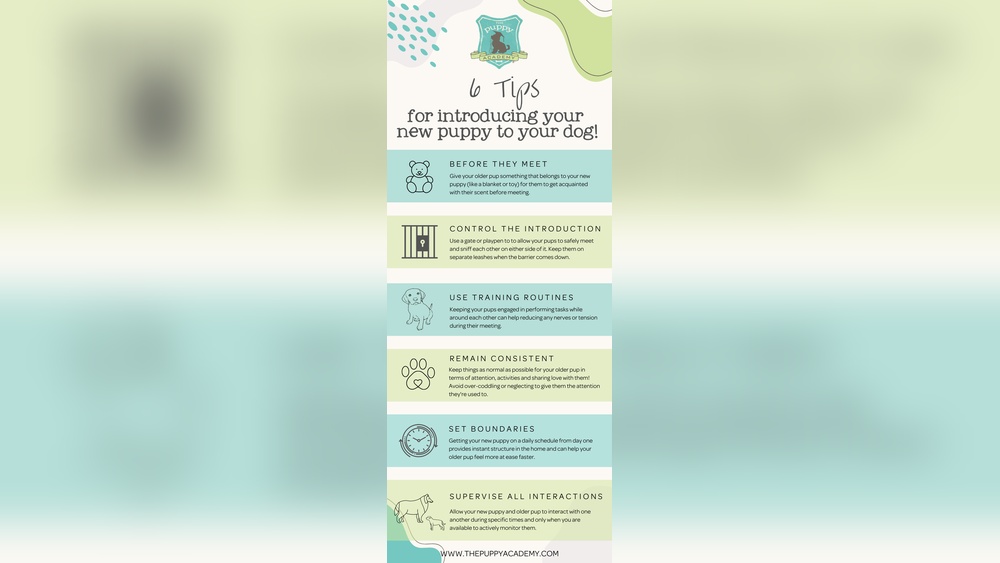
Bringing a new dog into your home is exciting, but introducing them to your current dog can feel tricky. You want both dogs to feel safe, happy, and ready to become friends.
If you get this introduction right, you’ll avoid stress, fights, and confusion. But how do you make sure your dogs click from the start? Keep reading, and you’ll discover simple, proven steps to help your dogs meet smoothly and build a strong bond.
Your furry family will thank you!
Preparing For The Introduction
Preparing for the introduction of a new dog to your current dog is an important step. It helps both dogs feel safe and calm. Taking time to prepare can prevent stress and unwanted behavior. The process starts before the dogs even meet face to face.
Choosing A Neutral Location
Select a place that neither dog knows well. A neutral spot reduces territorial feelings. Parks or quiet streets work well. Avoid areas where your current dog feels protective. This helps both dogs meet with less tension.
Gathering Necessary Supplies
Bring leashes and harnesses for control. Have treats ready to reward good behavior. Carry water and bowls for hydration. Prepare toys to distract or calm the dogs. These items make the introduction smoother and safer.
Assessing Your Dog’s Temperament
Observe your dog’s behavior around other dogs. Notice signs of friendliness or aggression. Understand how your dog reacts to new experiences. This helps predict how the introduction may go. Adjust the meeting plan based on your dog’s personality.
First Meeting Strategies
Introducing a new dog to your current dog needs care and patience. The first meeting sets the tone for their relationship. Safe, calm, and clear steps help both dogs feel secure. This reduces stress and helps build trust quickly.
Leashed Introduction Techniques
Keep both dogs on leashes during their first meeting. This control prevents sudden moves or fights. Let them sniff and see each other from a short distance. Avoid pulling or tugging on the leashes. Use a calm voice to reassure both dogs. Walk them slowly in parallel before allowing closer contact. This method helps dogs adjust to each other’s presence safely.
Reading Body Language
Watch each dog’s body signs closely. Relaxed ears, wagging tails, and soft eyes show comfort. Stiff bodies, growling, or raised hackles signal stress or aggression. Step back if you see these signs. Give both dogs space to calm down. Understanding these signals helps prevent problems and guides your next move.
Keeping Initial Interactions Short
Keep the first meeting brief. Ten to fifteen minutes is enough at first. Long meetings can cause tiredness or anxiety. End the meeting while both dogs are calm and happy. Repeat short sessions over several days. This builds positive feelings and reduces tension over time.
Building Positive Associations
Building positive associations helps your dogs accept each other. It creates good feelings linked to meeting the new dog. This makes their relationship start well. Positive experiences reduce fear and stress. Both dogs learn to enjoy each other’s company. This approach leads to a calm and happy home.
Using Treats And Praise
Give treats when dogs show calm behavior near each other. Praise them with a soft voice and gentle words. Treats and praise teach dogs that being together is good. Use small, tasty treats to keep their attention. Reward often during the first meetings. This helps build trust and comfort.
Engaging In Joint Playtime
Play together with both dogs to create fun memories. Use toys that both dogs like. Choose games like fetch or tug-of-war for shared enjoyment. Playtime helps dogs focus on each other positively. Keep play calm and friendly to avoid fights. End play sessions with treats or praise.
Establishing Safe Spaces
Give each dog a safe space to rest and relax. Use separate beds or crates at first. Safe spaces help dogs feel secure and reduce stress. Let dogs visit each other’s space slowly and calmly. Respect their need for alone time. Safe spaces support a peaceful introduction process.
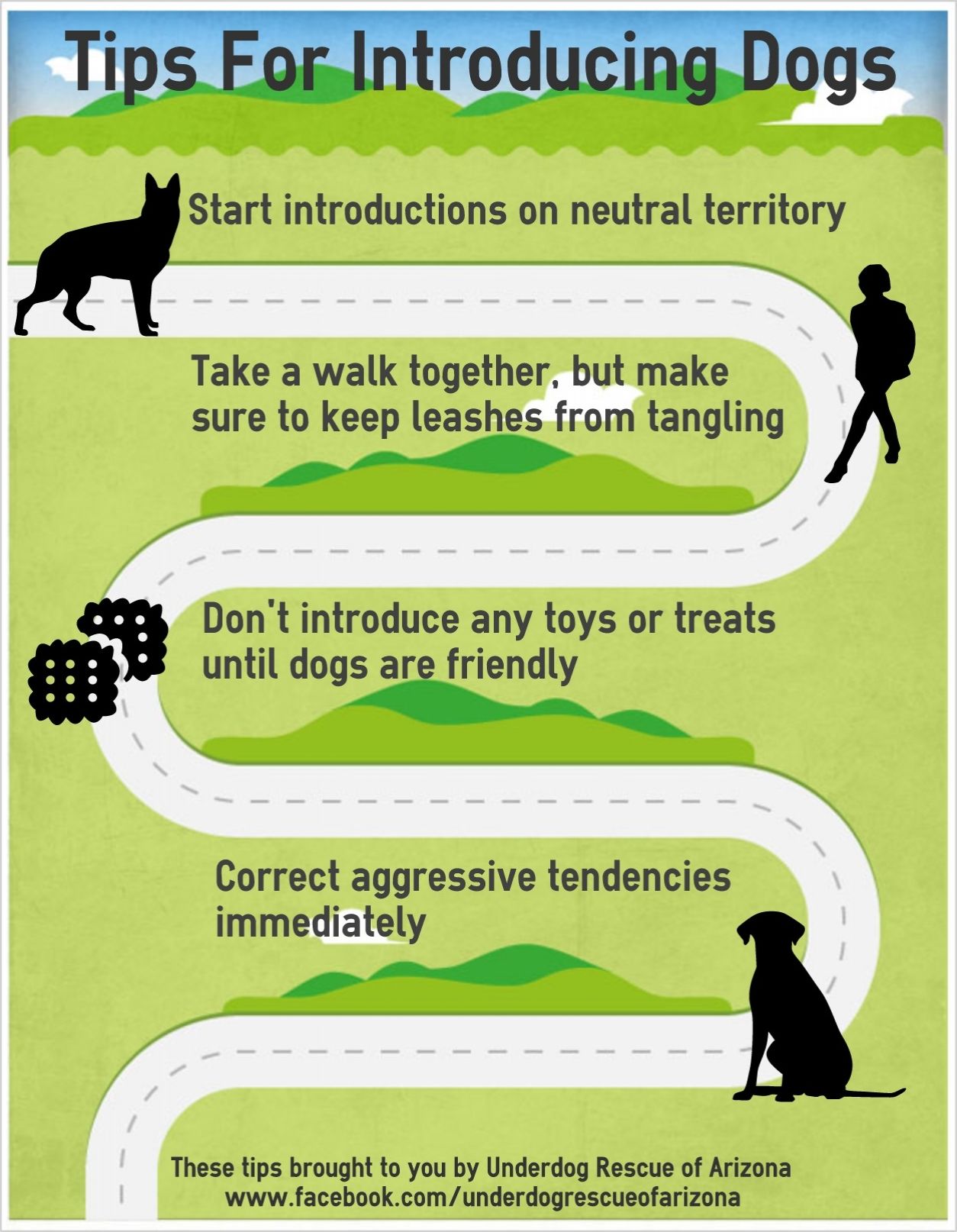
Credit: friendshipapl.org
Managing Potential Challenges
Introducing a new dog to your current dog can bring challenges. Dogs show different behaviors during introductions. Managing these challenges helps keep both dogs safe and calm.
Understanding how to handle aggression, prevent fights over toys, and knowing when to ask for help is key. Each dog has its own personality and comfort level. Careful steps make the process smoother.
Handling Aggression Or Anxiety
Some dogs may show growling or barking. This is a sign of stress or fear. Keep dogs on leashes during the first meetings. Watch their body language carefully. Give them space to calm down. Avoid forcing interactions. Use treats to create positive feelings. Praise calm behavior to build trust.
Preventing Resource Guarding
Dogs can become protective over food or toys. Remove toys and feed dogs separately at first. Give each dog its own space for eating. Watch for signs of guarding like stiff posture. Teach dogs to share and take turns. Supervise all playtimes to avoid fights. Reward sharing and gentle play.
When To Seek Professional Help
Some dogs need extra support during introductions. If aggression or anxiety grows, ask a trainer or vet. Professionals offer advice tailored to your dogs. They can suggest training or behavior plans. Early help prevents bigger problems later. Don’t wait if you feel unsure or scared.
Long-term Integration Tips
Introducing a new dog to your home is just the start. Long-term integration helps both dogs live happily together. It takes time, care, and patience. Keeping peace and building a strong bond is key. Follow these tips to support your dogs for the long run.
Monitoring Ongoing Interactions
Keep watching how your dogs act around each other. Look for signs of stress or aggression. Step in quickly if things get tense. Praise calm and friendly behavior. Regular checks help stop problems early. Make sure both dogs feel safe and comfortable.
Maintaining Individual Attention
Spend one-on-one time with each dog every day. This helps reduce jealousy and builds trust. Give each dog their favorite toys and treats. Show love and care to both dogs equally. Individual attention keeps your dogs happy and balanced.
Adjusting Routines Gradually
Change your dogs’ routines slowly over time. Introduce new walks, feeding times, or play sessions step by step. Sudden changes can cause stress or confusion. Let your dogs adapt at their own pace. A smooth routine supports good behavior and calmness.

Credit: www.youtube.com

Credit: www.howtotrainadreamdog.com
Frequently Asked Questions
How To Prepare Your Dog For A New Dog Introduction?
Start by training basic commands and ensuring your dog is calm. Gradually expose your dog to new scents and sounds. This helps reduce anxiety and makes the introduction smoother and safer for both dogs.
Where Is The Best Place To Introduce Two Dogs?
Choose a neutral, outdoor location like a park or a quiet street. Neutral territory reduces territorial behavior and helps both dogs feel more comfortable during their first meeting.
How Long Should The First Dog Introduction Last?
Keep the first meeting short, around 10 to 15 minutes. Watch their body language closely and separate them if tension rises. Gradually increase interaction time over multiple sessions.
What Signs Indicate A Positive Dog Introduction?
Look for relaxed bodies, wagging tails, and playful behavior. Dogs sniffing and calmly exploring each other also indicate comfort and acceptance during introductions.
Conclusion
Introducing a new dog takes patience and care. Keep meetings calm and slow. Watch their body language closely. Let them explore and sniff safely. Give both dogs plenty of attention. Small steps lead to good friendships. Stay calm and positive throughout.
Over time, they can become close friends. Enjoy the journey with your dogs. It’s worth the effort and love.


