Choosing the best rice for your dog’s food isn’t just about picking any grain off the shelf. You want what’s healthiest, easiest to digest, and safest for your furry friend.
But with so many options, how do you know which rice will truly benefit your dog’s diet? You’ll discover the top rice choices that can boost your dog’s energy, support their digestion, and keep them happy and healthy. Keep reading to find out exactly what rice works best for your dog and why it matters so much.
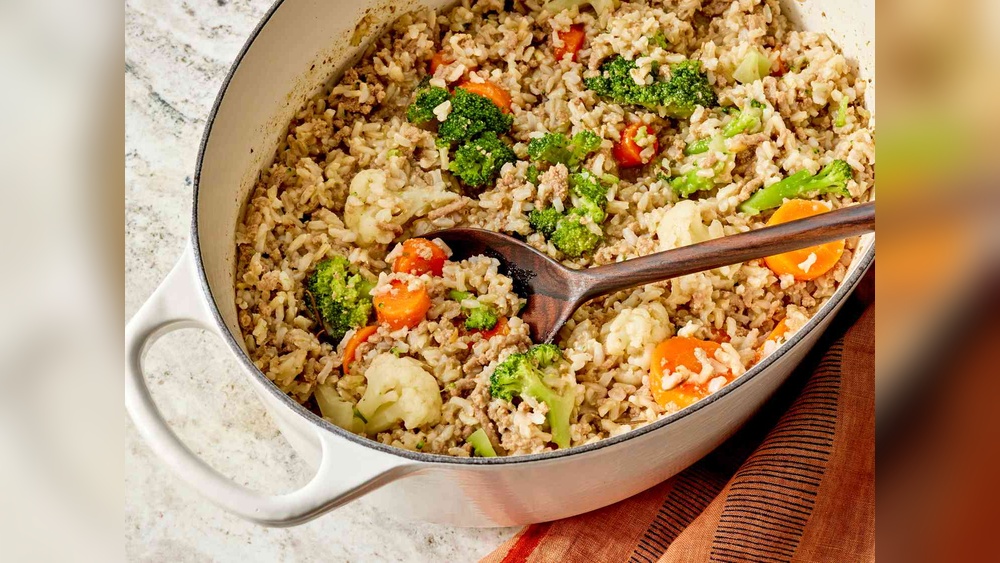
:max_bytes(150000):strip_icc()/140286_HomemadeDogFood_DDMFS_Beauty_009-6a6e82002dc3496eaa20dec6bfde6d6e.jpg)
Credit: www.allrecipes.com
Rice Benefits For Dogs
Rice is a common ingredient in many dog foods. It offers several benefits that support your dog’s health. Rice is gentle on the stomach and provides essential nutrients. It is a good choice for dogs with sensitive digestion or allergies.
Nutritional Value
Rice contains important nutrients like vitamins B and minerals. It has small amounts of protein and fiber. These nutrients help keep dogs healthy and active. White rice offers easy energy, while brown rice adds more fiber.
Digestibility
Rice is easy for dogs to digest. It rarely causes stomach upset or allergies. This makes it ideal for dogs with sensitive tummies. Rice helps soothe digestive issues and supports a healthy gut.
Energy Source
Rice is rich in carbohydrates, which provide quick energy. Dogs need energy for play, exercise, and daily activities. Rice gives a steady energy release to keep dogs active. It is a good fuel for working or active dogs.
Types Of Rice For Dog Food
Rice is a common ingredient in many dog foods. It provides energy and is easy to digest. Different types of rice offer various benefits for your dog’s health. Understanding these types helps you choose the best option.
White Rice
White rice is the most common type used in dog food. It cooks quickly and is gentle on the stomach. Dogs with digestive issues often benefit from white rice. It has fewer nutrients than brown rice but is easier to digest.
Brown Rice
Brown rice contains the bran and germ, making it richer in fiber. This helps with digestion and keeps your dog full longer. It has more vitamins and minerals than white rice. Some dogs may find brown rice harder to digest.
Basmati Rice
Basmati rice has a unique aroma and long grains. It cooks fluffy and light, which dogs enjoy. It has a lower glycemic index, helping to keep blood sugar stable. Basmati rice is a good choice for dogs with weight issues.
Jasmine Rice
Jasmine rice is soft and slightly sticky when cooked. It has a mild flavor that dogs like. This rice type is easy to digest and provides quick energy. Jasmine rice suits active dogs needing a fast energy source.
Choosing The Best Rice
Choosing the best rice for dog food requires care. Rice is a common ingredient in many dog diets. It provides energy and supports digestion. Not all rice types are equal for dogs. Knowing what to pick helps keep your dog healthy and happy.
Focus on rice that offers good nutrition and suits your dog’s needs. Consider how rice affects blood sugar and watch for allergies. These points guide you to the best choice.
Nutrient Content
Rice contains carbohydrates, which give energy to dogs. Brown rice has more fiber than white rice. Fiber helps digestion and keeps the stomach calm. Brown rice also has vitamins like B and minerals such as magnesium. White rice has less fiber but is easier to digest. Choose rice that fits your dog’s health and digestion.
Glycemic Index
The glycemic index measures how fast rice raises blood sugar. Rice with a low glycemic index releases energy slowly. This helps keep your dog’s energy steady. Brown rice has a lower glycemic index than white rice. White rice can cause quick spikes in blood sugar. Pick rice with a low glycemic index for better energy control.
Allergy Considerations
Some dogs may have rice allergies. Signs include itching, redness, or stomach upset. If your dog shows these signs, try a different rice type or grain. Choose rice that does not cause allergic reactions. Always watch your dog after introducing new rice in food.

Credit: www.walmart.com
Preparing Rice For Dogs
Preparing rice for dogs is simple and safe when done right. Rice can be a great source of energy and nutrients for your dog. It is easy to digest and can help with stomach issues. Cooking rice properly ensures your dog enjoys the best benefits.
Cooking Methods
Use plain white or brown rice for your dog. Rinse the rice to remove dirt and starch. Cook rice in plenty of water until soft. Avoid using oils, spices, or salt. Boiling rice is the best method. Steaming is also good but takes longer. Make sure the rice is fully cooked and soft.
Portion Sizes
Rice should be part of a balanced meal. For small dogs, start with one tablespoon of cooked rice. Medium dogs can have up to a half cup per meal. Large dogs may eat one cup or more. Adjust the amount based on your dog’s size and activity. Watch your dog’s reaction to new food. Do not overfeed rice to avoid weight gain.
Avoiding Additives
Keep rice plain and free from additives. Avoid salt, butter, sauces, or seasonings. These can harm your dog’s health. Do not mix rice with onions, garlic, or toxic foods. Always serve rice plain or mixed with dog-safe ingredients. Plain rice helps your dog’s digestion and health.
Rice In Commercial Dog Foods
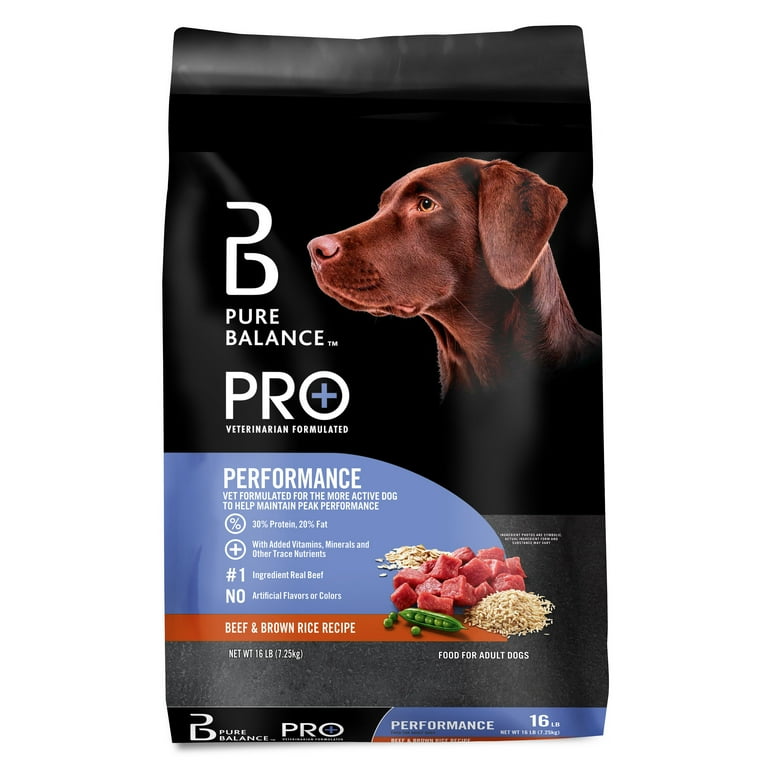
Rice is a common ingredient in many commercial dog foods. It provides energy and is easy to digest. Dog food makers use rice to offer dogs a good source of carbohydrates. This helps keep dogs active and healthy. Rice also adds texture and helps bind other ingredients together in the food.
Common Uses
Rice appears in dog foods as white rice or brown rice. White rice cooks faster and is softer. Brown rice has more fiber and nutrients. Many dog foods use rice to replace grains like wheat or corn. It works well for dogs with mild allergies or sensitive stomachs. Rice is often mixed with meat and vegetables for balanced nutrition.
Quality Indicators
Good quality rice in dog food is easy to spot. It should be clean and free of dust or broken grains. Whole grain rice, like brown rice, has more vitamins and fiber. Rice that is listed near the top of the ingredient list shows it is a main part of the food. Avoid dog foods that list rice as a small or vague ingredient.
Reading Labels
Check the ingredient list carefully. Look for specific types of rice, such as “brown rice” or “whole grain rice.” Avoid terms like “rice by-products” which mean lower quality. Rice should be one of the first ingredients. Also, check for any added fillers or artificial additives. Clear labels help you choose better dog food for your pet.
Alternatives To Rice
Rice is a popular choice in dog food. It is gentle on the stomach and easy to digest. Still, some dogs need variety or cannot eat rice due to allergies. Here are some healthy alternatives to rice that you can use in your dog’s meals.
Quinoa
Quinoa is a seed that cooks like a grain. It is full of protein and fiber. Quinoa contains all nine essential amino acids. This makes it a complete protein source for dogs. It is also gluten-free, which helps dogs with food sensitivities. Quinoa is easy to prepare and mix with other ingredients.
Oats
Oats are a great source of fiber and energy. They support healthy digestion and help keep dogs full longer. Oats contain vitamins like B and minerals such as iron. They are gentle on the stomach and rarely cause allergies. Cooked oats can be a tasty addition to your dog’s diet.
Barley
Barley is a whole grain rich in fiber and nutrients. It helps regulate blood sugar and supports heart health. Barley contains antioxidants and vitamins like niacin and thiamine. It can improve digestion and promote healthy bowel movements. Cook barley until soft before feeding it to your dog.
Credit: www.walmart.com
Frequently Asked Questions
What Type Of Rice Is Best For Dog Food?
White rice is best for dog food due to easy digestion. It provides quick energy and is gentle on sensitive stomachs. Brown rice is nutritious but harder to digest for some dogs.
Can Dogs Eat Brown Rice Safely?
Yes, dogs can eat brown rice safely in moderation. It contains more fiber and nutrients than white rice but may cause digestive issues in sensitive dogs. Always introduce it gradually.
How Does Rice Benefit A Dog’s Diet?
Rice supplies essential carbohydrates for energy and aids digestion. It’s gluten-free and hypoallergenic, making it suitable for dogs with food sensitivities or allergies.
Is Cooked Or Uncooked Rice Better For Dogs?
Cooked rice is better for dogs as it’s easier to digest. Uncooked rice can cause digestive discomfort and is difficult for dogs to chew and absorb nutrients.
Conclusion
Choosing the best rice for your dog helps keep them healthy and happy. White rice is easy to digest and gentle on the stomach. Brown rice offers more nutrients and fiber for energy. Always pick rice that fits your dog’s needs and diet.
Mixing rice with other quality ingredients makes a balanced meal. Watch your dog’s reaction to new foods carefully. Good nutrition supports a long, active life for your pet. Simple steps can improve your dog’s meals every day.