Keeping your dog well-hydrated is one of the simplest ways to ensure they stay healthy and happy. But are you really giving your furry friend the best water care?
You might think a bowl of water is enough, but there’s more to it than just filling up a dish. If you want to know the secret to keeping your dog energized, comfortable, and safe—especially on hot days or after playtime—you need to understand the best way to hydrate your dog.
Keep reading, because what you learn here could make a big difference in your pet’s life.
Signs Of Dehydration In Dogs
Dogs need water every day to stay healthy. Without enough water, they can get dehydrated. Dehydration in dogs happens when they lose more water than they take in. It can cause serious health problems if not noticed early. Knowing the signs of dehydration helps you act fast.
Common Symptoms
One sign is dry, sticky gums. Normally, gums are wet and pink. Another symptom is lethargy. A dehydrated dog may seem tired and weak. Sunken eyes can also show dehydration. The skin loses its stretchiness. Gently pinch the skin at the back of the neck. If it stays up or moves slowly back, it means dehydration. Dogs may also pant more to cool down. Loss of appetite and dark urine color are other signs.
When To Seek Veterinary Help
Seek help if symptoms last over a day or get worse. If your dog vomits or has diarrhea, see a vet. Severe dehydration can cause collapse or confusion. Puppies, older dogs, and sick dogs need quick care. A vet can give fluids and check for other problems. Early treatment stops dehydration from becoming serious.

Credit: goodwag.com
Choosing The Right Water
Choosing the right water for your dog is important for their health. Clean, fresh water keeps dogs hydrated and supports their body functions. Not all water is the same. Some types may have chemicals or impurities that affect your dog’s well-being. Knowing the difference helps you give your dog the best hydration.
Tap Water Vs. Filtered Water
Tap water is easy to access and usually safe. It contains minerals that dogs need. But sometimes, tap water has chlorine or fluoride. These chemicals can upset your dog’s stomach or skin. Filtered water removes many chemicals and impurities. It tastes better and is gentle on your dog’s system. Using filtered water can reduce health risks over time. Choose water that is clean and free from harmful substances.
Adding Electrolytes Safely
Electrolytes help dogs stay hydrated, especially after exercise or heat. You can add safe electrolyte solutions to their water. Use products made for dogs or natural options like a small pinch of salt and sugar in water. Avoid human sports drinks. They often have ingredients harmful to dogs. Always give electrolytes in small amounts. Watch your dog for any signs of discomfort. Proper electrolytes support your dog’s energy and hydration levels.
Hydration Techniques
Keeping your dog hydrated is important for their health. Dogs need water to stay active and avoid heat problems. Using good hydration techniques can help your dog drink enough water every day.
Some dogs do not like to drink plain water often. Finding simple ways to encourage them helps keep them healthy and happy.
Encouraging Regular Drinking
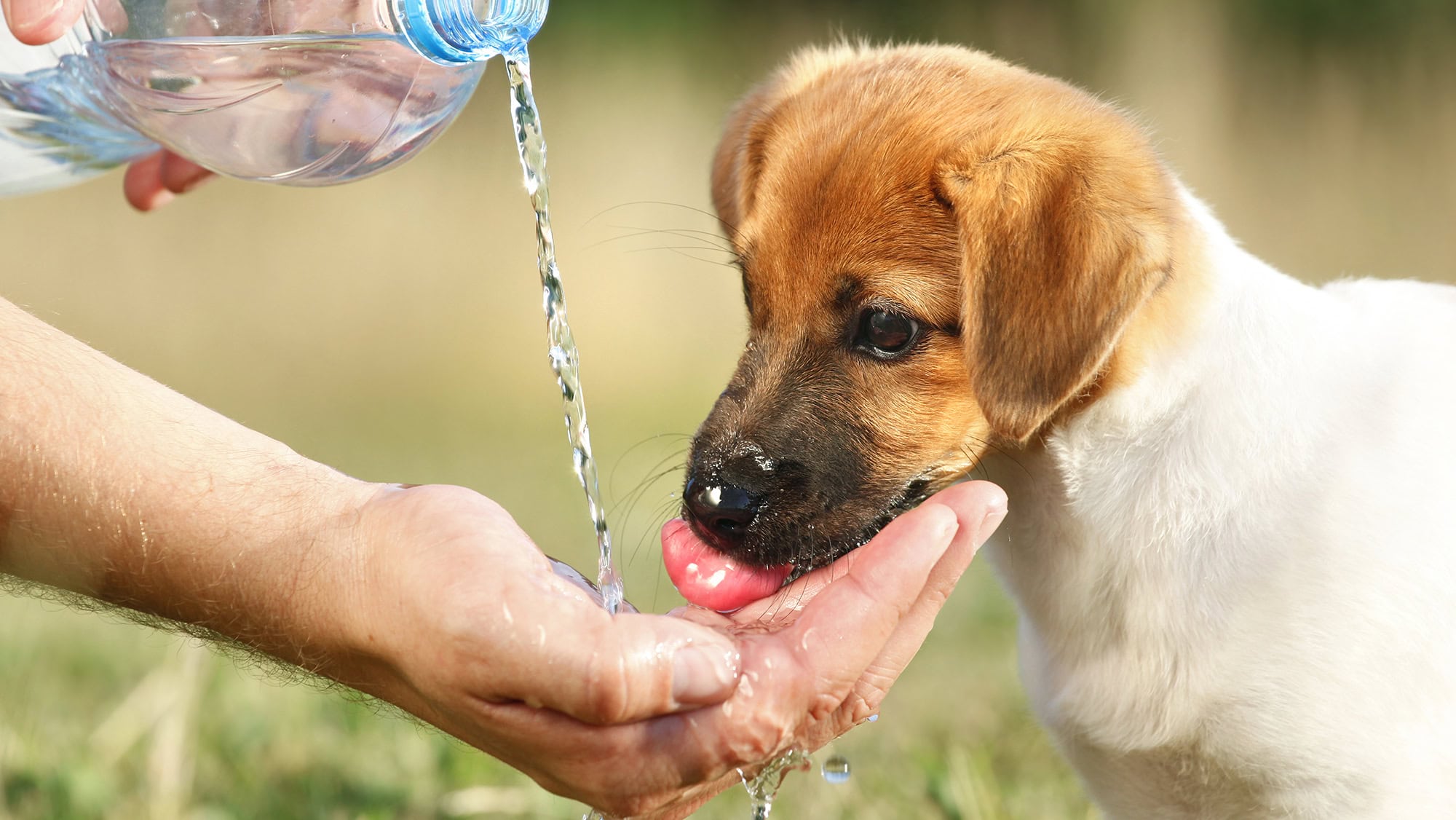
Place water bowls in quiet, easy-to-reach spots. Change the water twice a day to keep it fresh. Praise your dog when they drink water. Offer water after play or walks. Use a clean bowl to avoid bad smells. These small steps make dogs drink more often.
Using Water Fountains
Water fountains keep water moving and cool. Moving water looks fresh and attracts dogs. Many dogs prefer drinking from fountains over still water. Fountains also filter water, which tastes better. Try a fountain if your dog drinks little water. It can increase their water intake easily.
Hydrating Treats And Foods
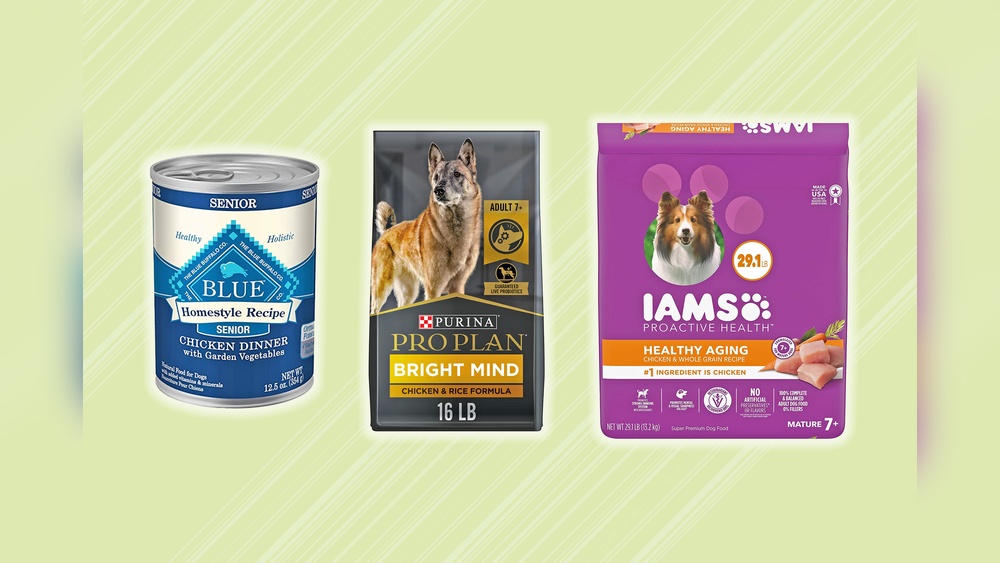
Wet dog food contains more water than dry food. Add water or broth to dry kibble to boost hydration. Offer fruits like watermelon or cucumber as treats. These fruits have high water content and are safe for dogs. Avoid salty or sugary snacks that can dehydrate. Use these foods to help your dog get extra fluids.
Credit: thevets.com
Adjusting Hydration For Activity
Adjusting your dog’s hydration based on their activity helps keep them healthy and happy. Dogs lose water through panting and movement. They need more water during and after exercise. Proper hydration supports energy and prevents heat stress.
Before And After Exercise
Offer water to your dog before exercise to start well hydrated. Small sips are best to avoid stomach upset. After exercise, provide fresh water to replace lost fluids. Watch your dog’s behavior for signs of thirst or fatigue. Avoid forcing water; let them drink naturally.
Hydration During Hot Weather
Hot weather increases a dog’s need for water. Keep water bowls full and clean throughout the day. Provide shade and cool water during outdoor activities. Offer water breaks often to prevent overheating. Monitor your dog for excessive panting or lethargy, signs they need more hydration.
Special Considerations
Hydrating a dog needs special care in some cases. Age and health affect how dogs drink water. Knowing these special needs helps keep dogs safe and healthy. This section covers key points for puppies, senior dogs, and dogs with health issues.
Puppies And Senior Dogs
Puppies need small, frequent water breaks. Their bodies are still growing and need steady hydration. Avoid letting puppies drink too fast. Fast drinking can cause stomach upset or choking.
Senior dogs often drink less. Aging can reduce their thirst signal. Keep water bowls clean and easy to reach. Warm water may encourage older dogs to drink more. Watch for signs of dehydration carefully.
Dogs With Health Issues
Dogs with health problems need careful hydration management. Kidney or heart diseases may limit water intake. Follow your vet’s advice on how much water your dog needs. Some dogs may need water given slowly or in smaller amounts.
Diabetic dogs need constant water access. They often drink more due to blood sugar levels. Monitor their water intake and report changes to your vet. Proper hydration supports their treatment and comfort.

Credit: www.bowwowlabs.com
Common Hydration Mistakes To Avoid
Keeping your dog hydrated is important for their health and happiness. Many dog owners make simple mistakes that stop their pets from drinking enough water. These errors can cause dehydration and other health problems.
Knowing which mistakes to avoid helps your dog stay healthy and active. Here are some common hydration mistakes you should watch out for.
Not Providing Fresh Water Regularly
Dogs do not like stale or dirty water. Leaving water out for too long makes it taste bad. Change the water at least twice a day. Clean the water bowl often to keep it fresh.
Using The Wrong Type Of Water Bowl
Plastic bowls can hold bacteria and smell. Some dogs dislike the taste from plastic. Use stainless steel or ceramic bowls. These materials stay cleaner and do not affect water taste.
Ignoring Signs Of Dehydration
Watch for dry gums, lethargy, or sunken eyes in your dog. These signs show dehydration. Act fast by offering water or consulting a vet. Early care prevents serious health issues.
Not Offering Water After Exercise
Dogs need water after running or playing. Without water, they risk overheating and dehydration. Always give fresh water after physical activity. Make it easy for your dog to drink.
Restricting Water Access
Some owners limit water to control bathroom breaks. This practice is harmful and unsafe. Dogs should have water available all day. Free access helps maintain proper hydration.
Frequently Asked Questions
How Much Water Should A Dog Drink Daily?
Dogs typically need about 1 ounce of water per pound of body weight daily. Active or hot-weather dogs may need more to stay hydrated and healthy.
What Are The Signs Of Dehydration In Dogs?
Signs include dry gums, lethargy, sunken eyes, and loss of skin elasticity. Prompt hydration and veterinary care are crucial if dehydration is suspected.
Is Flavored Water Safe For Dogs?
Plain water is best for hydration. Avoid flavored or sweetened water, as additives can harm your dog’s health.
Can Dogs Drink Coconut Water For Hydration?
Yes, in small amounts. Coconut water contains electrolytes but should not replace fresh water or be given frequently.
Conclusion
Keeping your dog well-hydrated is very important for their health. Fresh water should always be easy to reach. Watch your dog’s drinking habits every day. You can add ice cubes or broth to make water tastier. Avoid giving sugary drinks or milk.
During hot weather or exercise, offer water more often. Proper hydration helps your dog stay active and happy. Small changes make a big difference in your dog’s well-being. Always care for your dog’s water needs with love and attention.