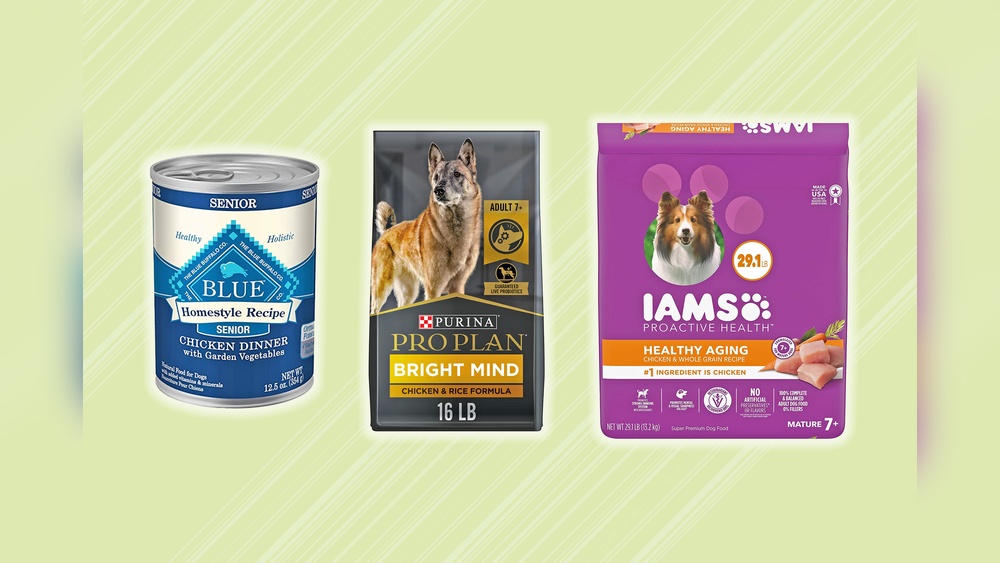
Finding the best dry dog food for your elderly dog can feel overwhelming. You want to give your loyal companion the nutrition they need to stay healthy and happy in their golden years.
But with so many options on the market, how do you choose the right one? This guide will help you understand what your senior dog really needs and reveal top dry dog food choices that support their aging body. Keep reading to make sure your furry friend gets the care and energy they deserve every day.
Nutritional Needs Of Senior Dogs
Senior dogs have special nutritional needs. Their bodies change as they age. Food must support these changes. Proper nutrition helps maintain health and energy. It can ease common age problems. Choosing the right dry dog food is important for their wellbeing.
Key Nutrients For Aging Dogs
Protein helps keep muscles strong in older dogs. Fat provides energy but should be in moderate amounts. Fiber supports healthy digestion and prevents constipation. Vitamins like E and C act as antioxidants. Minerals such as calcium and phosphorus keep bones healthy. Omega-3 fatty acids reduce inflammation and support joints.
Common Health Issues In Elderly Dogs
Arthritis causes joint pain and stiffness. Kidney function often declines with age. Heart problems become more common. Dental disease can affect eating and comfort. Obesity increases risk of many health issues. A proper diet can help manage these problems effectively.
Calorie Requirements And Weight Management
Older dogs need fewer calories than younger dogs. Their activity level usually decreases with age. Controlling calorie intake prevents weight gain. Overweight dogs face more health risks. Feeding measured portions and choosing nutrient-rich food is best. Regular weight checks help keep dogs healthy.
Benefits Of Dry Dog Food For Seniors
Dry dog food offers many benefits for elderly dogs. It supports their changing needs and helps maintain good health. Choosing the right dry food can improve their quality of life and keep them active longer.
Dry food often contains balanced nutrients tailored for senior dogs. It provides the right mix of protein, fiber, and vitamins. These nutrients support aging joints, digestion, and energy levels.
Dental Health Advantages
Dry dog food helps clean teeth by reducing plaque buildup. The crunchy texture works like a gentle brush on teeth. It lowers the risk of gum disease and bad breath. Maintaining dental health is key for older dogs’ overall well-being.
Convenience And Storage
Dry food is easy to store and use. It stays fresh longer than wet food without refrigeration. Measuring portions is simple and fast. This makes feeding seniors less stressful and more consistent.
Cost-effectiveness
Dry dog food is usually less expensive than canned options. It offers more servings per bag, saving money over time. Quality dry food gives good nutrition without high costs. This helps pet owners care for their seniors affordably.
Top Ingredients To Look For
Choosing the best dry dog food for elderly dogs means focusing on the right ingredients. Older dogs need food that supports their aging bodies. Ingredients should help maintain energy, joint health, and digestion. Quality ingredients also keep their coat shiny and skin healthy.
High-quality Proteins
Proteins repair body tissues and build muscles. Older dogs need protein that is easy to digest. Look for real meat like chicken, turkey, or fish. Avoid foods with by-products or fillers as the main protein source.
Essential Fatty Acids
Fatty acids help keep the coat soft and skin healthy. Omega-3 and Omega-6 are important types. They reduce inflammation and support brain health. Ingredients like fish oil and flaxseed are good sources.
Digestible Carbohydrates
Carbohydrates provide energy for older dogs. Choose carbs that are easy to digest, such as brown rice or sweet potatoes. These carbs help maintain steady energy levels without causing weight gain.
Vitamins And Minerals
Vitamins and minerals support immune and bone health. Look for foods rich in vitamin E, vitamin C, calcium, and phosphorus. These nutrients help keep elderly dogs strong and active.
Avoid These Ingredients
Choosing the best dry dog food for elderly dogs means knowing what to avoid. Some ingredients can harm your senior dog’s health and energy. These ingredients add no real benefits and may cause problems. Keep your dog safe by checking labels carefully. Avoid foods with these harmful components.
Artificial Additives And Preservatives
Artificial colors and flavors do not help your dog’s health. They may cause allergies or stomach upset. Preservatives like BHA, BHT, and ethoxyquin can be toxic over time. Old dogs have weaker immune systems. Avoid these additives to keep them feeling their best.
Fillers And By-products
Fillers add bulk but no real nutrition. Ingredients like corn gluten, wheat middlings, and soy are common fillers. By-products come from leftover parts of animals. These parts may lack important nutrients and are hard to digest. Choose foods with whole meat, not by-products or fillers.
Excessive Grains And Sugars
Too many grains can cause weight gain and digestion issues. Sugars in dog food are unnecessary and harmful. They can lead to diabetes and dental problems. Senior dogs need balanced carbs with fiber, not excess grains or sugars. Watch the ingredient list for hidden sugars and grains.
Best Dry Dog Foods For Elderly Dogs In 2025
Choosing the best dry dog food for elderly dogs in 2025 helps keep them healthy and happy. Older dogs need special nutrition to support their joints, digestion, and energy. The right food can improve their quality of life. This guide covers top options in premium brands, budget-friendly foods, and special formulas for health needs.
Premium Brand Options
Premium dry dog foods offer high-quality ingredients. They often include real meat, whole grains, and added vitamins. These foods support joint health and immune function. Brands like Hill’s Science Diet and Blue Buffalo have formulas for senior dogs. These options provide balanced nutrition and good taste.
Budget-friendly Choices
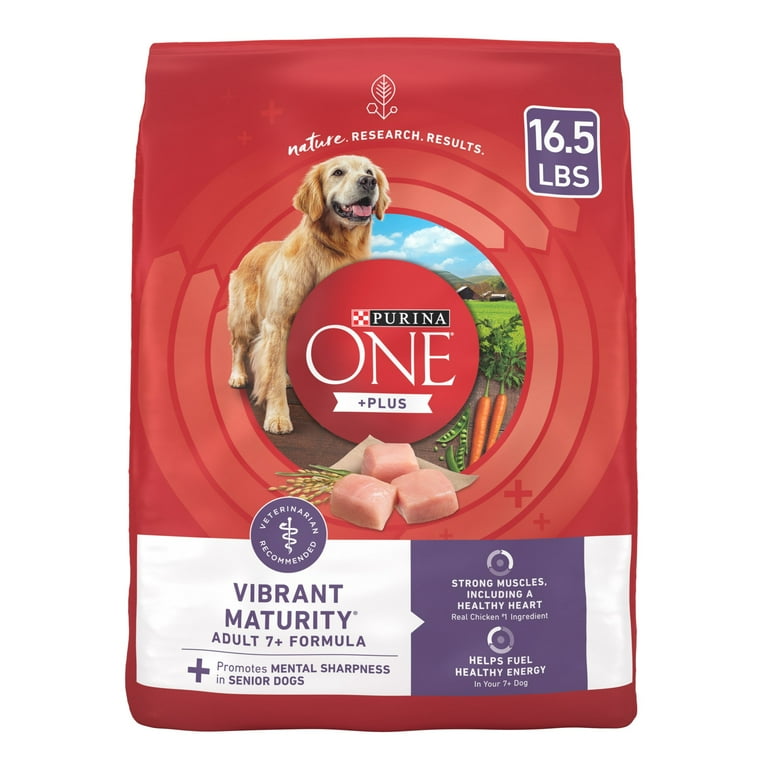
Affordable dry dog foods can still meet older dogs’ needs. Look for products with protein sources and essential nutrients. Brands such as Purina and Nutro offer budget options for seniors. These foods help maintain weight and energy without high costs. Careful label reading ensures good value and nutrition.
Specialty Formulas For Health Conditions
Some elderly dogs need foods for specific health issues. Kidney support, weight management, and digestive care are common needs. Prescription diets from brands like Royal Canin target these problems. These foods contain ingredients to ease symptoms and improve health. Always check with a vet before changing diets.

Credit: www.bil-jac.com
How To Transition To New Dry Food
Changing your elderly dog’s dry food needs care and patience. Sudden changes can upset their stomach or cause refusal to eat. A smooth transition helps your dog adapt comfortably to the new food. Watch your dog closely during this time to catch any issues early.
Gradual Switching Process
Start by mixing 25% new food with 75% old food. Keep this ratio for three days. Next, mix half new food and half old food for three days. Then, switch to 75% new food and 25% old food. After a few days, serve only the new food. This slow change helps your dog’s digestion adjust.
Monitoring Your Dog’s Response
Check your dog’s stool daily for changes. Soft or loose stools mean slowing the switch. Watch for vomiting or loss of appetite. Keep an eye on energy levels and mood. Any odd signs need a pause or vet advice. This helps keep your dog healthy during the change.
Adjusting Portions For Optimal Health
Older dogs need fewer calories but more nutrients. Follow feeding guidelines on the food package. Adjust portions based on your dog’s weight and activity. Feed smaller meals more often to aid digestion. Consult your vet to find the right portion size. Proper portions keep your dog fit and happy.
Tips For Feeding Elderly Dogs
Feeding elderly dogs needs special care and attention. Their bodies change, and so do their nutritional needs. Proper feeding supports their health and keeps them active. Simple changes in feeding habits can make a big difference. Understanding these tips helps ensure your senior dog stays happy and strong.
Feeding Schedule Recommendations
Older dogs benefit from smaller, more frequent meals. This helps digestion and avoids stomach upset. Divide their daily food into two or three portions. Feed them at the same times every day to build a routine. A regular schedule reduces stress and helps with digestion.
Hydration Importance
Water is vital for elderly dogs. They may drink less as they age but still need plenty of fluids. Always keep fresh water nearby. Check their water bowl often and refill it. Proper hydration supports kidney function and joint health.
Supplementing With Wet Food Or Treats
Adding wet food can make meals more appealing. It also adds moisture to their diet. Use wet food as a topper or a side dish. Healthy treats can motivate older dogs to eat. Choose treats that are low in calories and easy to chew.
Credit: www.walmart.com
:strip_icc()/hsc-7c06ed1211874af2830f954b669a1ff6.jpeg)
Credit: medsourcellc.com
Frequently Asked Questions
What Nutrients Are Essential In Dry Dog Food For Elderly Dogs?
Elderly dogs need protein, fiber, omega-3 fatty acids, and antioxidants. These nutrients support muscle health, digestion, and joint function. Look for formulas with glucosamine and chondroitin to ease arthritis and improve mobility.
How To Choose The Best Dry Dog Food For Senior Dogs?
Select foods formulated for senior dogs with balanced nutrients. Check for high-quality protein, moderate fat, and added joint supplements. Consider your dog’s health issues and consult a vet before switching diets.
Can Dry Dog Food Help With Elderly Dog Weight Management?
Yes, senior dry dog food often has lower calories and higher fiber. This helps maintain a healthy weight and prevents obesity-related health problems in older dogs.
Why Is Joint Support Important In Elderly Dog Food?
Joint support ingredients reduce arthritis pain and improve mobility. Glucosamine and chondroitin help repair cartilage and maintain joint flexibility, enhancing your senior dog’s quality of life.
Conclusion
Choosing the best dry dog food helps keep elderly dogs healthy. Good nutrition supports their joints, digestion, and energy. Older dogs need food that suits their changing needs. Always check ingredients and consult your vet for advice. Feeding the right food shows love and care.
Simple steps make a big difference in your dog’s life. Healthy meals mean happier, longer years together. Caring for your senior dog starts with smart food choices.