
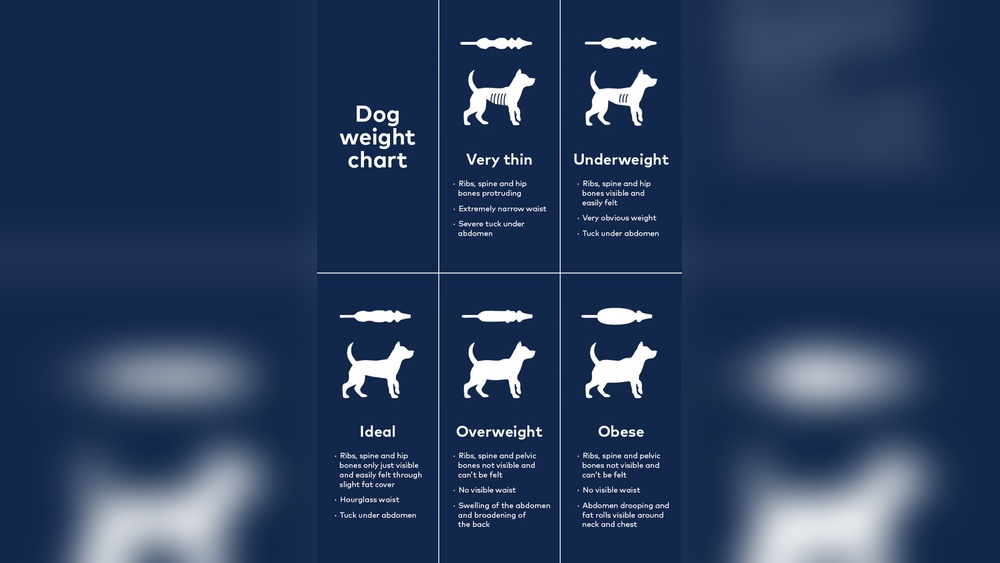
Is your dog struggling to put on weight no matter what you try? Watching your furry friend stay underweight can be worrying, especially when you want to see them healthy and full of energy.
You might be wondering what the best way to help your dog gain weight is—without risking their health or upsetting their stomach. You’ll discover simple, effective steps you can take right now to boost your dog’s weight safely. Keep reading to learn how to make your dog happier, stronger, and healthier with easy changes you can start today.
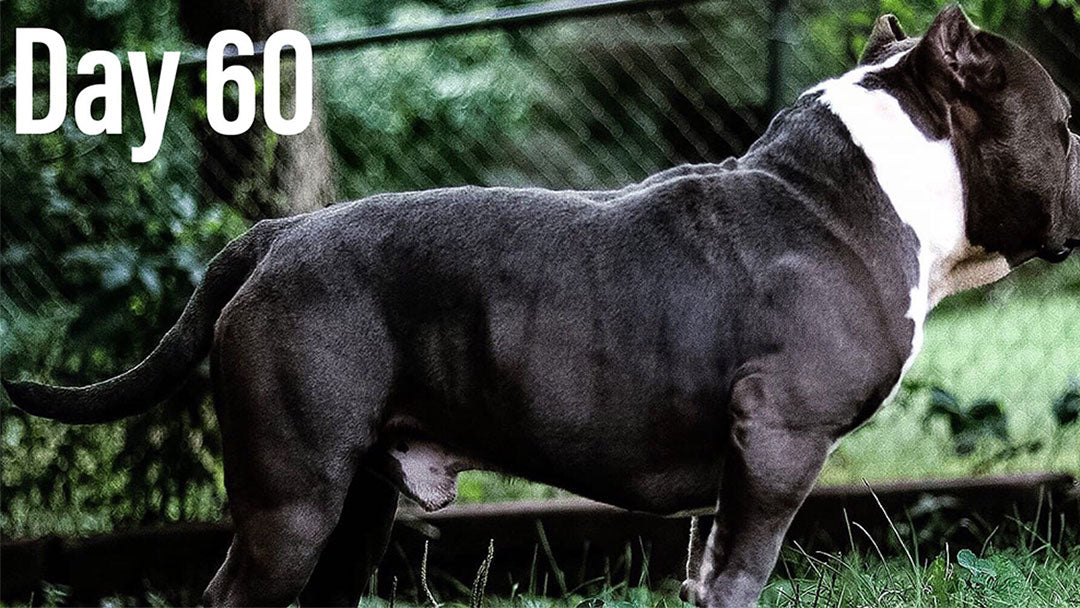
Credit: roguepetscience.com
Causes Of Low Weight In Dogs
Low weight in dogs can signal underlying problems. It is important to find the root cause. Identifying the reasons helps to provide the right care and support.
Health Issues Affecting Weight
Some illnesses cause weight loss in dogs. Conditions like diabetes, kidney disease, and cancer can lower appetite. Chronic pain or dental problems make eating hard. Regular vet checks help detect these issues early.
Nutritional Deficiencies
Poor diet often leads to low weight. Dogs need balanced meals with proteins, fats, and vitamins. Feeding low-quality food may cause missing nutrients. Proper nutrition supports healthy weight gain and energy.
Parasites And Infections
Worms and parasites drain nutrients from dogs. They also cause stomach upset and diarrhea. Infections can reduce appetite and energy levels. Deworming and vet treatments fight these problems effectively.
High Activity Levels
Active dogs burn more calories than they eat. Working or very playful dogs may lose weight fast. Increasing food portions or calorie-rich treats helps balance energy use. Monitoring activity and intake keeps weight stable.
Choosing The Right Diet
Choosing the right diet plays a key role in helping your dog gain weight safely. A proper diet supplies all needed nutrients for healthy growth. It supports muscle build-up and energy levels. Careful food choices avoid digestive issues. This section explains diet types best for weight gain.
High-calorie Dog Foods
High-calorie foods help increase your dog’s daily energy intake. These foods contain more calories per serving than regular dog food. They provide extra fuel for weight gain and activity. Choose foods labeled as “high calorie” or “weight gain” formulas. These options ensure your dog gets enough energy without eating large amounts.
Protein-rich Ingredients
Protein builds and repairs muscles. It also supports healthy skin and coat. Include protein sources like chicken, beef, fish, or eggs in your dog’s diet. Look for foods with at least 20% protein content. Protein helps your dog gain lean weight, not just fat.
Healthy Fats For Weight Gain
Fats are a dense energy source for dogs. They help increase calories without extra volume. Healthy fats come from fish oil, flaxseed, and chicken fat. These fats also improve skin health and coat shine. Avoid too many saturated fats that can cause health problems.
Homemade Vs Commercial Diets
Homemade diets let you control ingredients and portion sizes. Use fresh meats, vegetables, and grains. Commercial diets offer convenience and balanced nutrition. Choose high-quality brands with clear ingredient lists. Consult your vet before switching diets or making homemade meals.
Feeding Strategies For Weight Gain
Helping a dog gain weight needs smart feeding strategies. These methods focus on giving your dog more energy and nutrients without causing stomach upset. Proper feeding supports healthy weight gain and better overall health.
Changing how you feed your dog can make a big difference. Small, consistent steps work best to increase weight safely and steadily.
Increasing Meal Frequency
Feed your dog more often but in smaller amounts. Split daily food into three or four meals instead of one or two. This helps digestion and keeps energy levels steady. Frequent meals can boost calorie intake without overwhelming the stomach.
Portion Control Tips
Measure food carefully to avoid overfeeding or underfeeding. Increase portions slowly by 10% each week. Watch your dog’s weight and adjust portions based on changes. Proper portion control ensures steady weight gain without fat buildup.
Adding Supplements Safely
Use supplements like fish oil or vitamin E for extra nutrients. Always choose products made for dogs. Consult your vet before adding anything new. Supplements can support weight gain and improve coat and skin health.
Encouraging Appetite
Make mealtime fun and stress-free. Warm food slightly to improve smell and taste. Offer favorite treats or mix in tasty toppers. A happy dog eats more and gains weight faster.
Exercise And Weight Management
Exercise plays a key role in helping a dog gain weight in a healthy way. It supports muscle growth and improves appetite. Managing exercise with proper weight control ensures your dog builds strength without losing too much energy. Careful planning of activity and rest helps maintain balance.
Balancing Activity And Rest
Too much exercise burns calories fast, making weight gain harder. Too little activity slows muscle growth and lowers appetite. A mix of gentle walks and quiet time helps your dog recover. Rest is as important as exercise for healthy weight gain. Plan short, regular walks and allow plenty of breaks.
Muscle Building Exercises
Muscle building supports healthy weight gain better than fat alone. Light resistance training helps, like walking uphill or playing fetch. These activities build muscle without causing strain. Swimming is another low-impact option that strengthens muscles. Muscle growth improves overall health and helps keep weight steady.
Avoiding Overexertion
Overexertion can cause stress and loss of appetite. Signs include heavy panting, limping, or reluctance to move. Stop exercise if your dog shows these signs. Gradual increases in activity keep your dog safe. Monitor energy levels and adjust exercise as needed for steady weight gain.
Monitoring Progress
Monitoring your dog’s progress is key to helping them gain healthy weight. Careful observation ensures you notice small changes early. This helps you adjust care and diet for best results. Keep track of your dog’s condition to support steady improvement.
Tracking Weight Changes
Use a reliable scale to weigh your dog regularly. Weigh at the same time and place for accuracy. Record the numbers to see clear trends over weeks. Small gains over time show progress and healthy growth. Sudden drops or no change need attention and action.
Regular Vet Checkups
Schedule vet visits to check your dog’s health often. The vet can spot issues that may affect weight gain. Blood tests and exams guide proper treatment and diet changes. Regular checkups keep your dog’s health on track. Trust expert advice to help your dog safely gain weight.
Adjusting Diet And Routine
Change your dog’s food based on weight progress and vet advice. Increase calories slowly with nutrient-rich meals and treats. Add exercise to build muscle and improve appetite. Watch your dog’s energy and mood for signs of improvement. Adjust routine carefully for steady and safe weight gain.
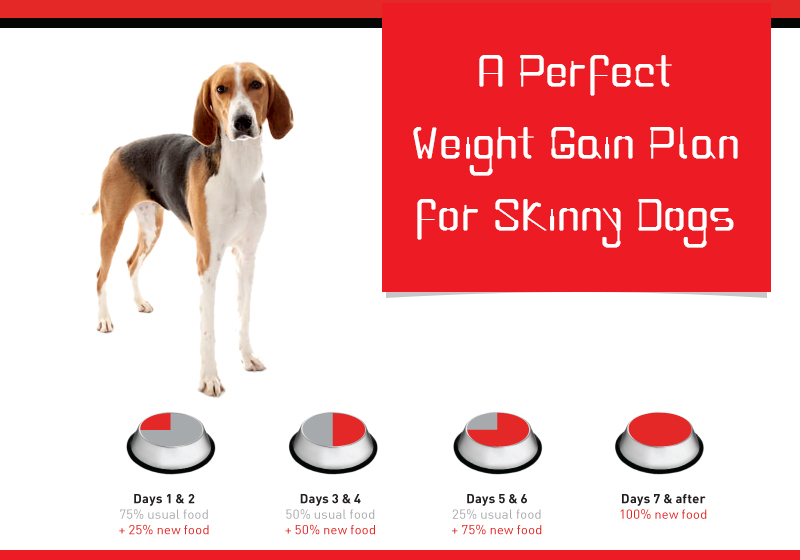
Credit: www.bestvetcare.com
Common Mistakes To Avoid
Helping a dog gain weight takes care and attention. Many pet owners make errors that slow progress or harm the dog’s health. Avoid these common mistakes to ensure safe weight gain. Focus on healthy habits for your dog’s well-being.
Overfeeding Unhealthy Foods
Feeding too much junk food can cause problems. High-fat treats and table scraps might seem like a quick fix. They often lead to digestive upset or obesity instead of healthy weight gain. Choose balanced, nutritious dog food with proper calories. Quality is more important than quantity.
Ignoring Underlying Health Problems
Weight loss or failure to gain weight can signal illness. Parasites, dental issues, or metabolic disorders may be the cause. Ignoring these problems can make your dog suffer. Visit a vet for a full check-up before changing the diet. Treat health issues first for better results.
Skipping Professional Advice
Many owners try home remedies without guidance. This can lead to mistakes and poor choices. A vet or pet nutritionist knows the right foods and portions. They help create a plan tailored to your dog’s needs. Follow expert advice to gain weight safely and steadily.

Credit: shop.bullymax.com
Frequently Asked Questions
How Can I Safely Help My Dog Gain Weight?
Feed nutrient-rich, high-calorie food in small, frequent meals. Add healthy fats and protein. Consult your vet for a tailored plan.
What Foods Are Best For Weight Gain In Dogs?
Choose high-quality dog food with added proteins and fats. Include lean meats, eggs, and healthy oils. Avoid fillers or low-nutrient foods.
How Often Should I Feed My Dog To Gain Weight?
Feed your dog 3 to 4 small meals daily. This improves digestion and nutrient absorption, supporting healthy weight gain.
When Should I Consult A Vet About My Dog’s Weight?
Seek veterinary advice if your dog is underweight despite proper feeding. Underlying health issues may need diagnosis and treatment.
Conclusion
Helping your dog gain weight takes time and care. Feed nutritious meals regularly and watch their health improve. Keep their meals balanced with protein, fats, and carbs. Offer small, frequent meals to encourage eating. Monitor their progress and adjust food as needed.
Exercise gently to build muscle without stress. Always check with a vet for best advice. Patience and consistency make the difference. Your dog will thank you with better energy and happiness.

